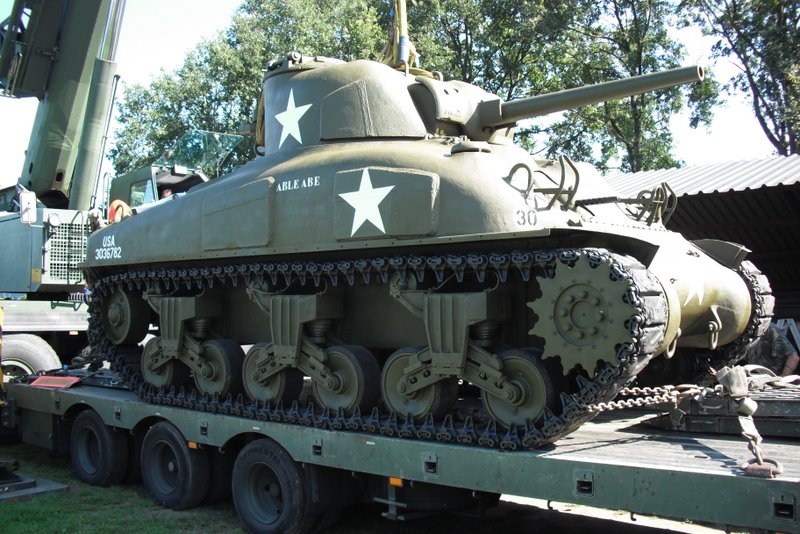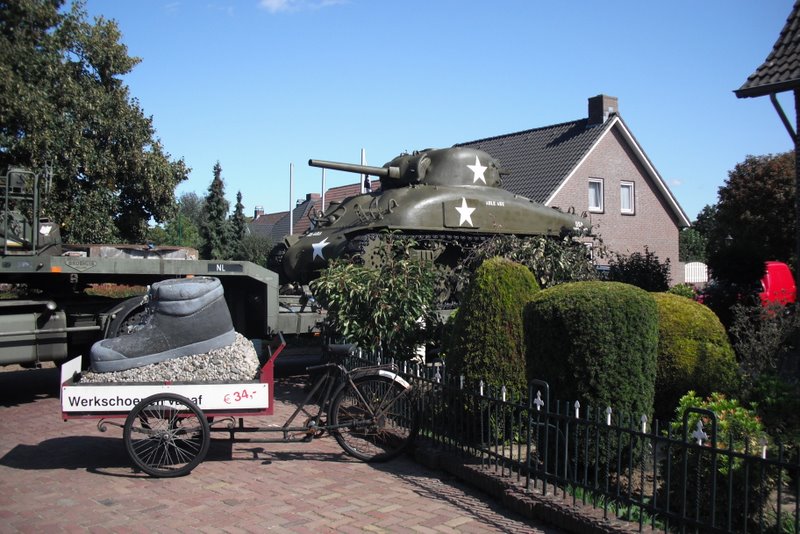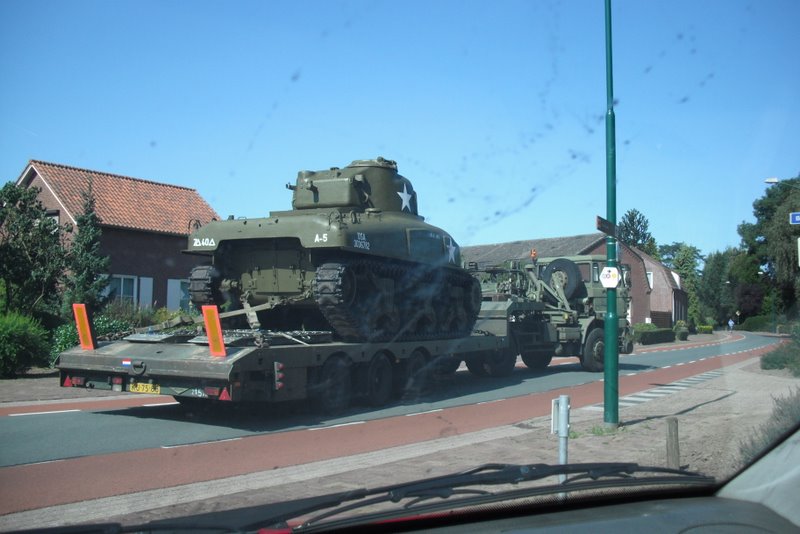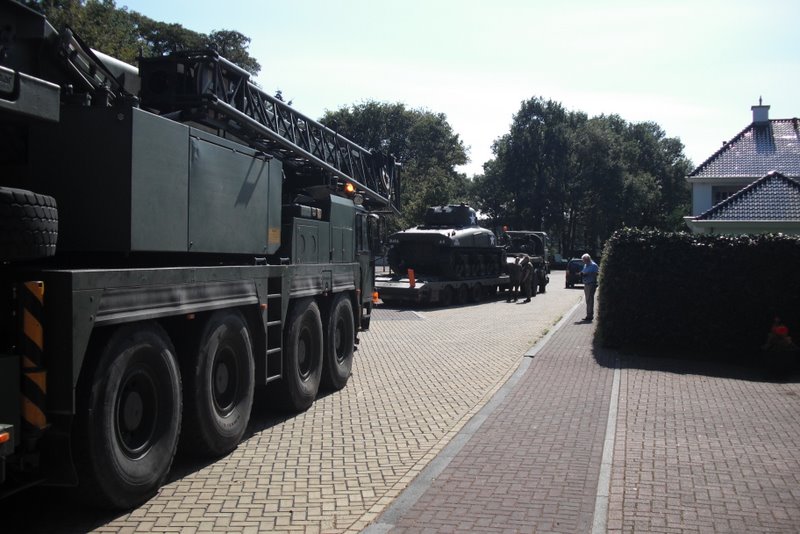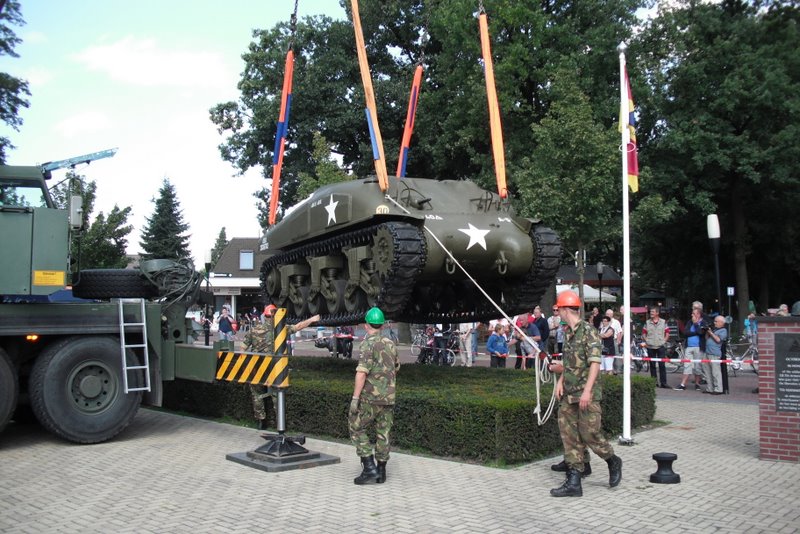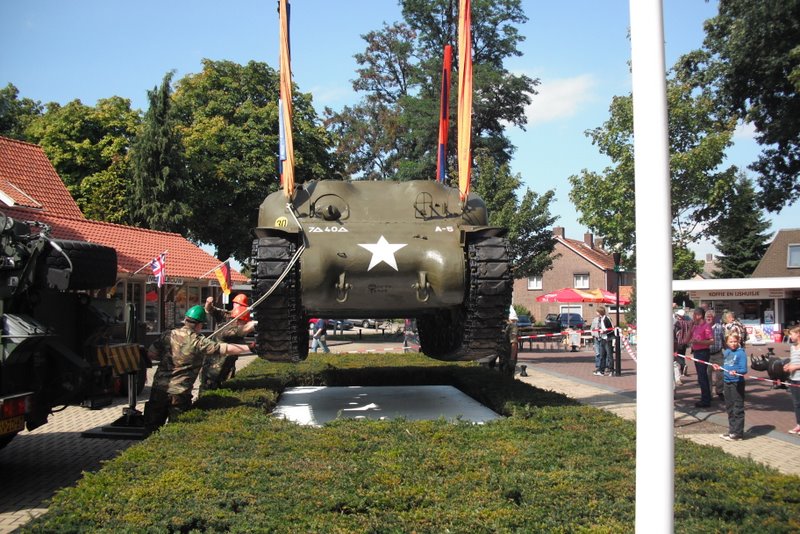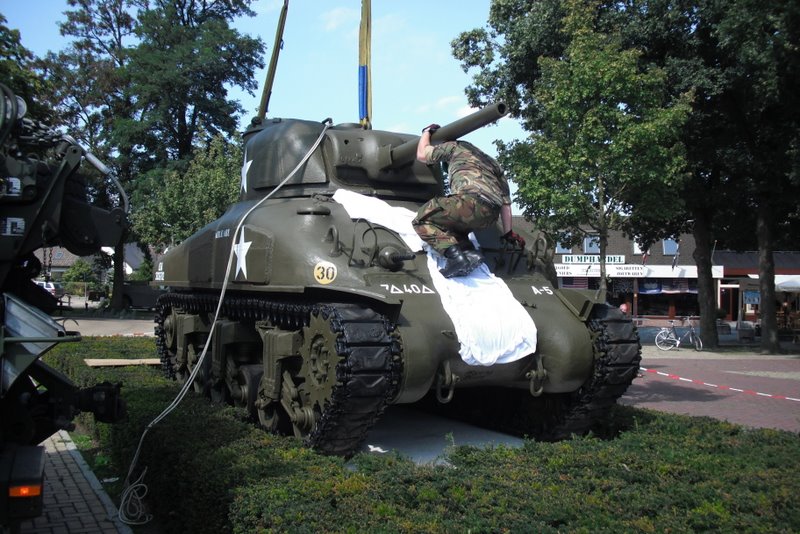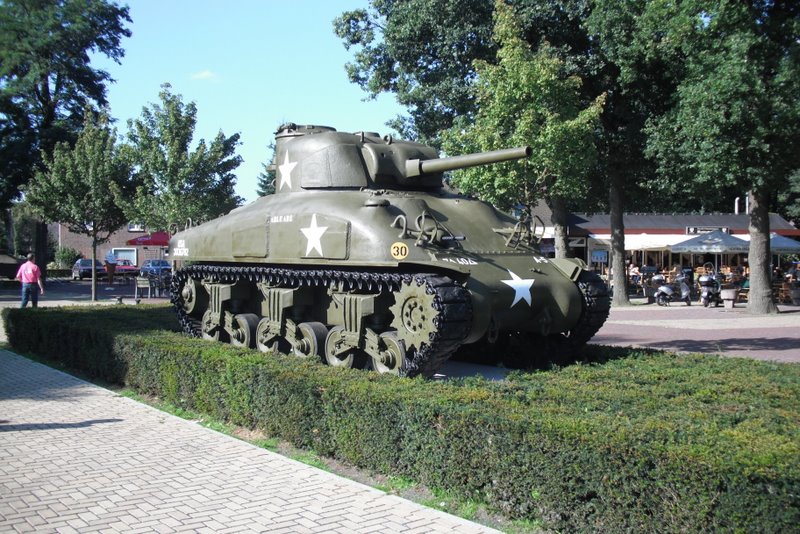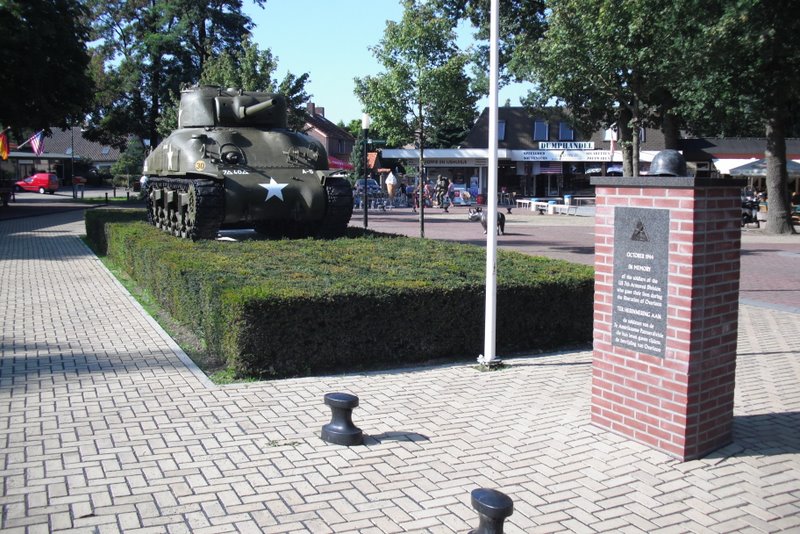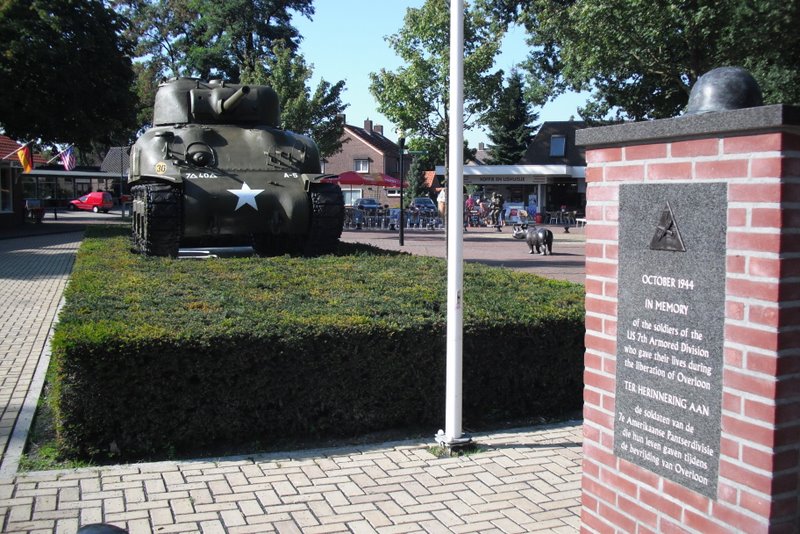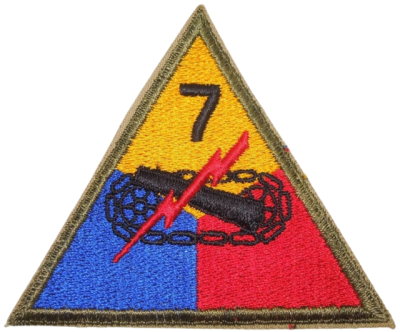
Photos of the memorial, the restoration of the Sherman in 2010 and the Battle of Overloon. Click a photo to see it full size.
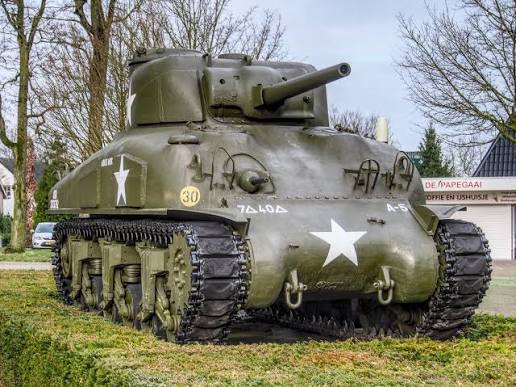
The memorial
Restoration January 2010
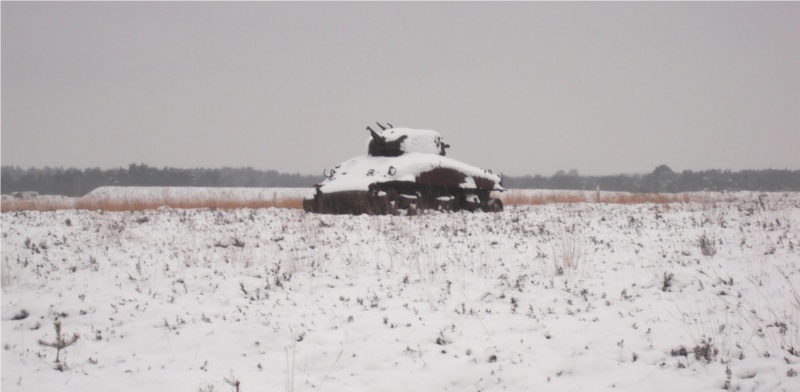
Restoration July 2010
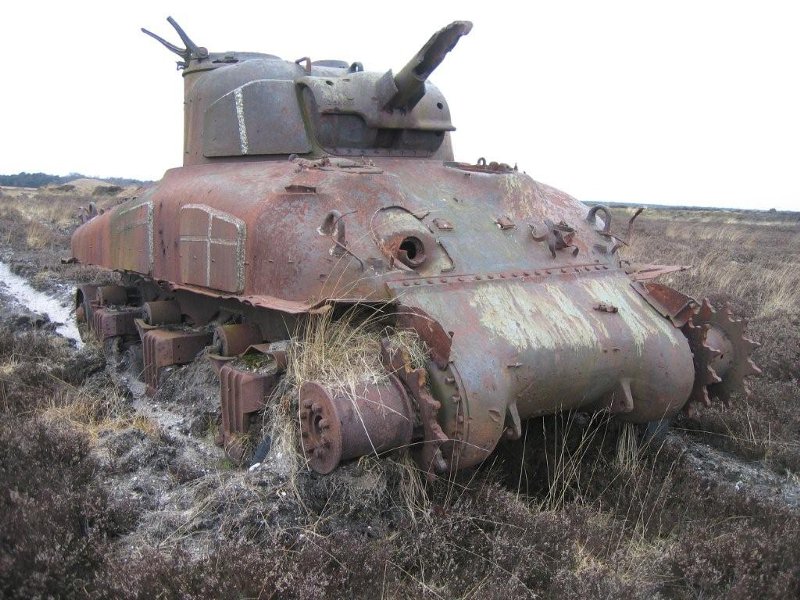
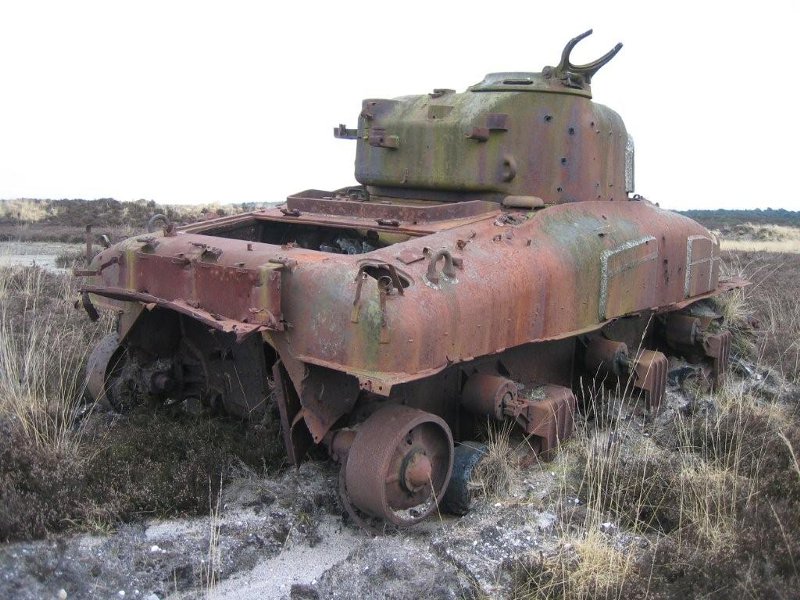
Restoration August 2010
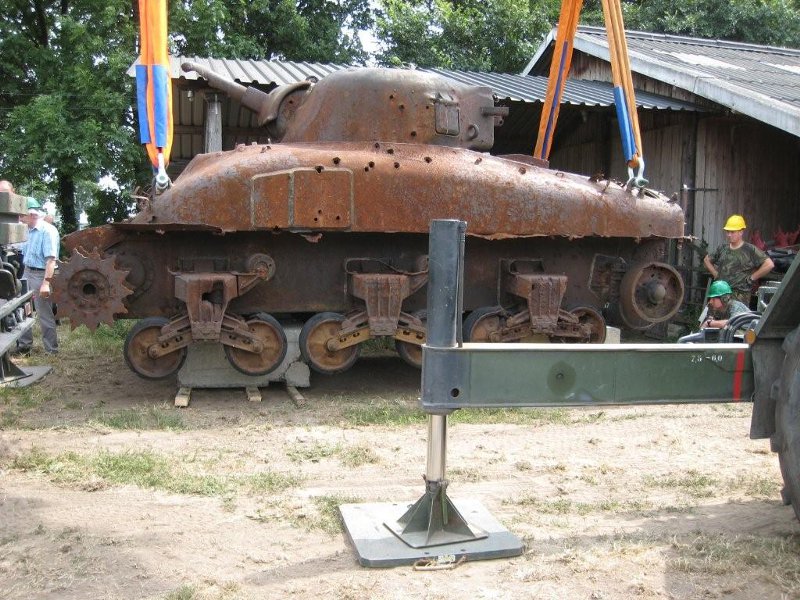
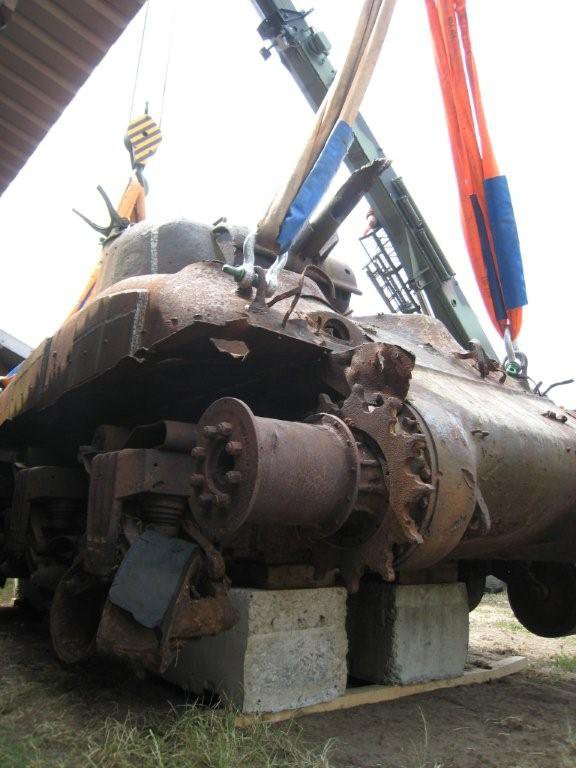
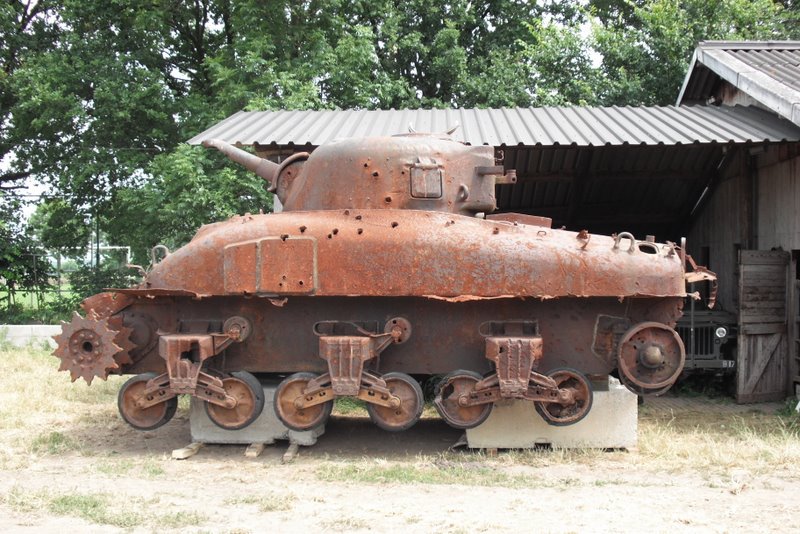
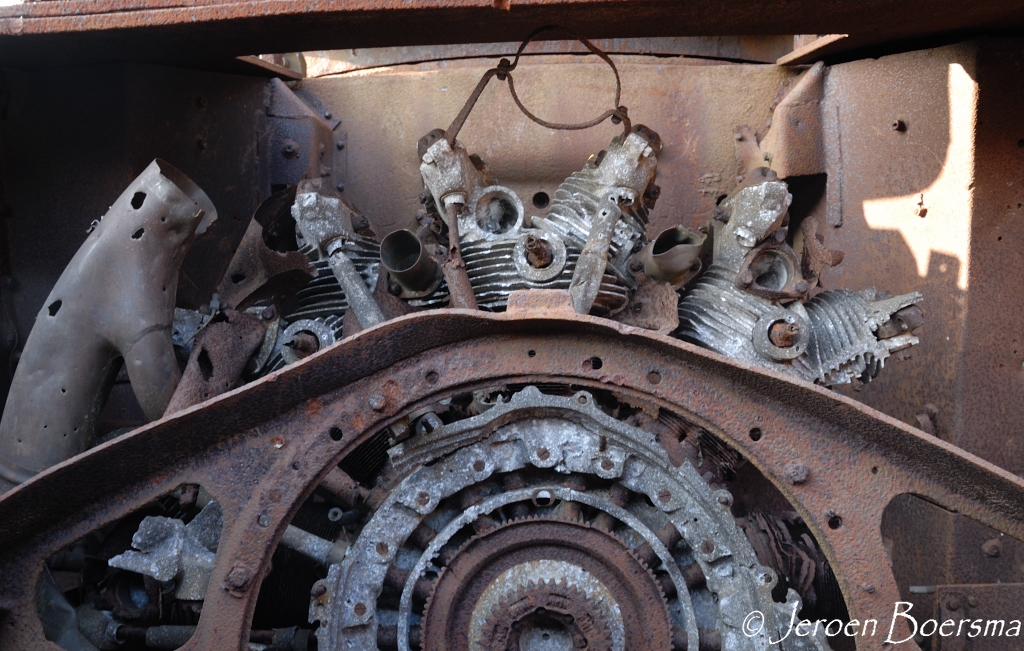
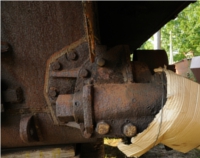
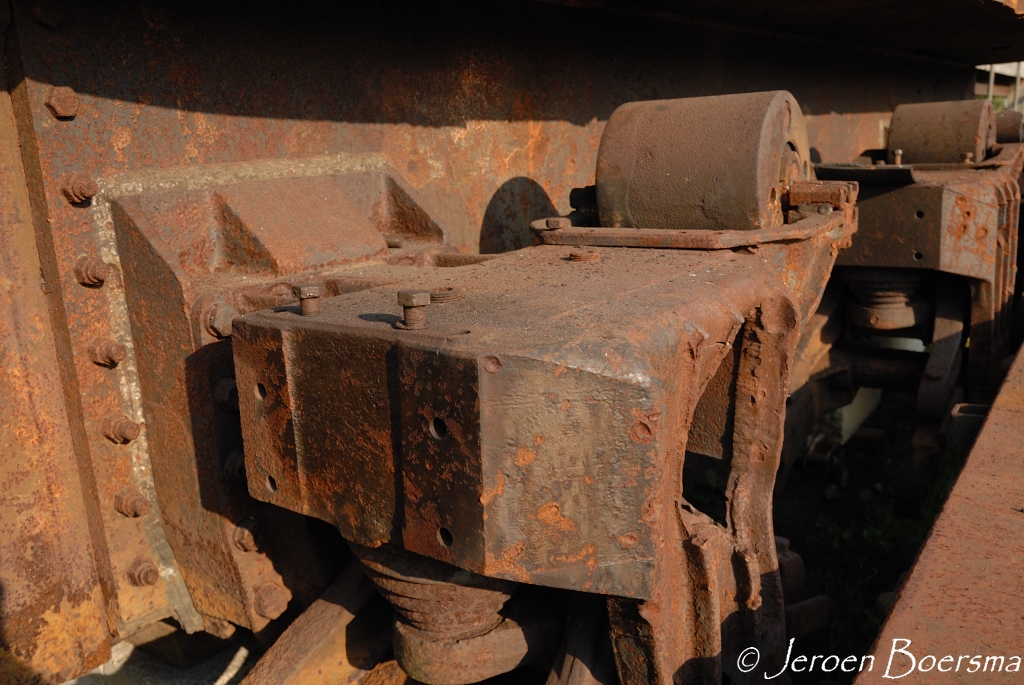
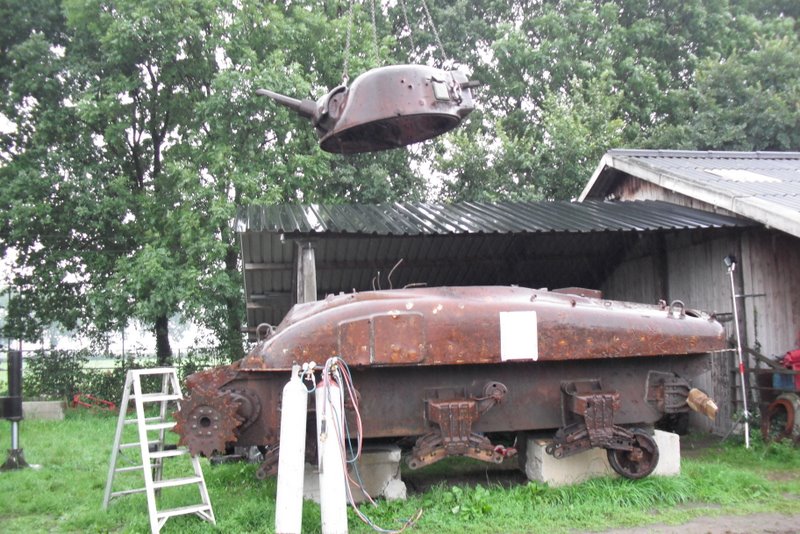
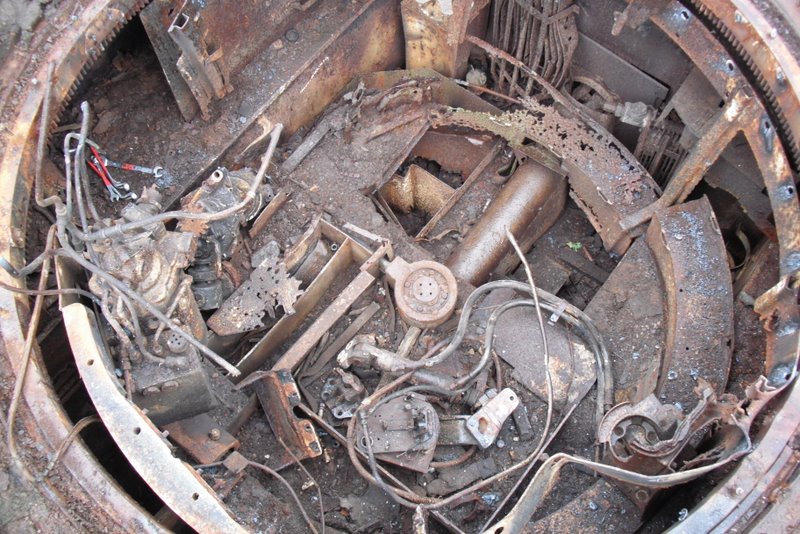
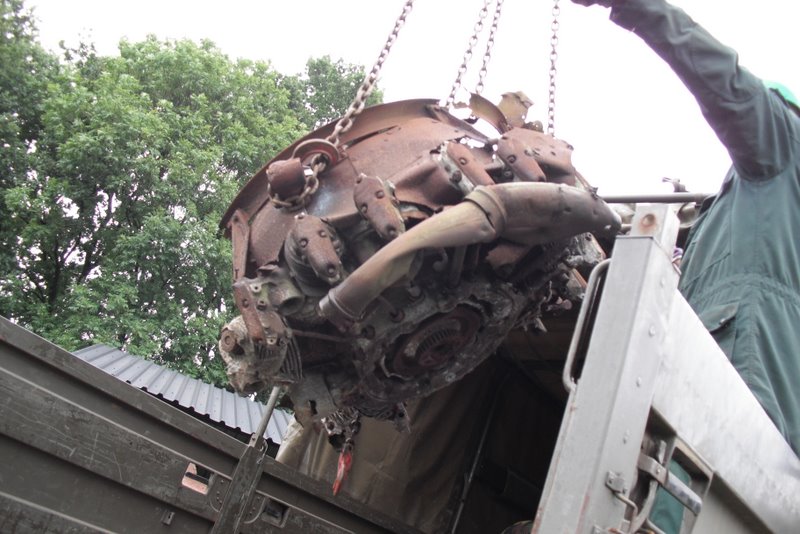
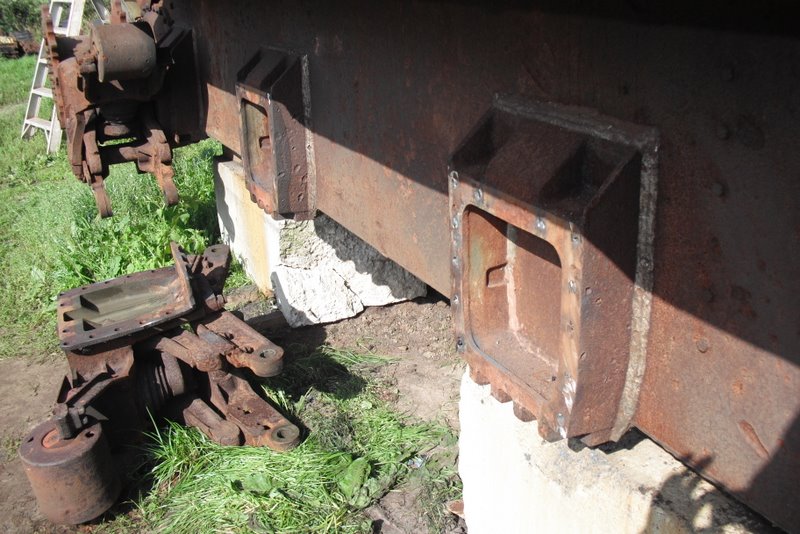
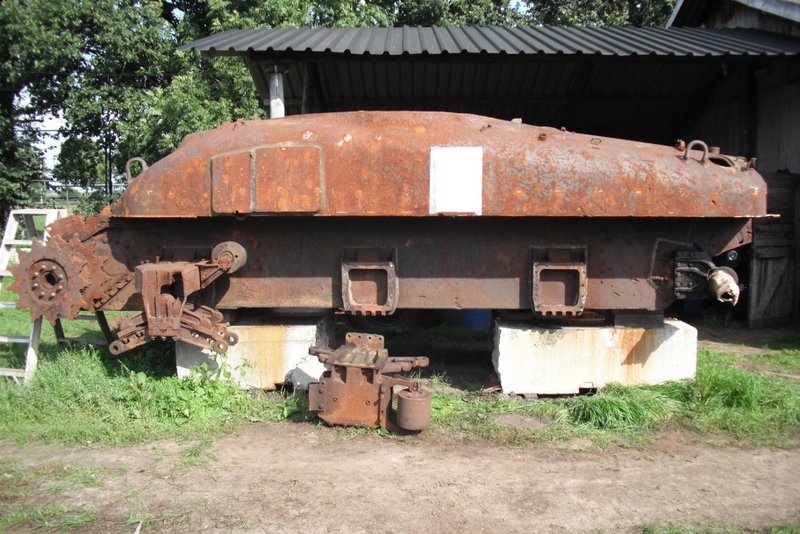
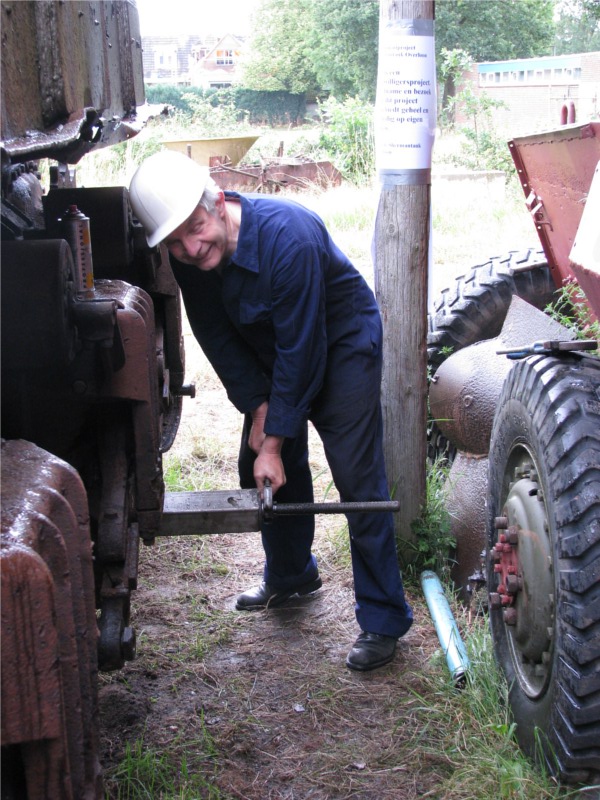
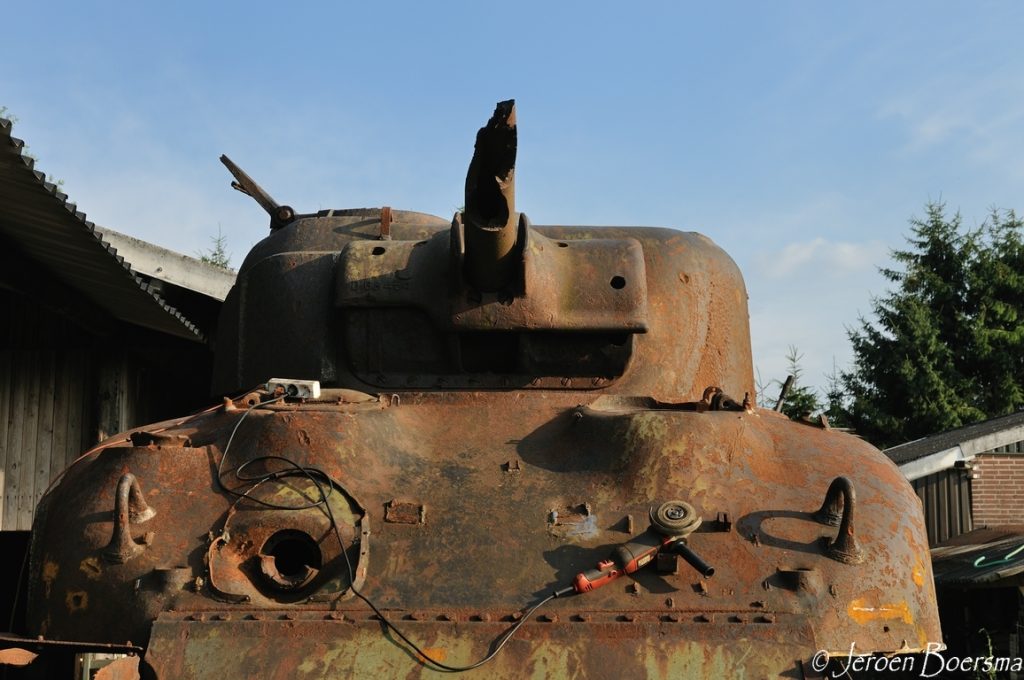
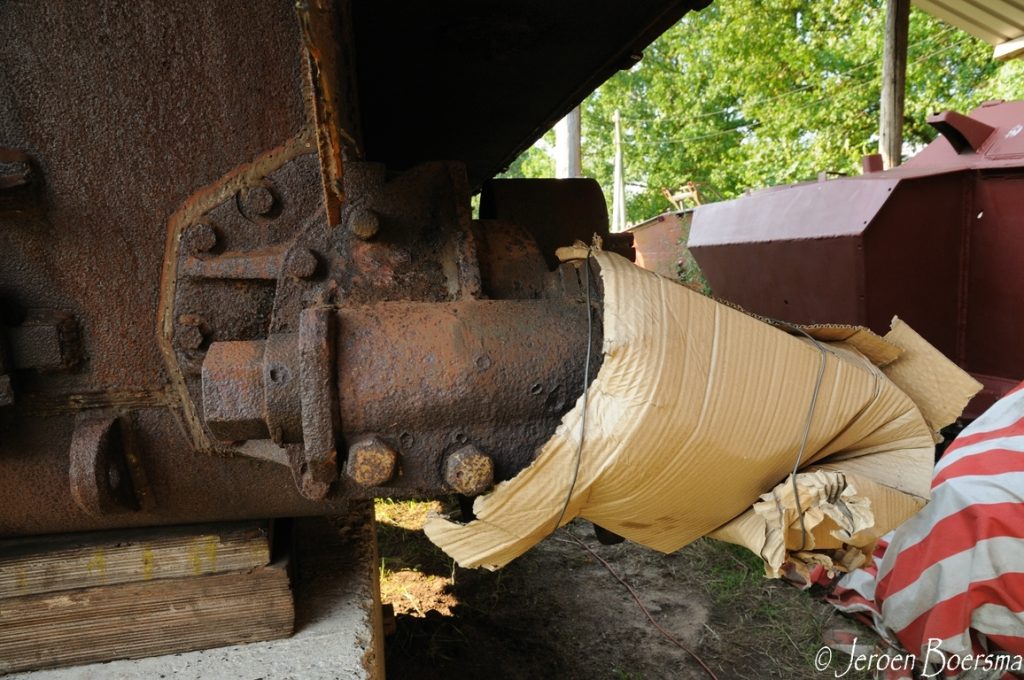
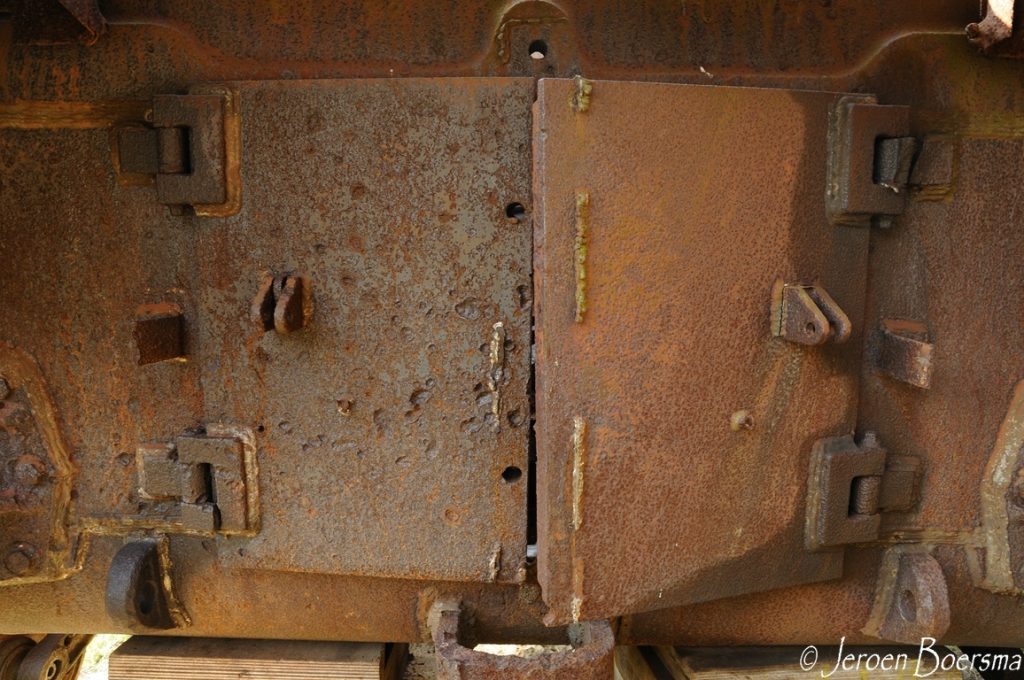
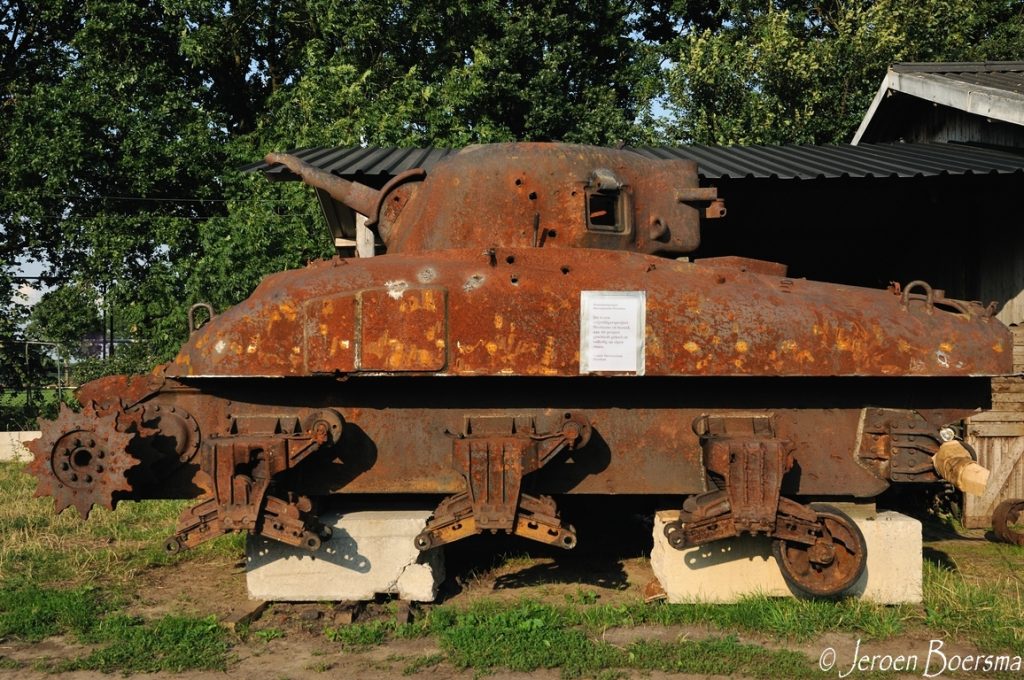
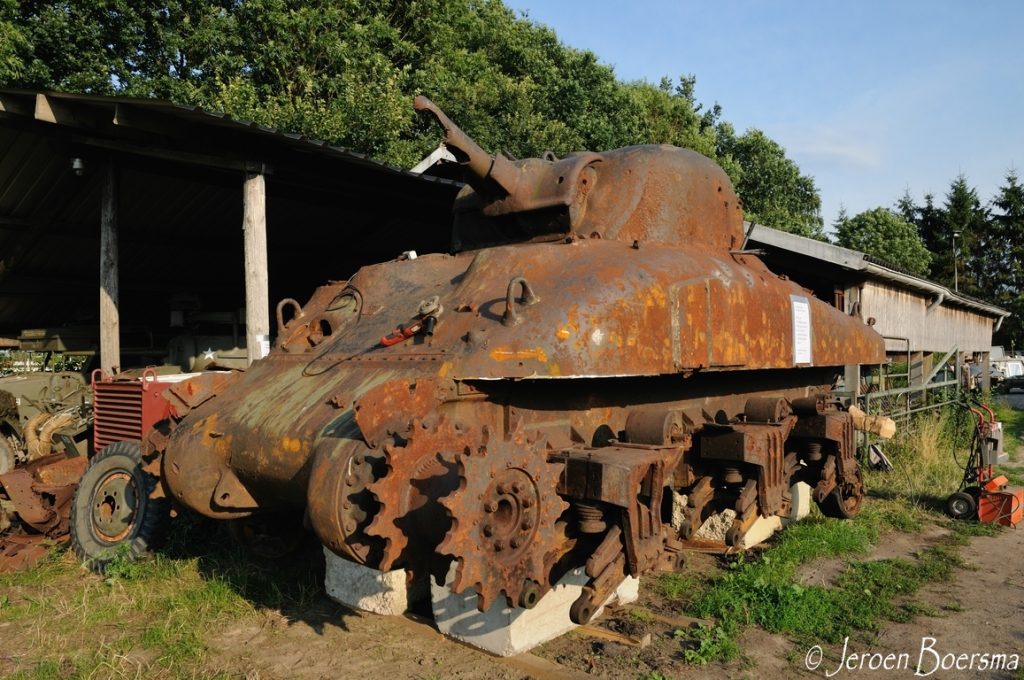
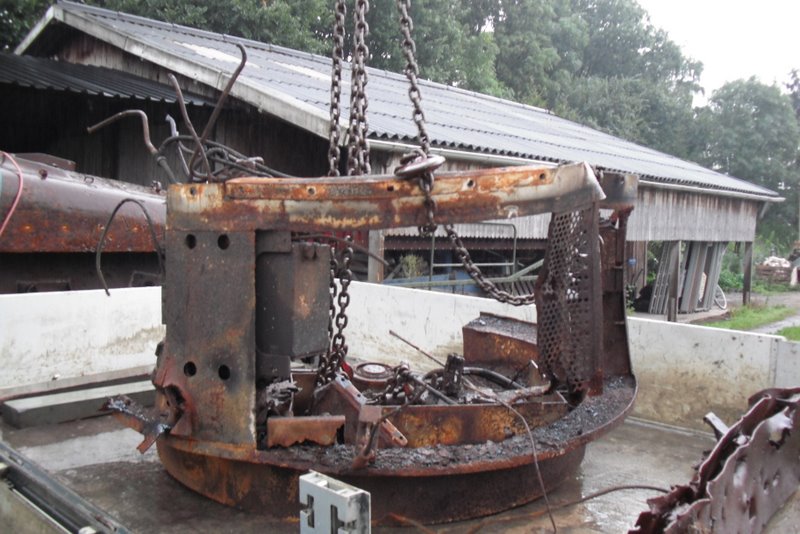
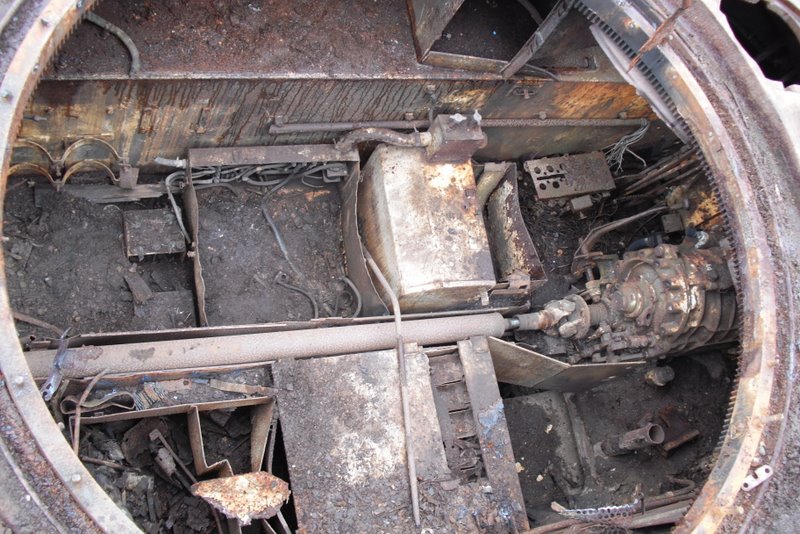
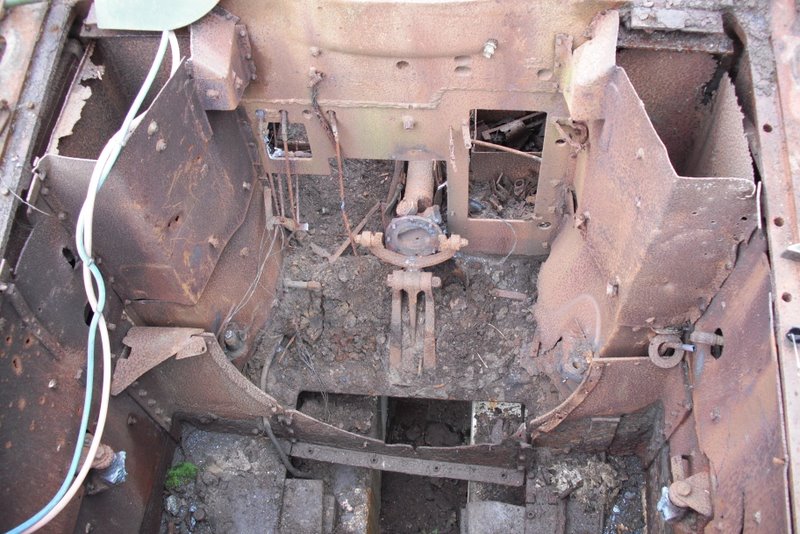
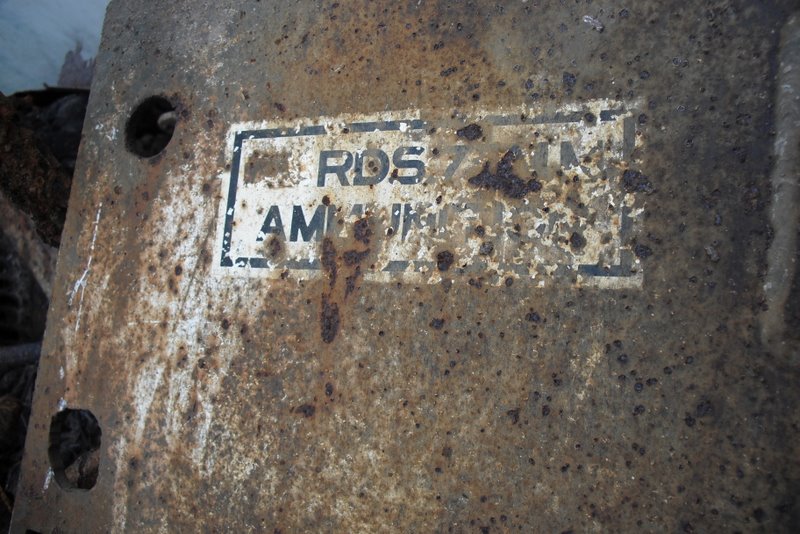
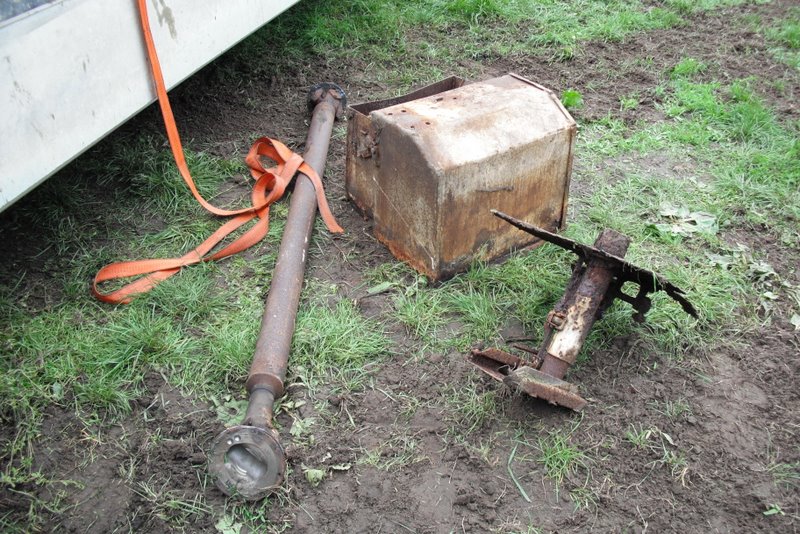
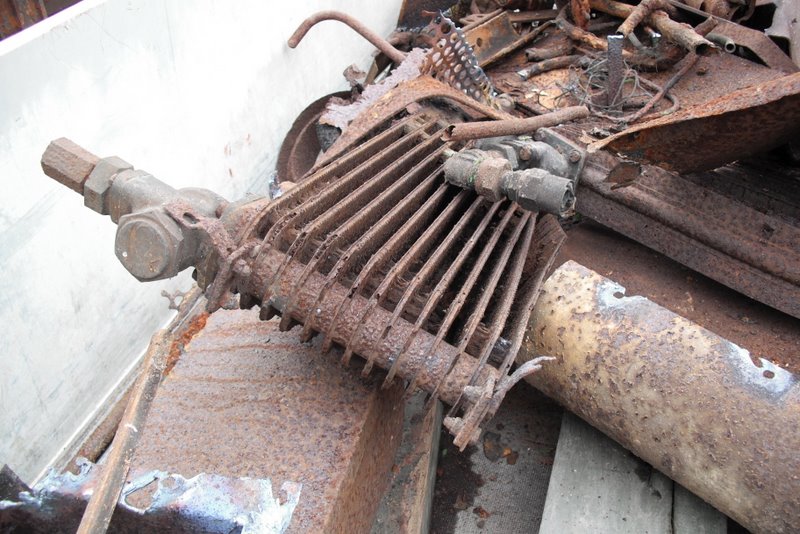
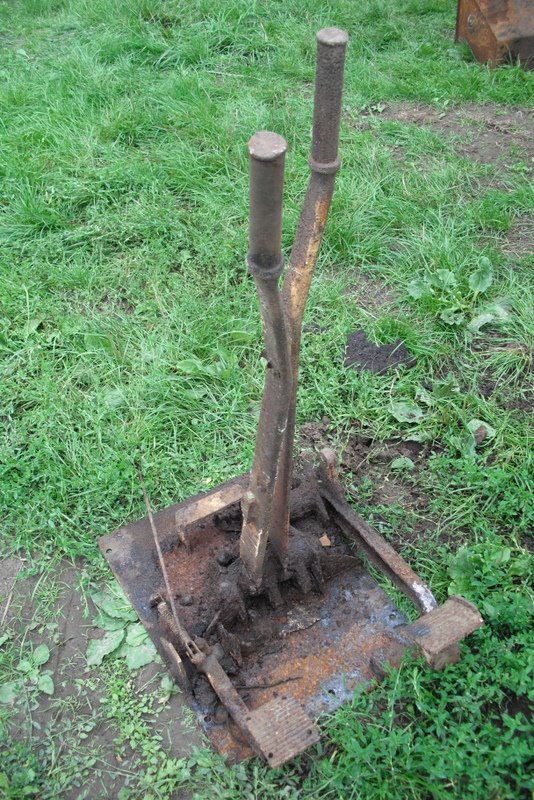
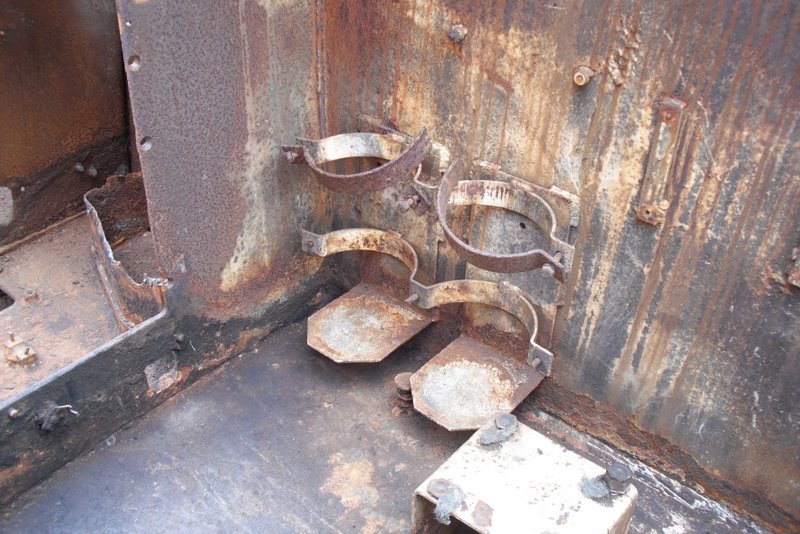
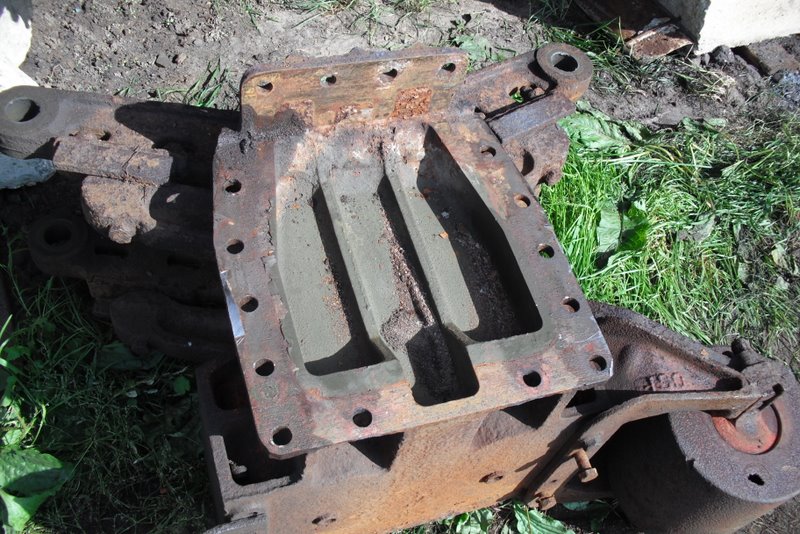
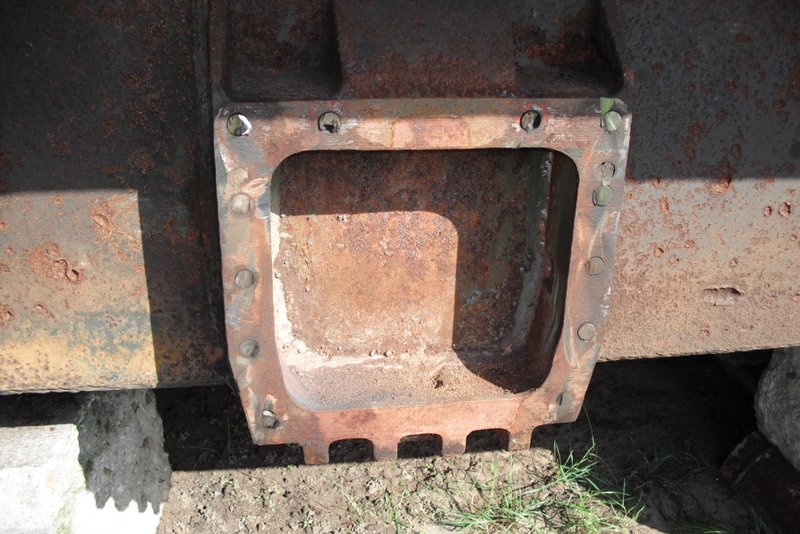
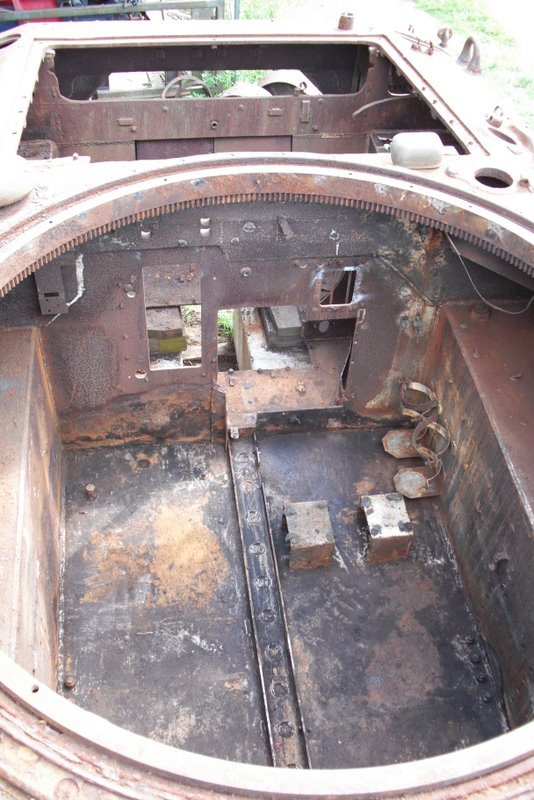
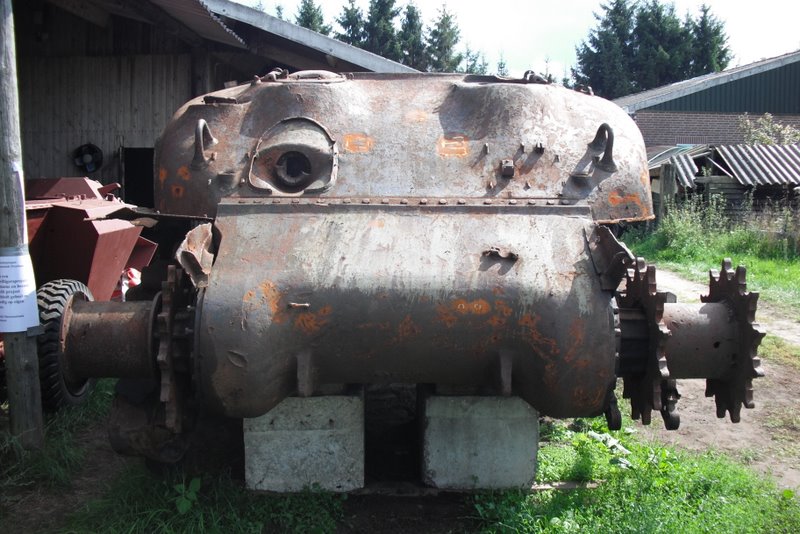
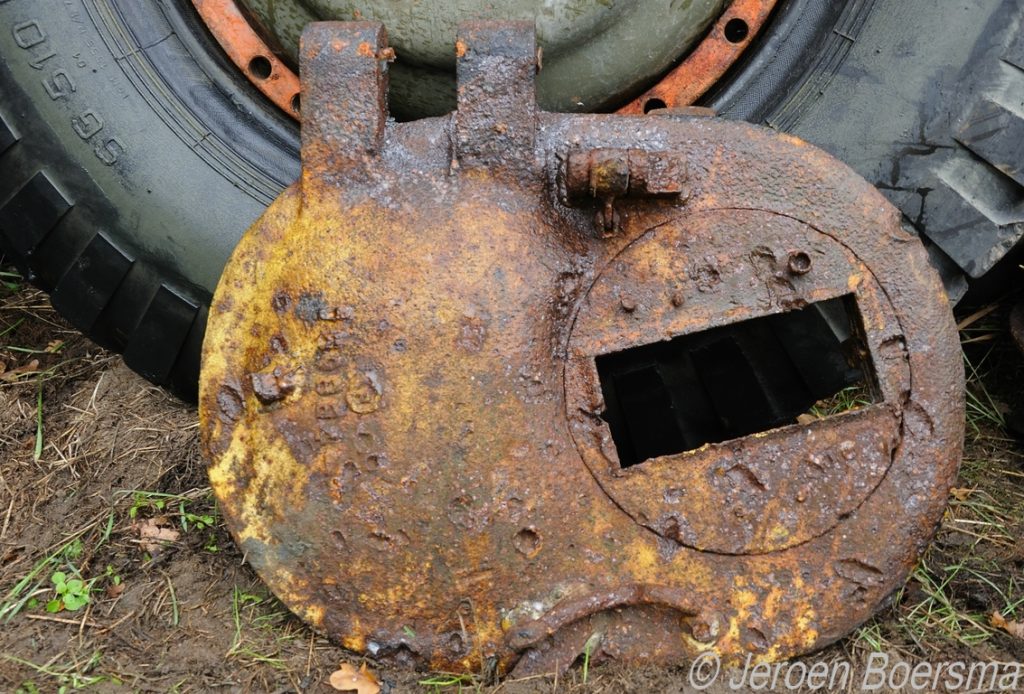
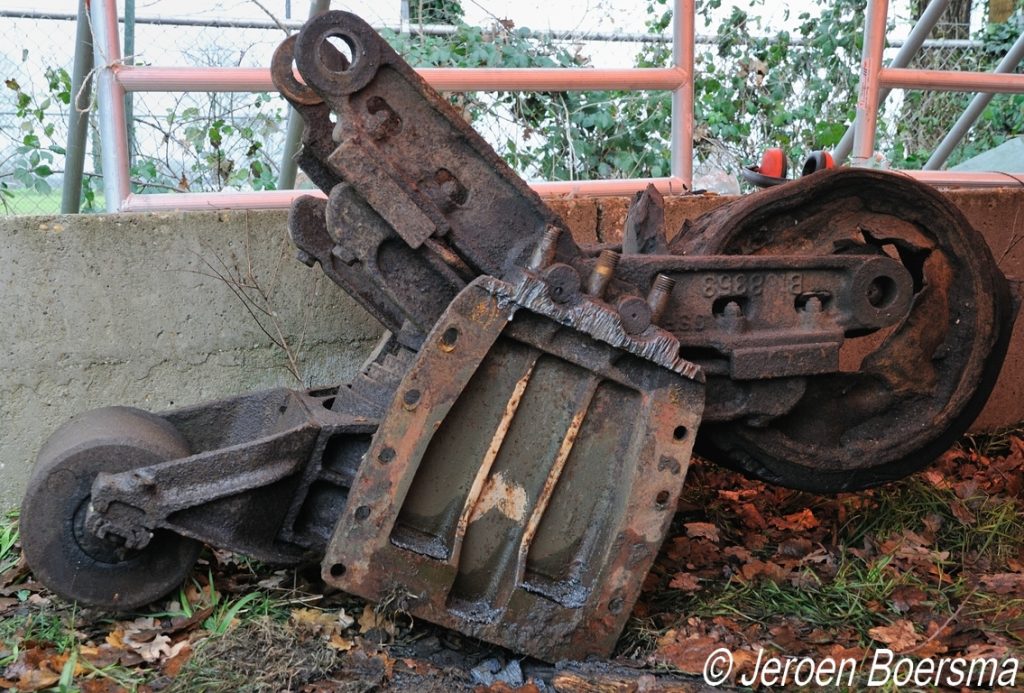
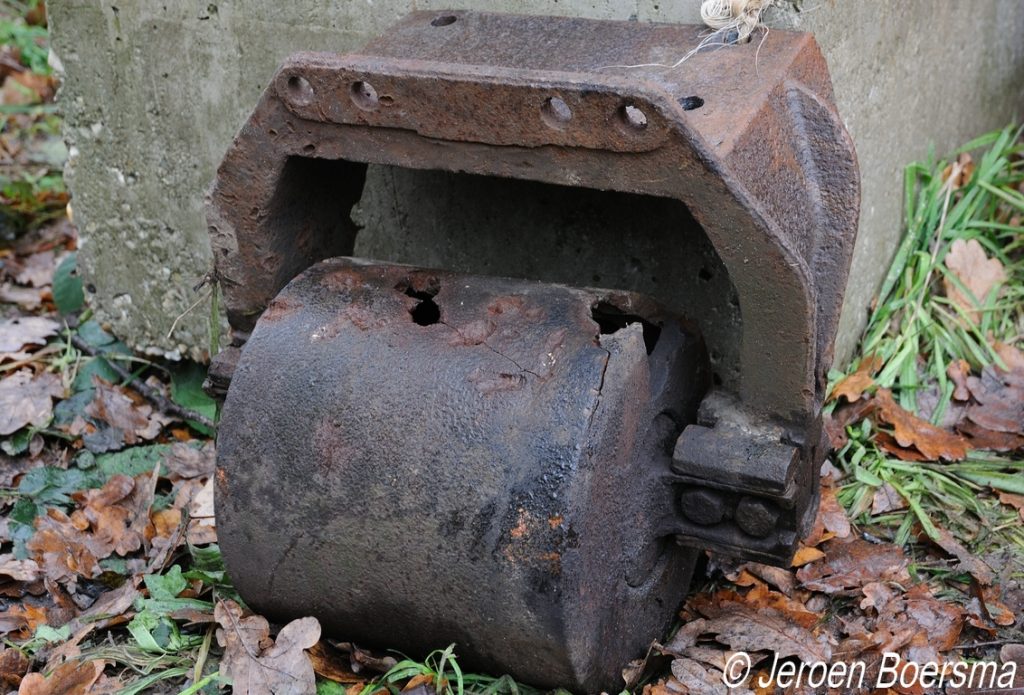
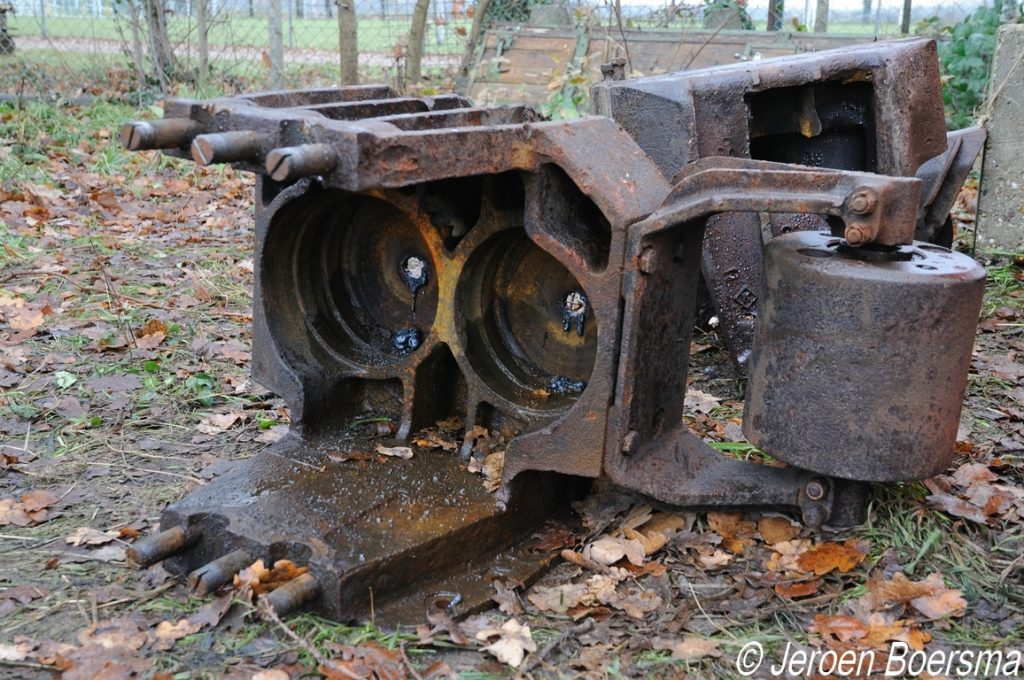
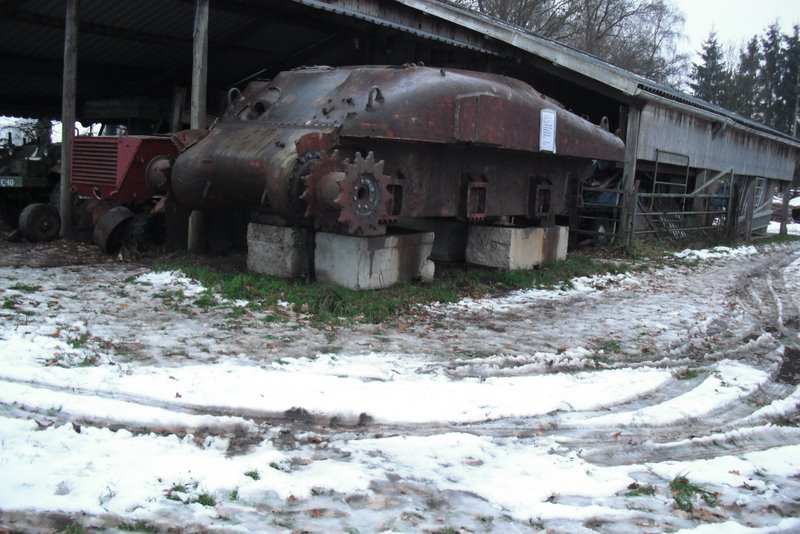
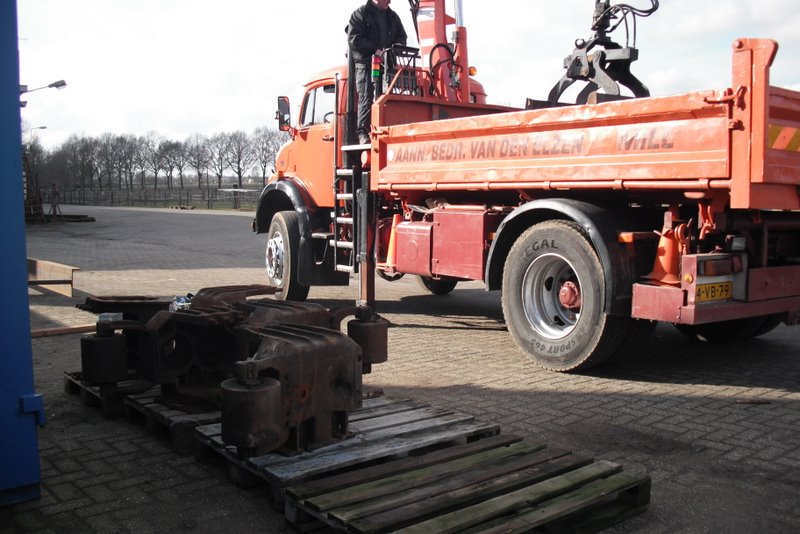
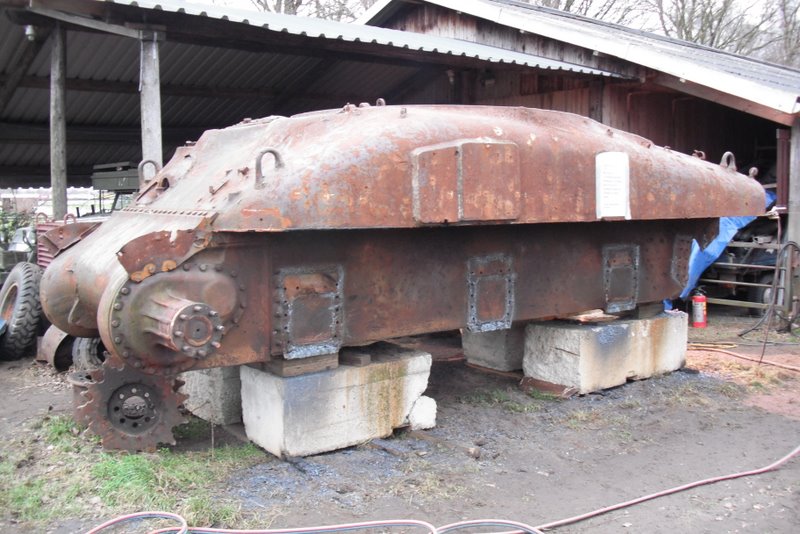
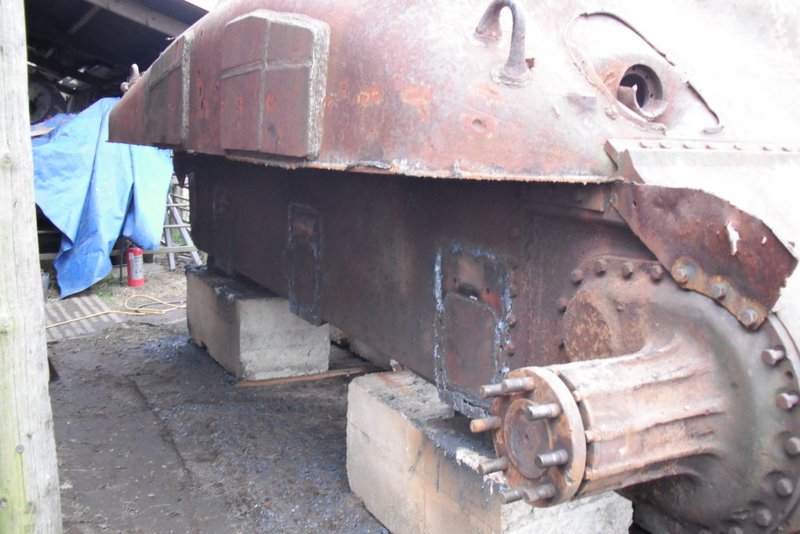
In August members of the Property- and Tradition Commission of the Royal Land Forces took the usable parts out of the tank. The quality of the interior still present was bad. Several hits during its time at the shooting range caused severe damage to the interior. Most interior parts will be used for reproduction purposes. In the photos the turret basket and the steering levers can be seen. The 9-cylinder engine block was also of poor quality. But the Property- and Tradition Commission of the Royal Land Forces took the block with them to see if some interior parts, like the crankshaft, would be usable for conservation and re-use. We also started to remove the wheels and bogie sets. In the photo one can see the extensions/wideners which are welded to the hull of the tank. These blocks will be removed in order to go back to the right configuration.
Restoration September 2010
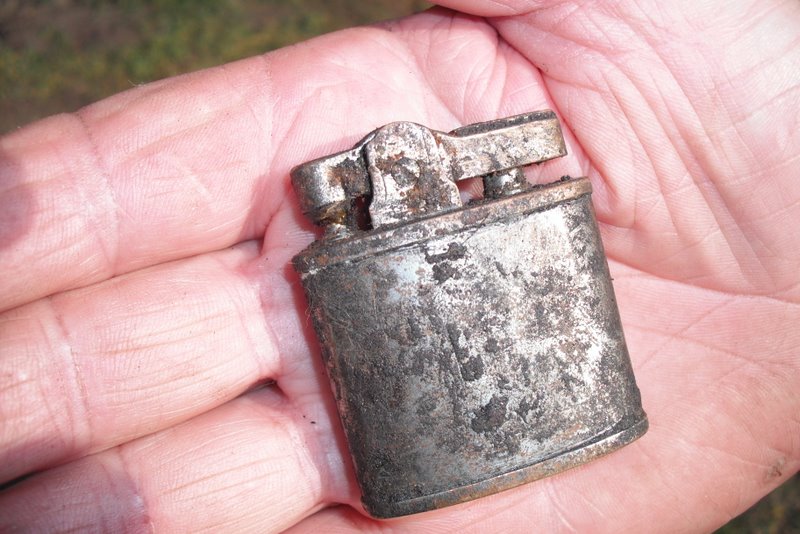
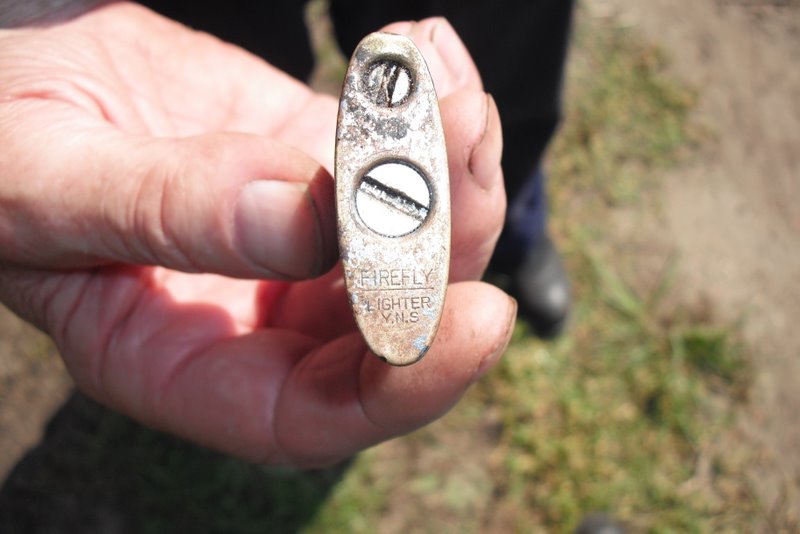
In the meantime we removed 10 full wheelbarrows of sand from the tank. In the sand we discovered an old lighter with the text “Firefly lighter”. A lighter which dates from the fifties. Since the tank entered service with the Dutch army in the fifties, the lighter probably belonged to a Dutch soldier. The fact that the tank crews were not able to get out of their small tank in case of emergencies led to nicknames of this tank. The Americans called him the “Ronson lighter” (after a known lighter brand of that time). The British forces, who also used the Sherman tank, called him “Tommy cooker”.
We were also informed about the story that our Sherman had been standing as an eye catcher near the military barrack complex in Stroe before the tank was moved to the shooting range. We haven’t found proof for this story. If there is anyone who can prove this story with photos, then we would like to be informed a.s.a.p.
Restoration October 2010
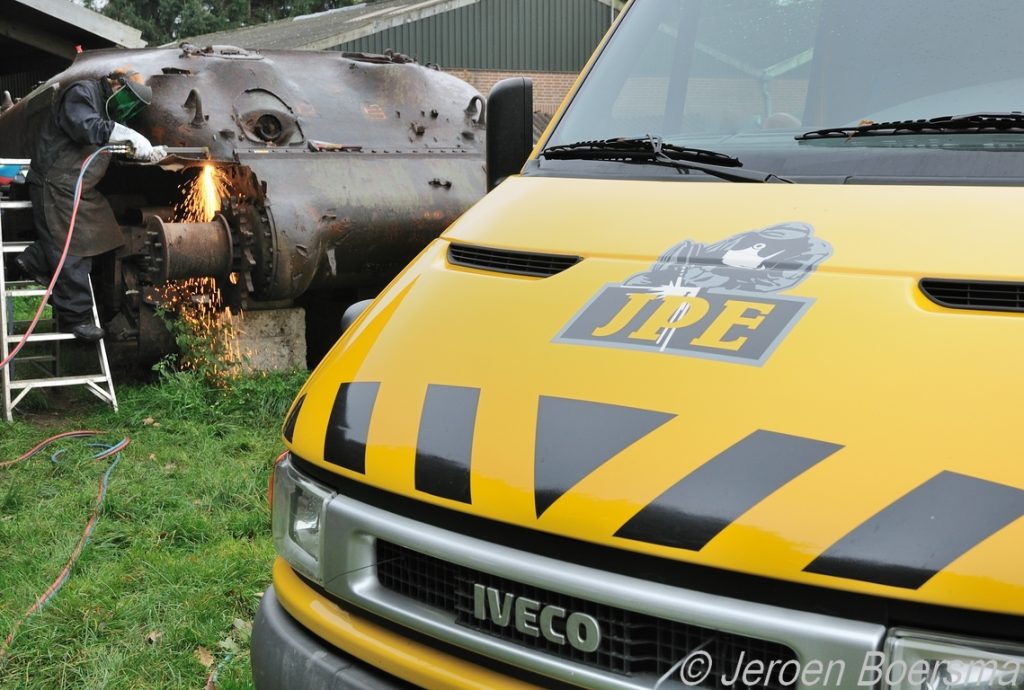
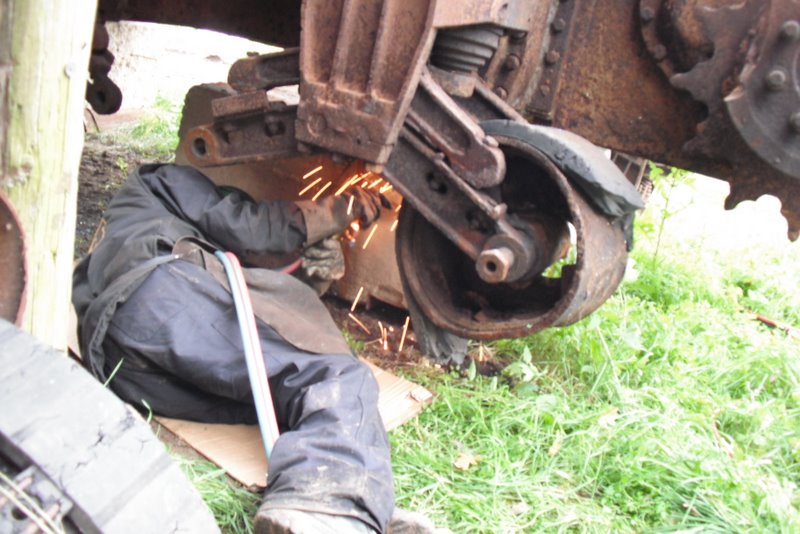
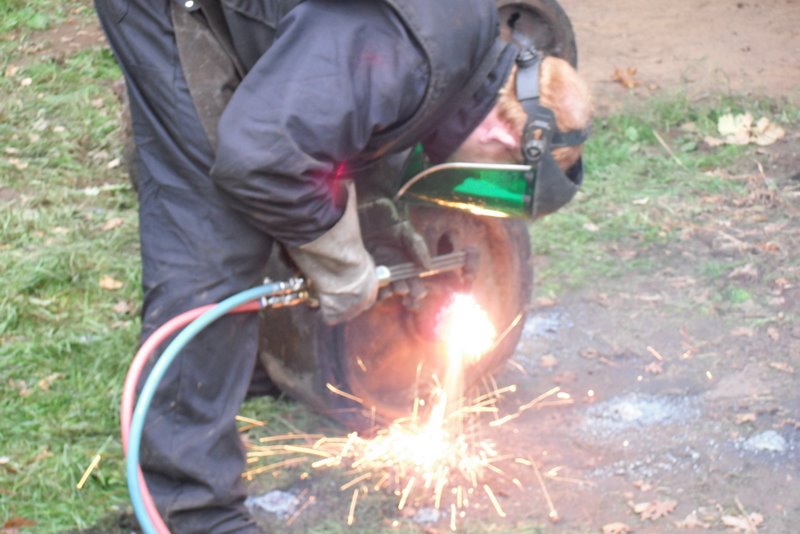
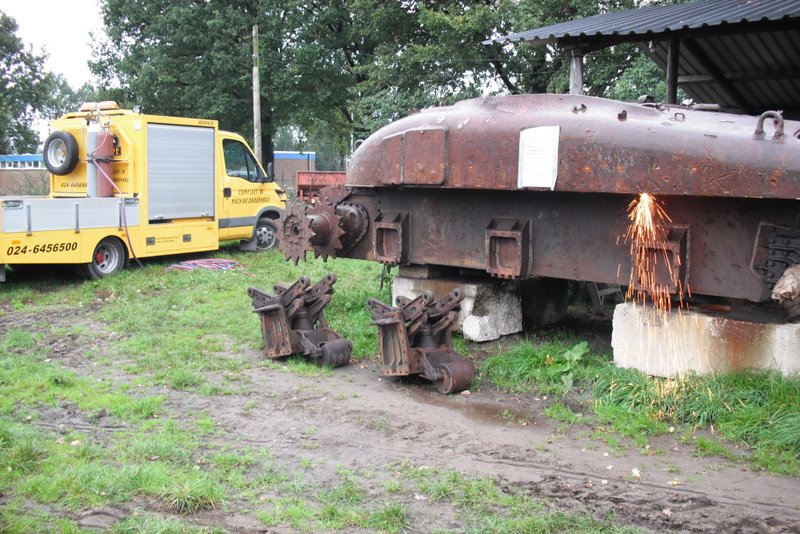
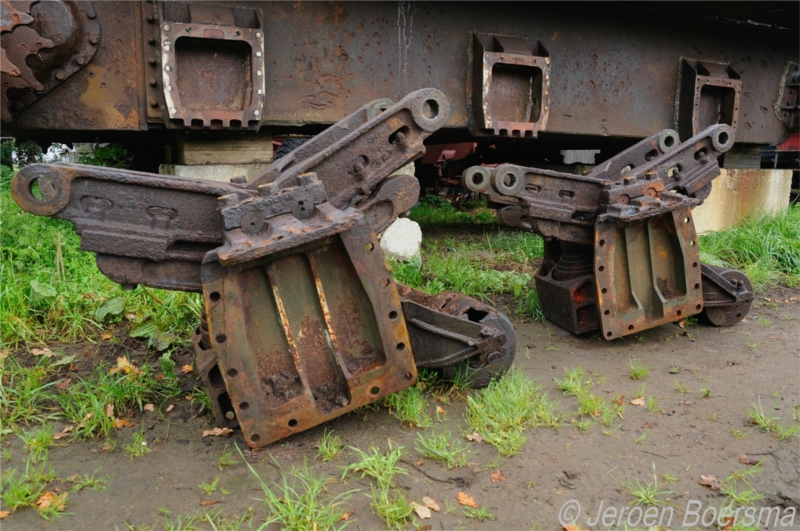
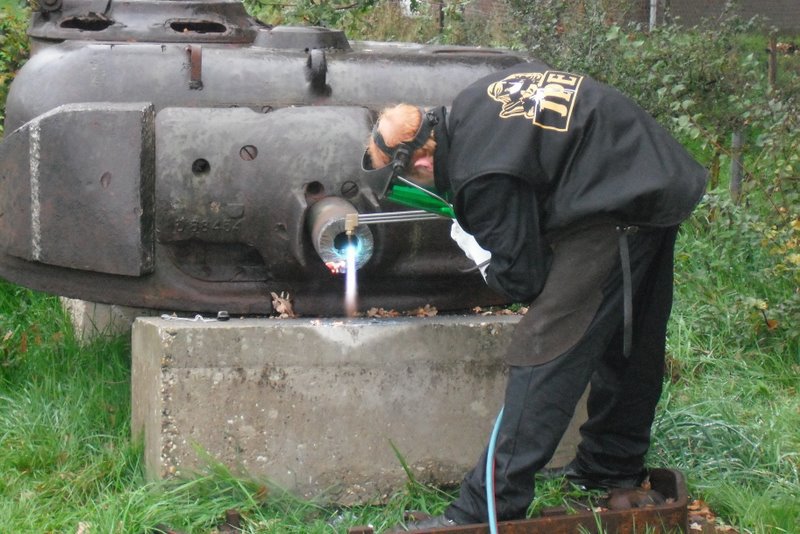
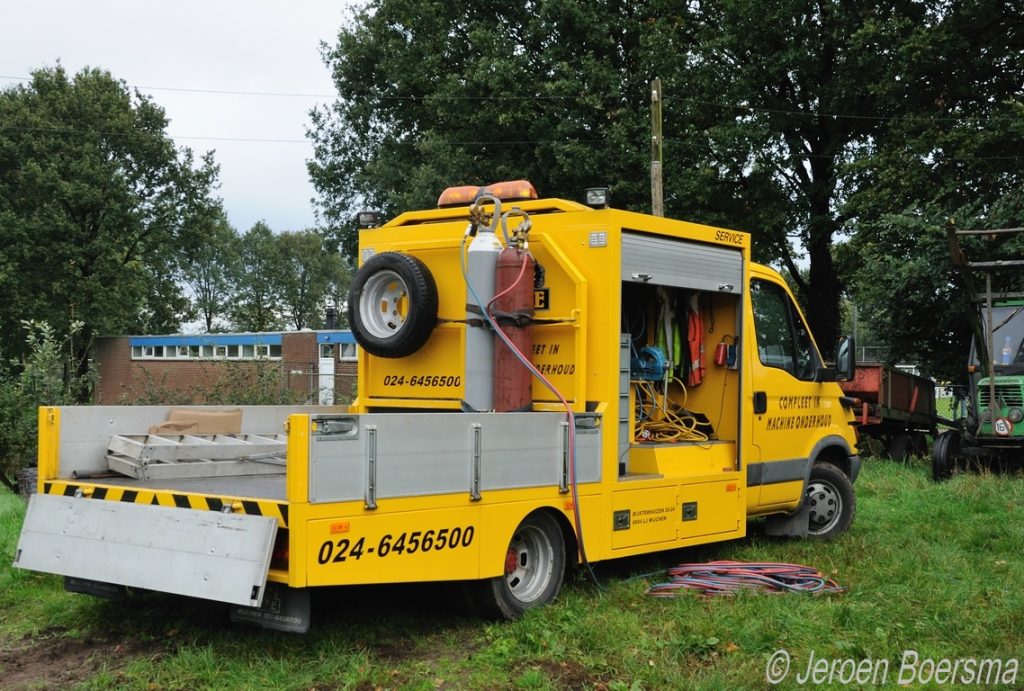
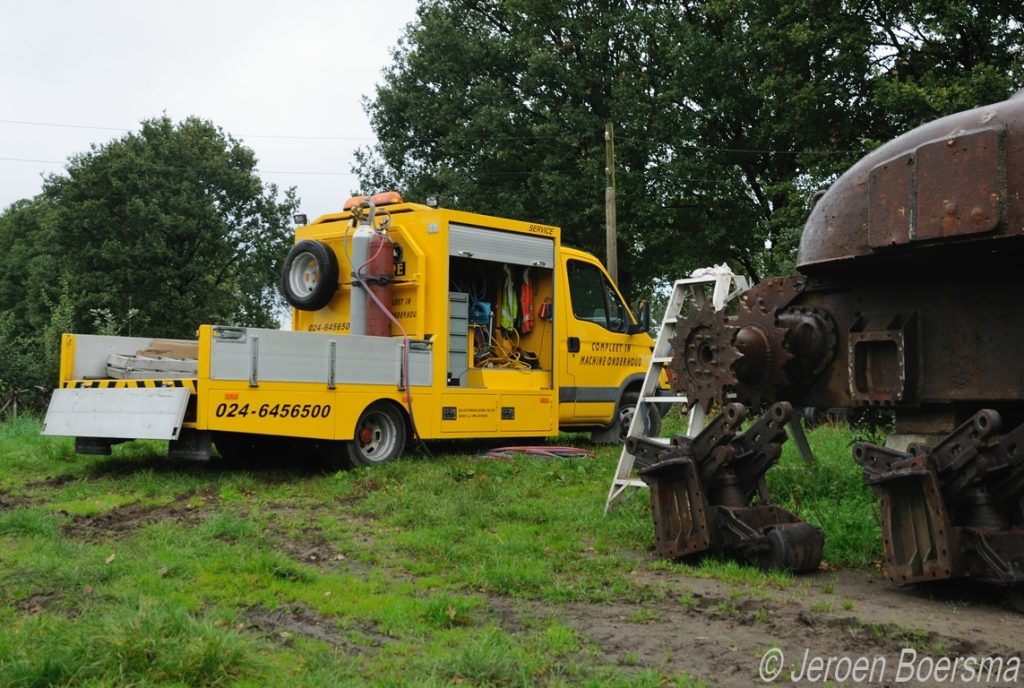
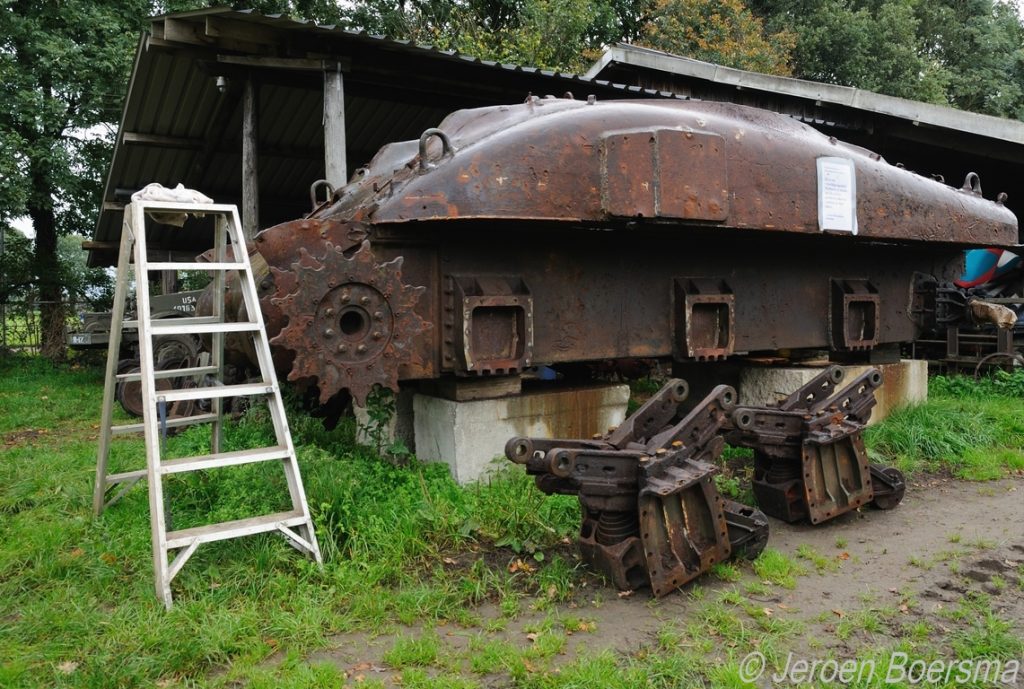
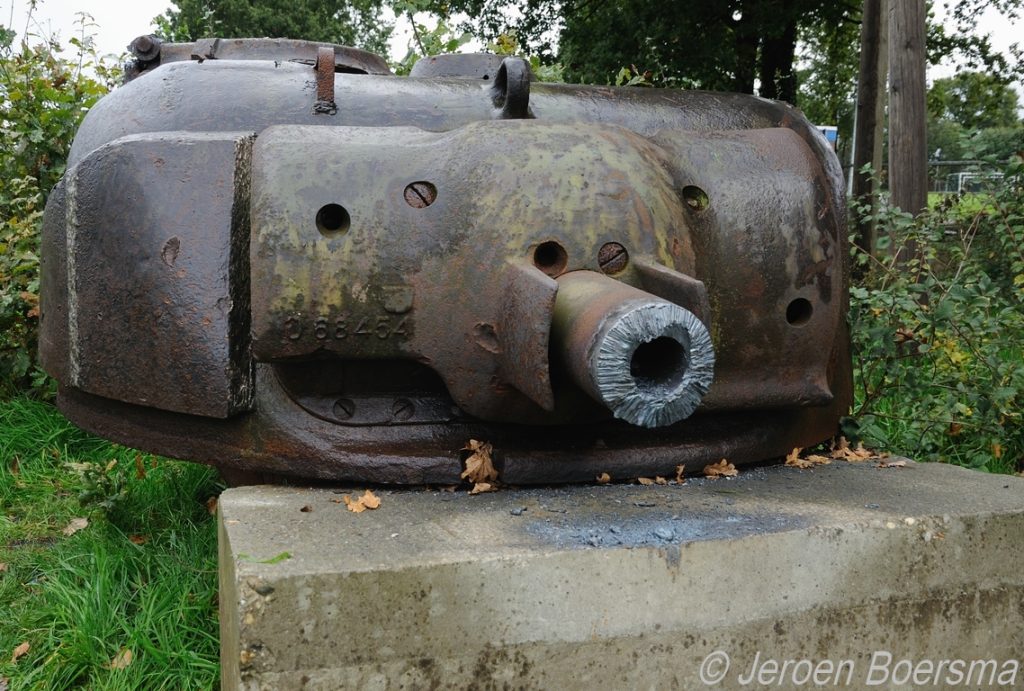
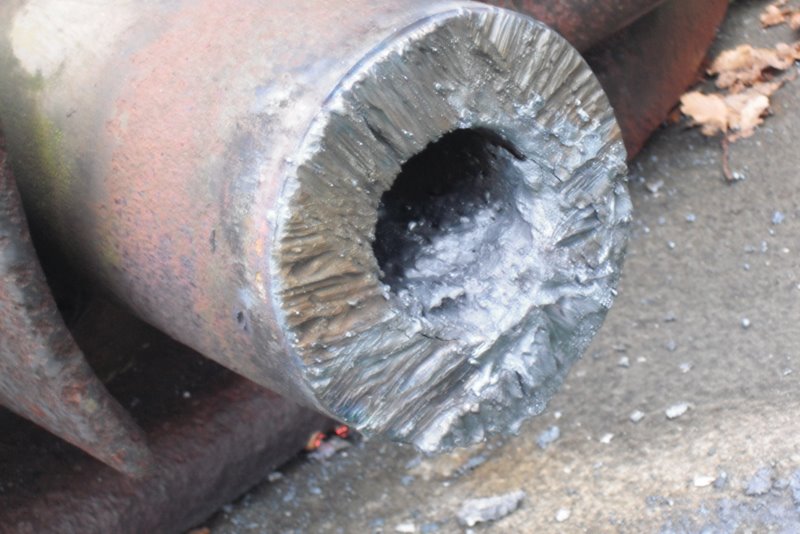
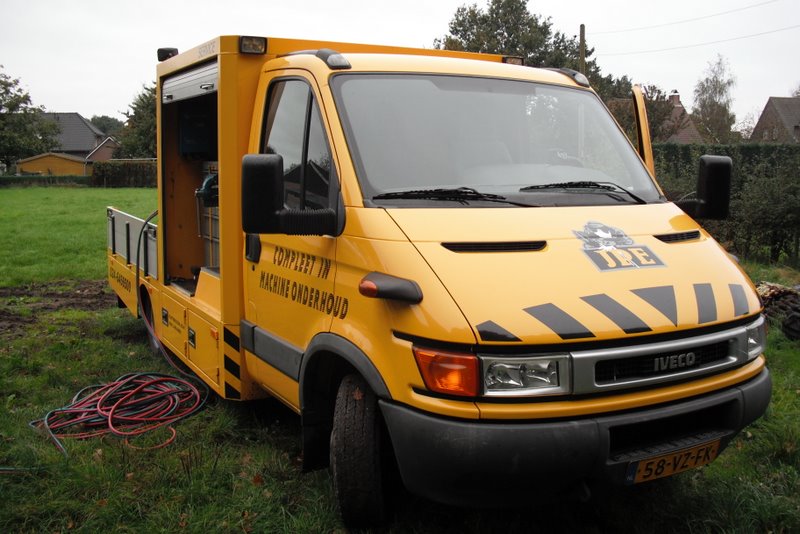
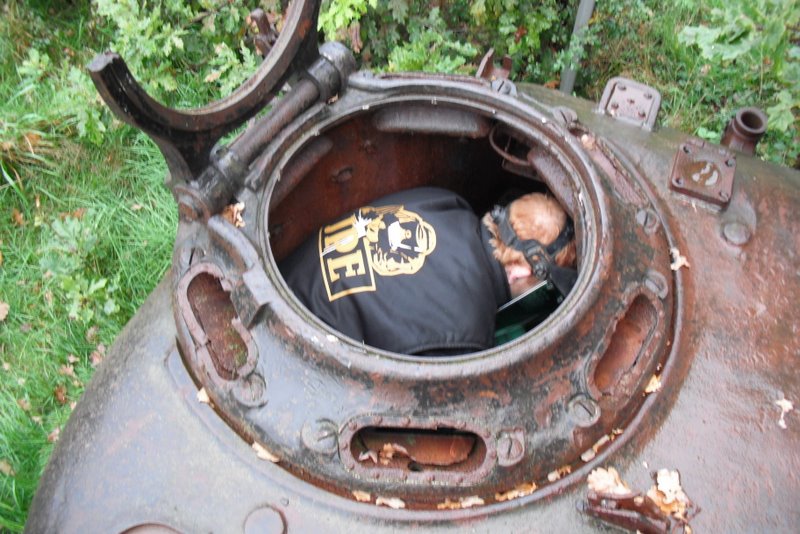
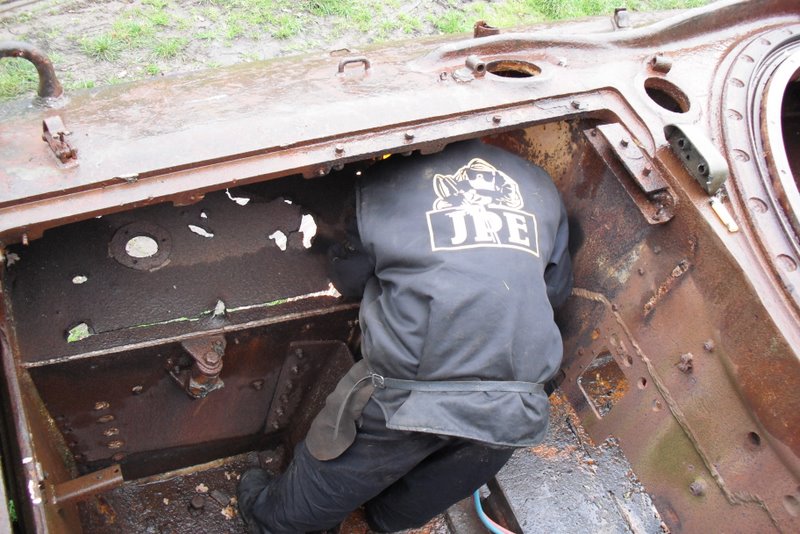
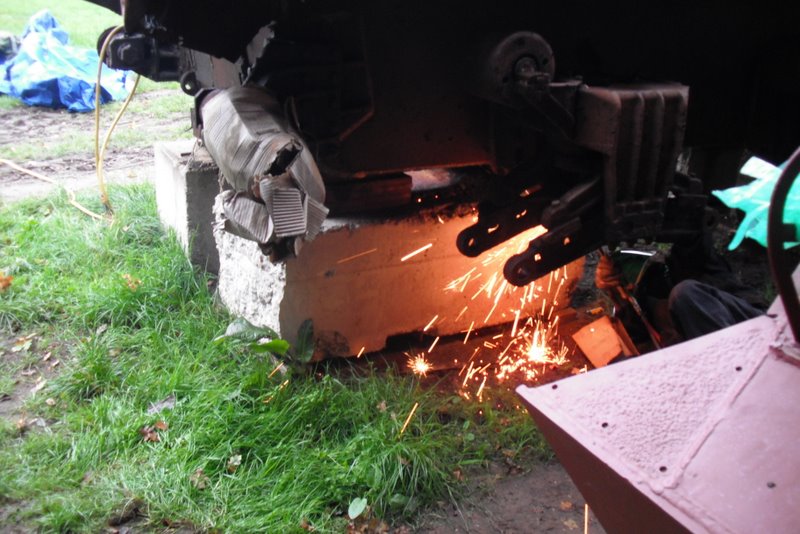
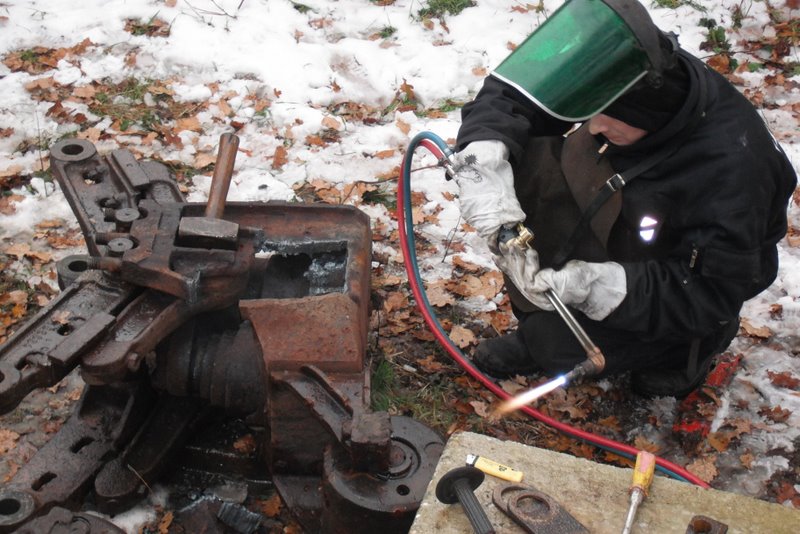
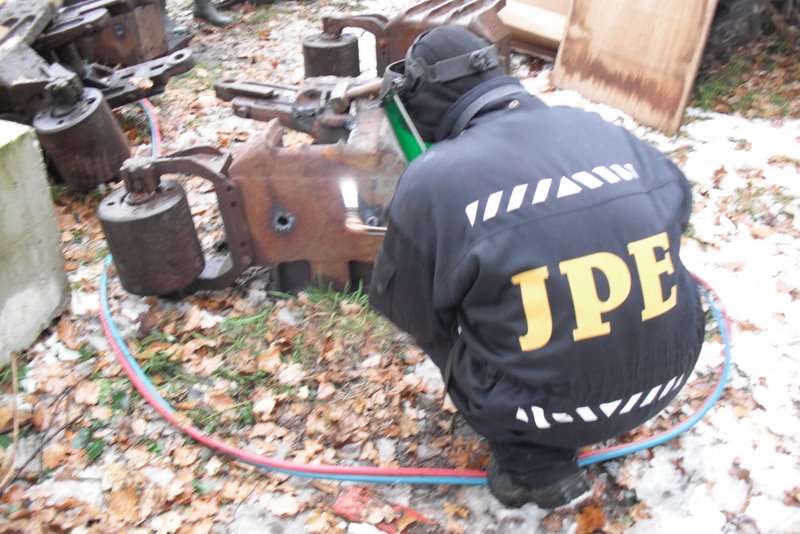
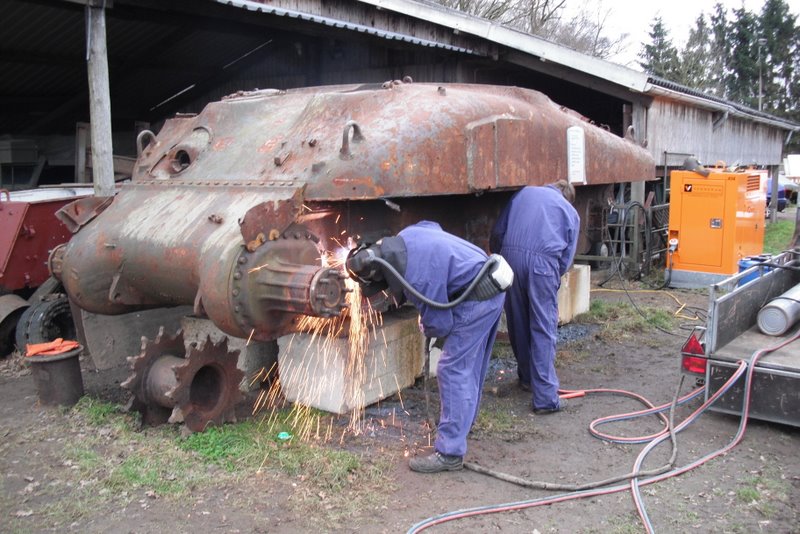
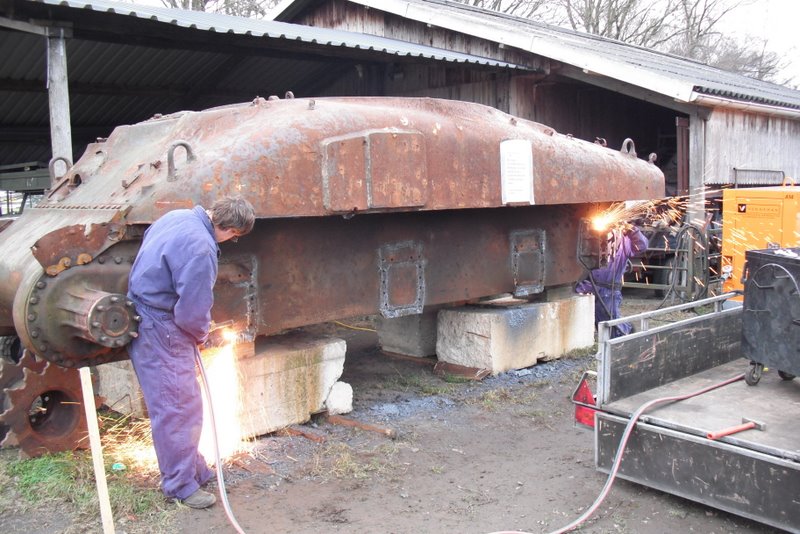
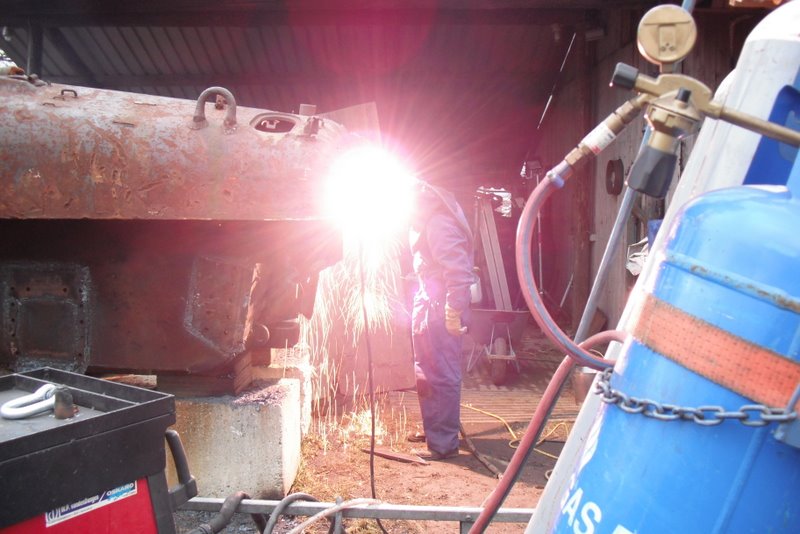
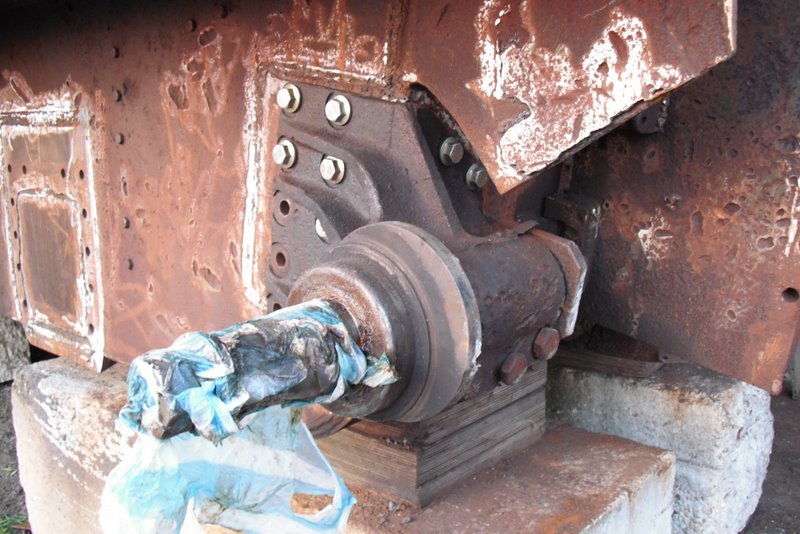
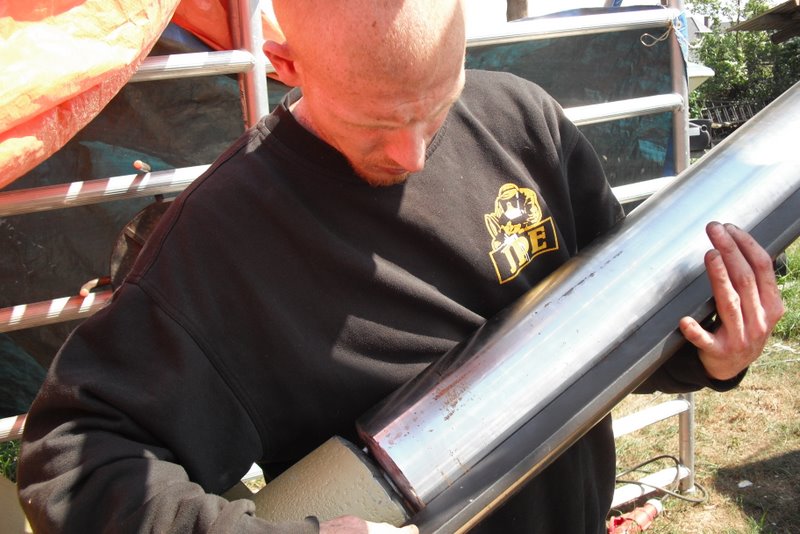
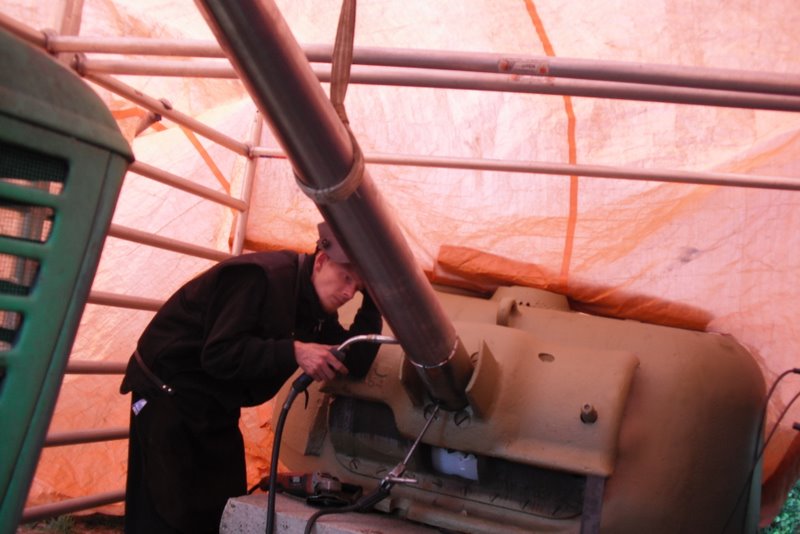
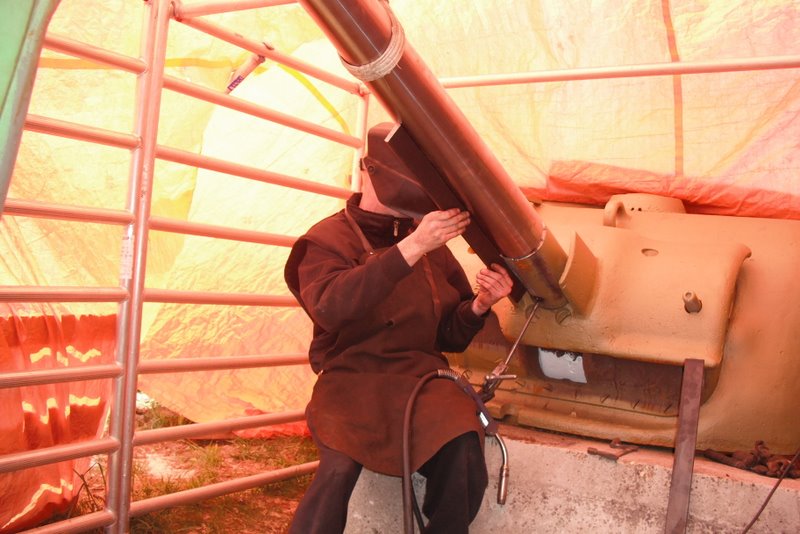
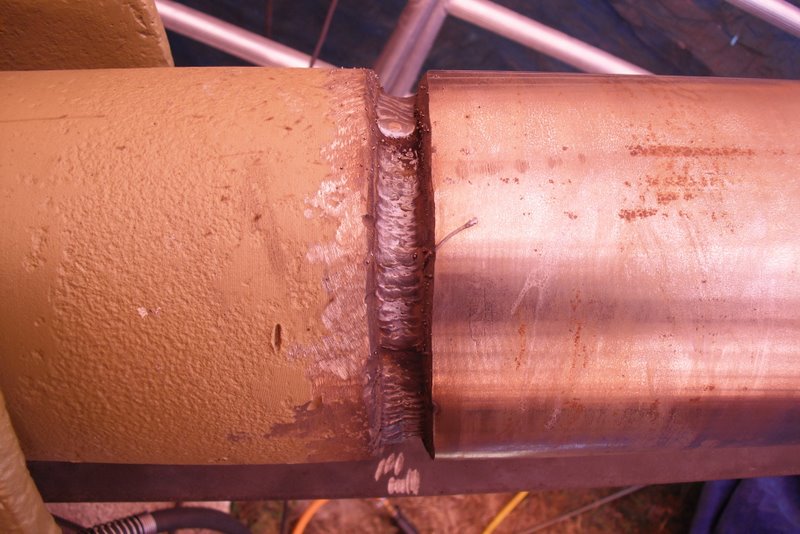
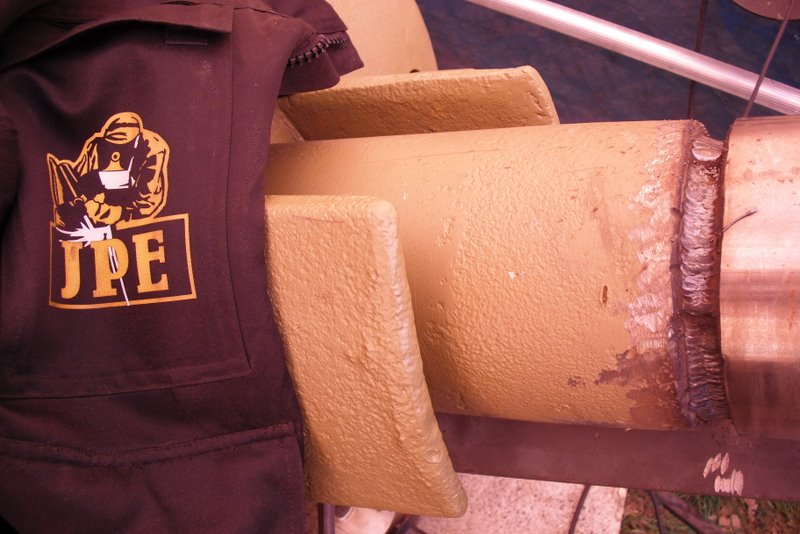
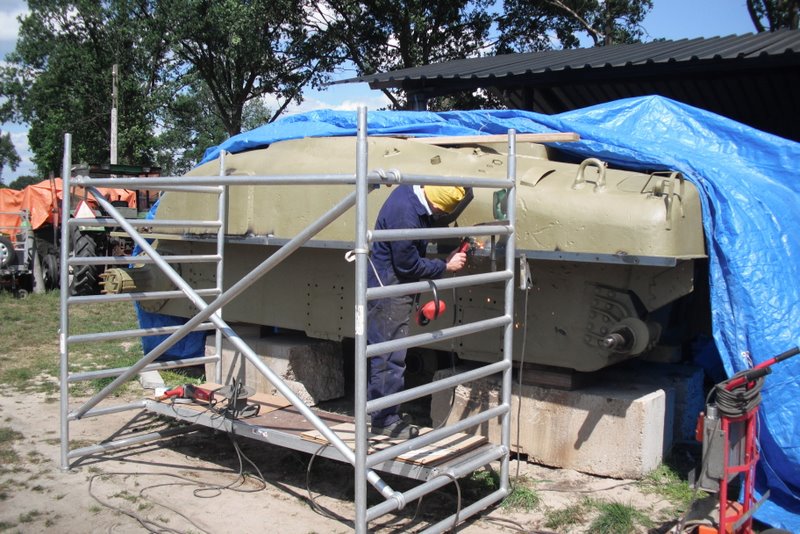
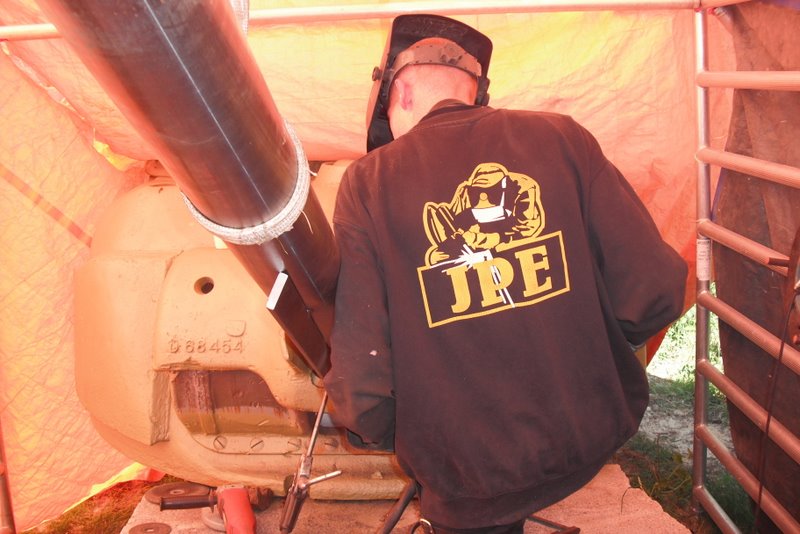
In October we got help from JPE in Wijchen, a company specialized in total machine maintenance (www.jpe-wijchen.nl). Employee Sander has been delivering quite a lot of cutting work so far. For example he cut off the remaining part of the gun barrel of the cannon, now the new part (still to be produced) can be welded easily. He also removed steel plate parts which were damaged by explosions. Plates on which the fuel tanks were situated. Also many bolt heads and nuts were removed with a cutting torch and he has been working on the wheel nuts. Now it won’t take long before all bogie sets will be removed and all expansions/wideners will be visible. Then we can start to remove these blocks.
Restoration November 2010
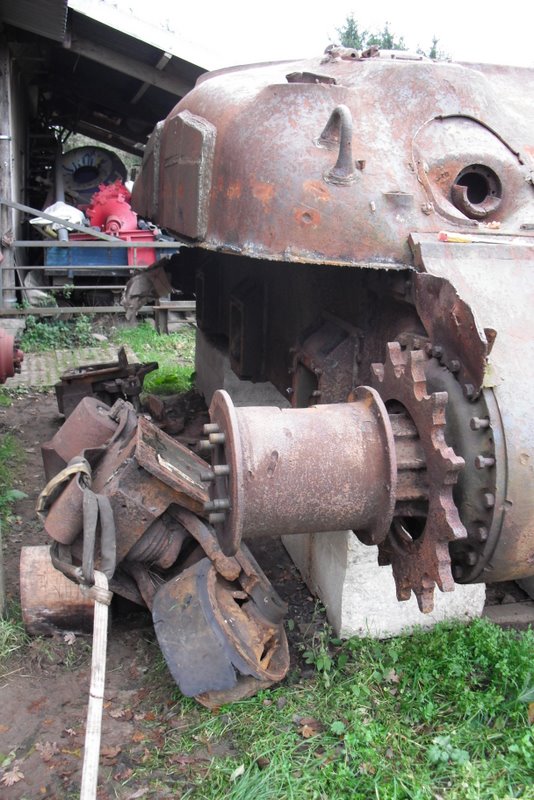
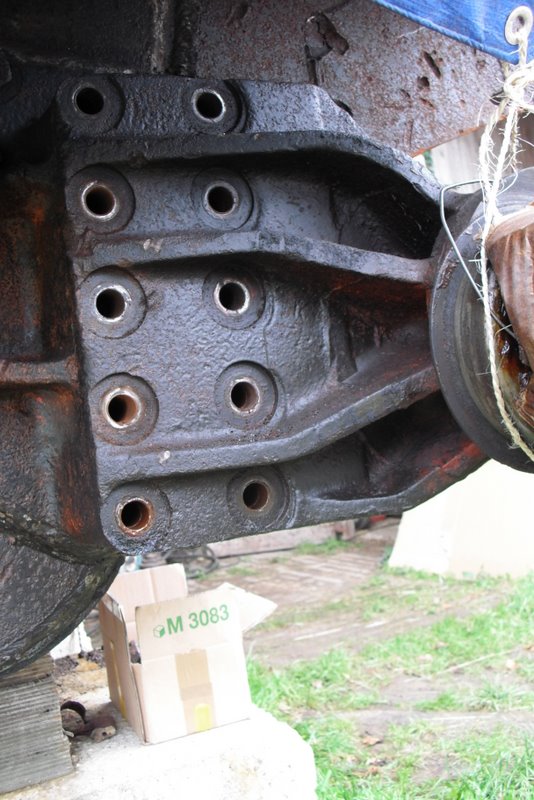
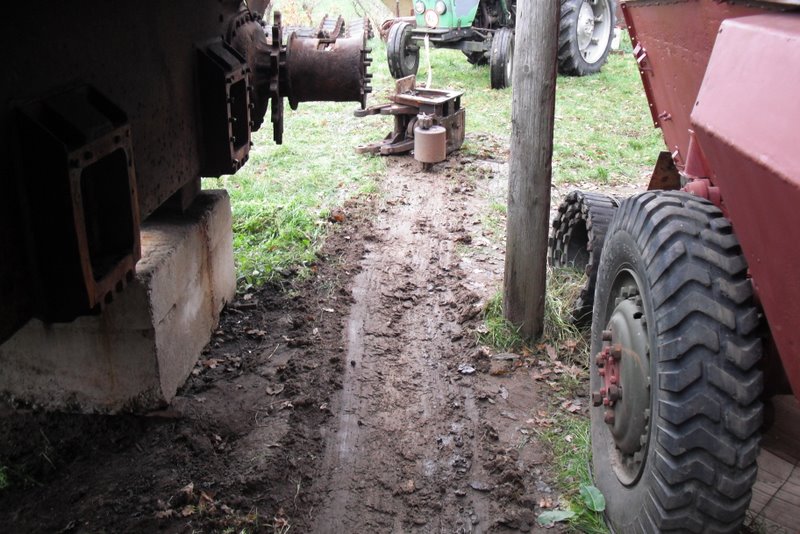
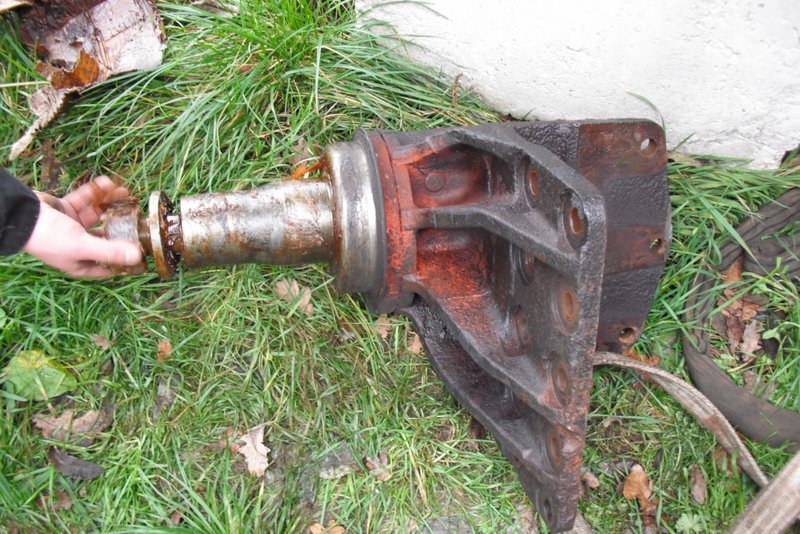
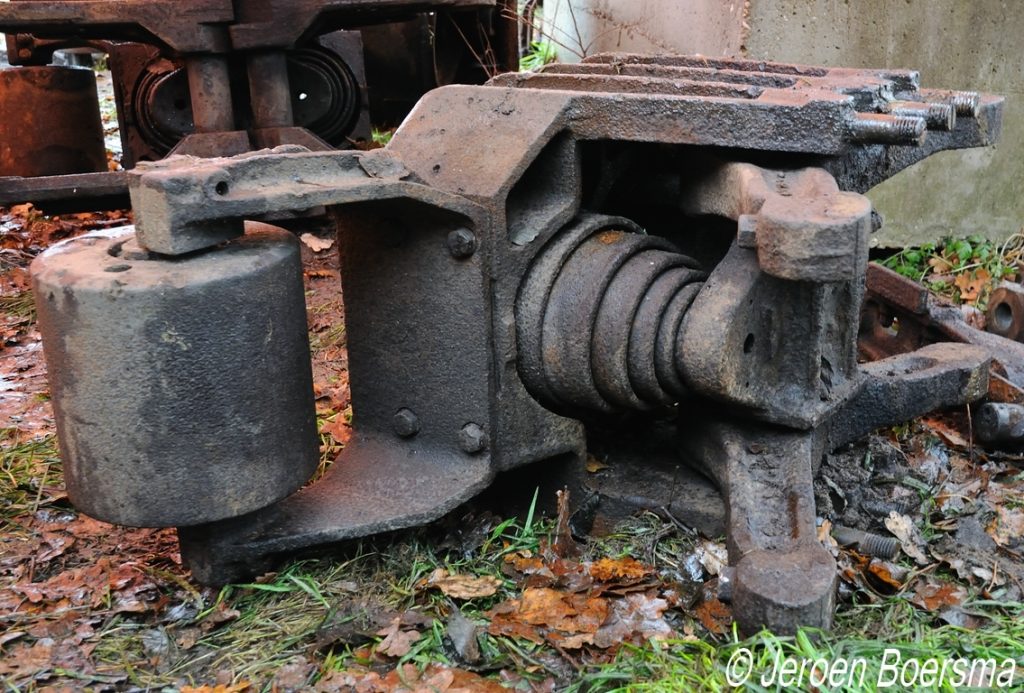
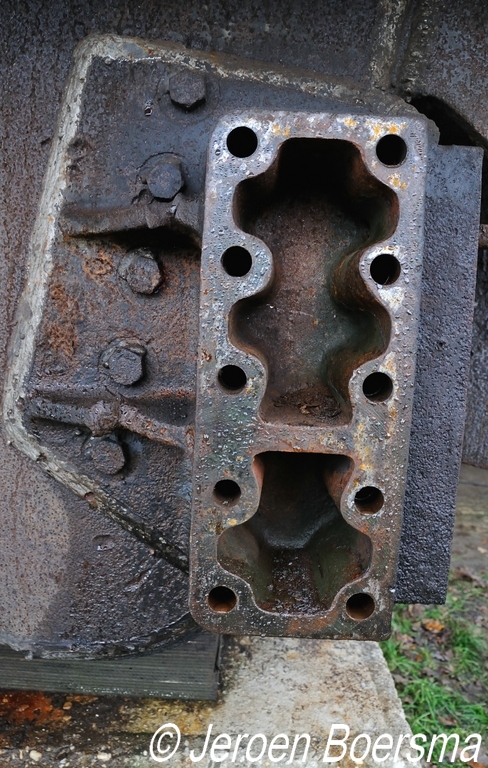
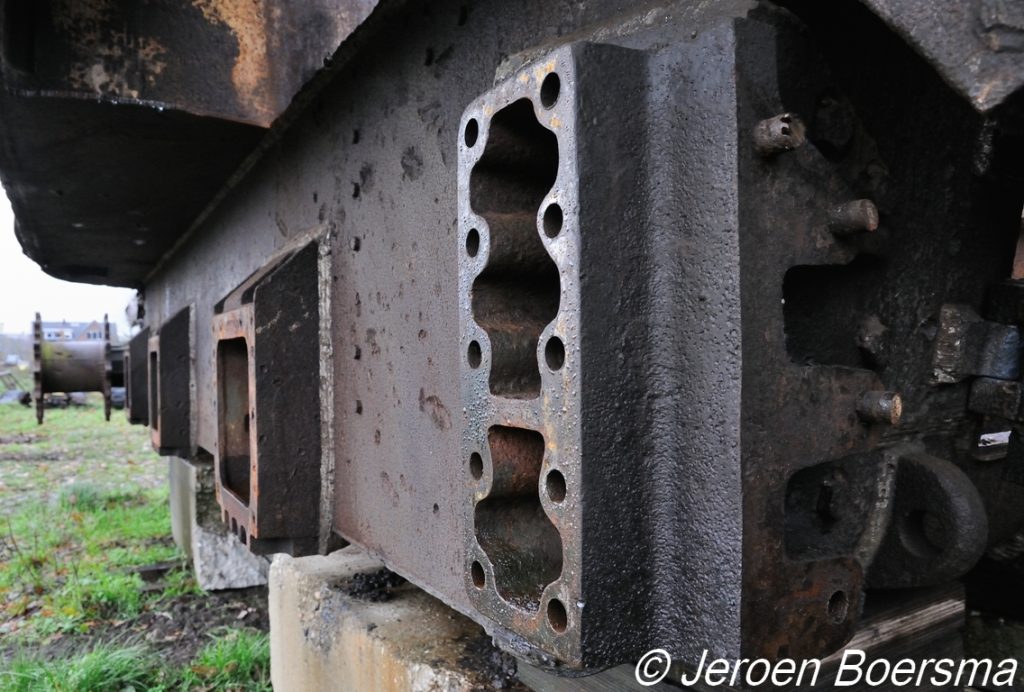
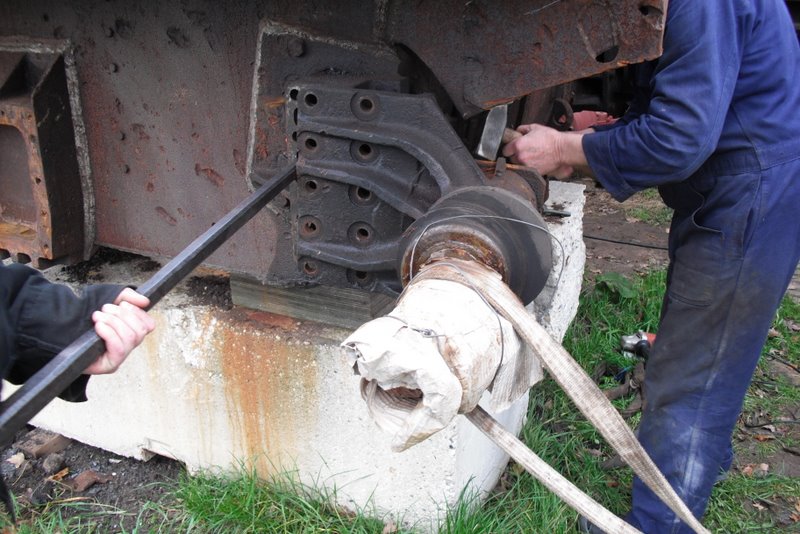
This month we removed the last bogie set. Therefore we used a 30-ton jack that was placed between the hull and bogie set. We also managed to remove the left track idler. Now this widener is also visible.
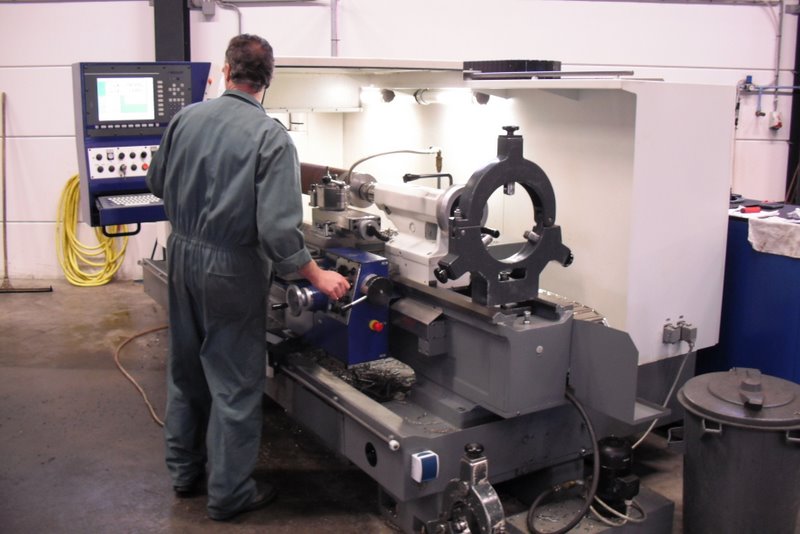
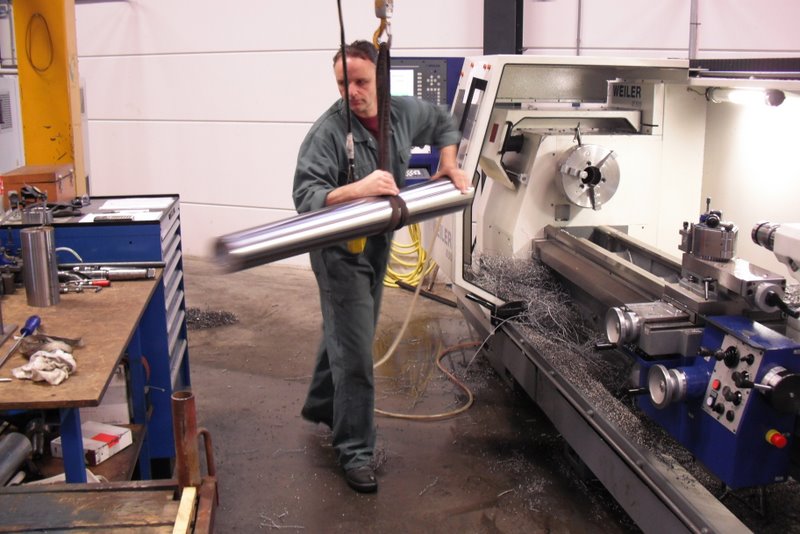
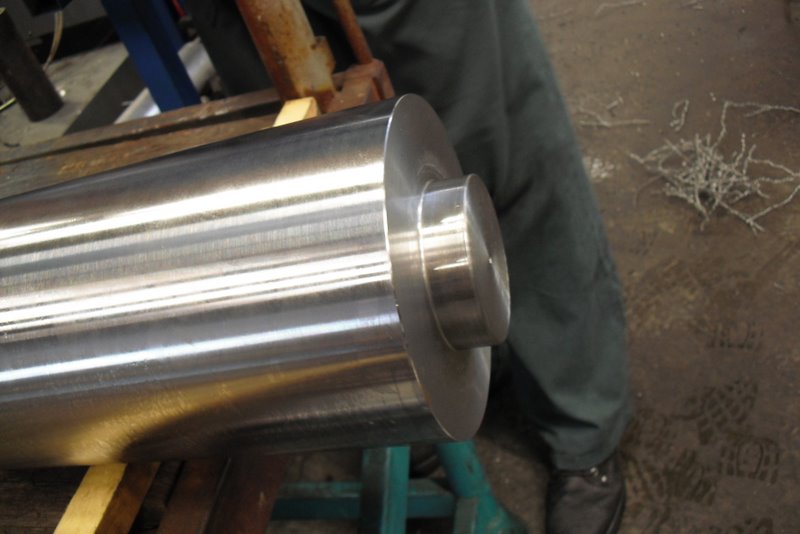
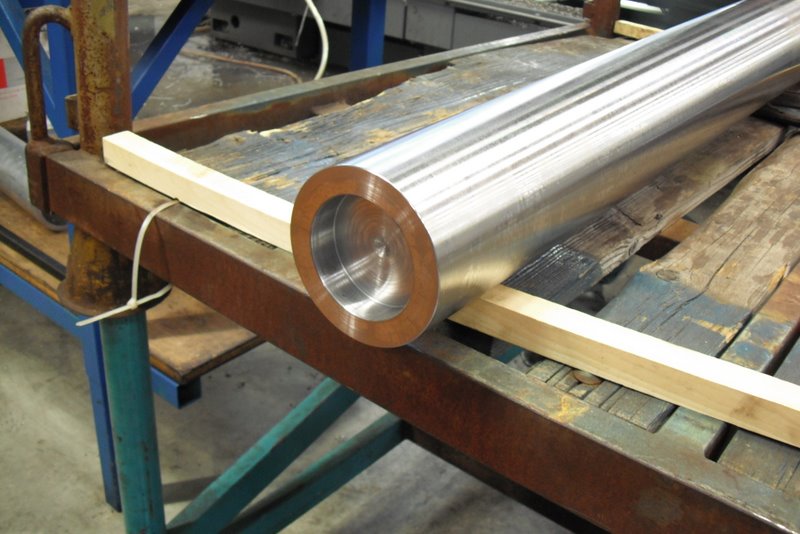
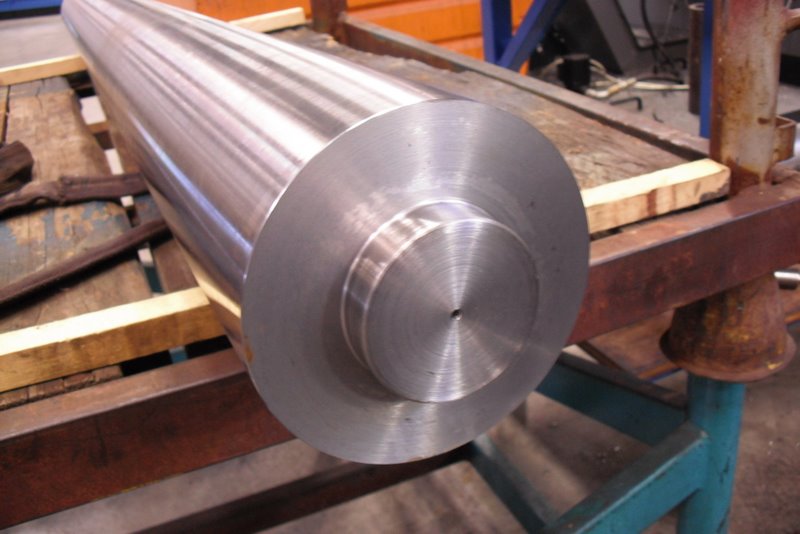
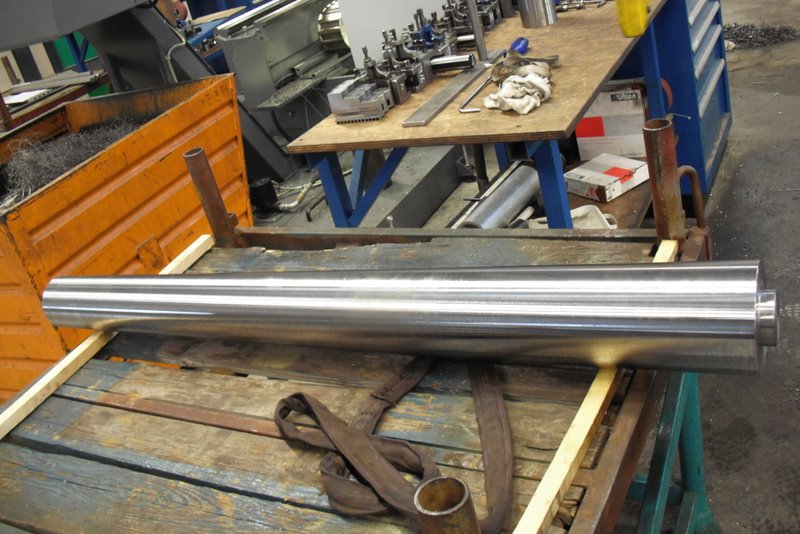
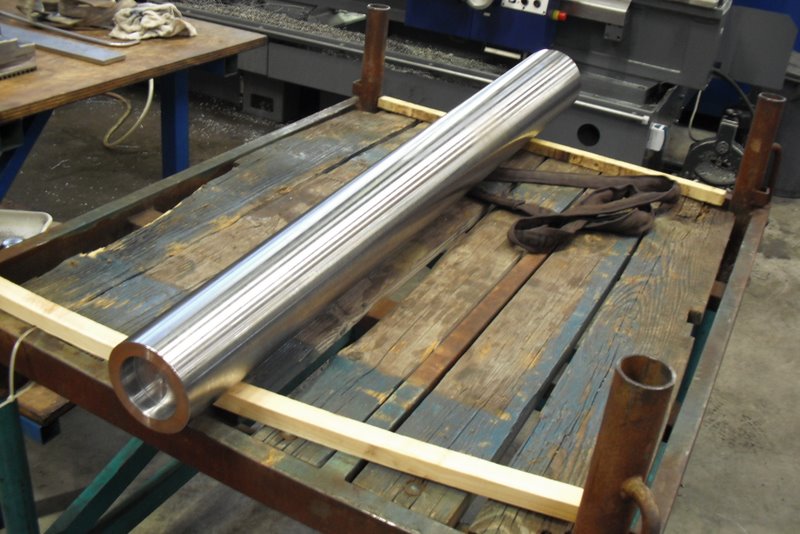
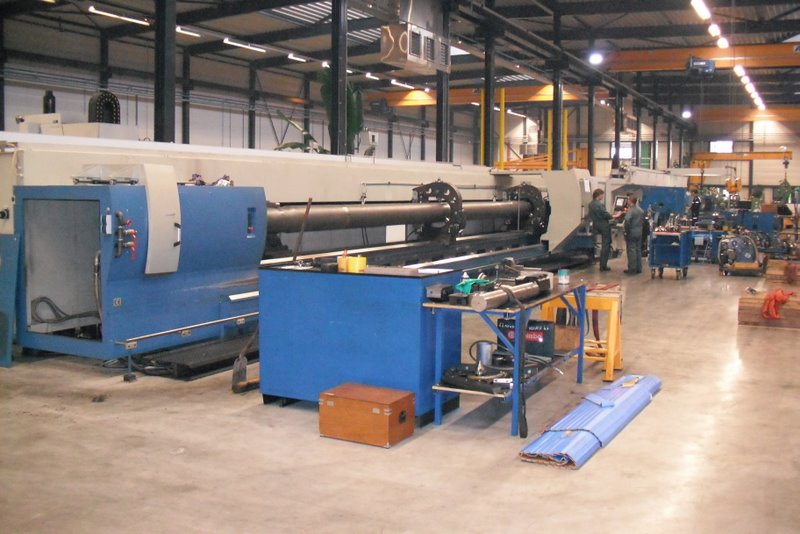
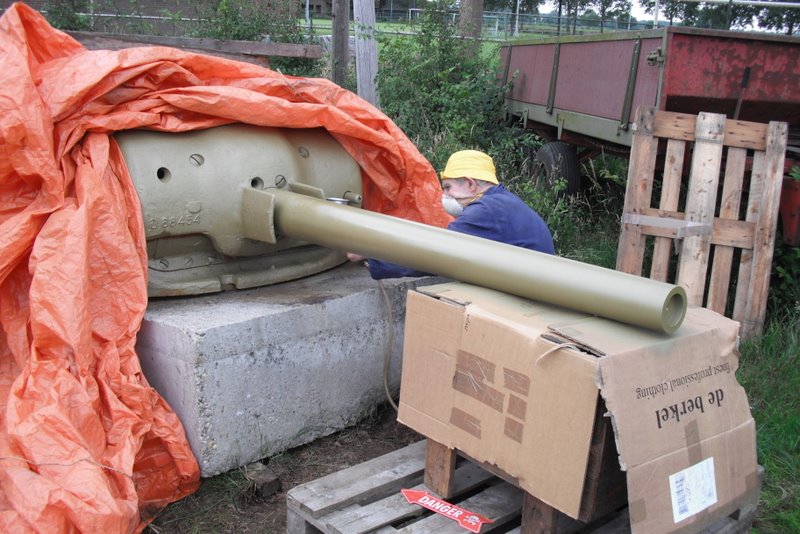
The missing gun barrel has been reproduced. It’s made out of a massive piece of steel, with a length of 1400 mm. Jakom shafts & rollers in Cuijk (www.jakom.nl), specialized in producing shafts and rollers in all sizes, produced the gun barrel. Total weight 180 kg. Shortly this reproduction gun barrel will be welded on the original leftover barrel piece that’s still connected to the turret, so the barrel will have its original length.
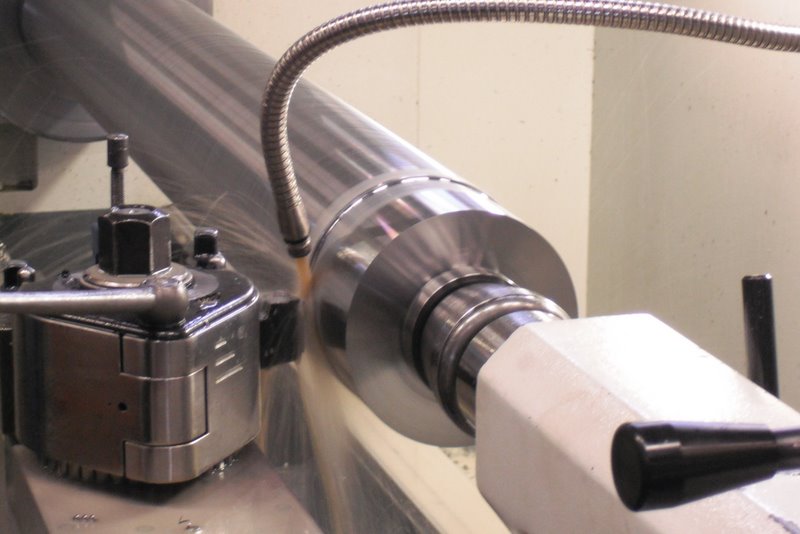
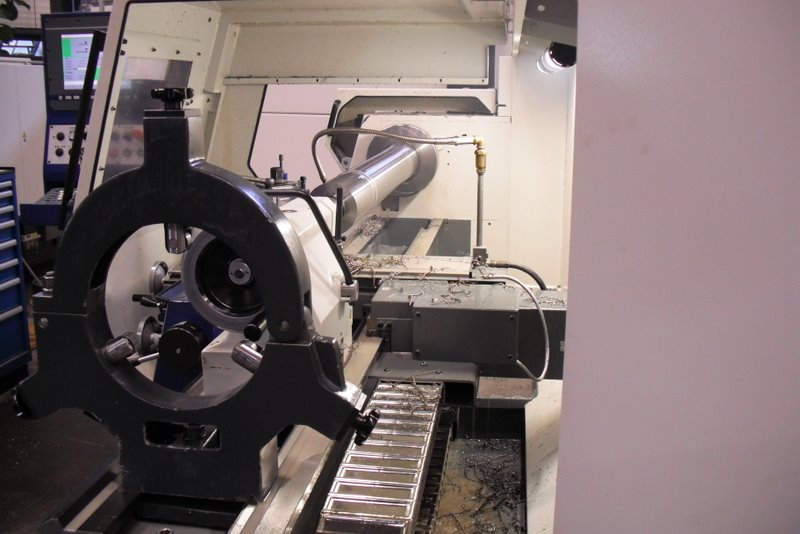
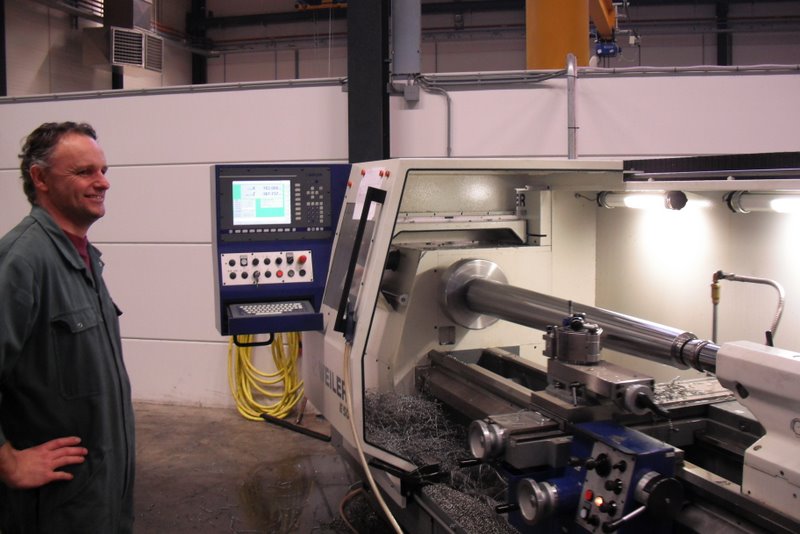
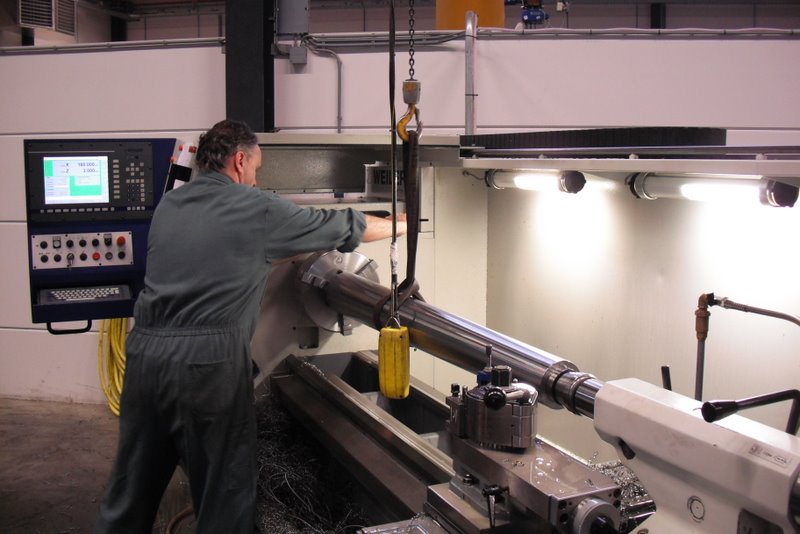
Restoration December 2010
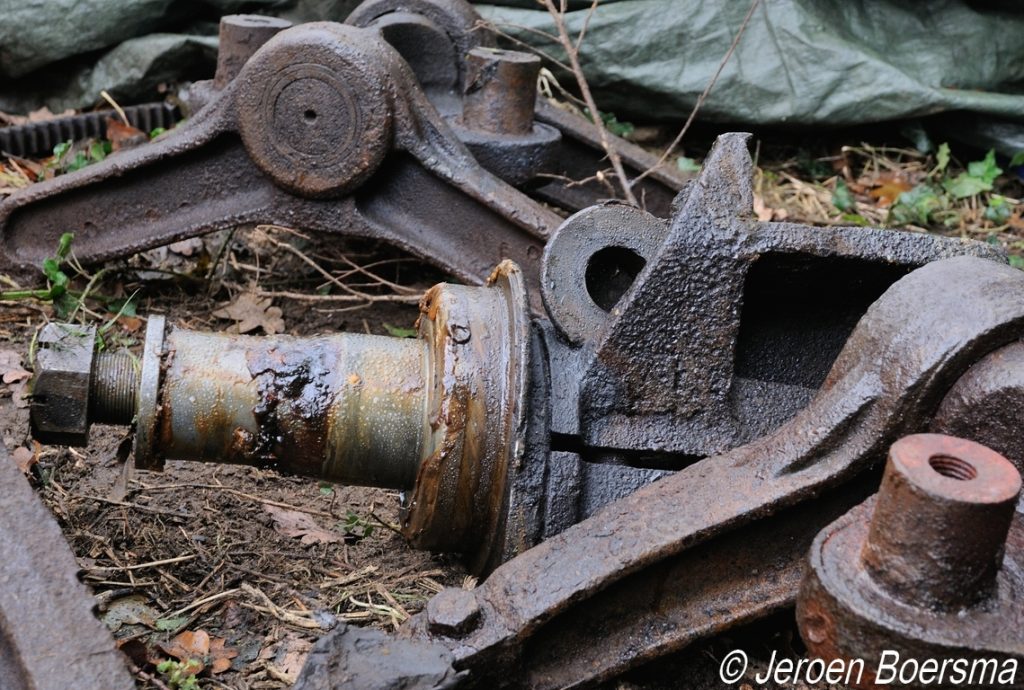
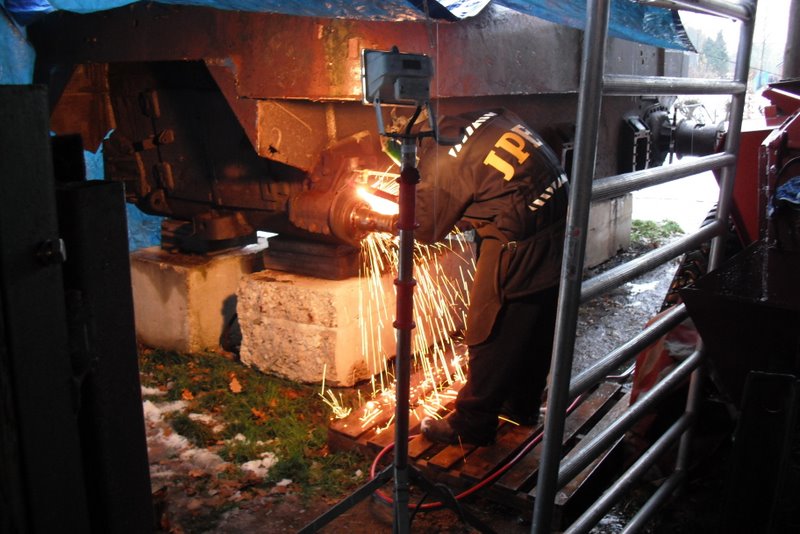
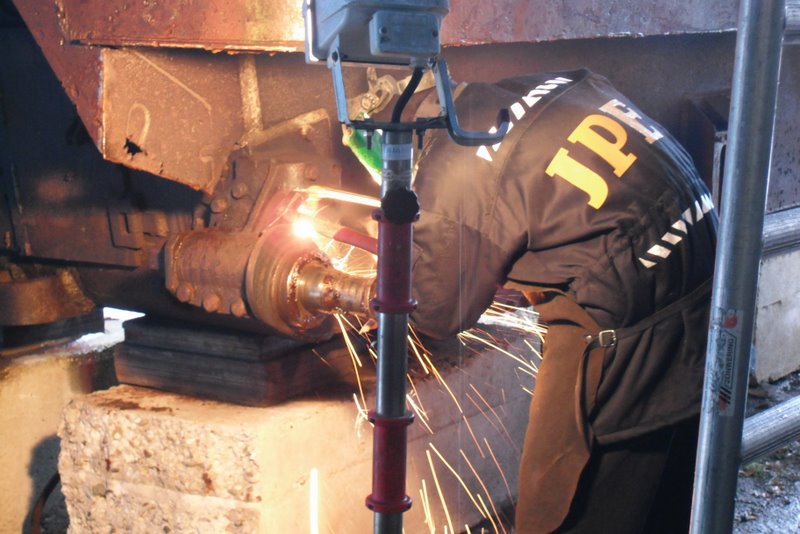
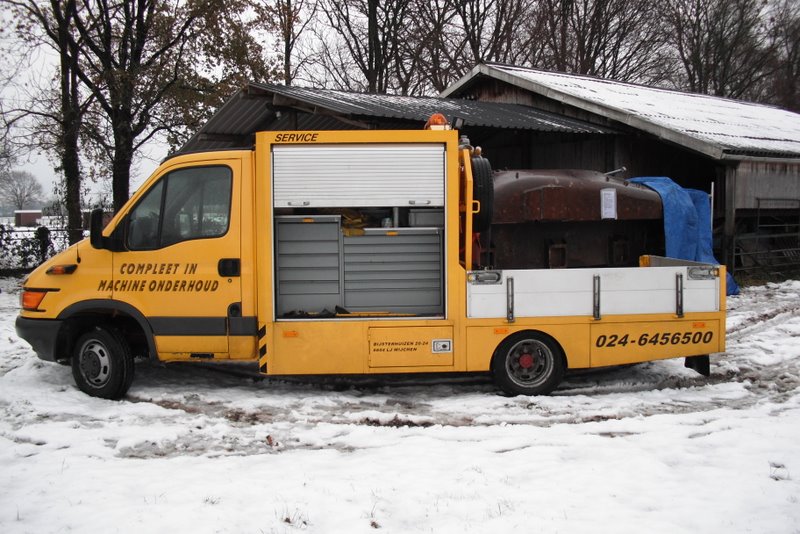
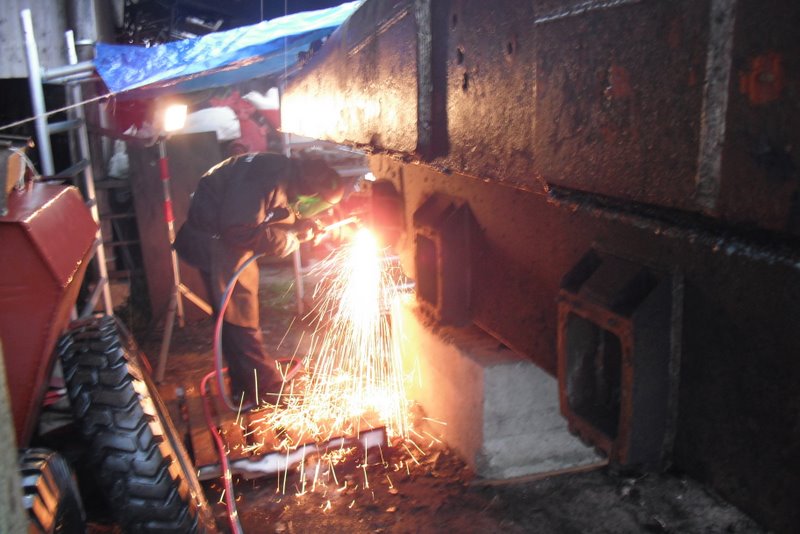
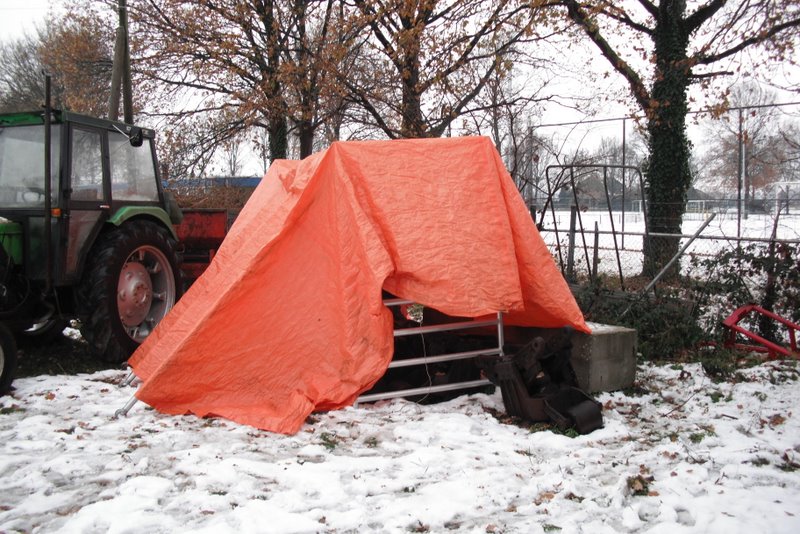
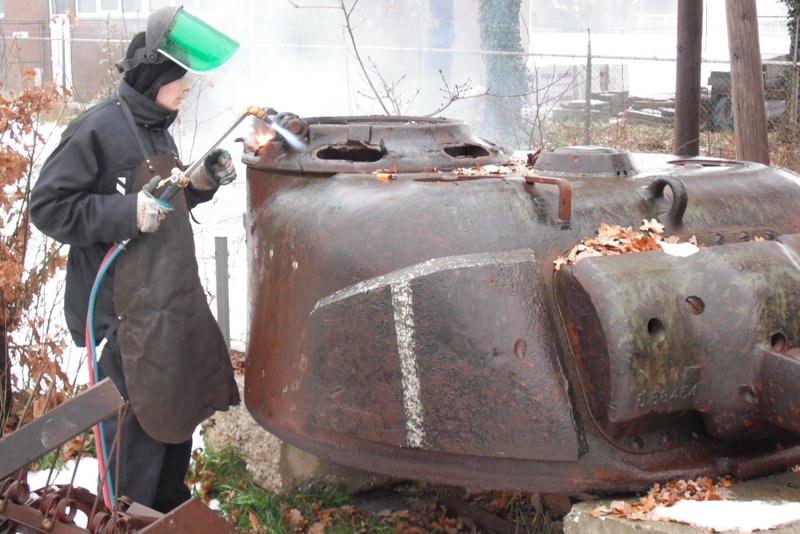
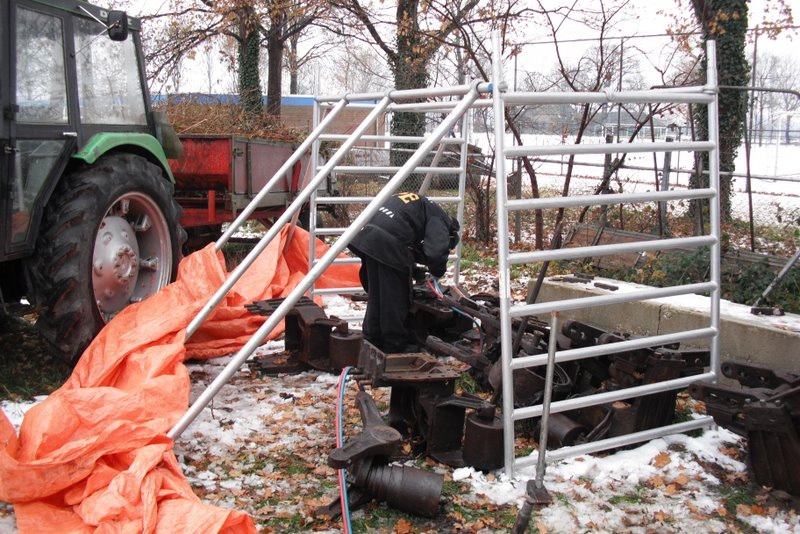
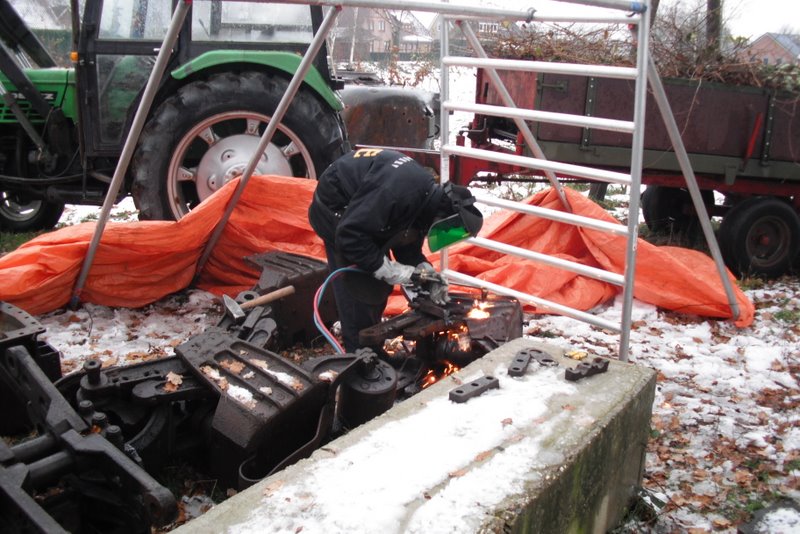
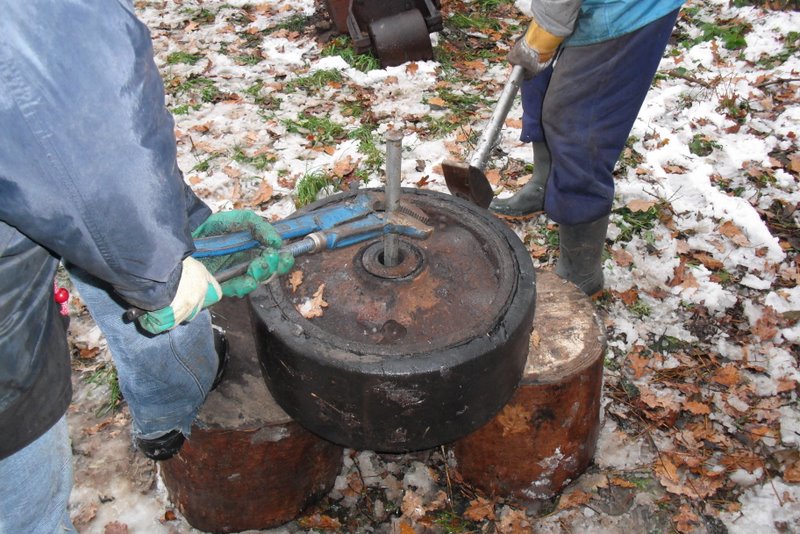
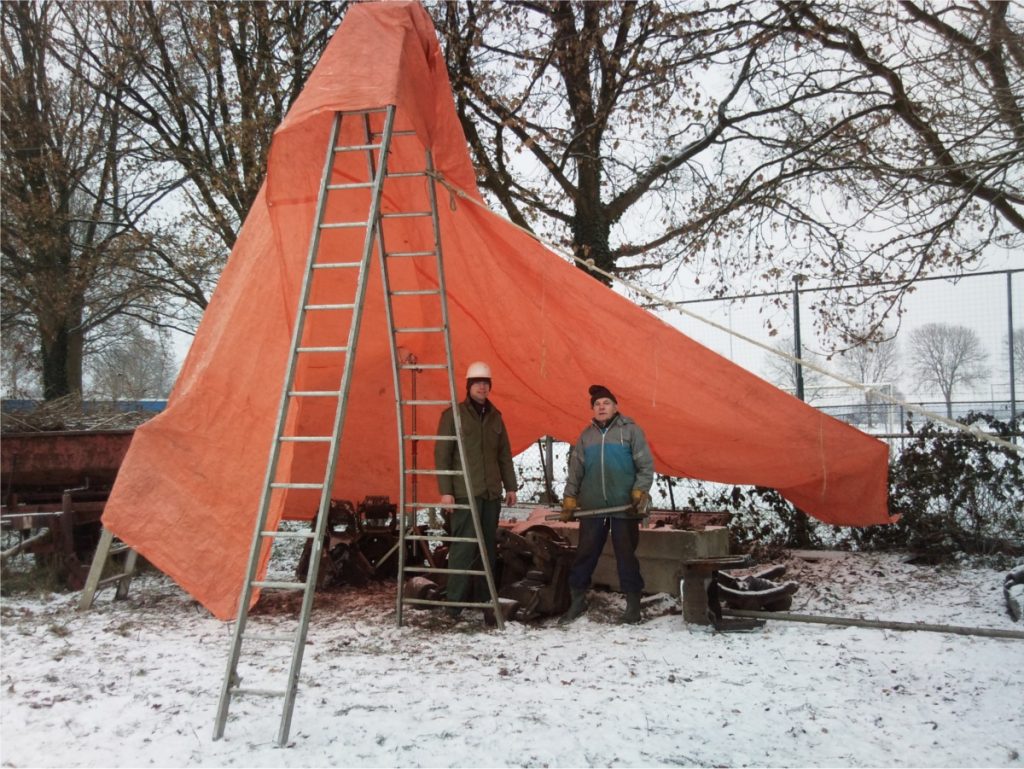
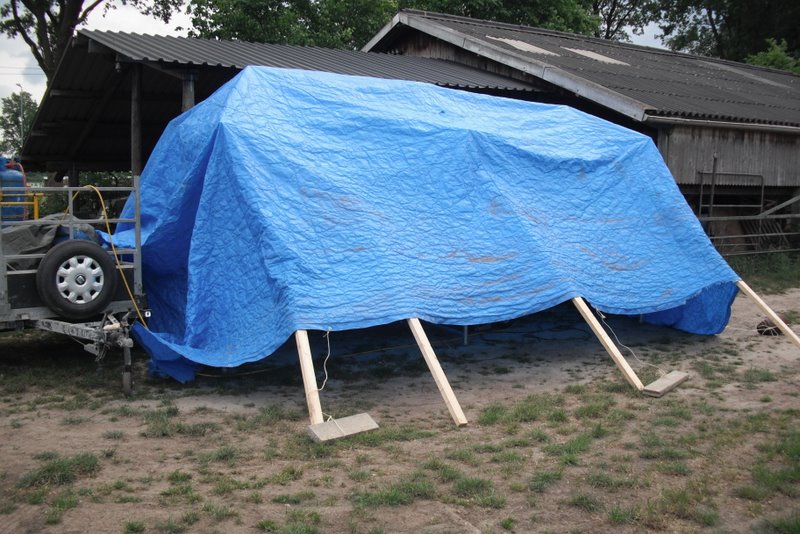
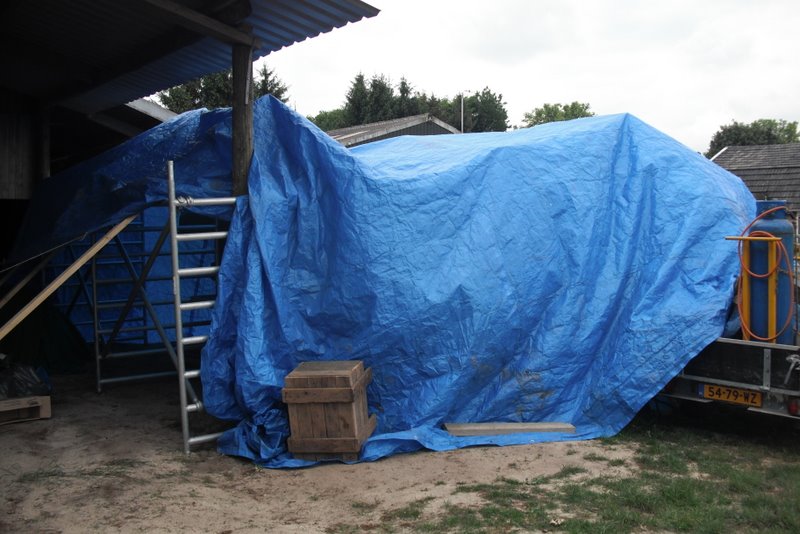
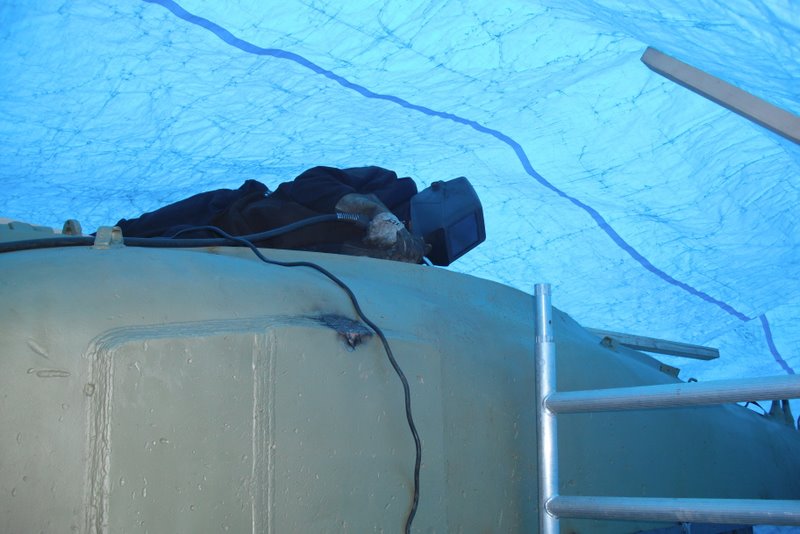
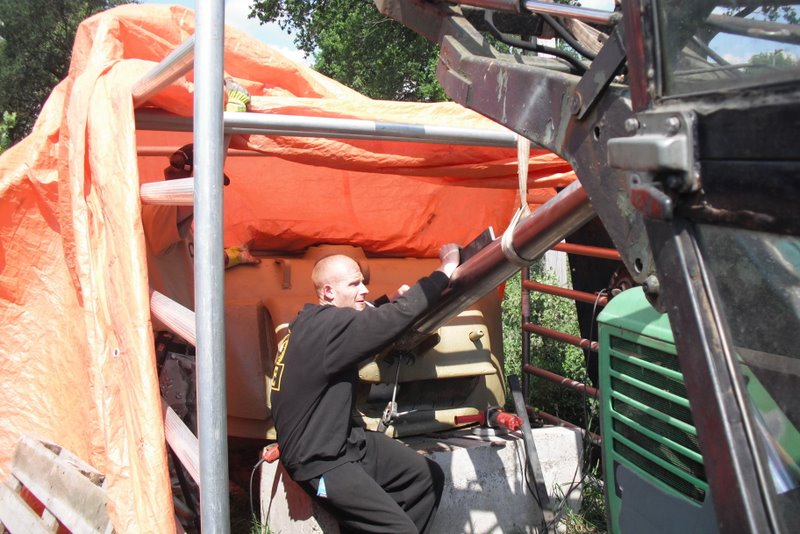
Despite the harsh winter conditions in December, again we got professional help from Sander, employee from JPE in Wijchen (www.jpe-wijchen.nl), a company specialized in total machine maintenance. He has done the last cutting work with the cutting torch. He removed the last track idler, worked on the wheels so we could remove the remaining axle-pieces and various cutting jobs on the bogie sets and turret. To prevent too much pressure on the suspension/springs of the tank (some springs are broken) we have decided to block the suspension by placing a metal tube on the inside of the springs. Therefore the bogie sets have to be taken apart. In the meantime all the parts have been transported to a workshop in Overloon where we can revise them. Due to the falling snow and glazed frost we, covered in many layers of clothing, worked in improvised tents.
Restoration January 2011
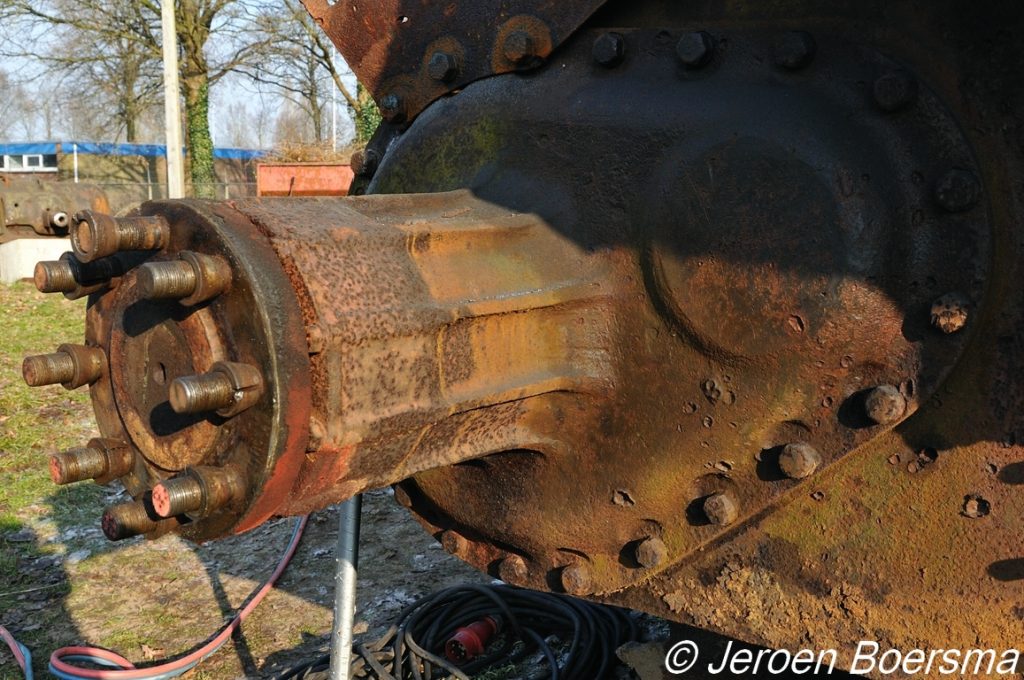
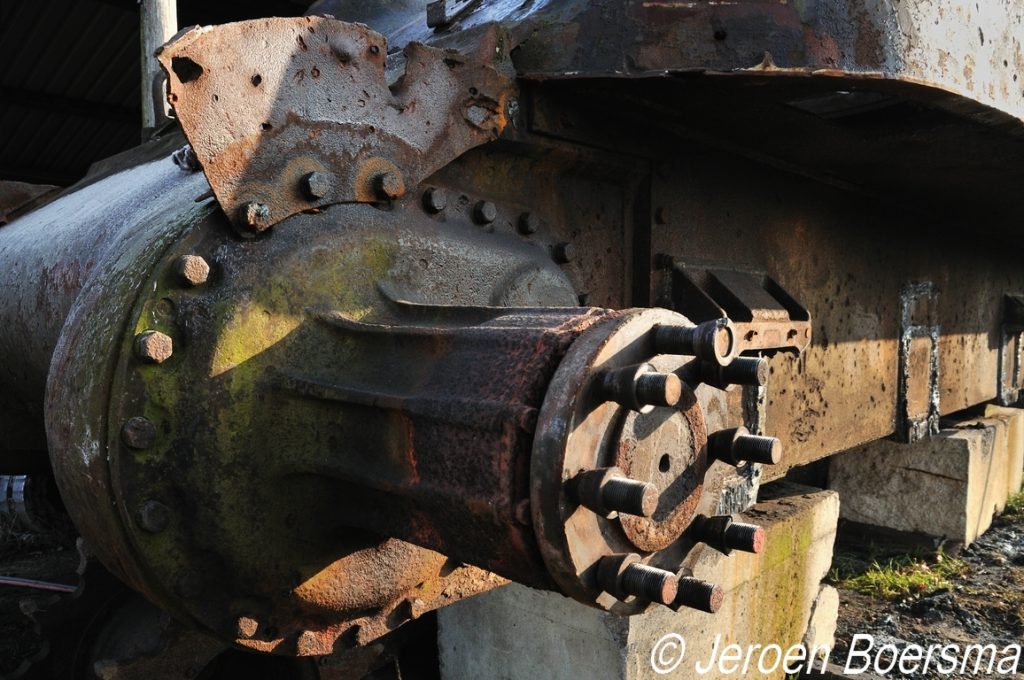
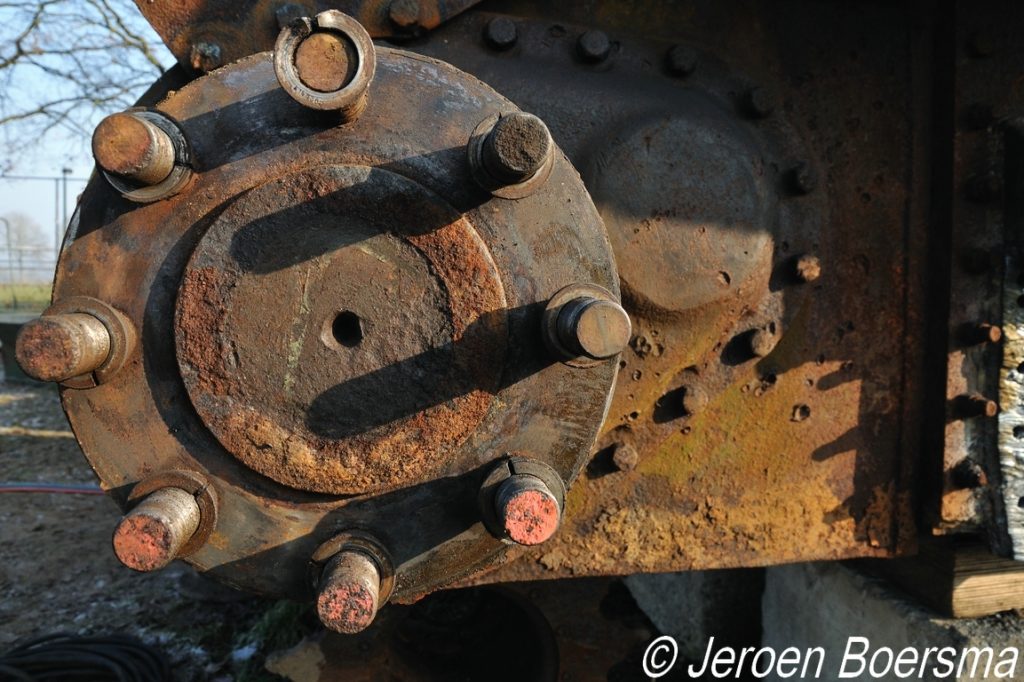
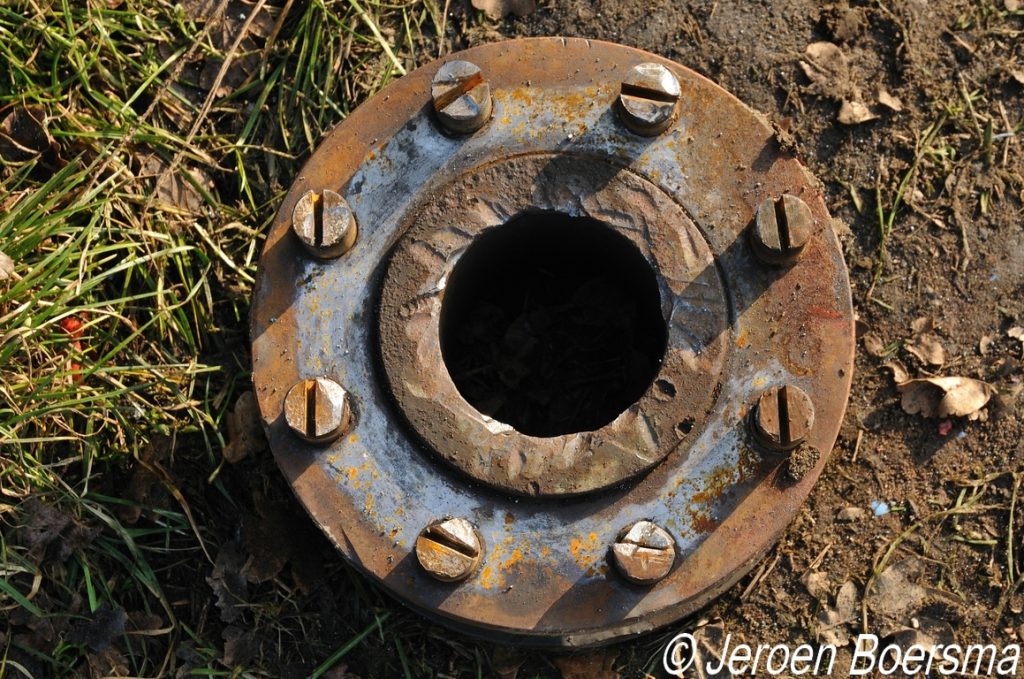
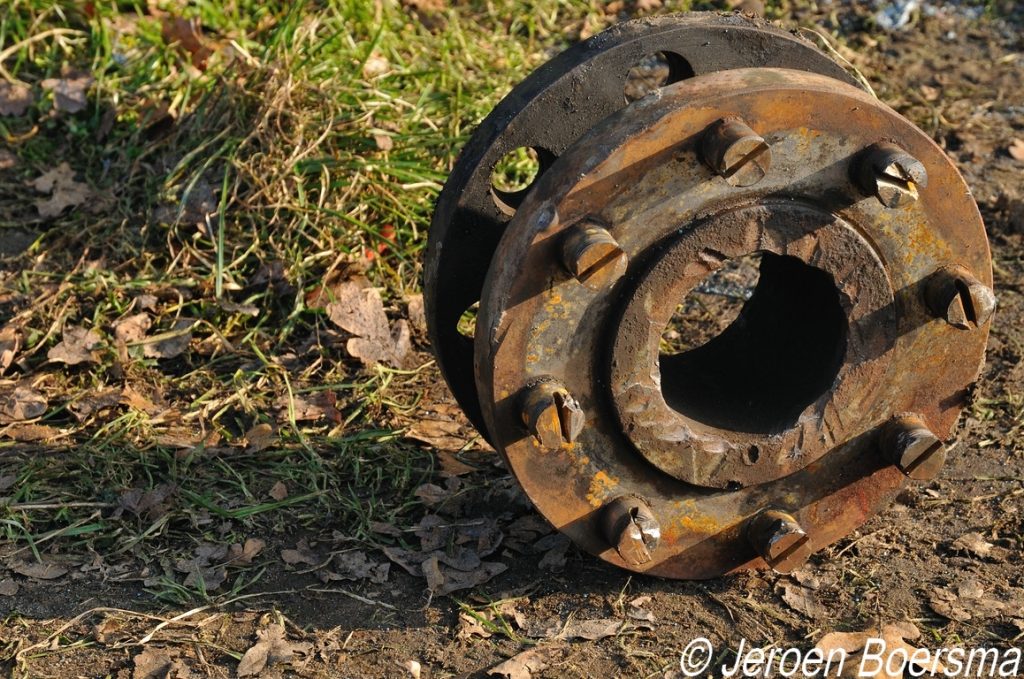
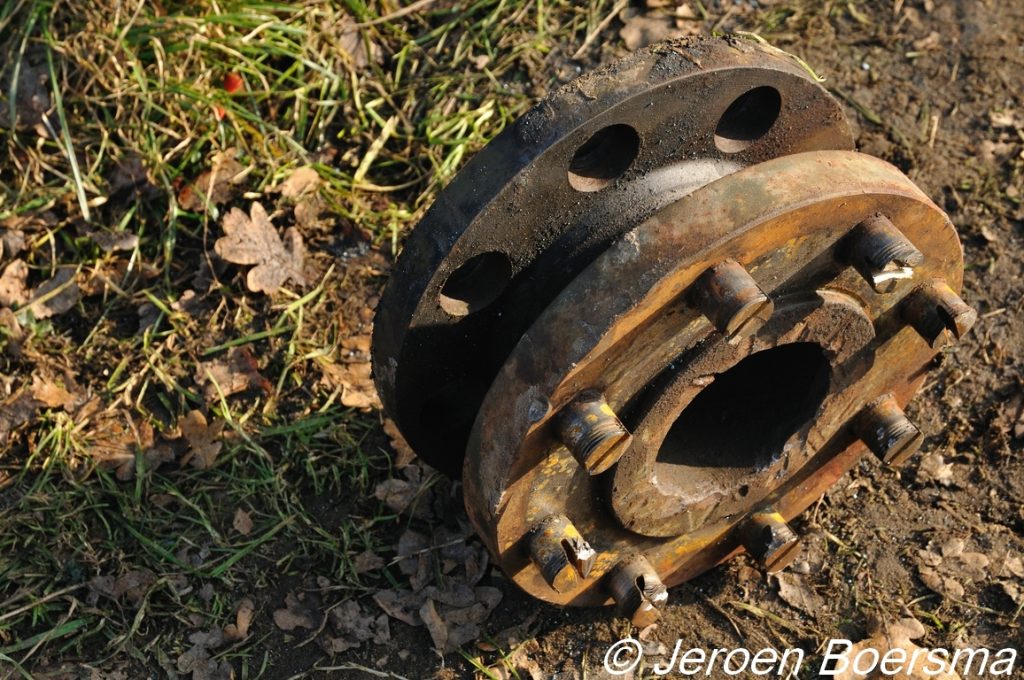
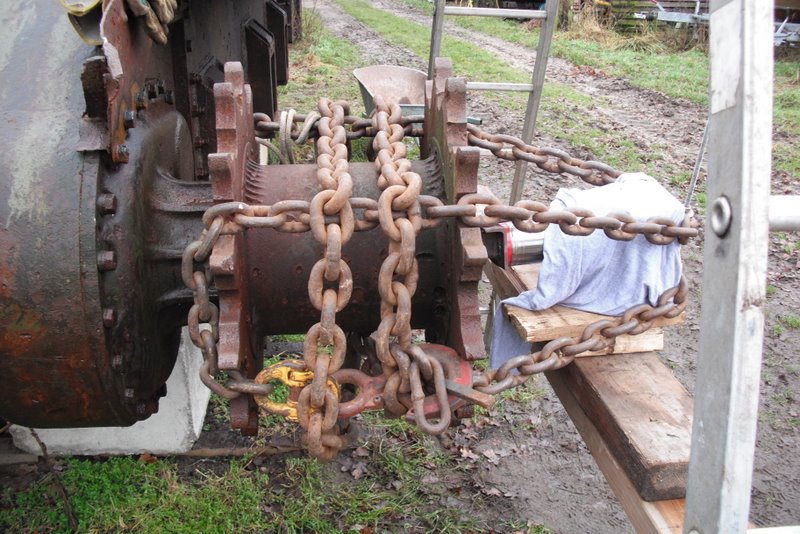
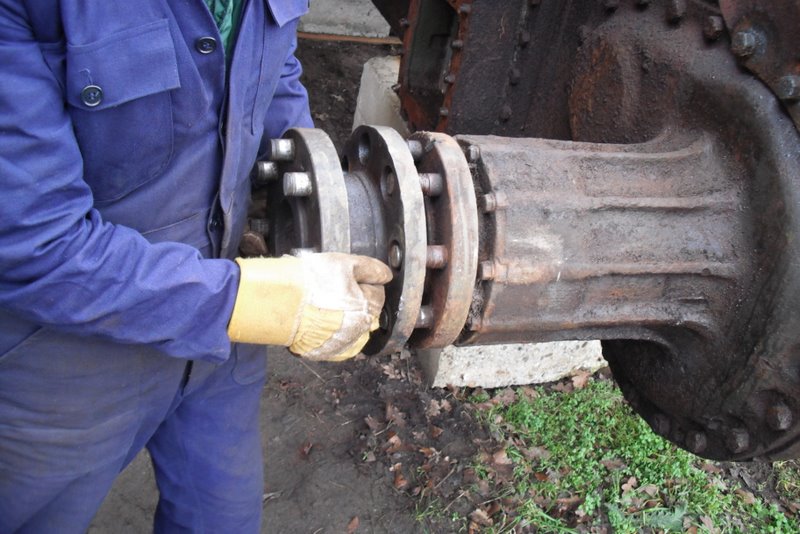
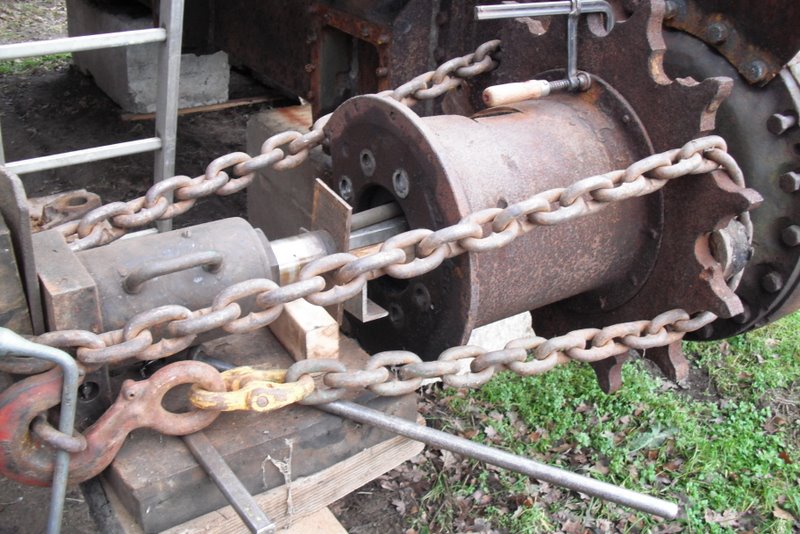
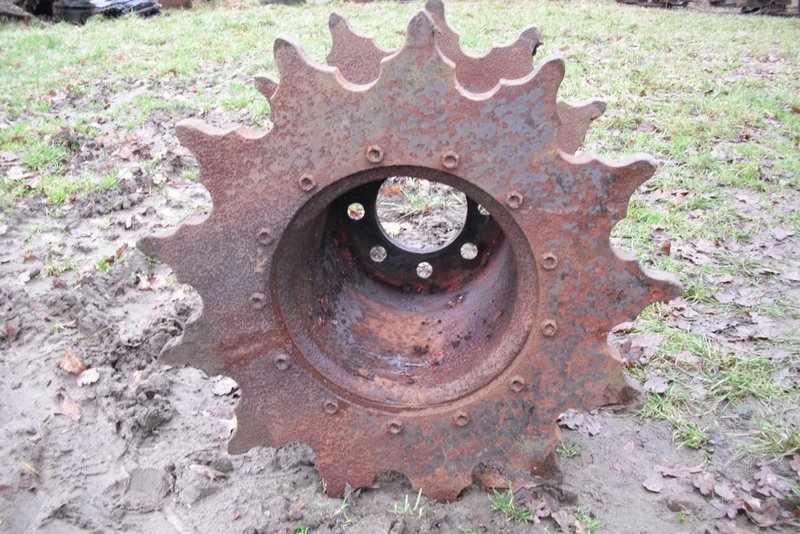
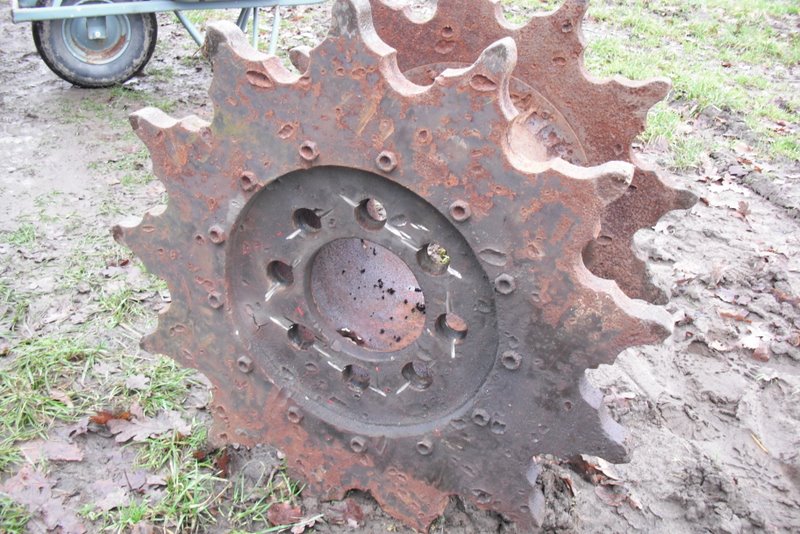
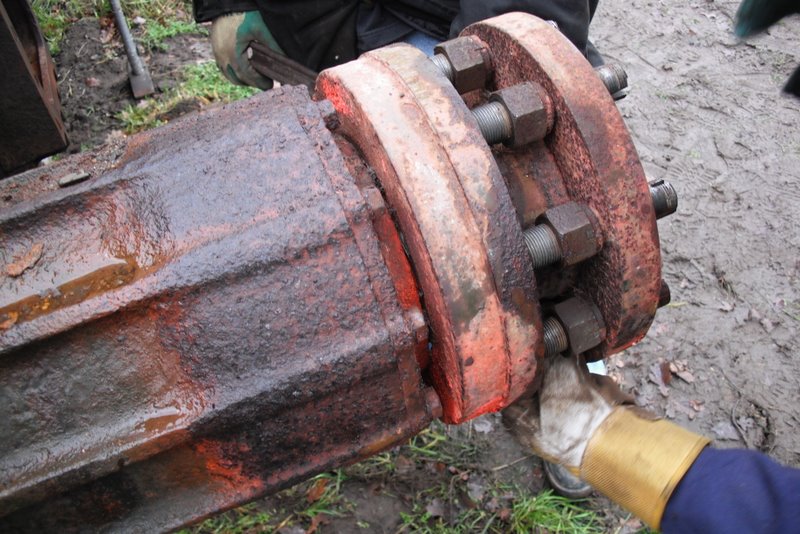
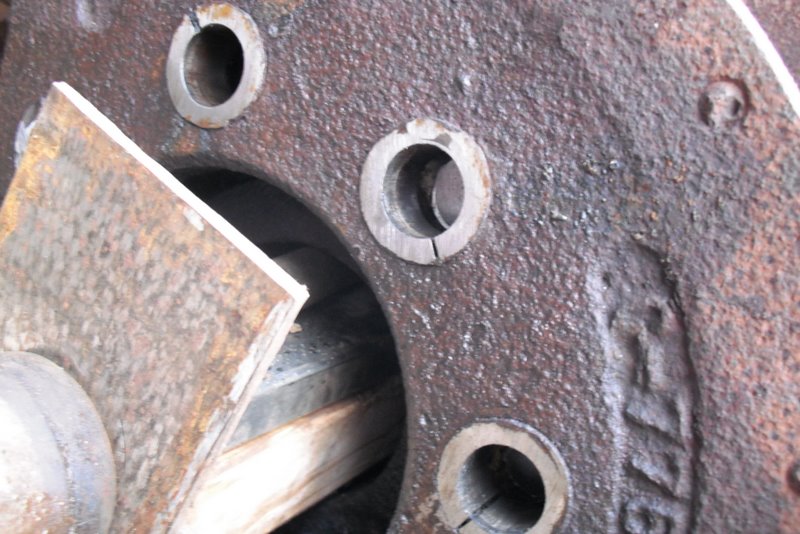
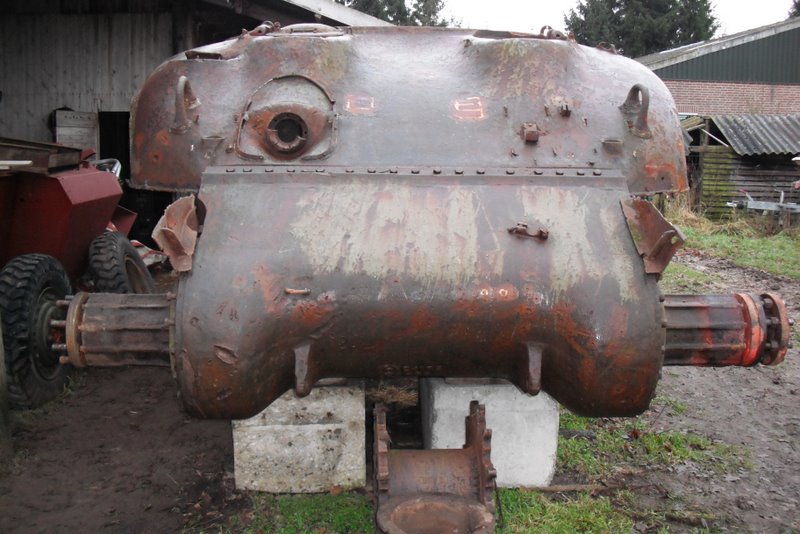
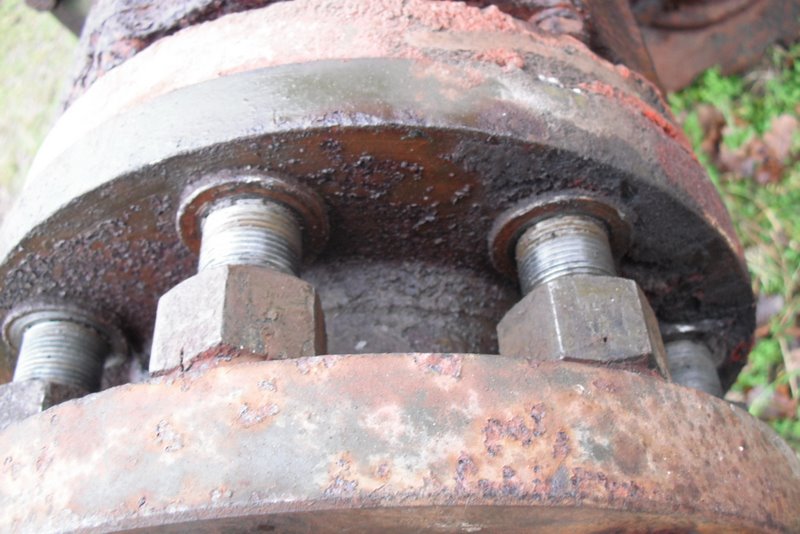
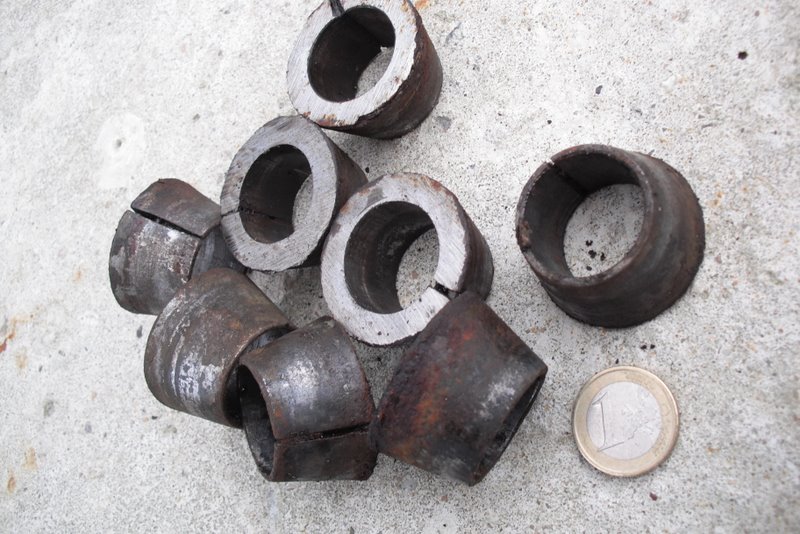
We finally managed to remove the sprocket wheels. The nuts on the outside came off very easily, but the sprocket wheel was still held with the studs and tapered rings.
Normally it’s a question of removing the nuts and driving the tank back- and forwards in order to let the wheel come off, but unfortunately that wasn’t an option for us.
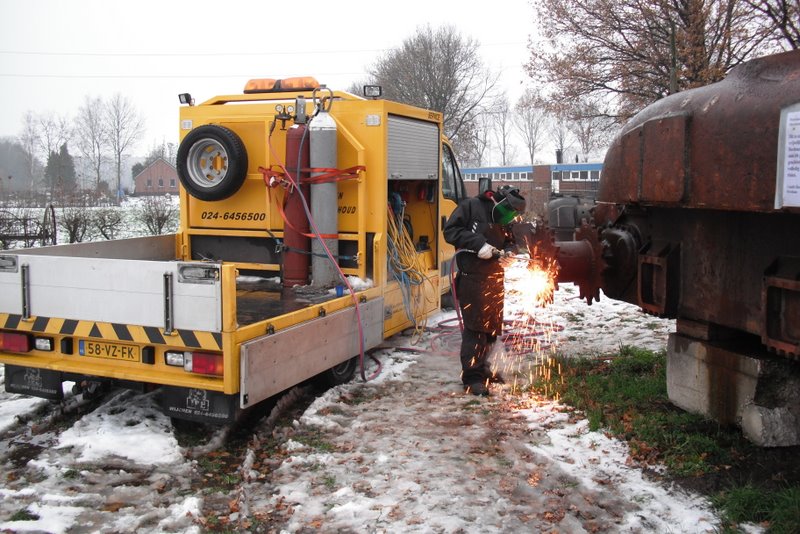
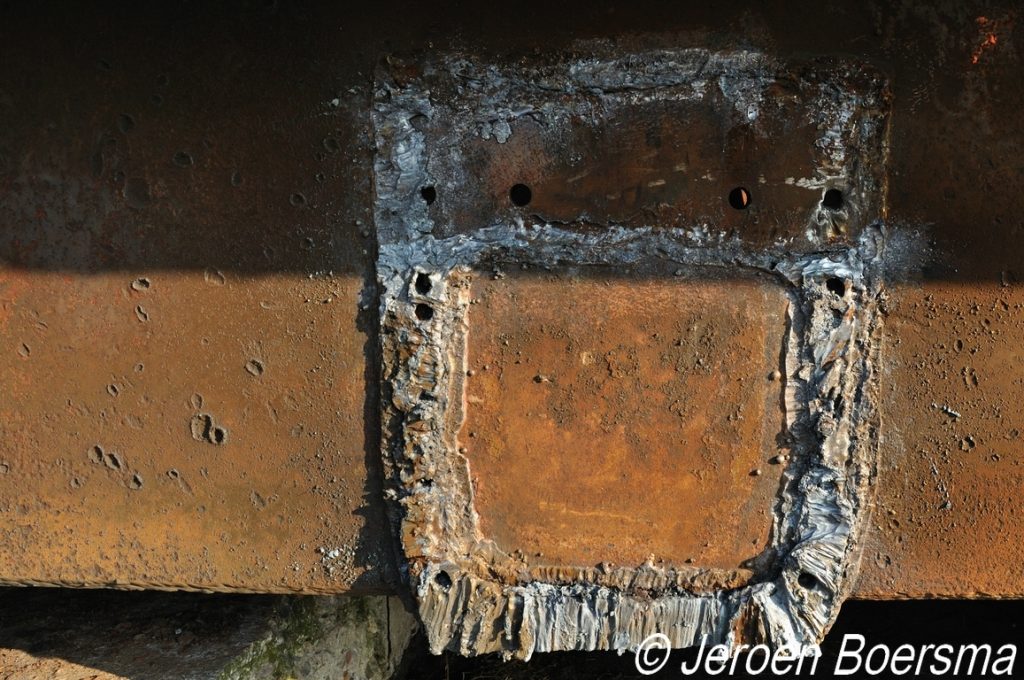
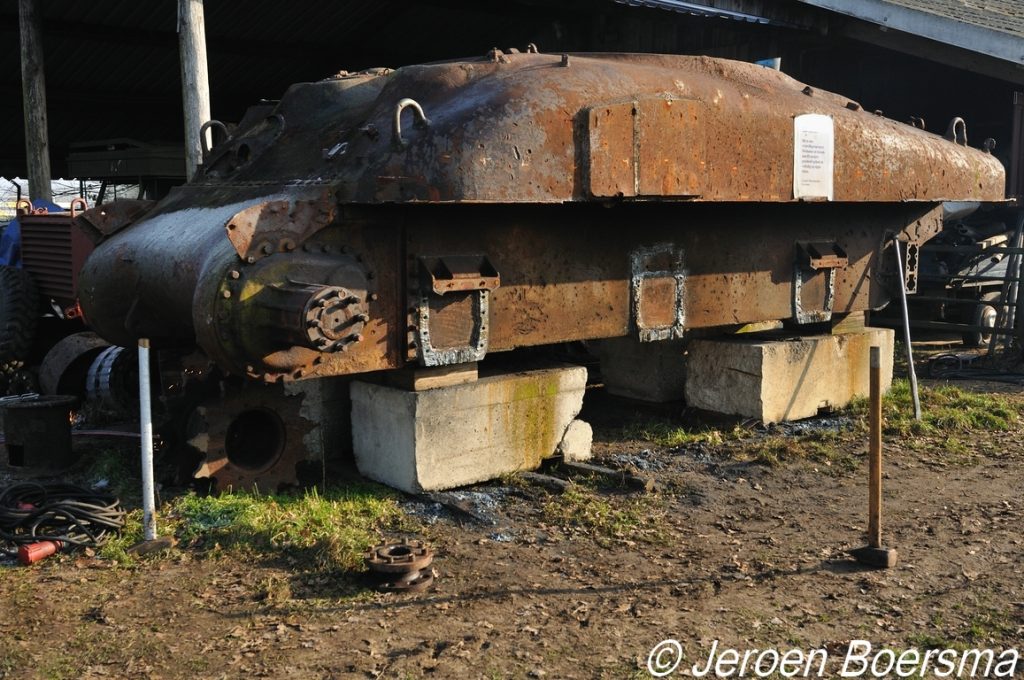
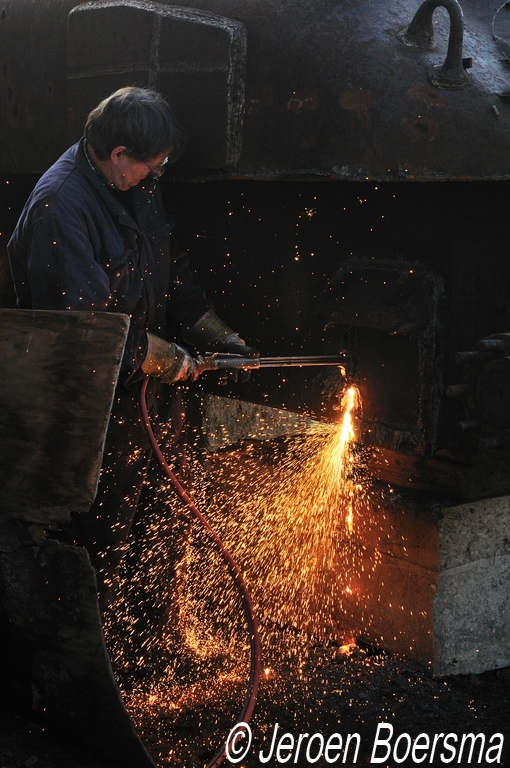
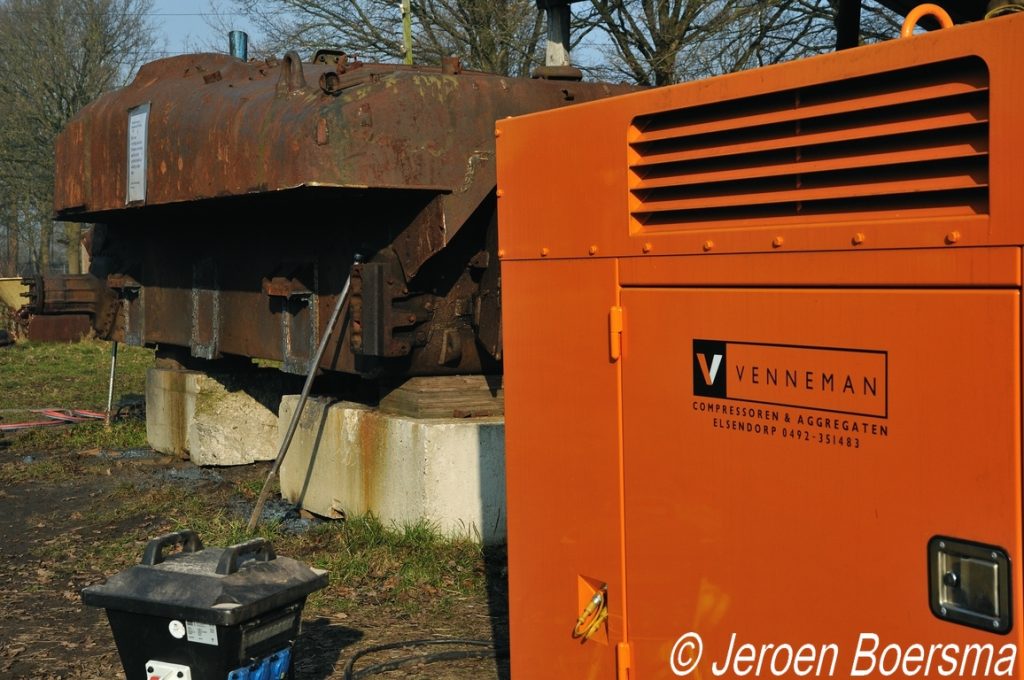
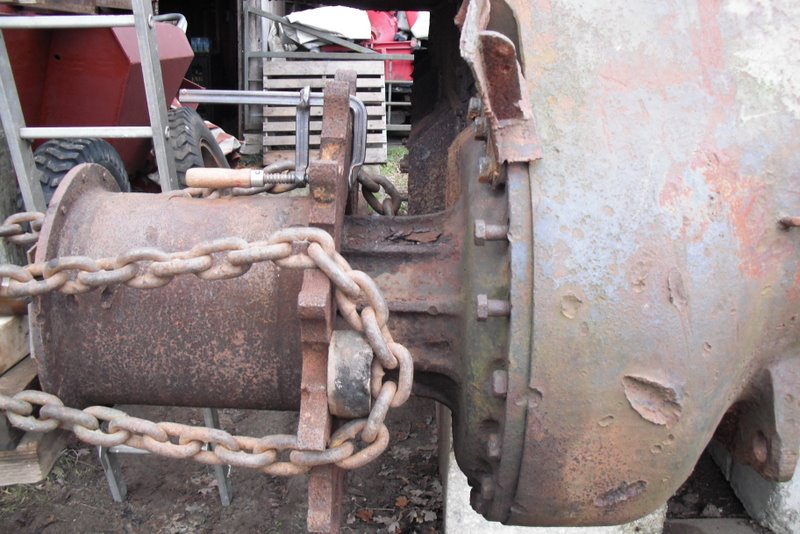
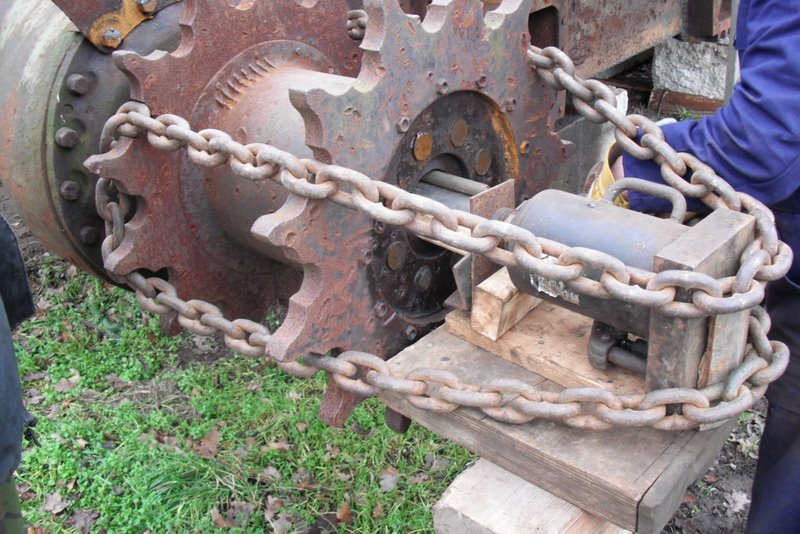
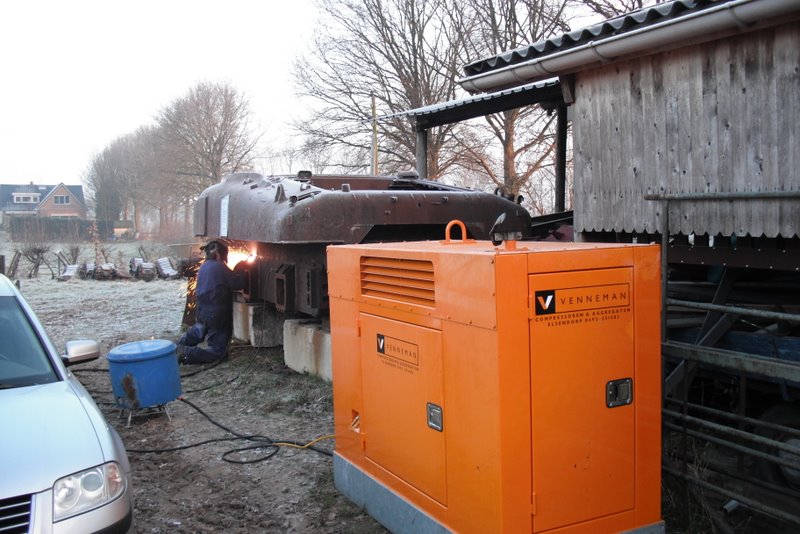
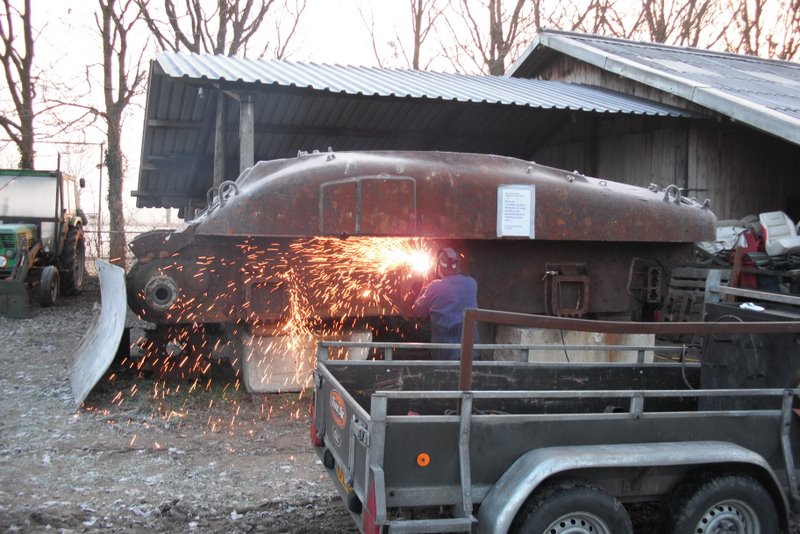
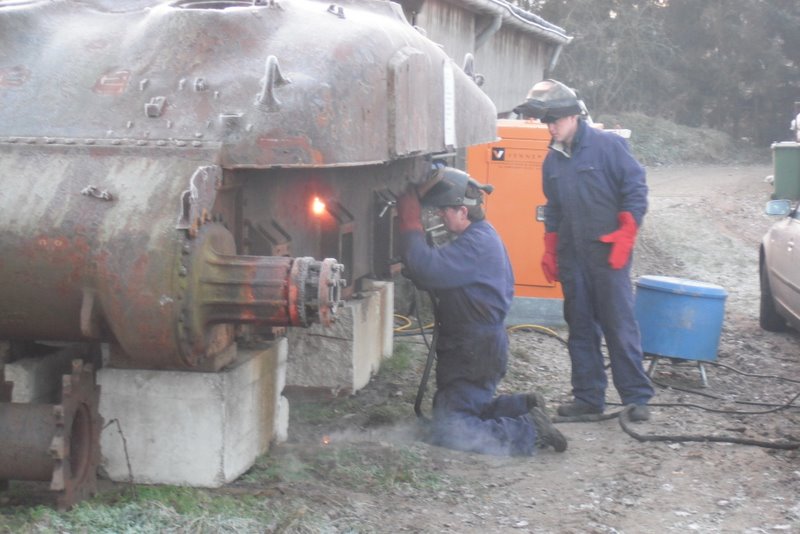
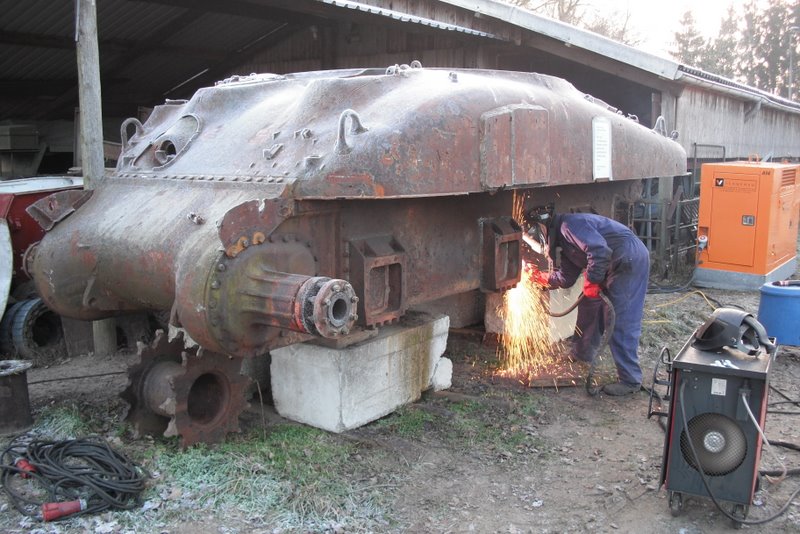
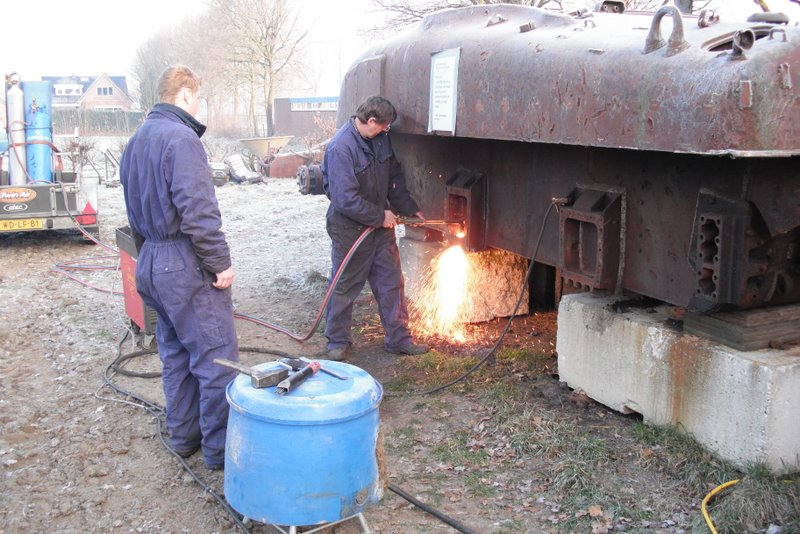
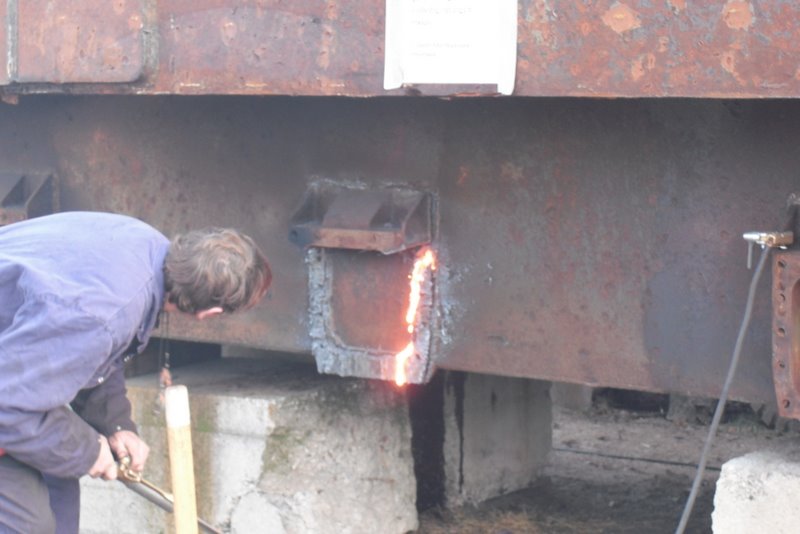
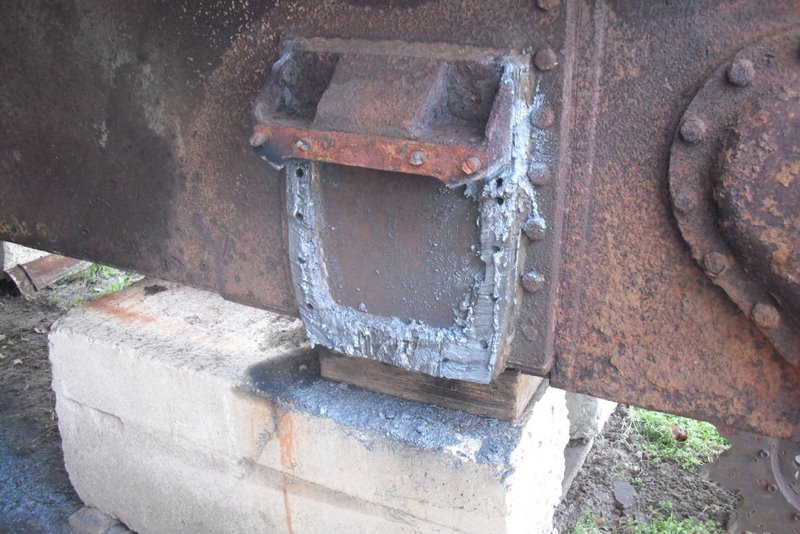
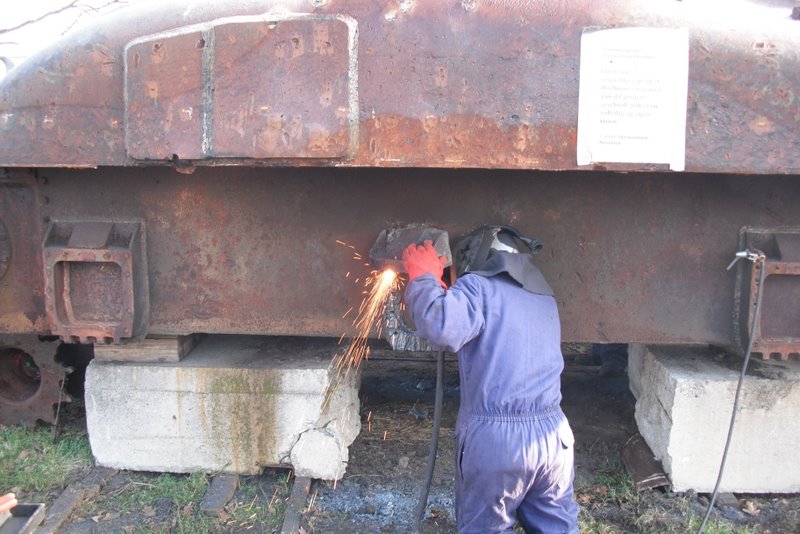
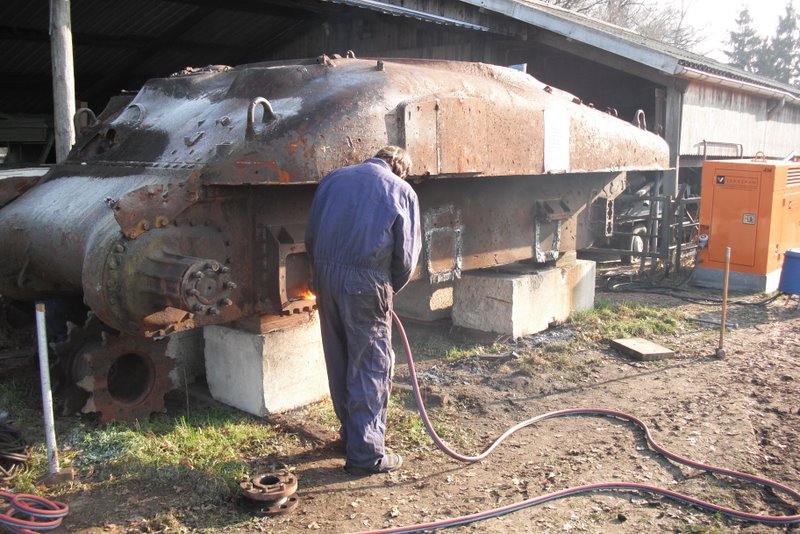
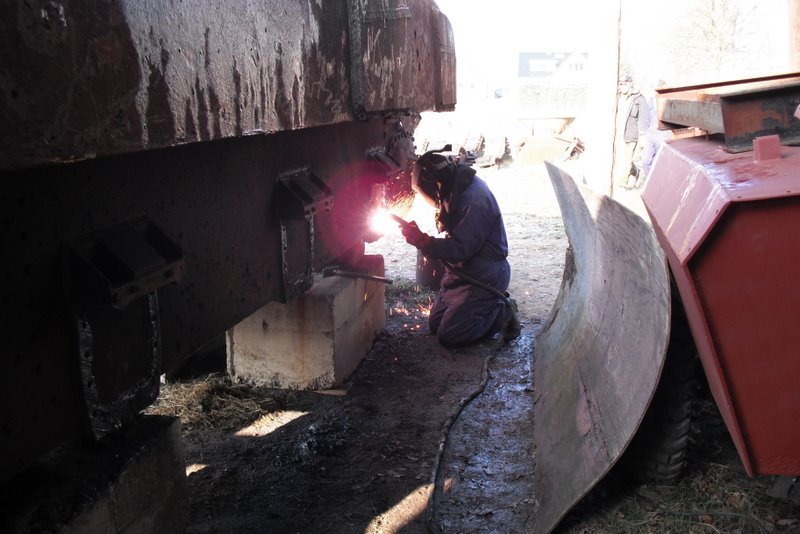
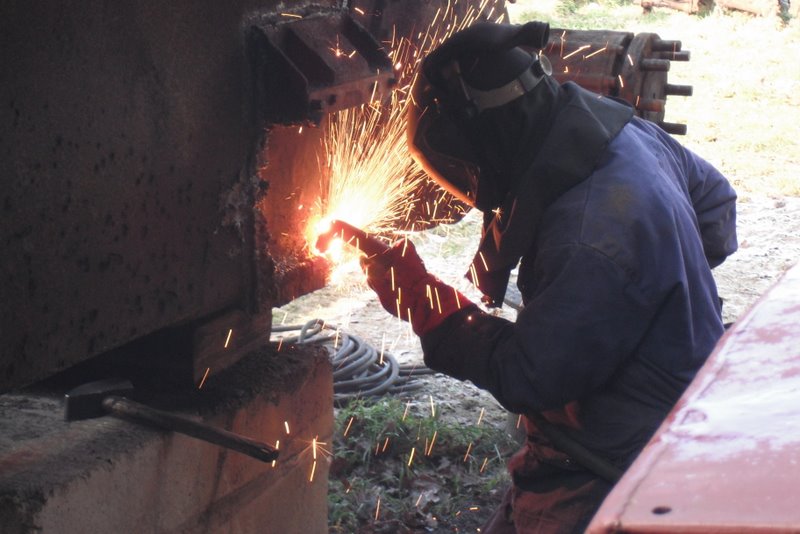
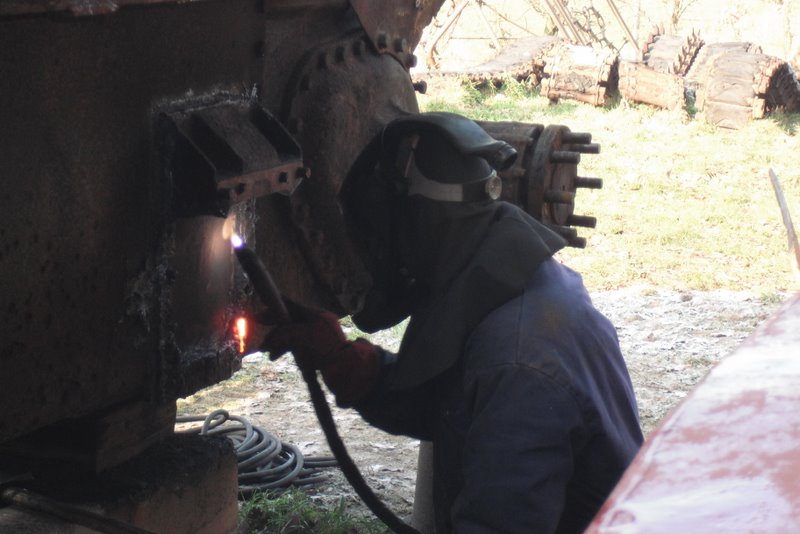
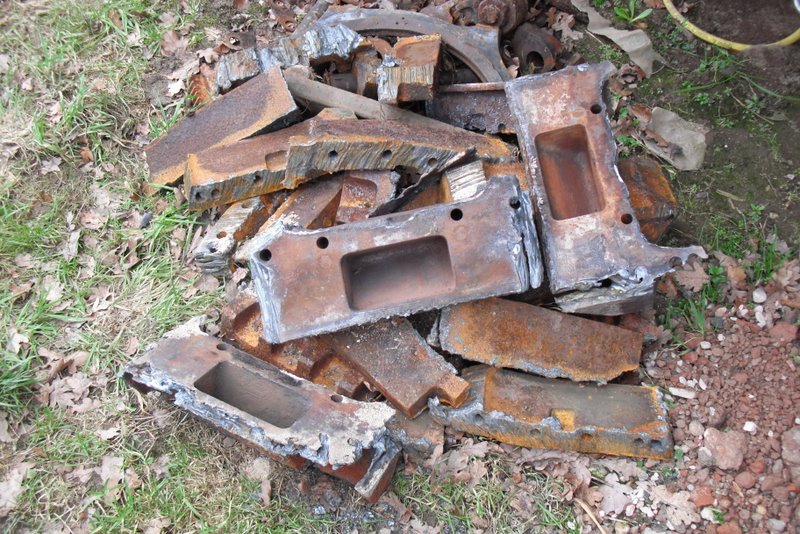
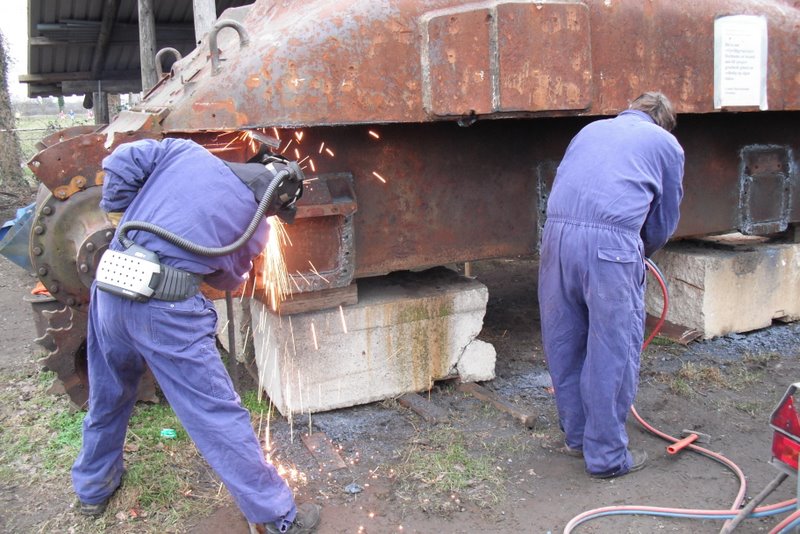
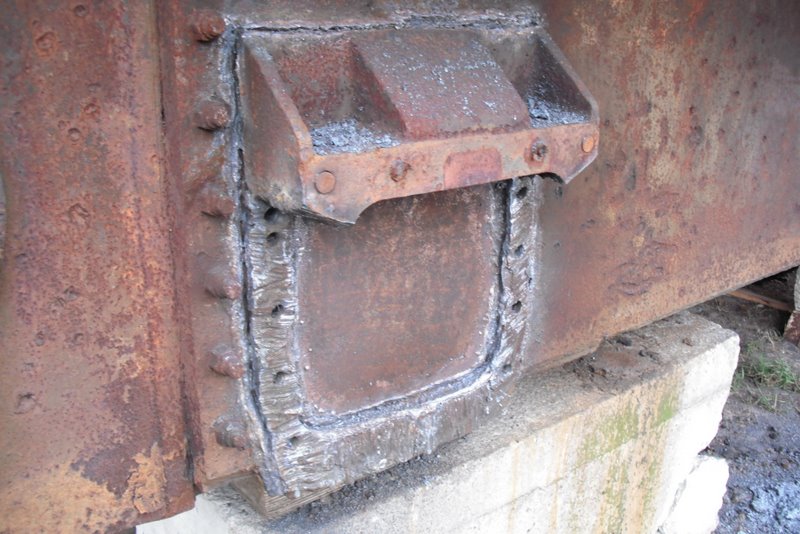
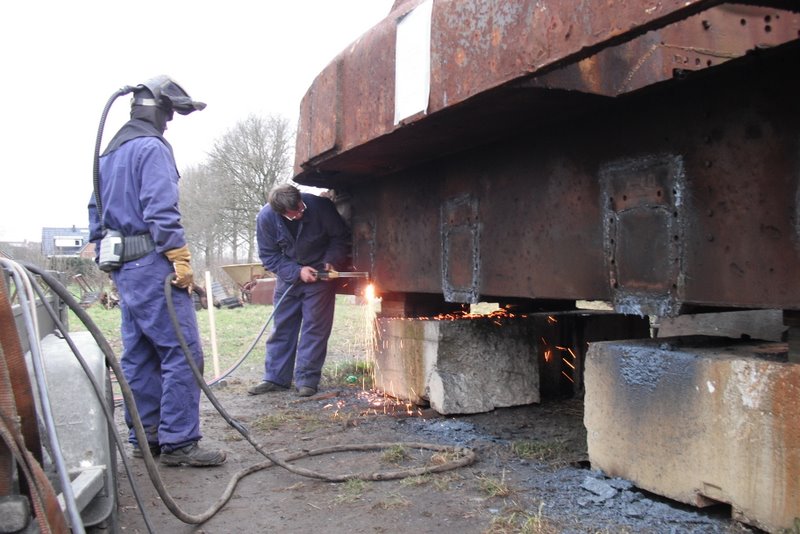
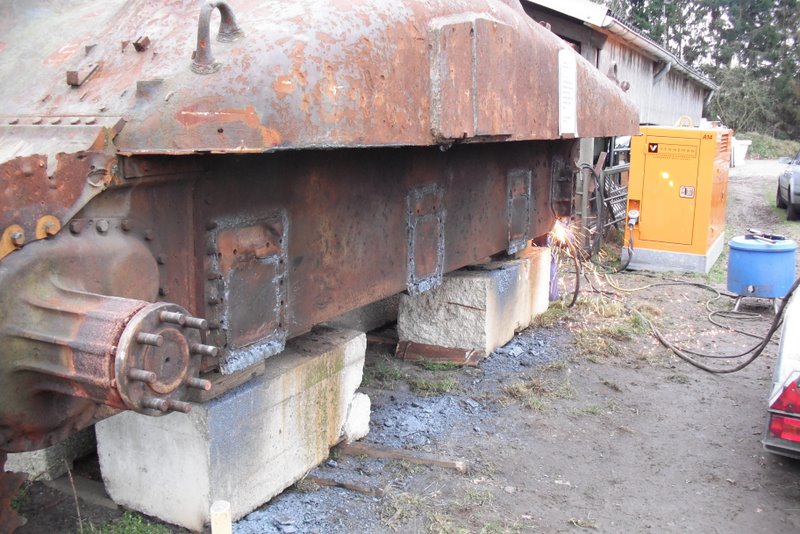
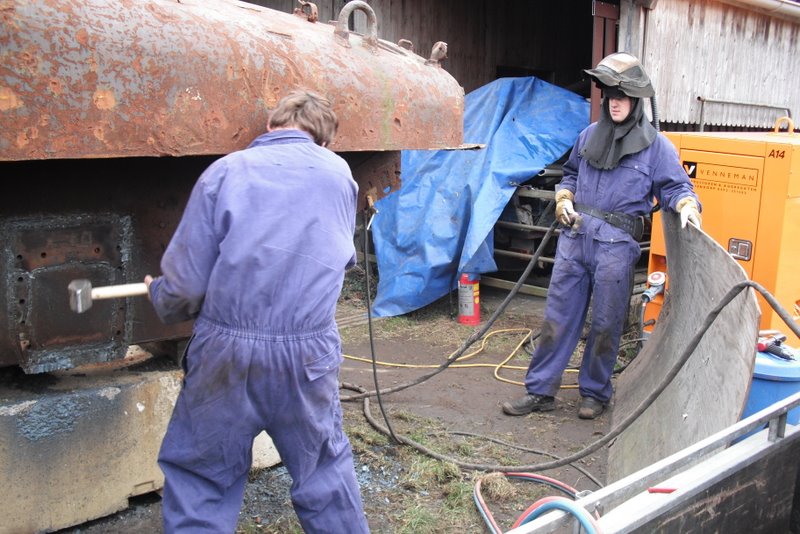
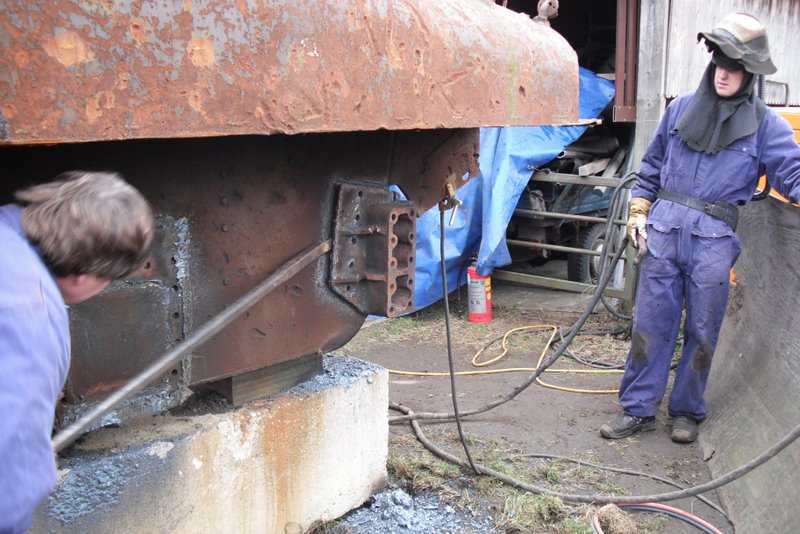
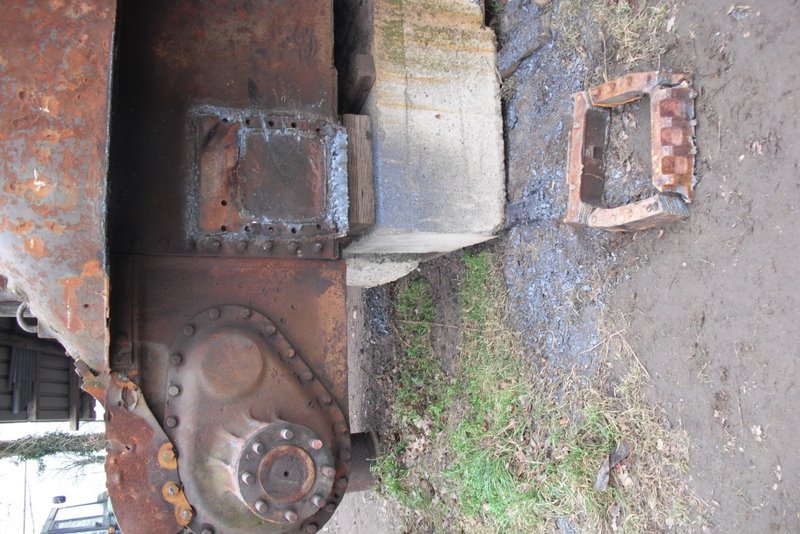
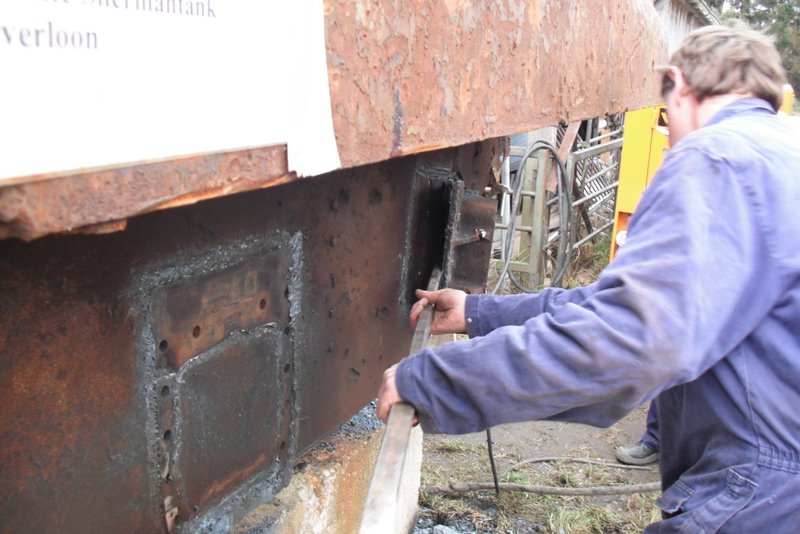
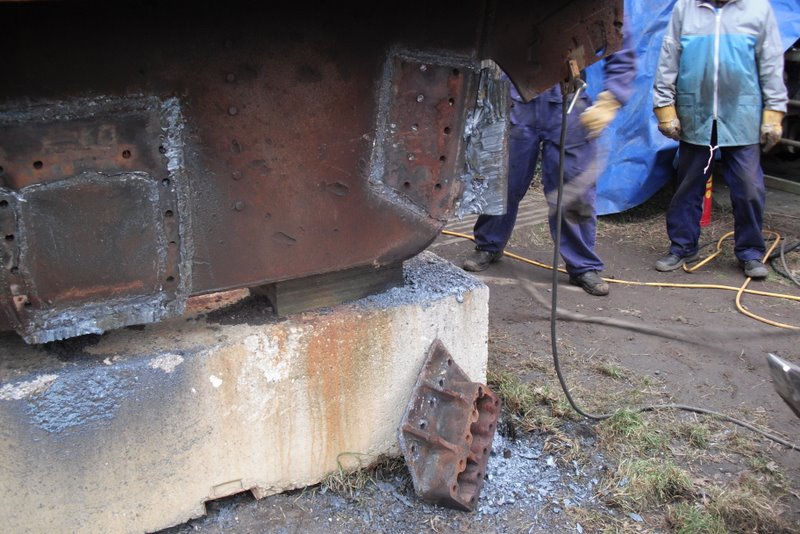
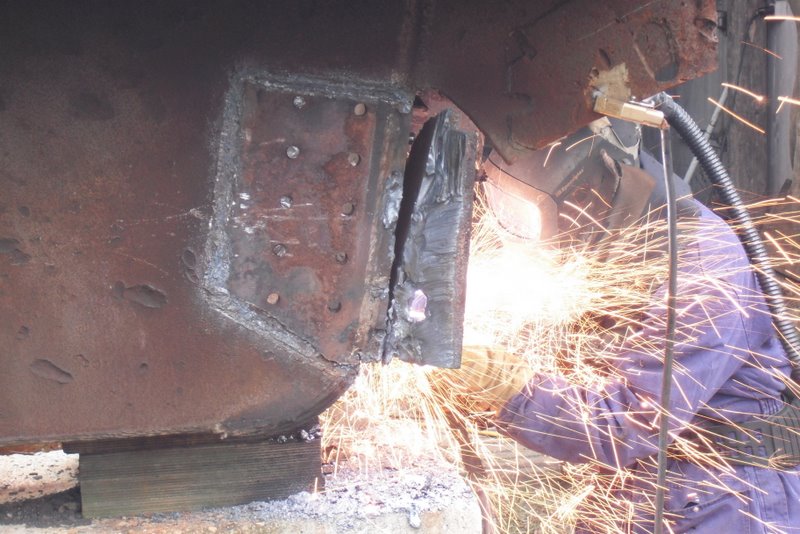
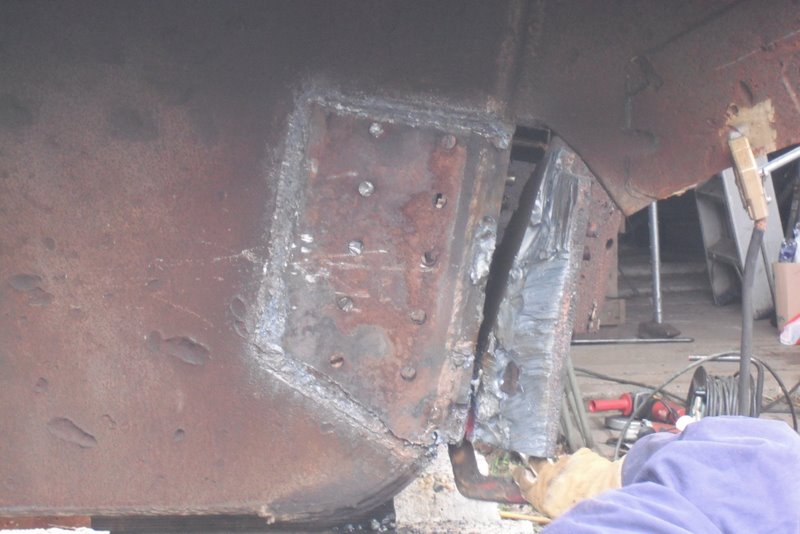
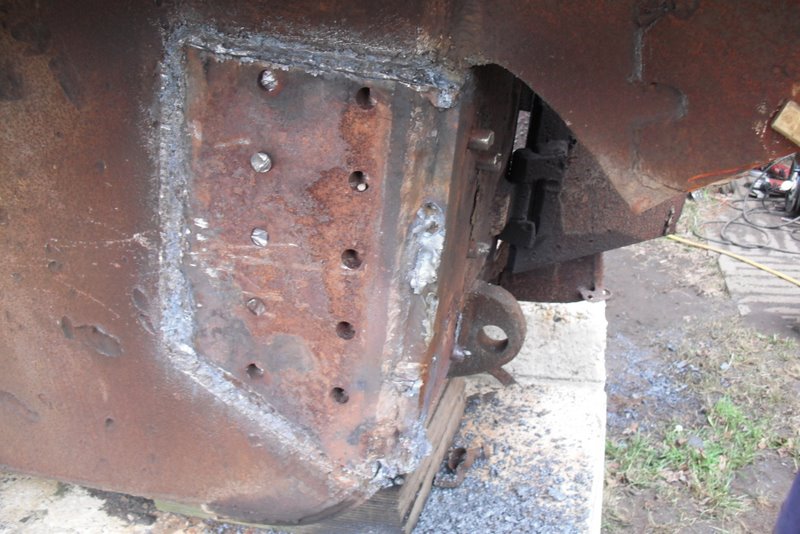
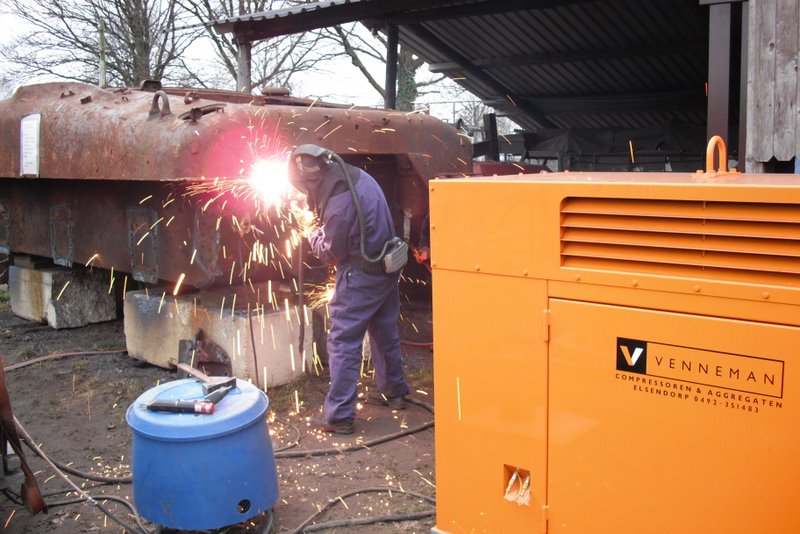
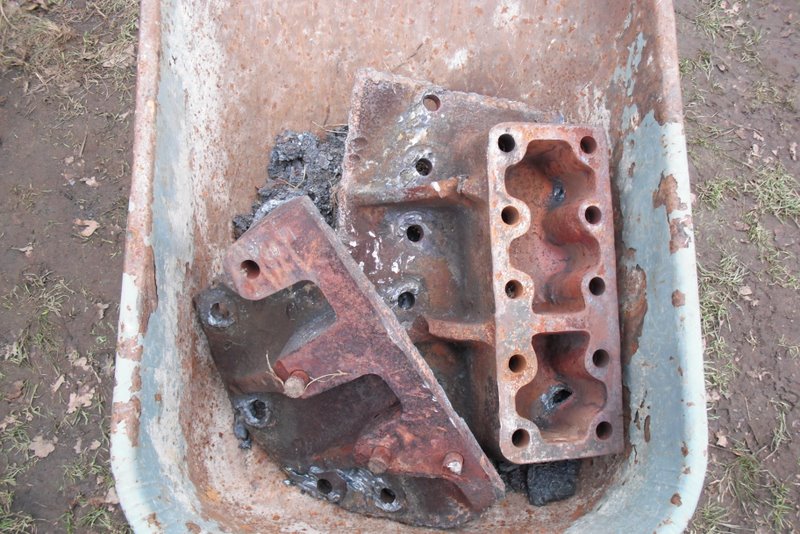
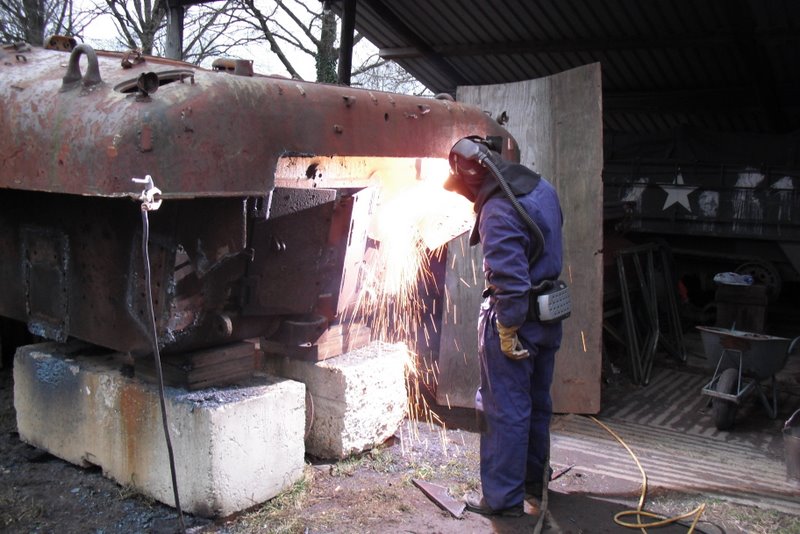
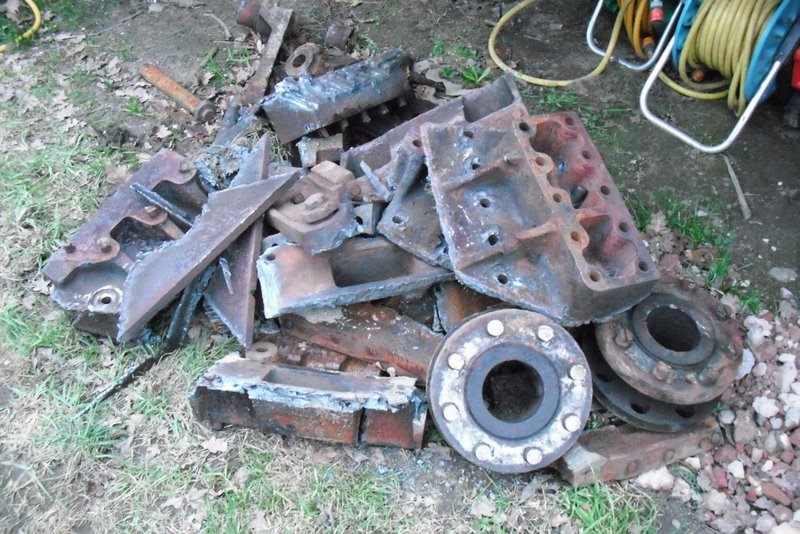
The right sprocket wheel was removed by using a 30-tons hydraulic jack and a pair of heavy chains. We tried the same with the left sprocket wheel but that didn’t work. Trading Company Spierings (www.adr-spierings.nl) lent us a 50-tons hydraulic jack. At first this also didn’t work. After making cuts in the rings and studs, the 50 tons were just enough to release the sprocket wheel. Now we could see what the wideners looked like. They were mounted on the original studs with nuts and the notorious rings. We also started to remove the wideners that are welded on the hull. We concluded it would be easier to cut the wideners in pieces with a cutting torch. The stainless welding (chrome and nickel) stays on the hull and will be removed with gouge technique. This job is done professionally by Matt Nielen and Maik Nielen from Matt Nielen Constructions (www.mattnielen.nl). They also removed the E9 air filter armour. To generate enough electricity for this job we got a heavy generator from Venneman Elsendorp (www.venneman-ca.nl).
In February the restoration of the bogie sets is planned at our little workshop in Overloon. We will also remove the remaining wideners and we plan further activities concerning the bodywork on the hull and the turret.
Restoration February 2011
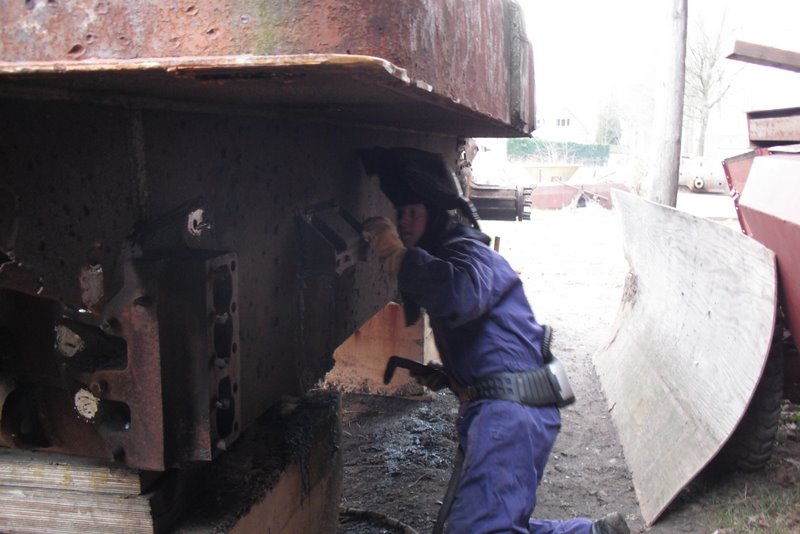
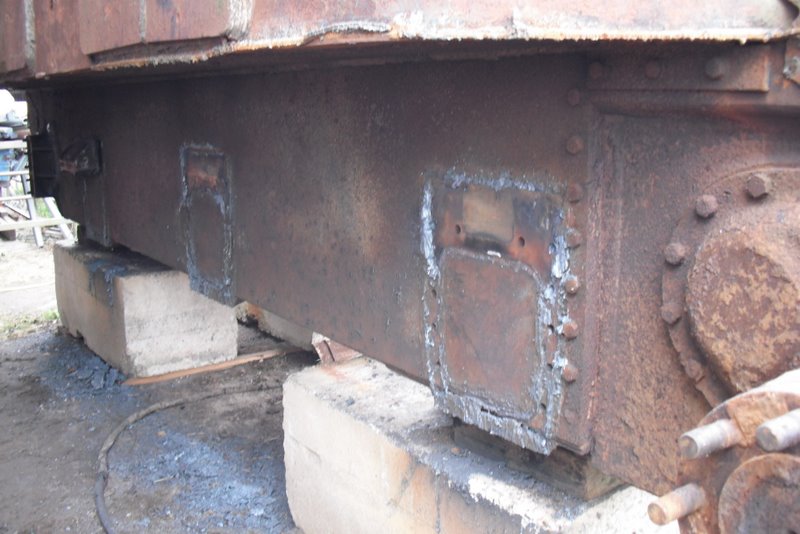
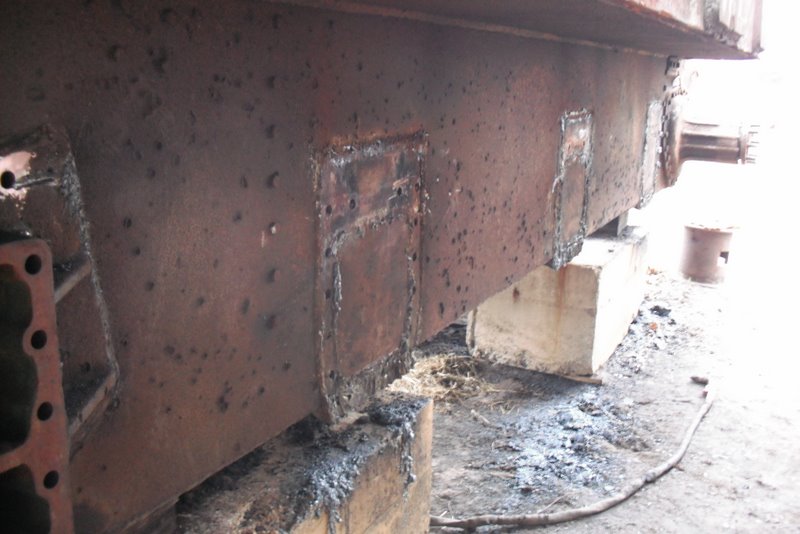
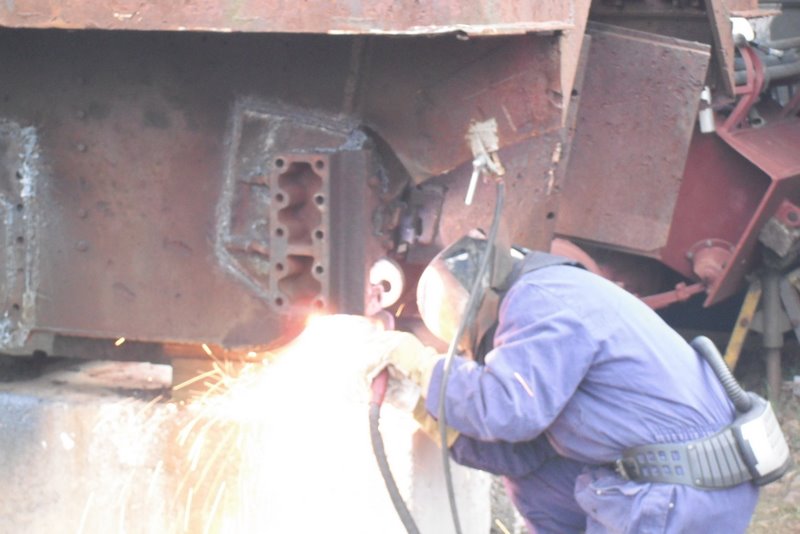
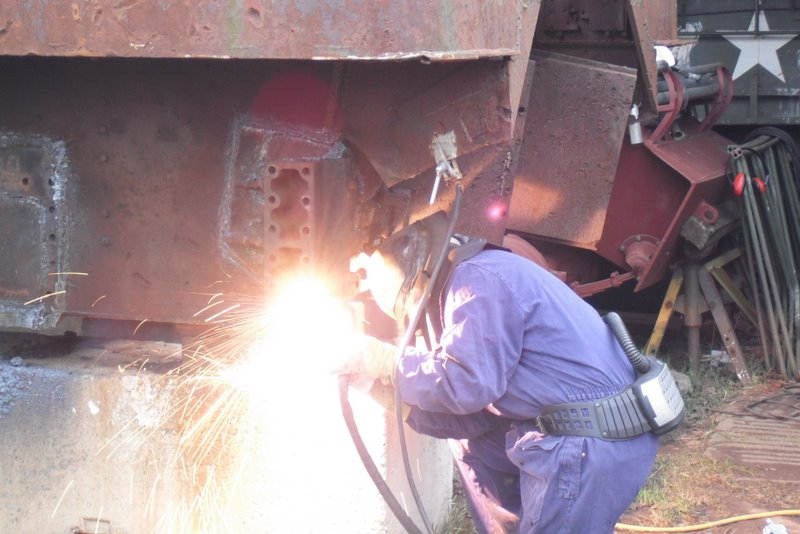
In February the last wideners welded on the tank according to the E9 specification were removed by Matt and Maik Nielen from Matt Nielen Constructions Boxmeer (www.mattnielen.nl)
They used an efficient system so the job was done very quickly (we refer to the restoration update of January 2011)
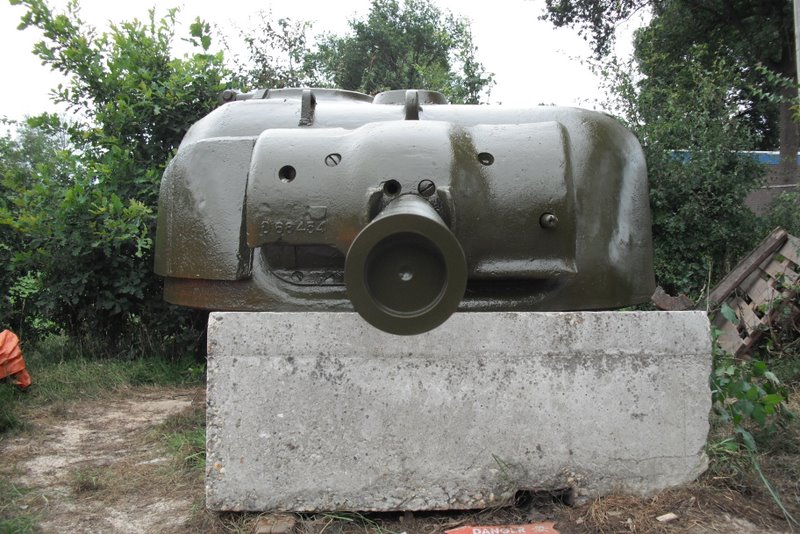
The armored steel air filter protectors that were welded at the backside (also an E9 specification) were also removed by them. The tank starts to look like the original M4A1 type which took part in the battle of Overloon in October 1944.
With grinding discs we treated the hull and turret to create a smooth surface. Already steel plates are made for closing the openings and holes in the hull and turret. Shortly these plates will be welded on the hull and turret.
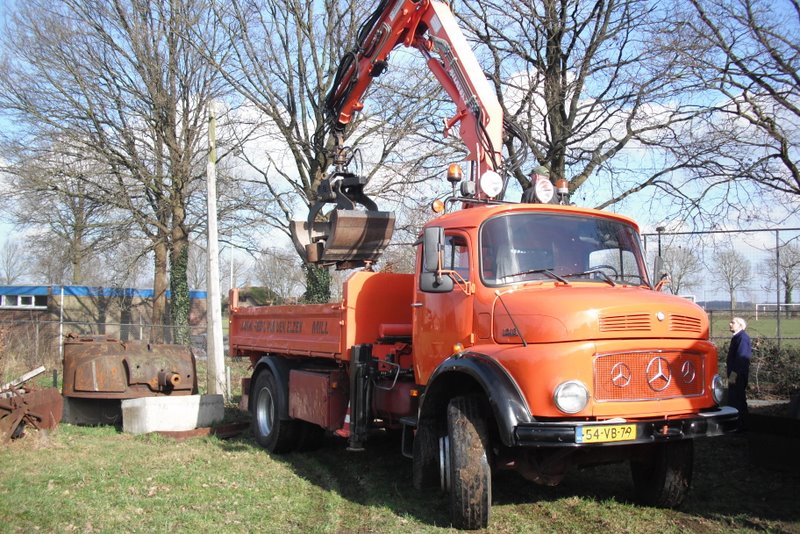
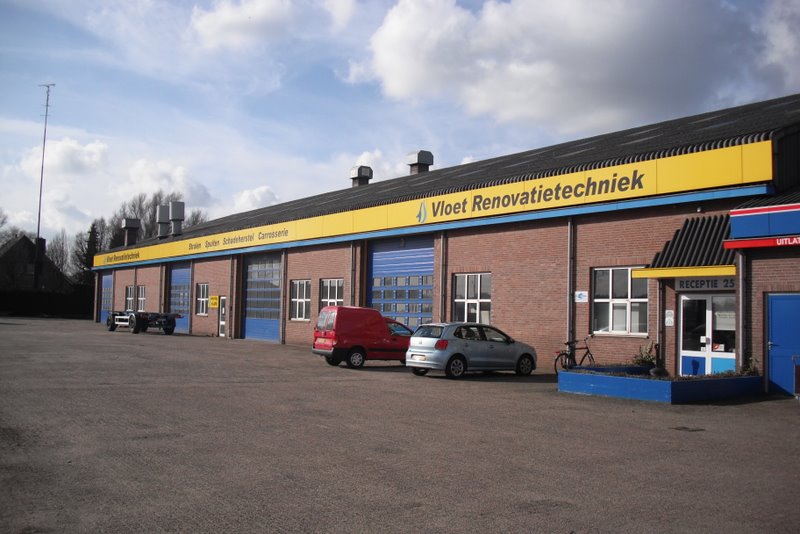
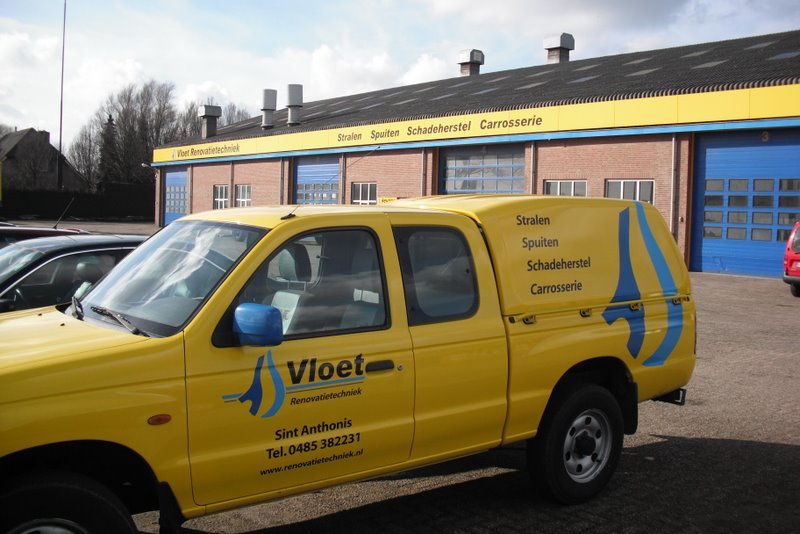
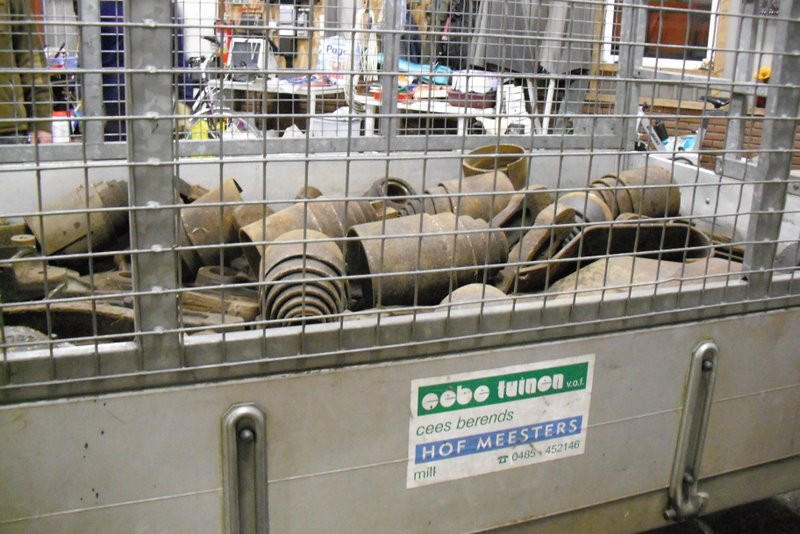
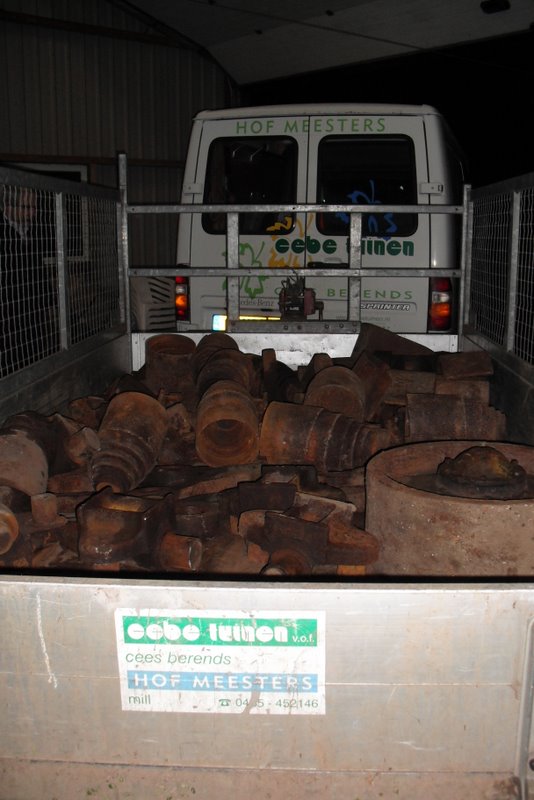
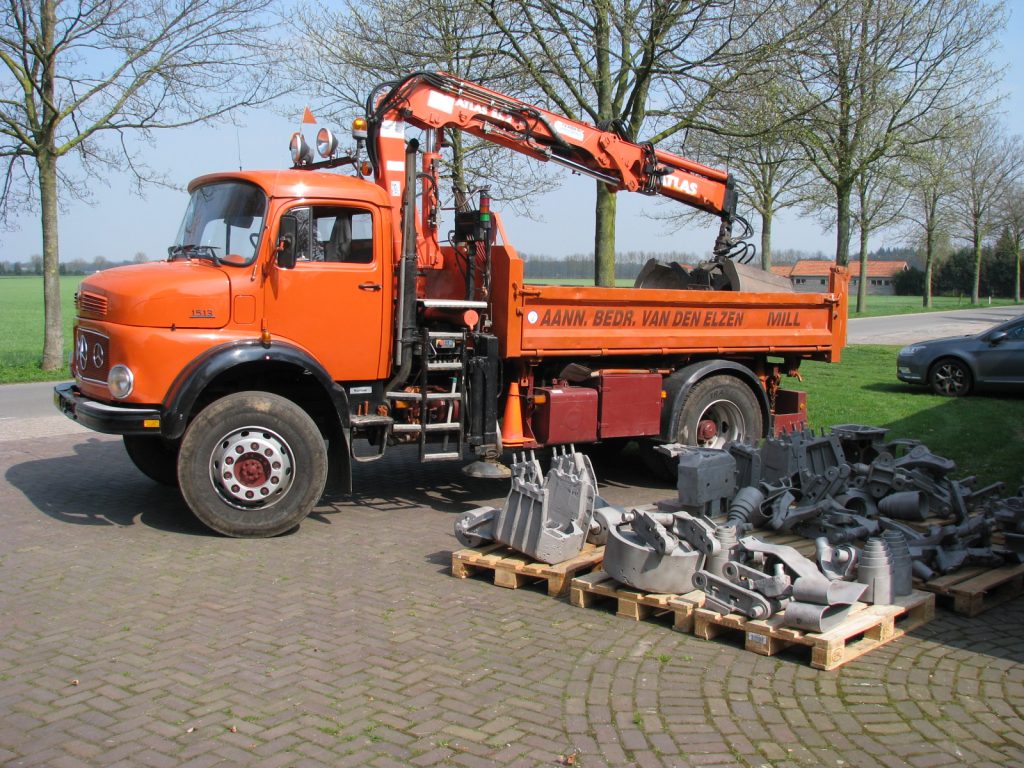
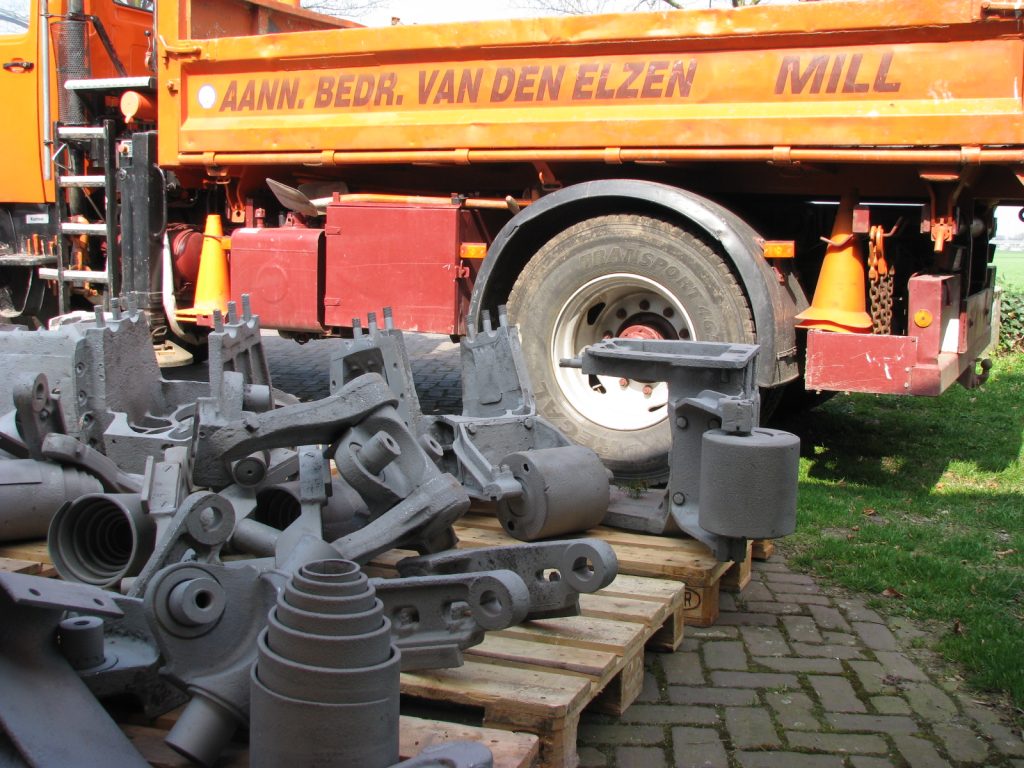
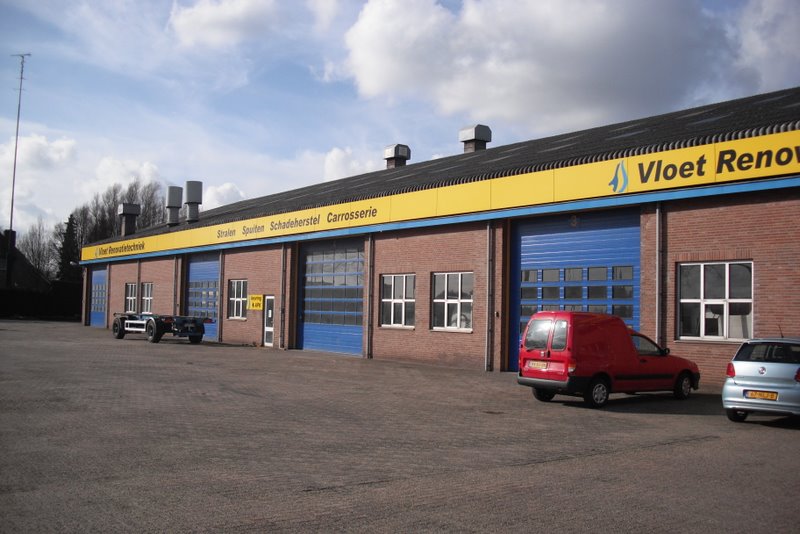
The bogie set parts were collected by Pieter van den Elzen from Mill and Cees Berends of CEBE Gardens (www.cebetuinen.nl) in Mill. The parts were transported to Vloet Renovation Technique (www.renovatietechniek.nl) where the sandblasting will take place.
The reproduction of the front and rear lamp brackets is completed.
For March we planned:
- the finishing of the bogie sets
- the final welding on the turret and hull
- the preparation for the sandblasting
Restoration March 2011
We got help from Artur and Joseph. They assisted in removing the welding residues that stayed behind after removing the wideners. We also further smoothed the hull and turret with grinding discs. Especially on the places where the projectiles left the tank there were bulges we had to treat with grinding discs. The bullet holes will be welded shortly with special electrodes suitable for welding armored steel. These electrodes are sponsored by Berkvens Metaalwerken b.v. in Asten (www.berkvens-metaal.nl).
The idler wheels were mounted on the hull so they will also be sandblasted. For mounting the idler wheels and the bogie sets Nedschroef Helmond (www.nedschroef.nl) provided us with the necessary nuts and bolts.
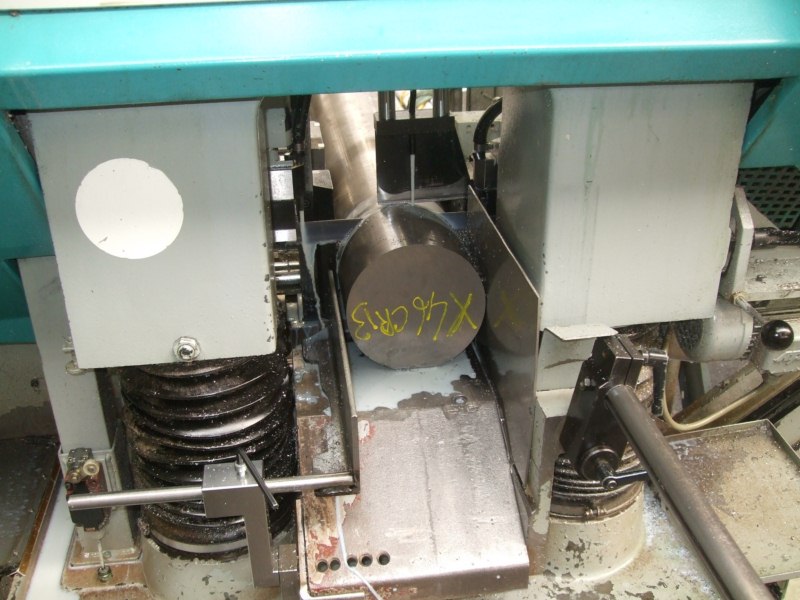
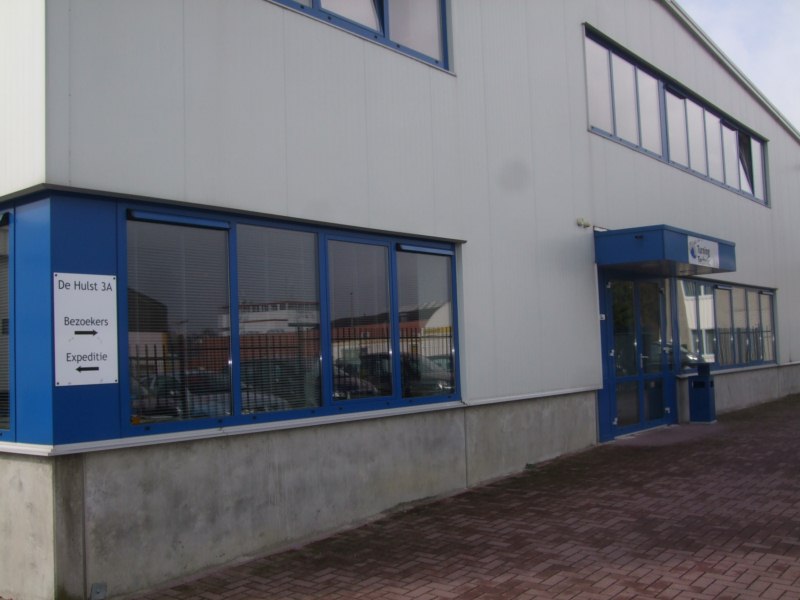
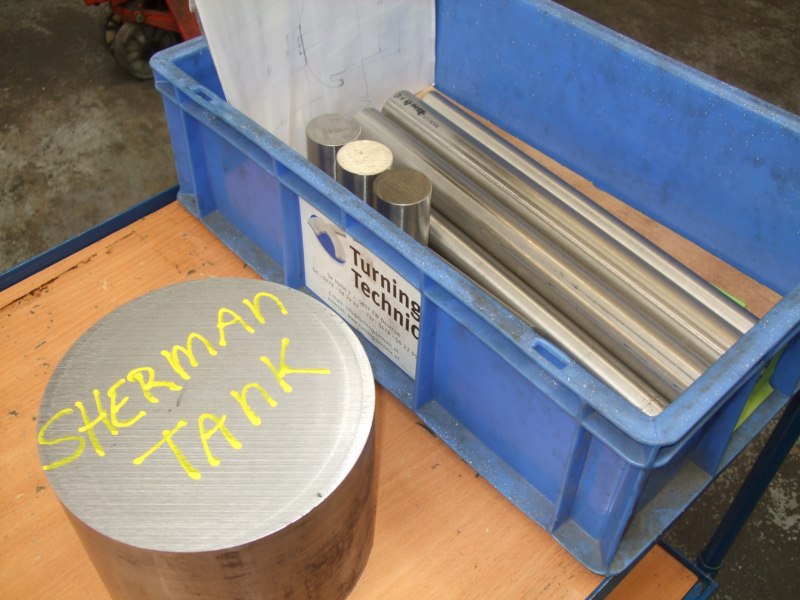
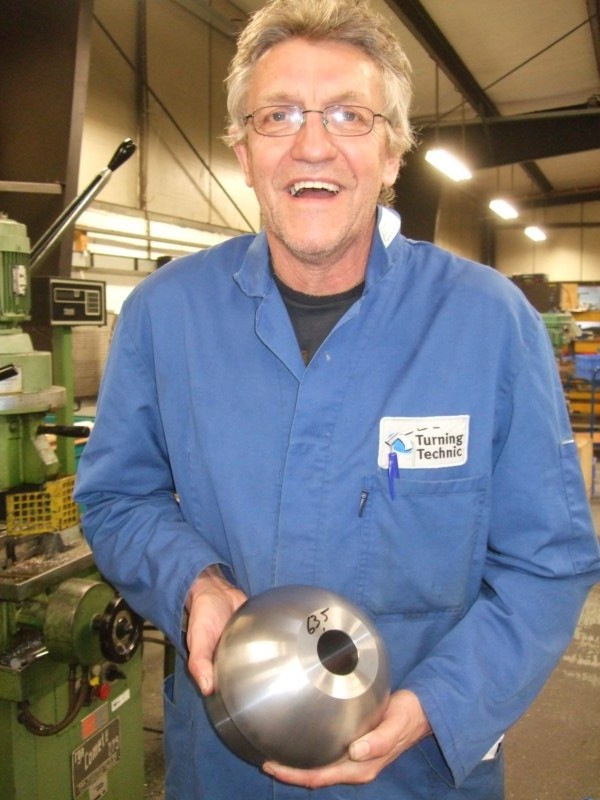
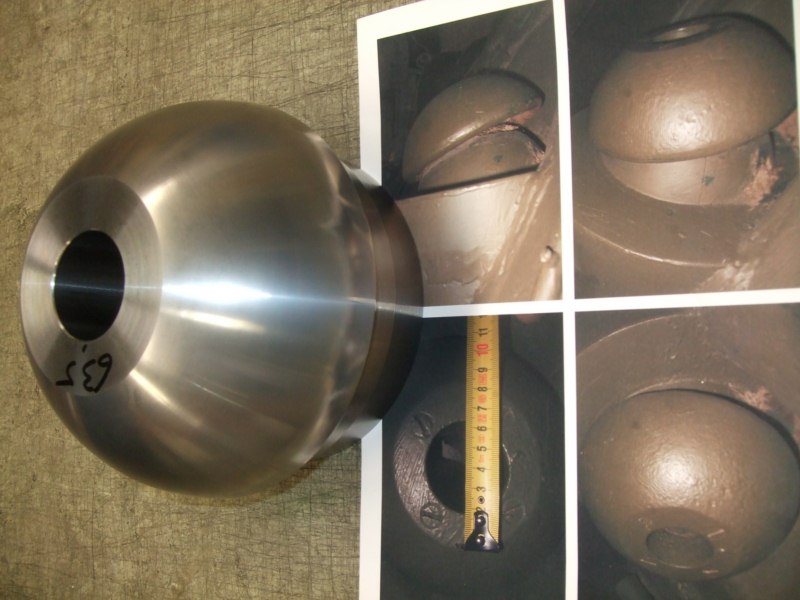
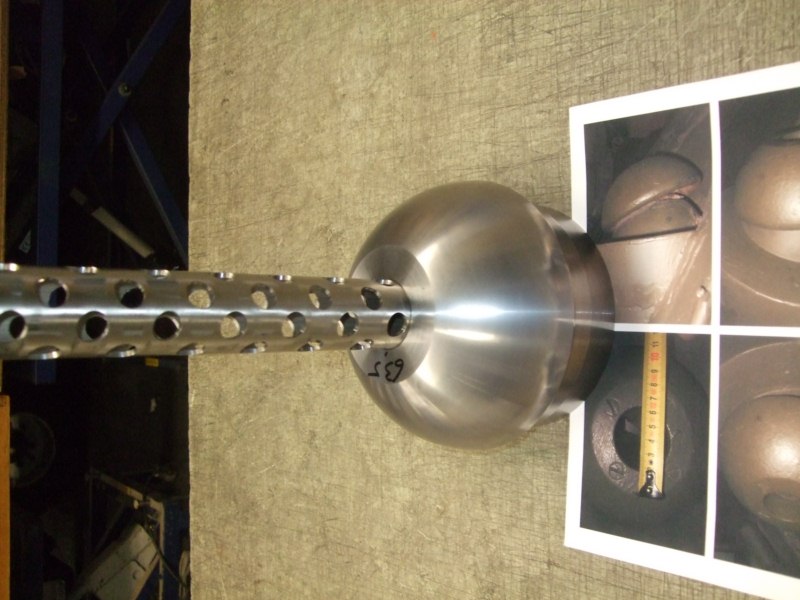
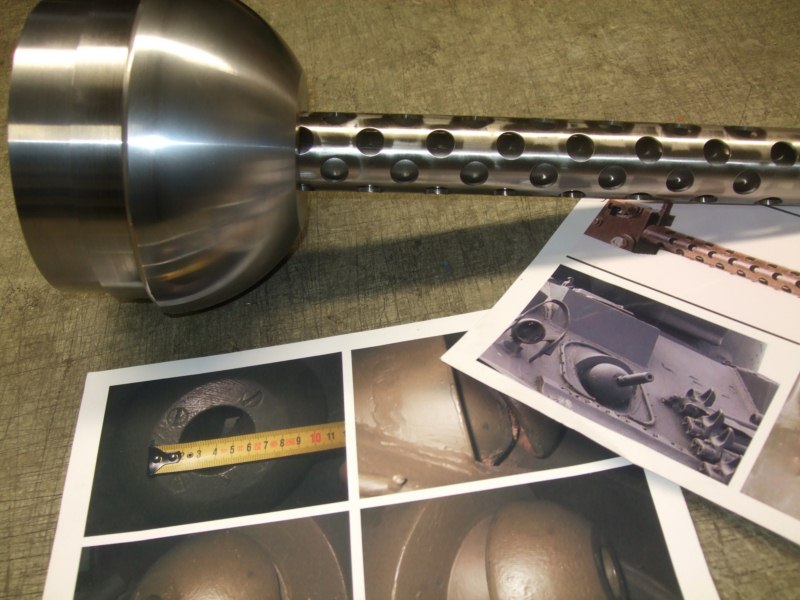
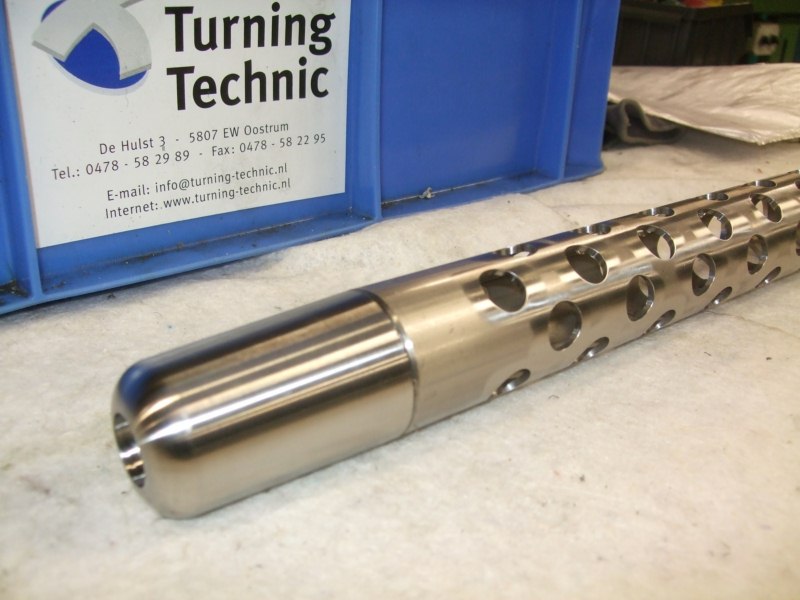
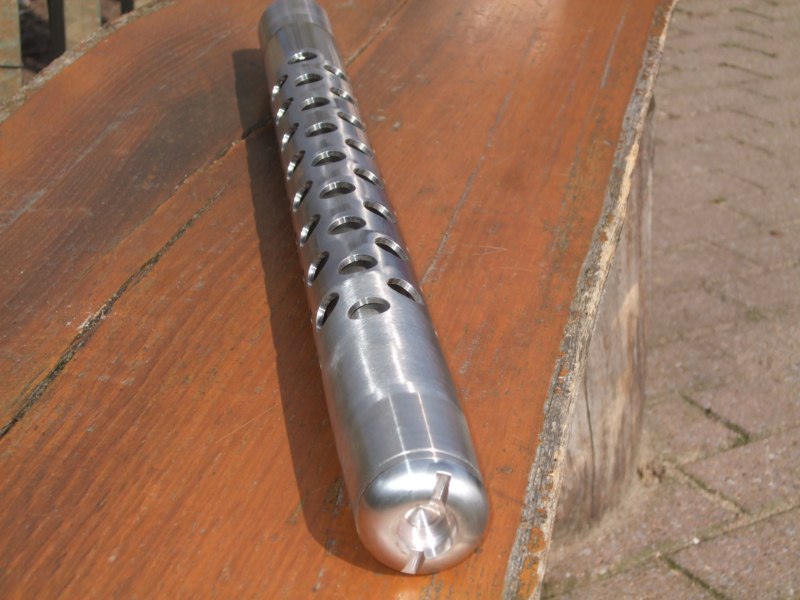
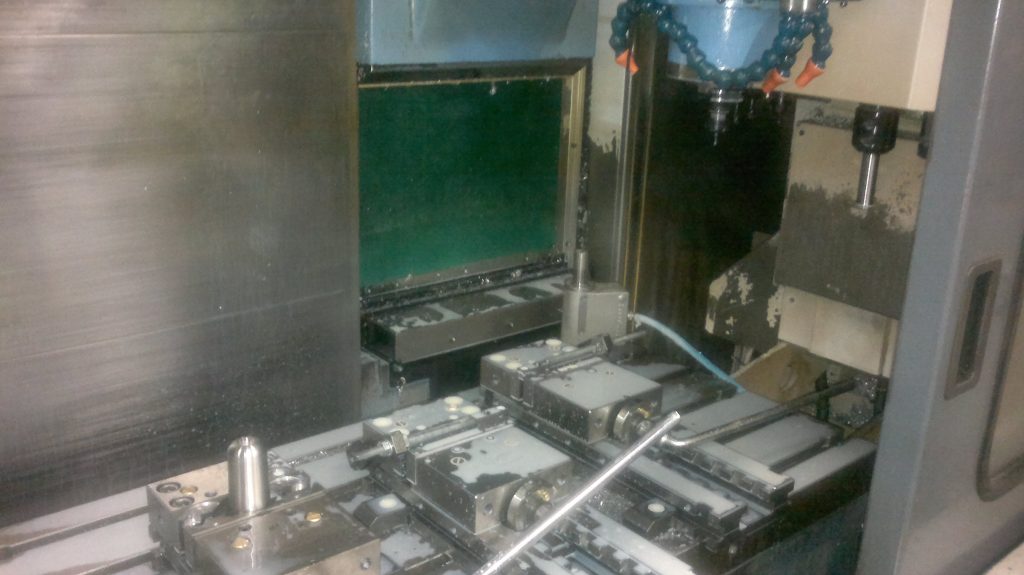
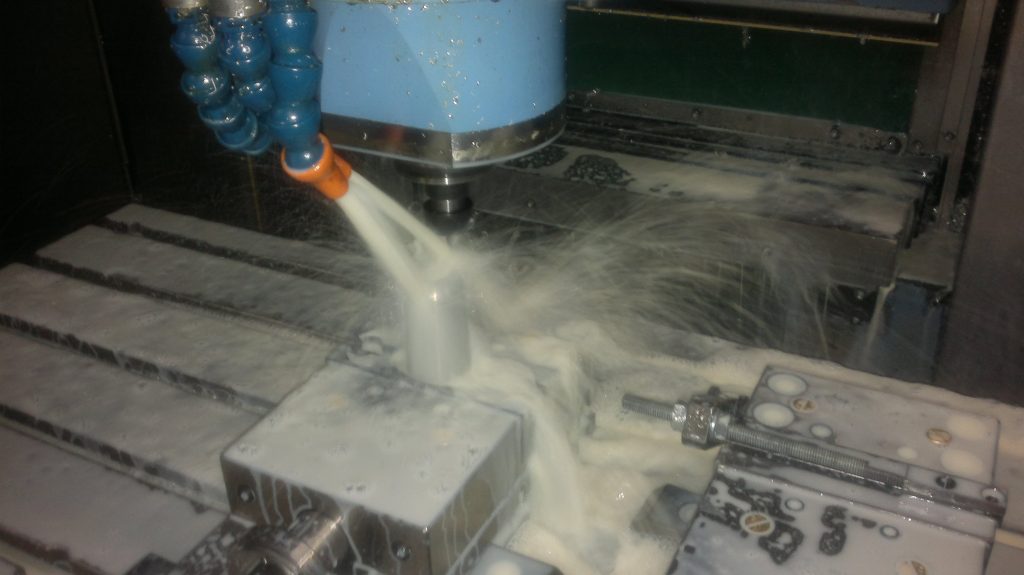
Enthusiastic employees from Turning Technic at Oostrum (www.turning-technic.nl), a supplier of precision products, are producing a replica of the .30 bowgun and the gunmount.
We managed to borrow an original front fender. Mike van Toer from Plaatwerken Deurne b.v., the specialist in cutting and punching metals (www.plaatwerkendeurne.nl), will reproduce a pair of front fenders.
The guards for the front lights were reproduced and welded on the hull. The klaxon guard that was badly damaged was fully restored and welded on the hull.
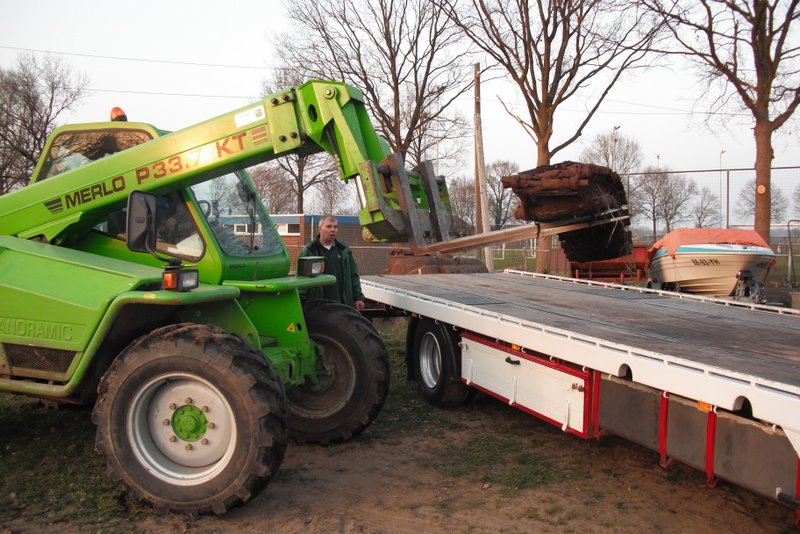
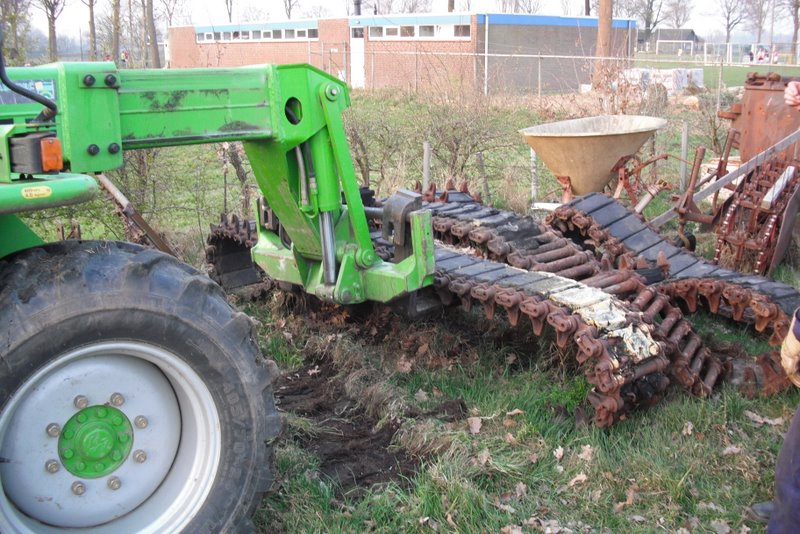
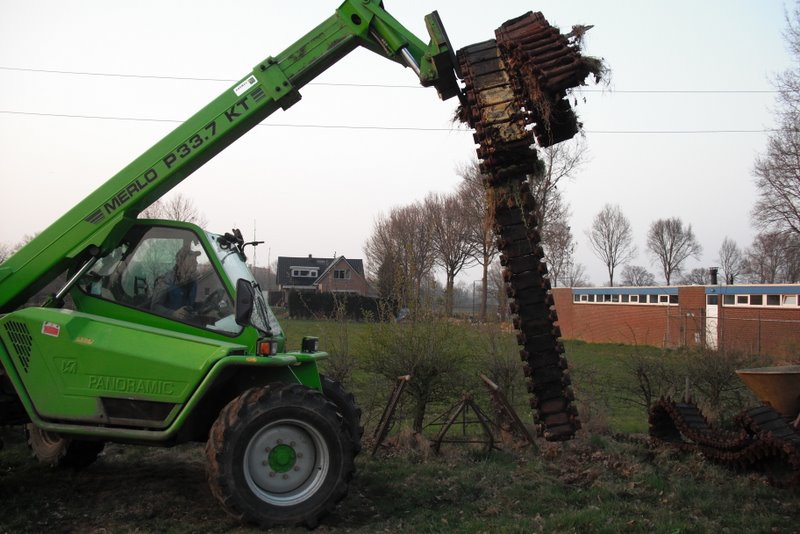
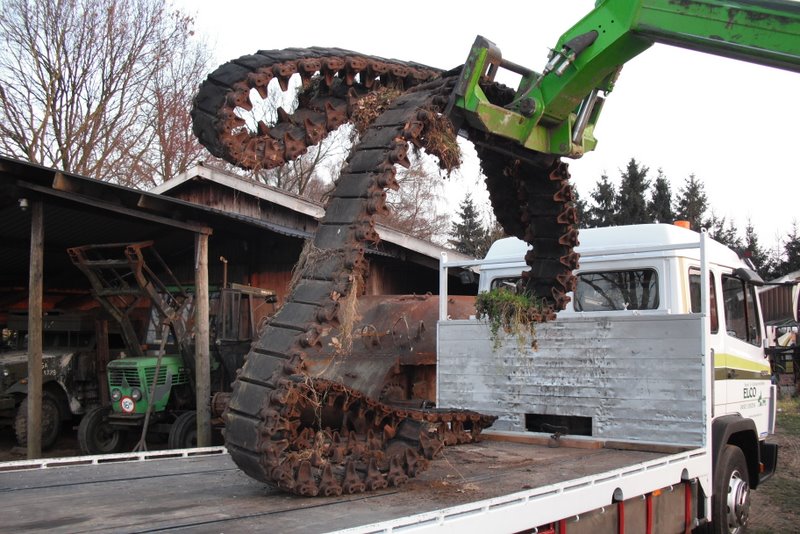
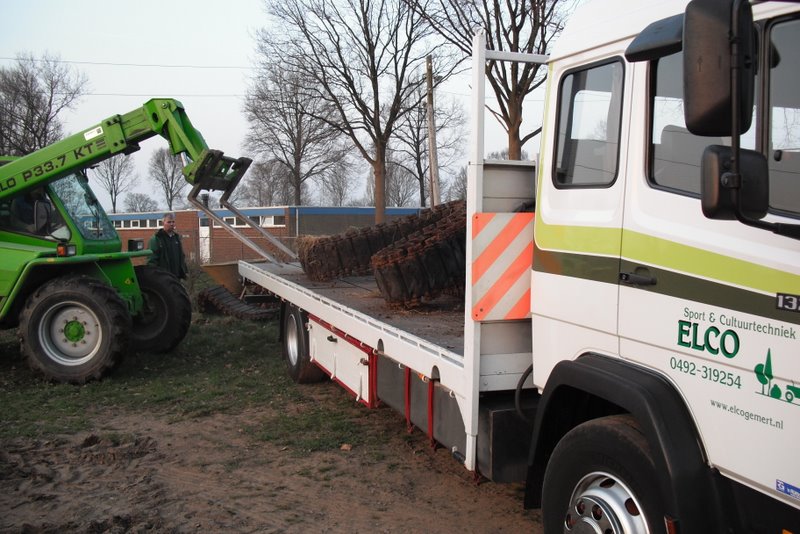
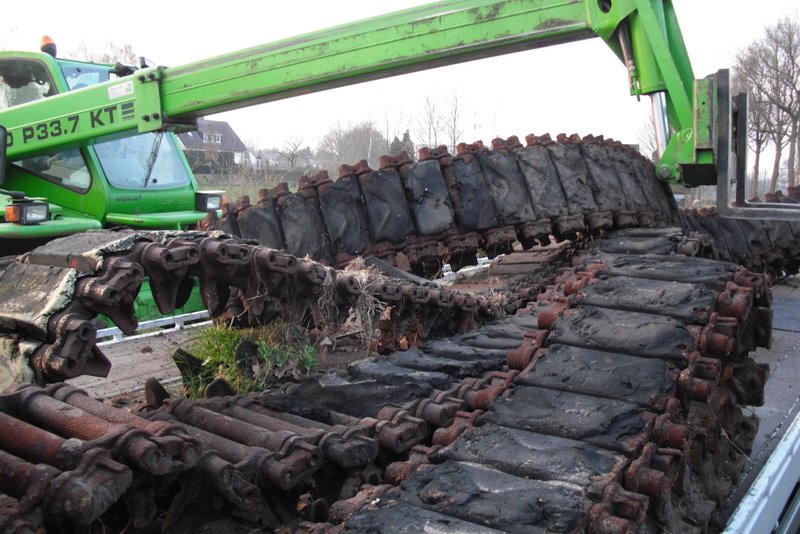
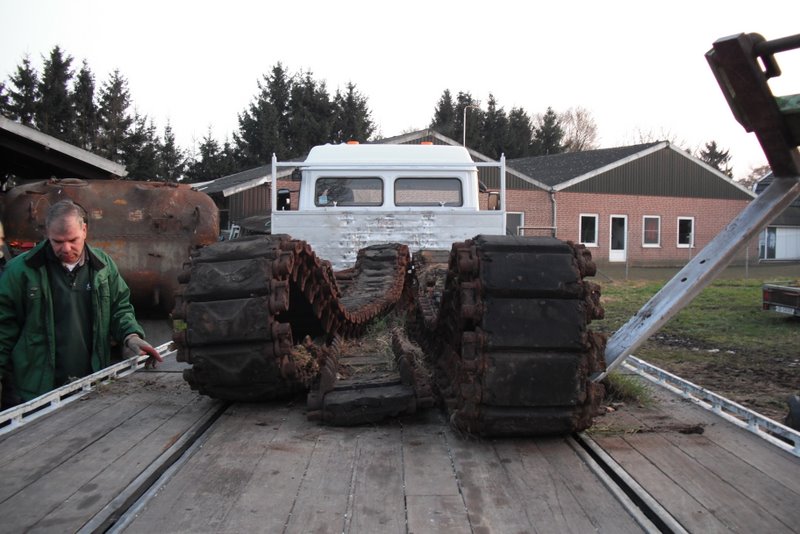
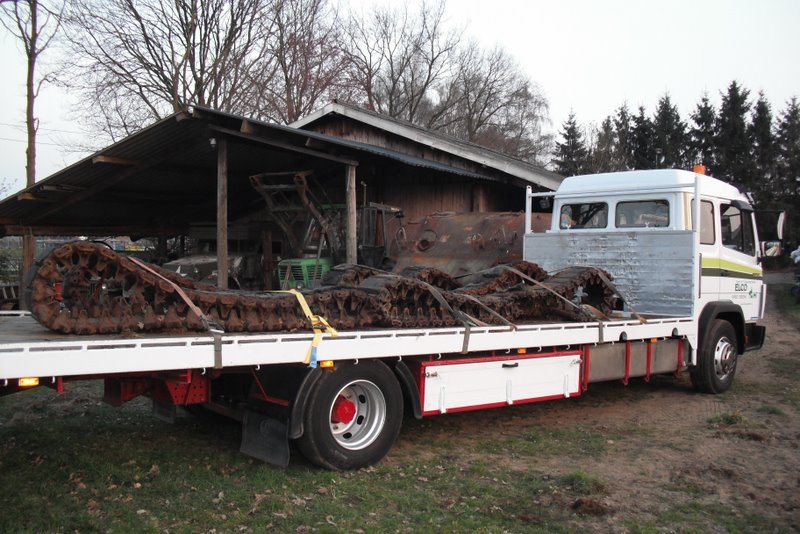
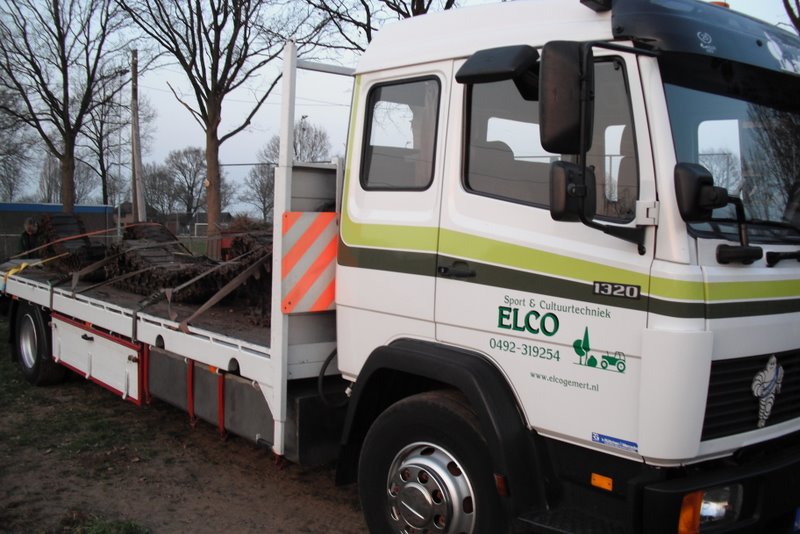
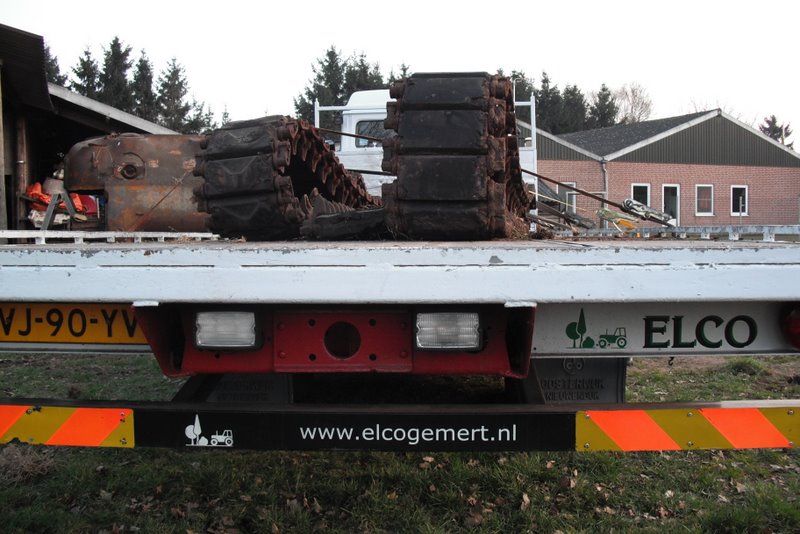
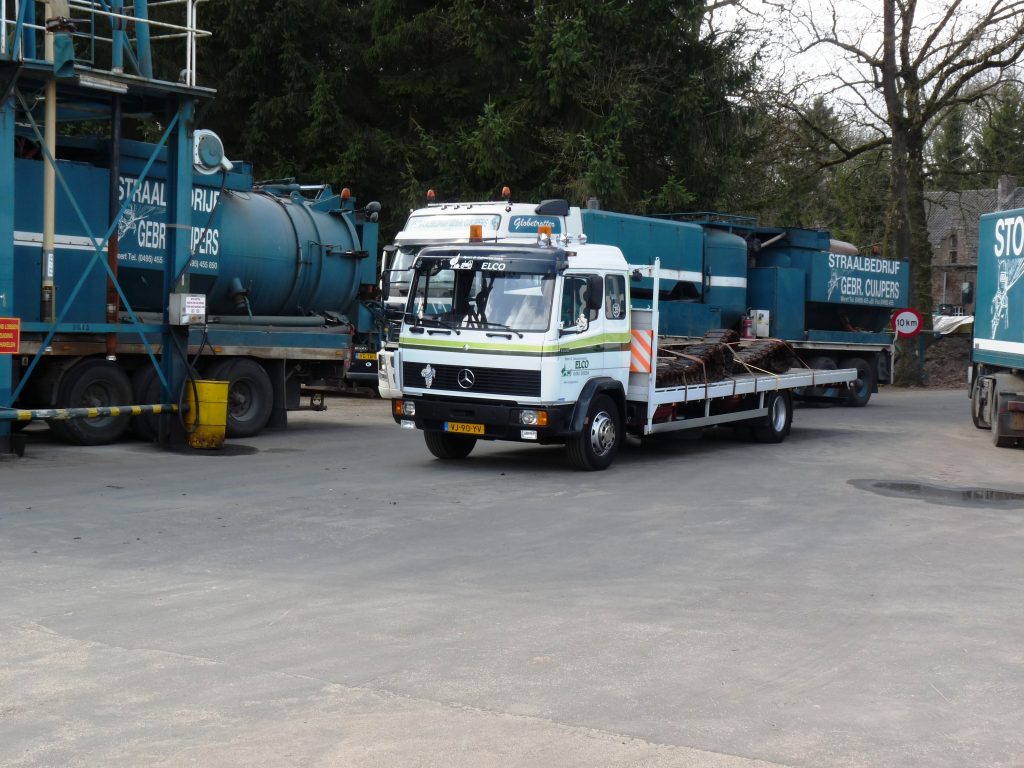
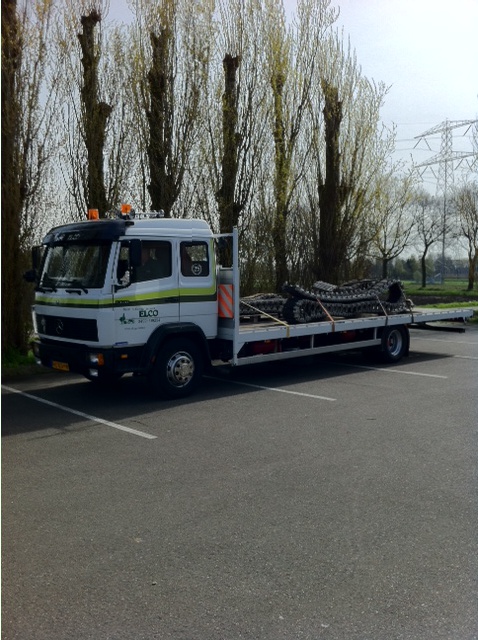
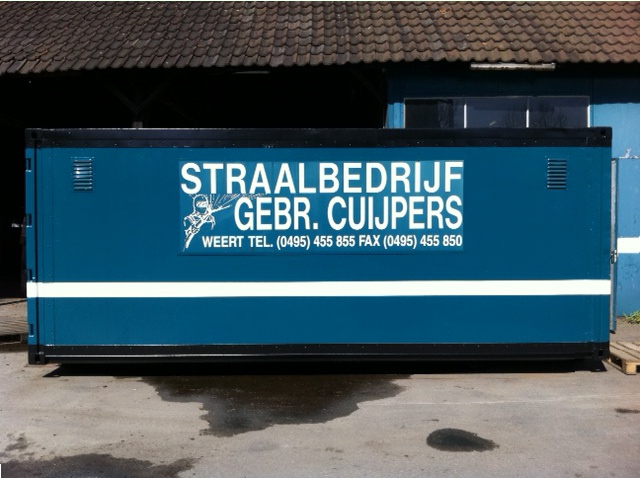
Company Elco in Elsendorp (www.elcogemert.nl), specialized in agricultural engineering moved the tracks to sandblasting company Cuijpers (www.cuijpers.nl) that’s going to sandblast the tracks for free! It will be a great puzzle to make a good looking set of tracks out of all the pieces.
In April we plan:
- further restoration of the bogies.
- welding the 75 mm gun barrel.
- all the welding that’s needed regarding the hull and turret.
- to sandblast hull and turret.
- after sandblasting apply the primer and putty.
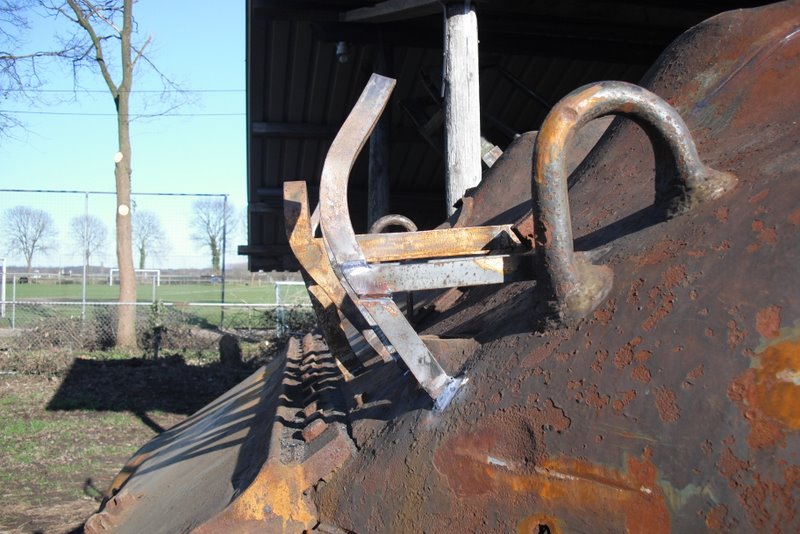
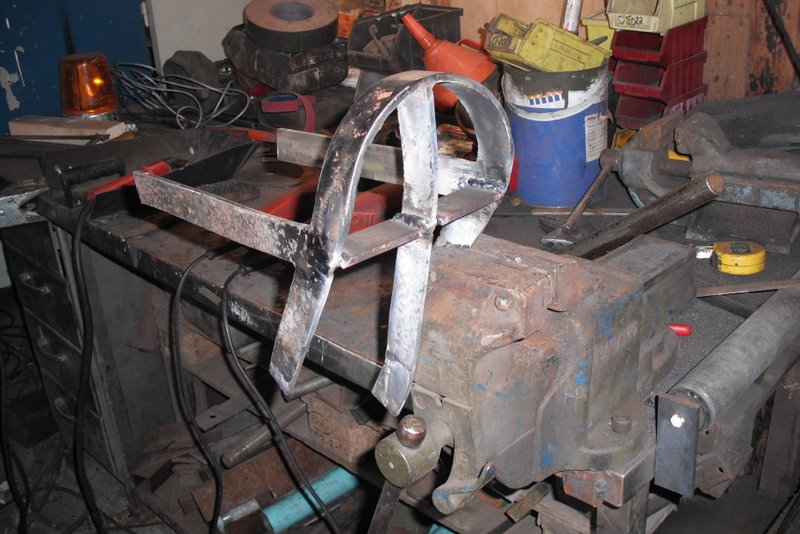
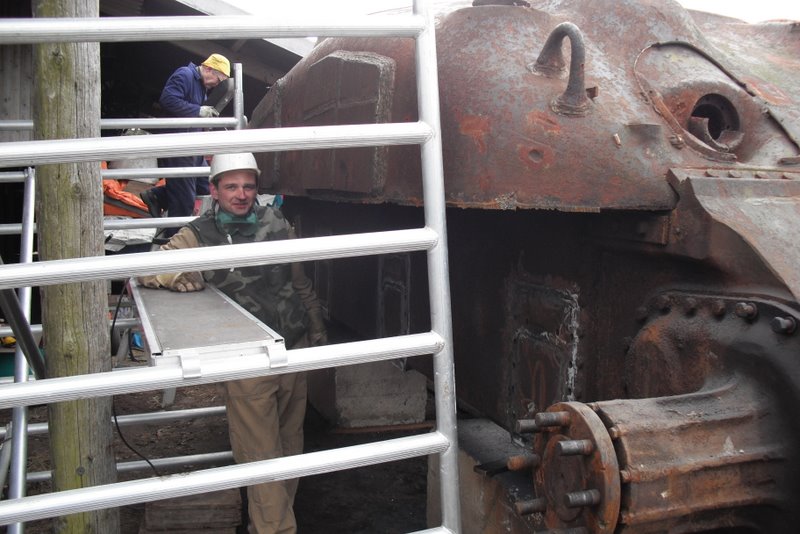
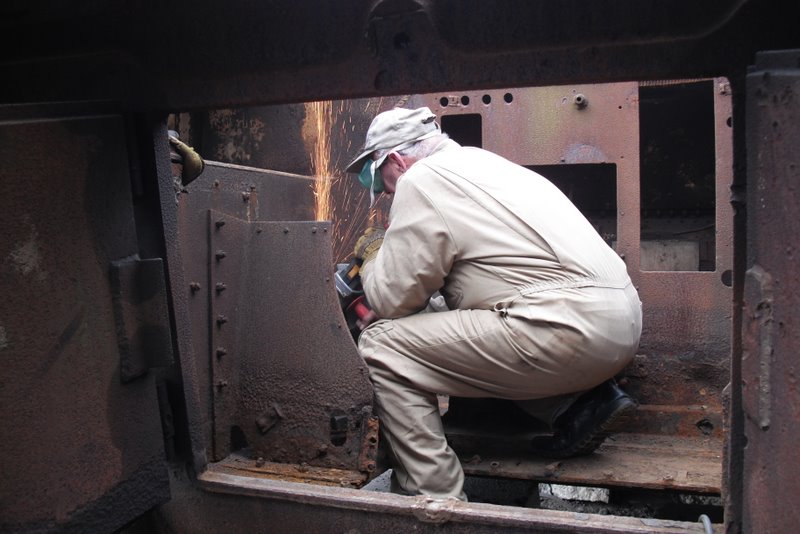
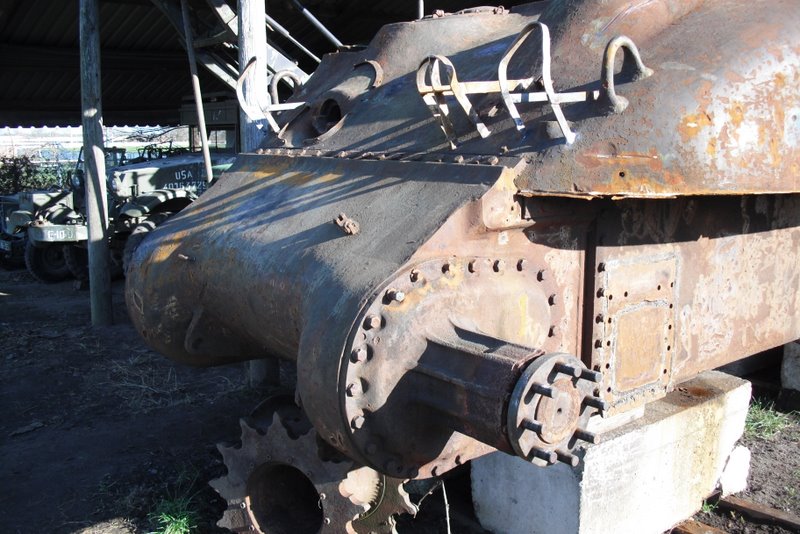
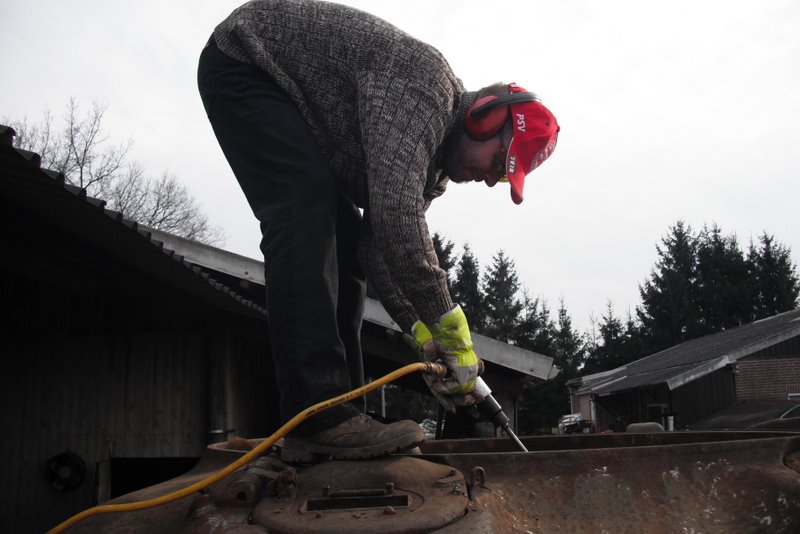
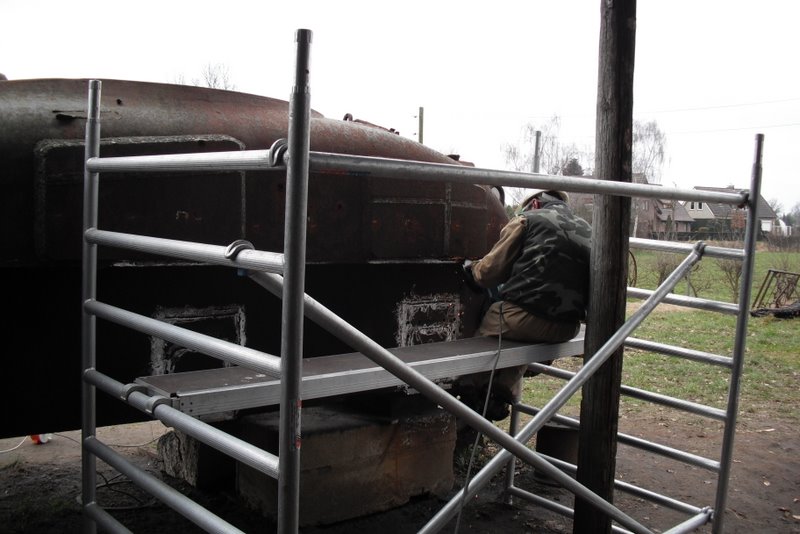
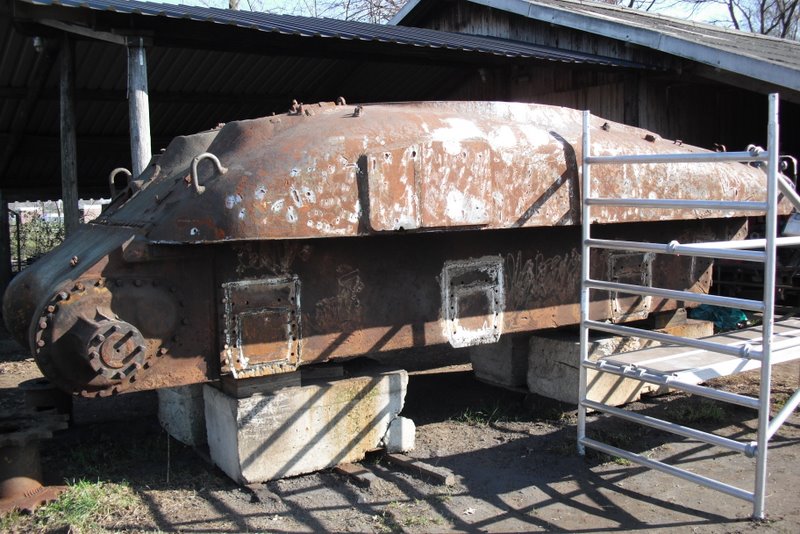
Restoration April 2011 (part 1)
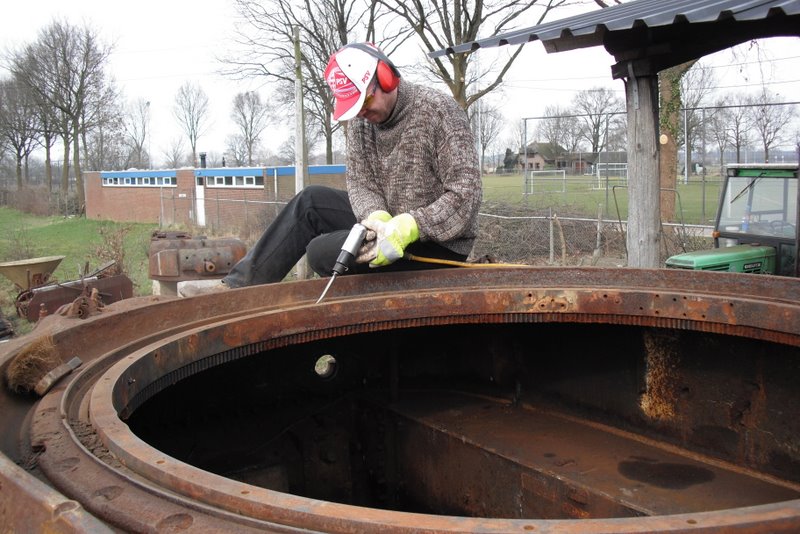
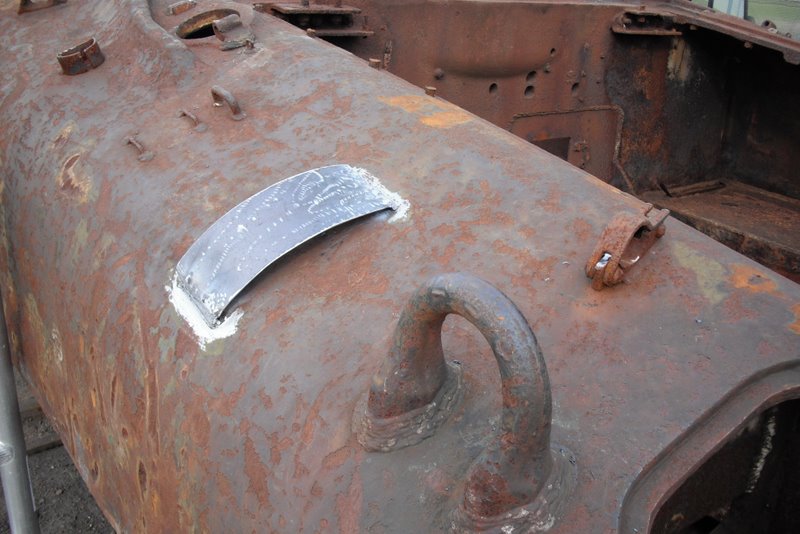
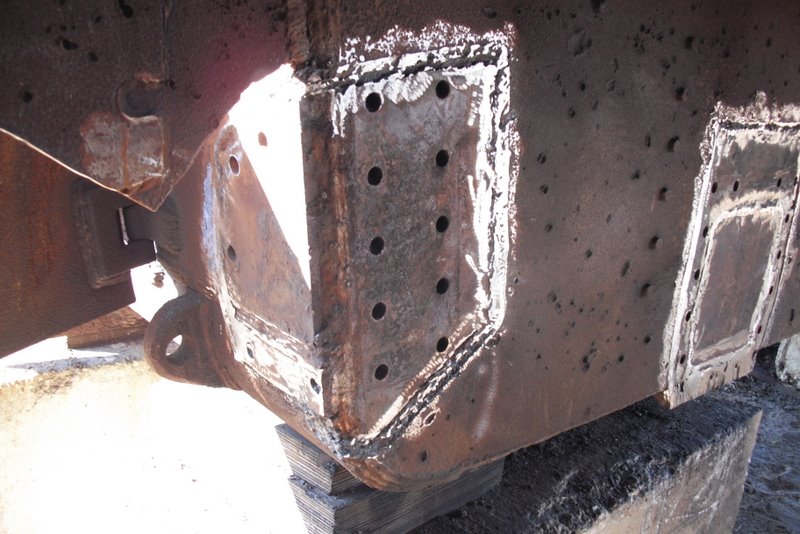
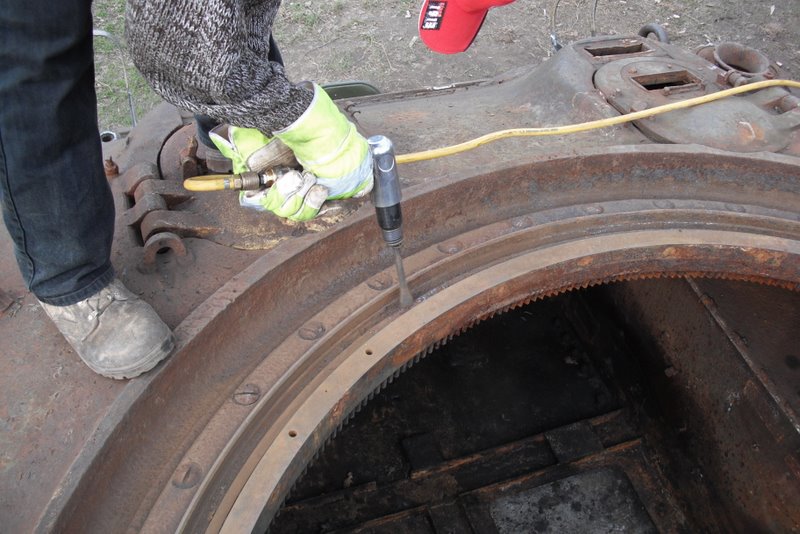
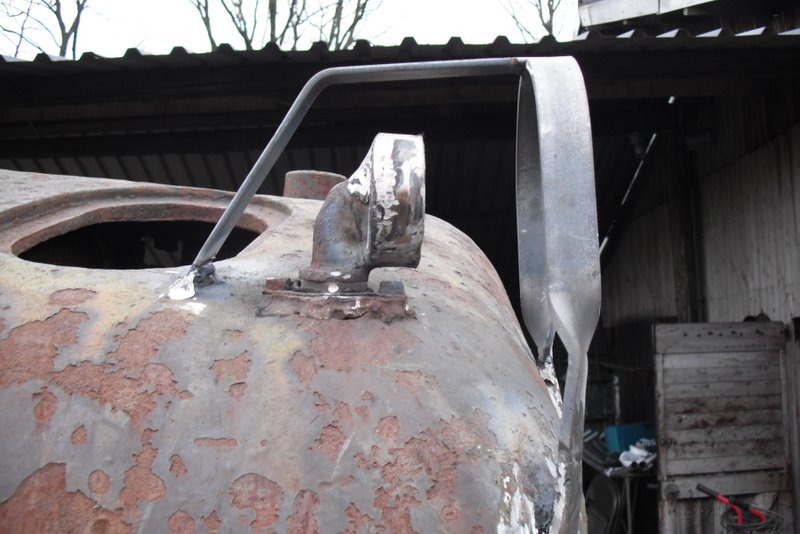
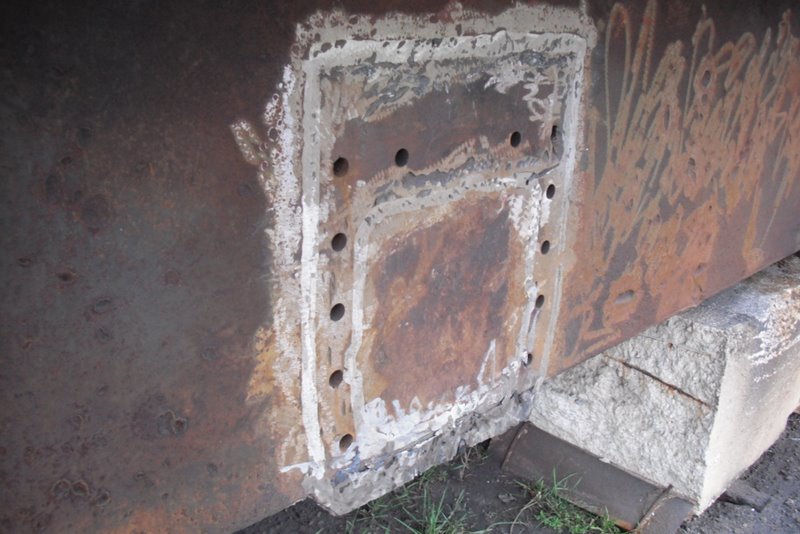
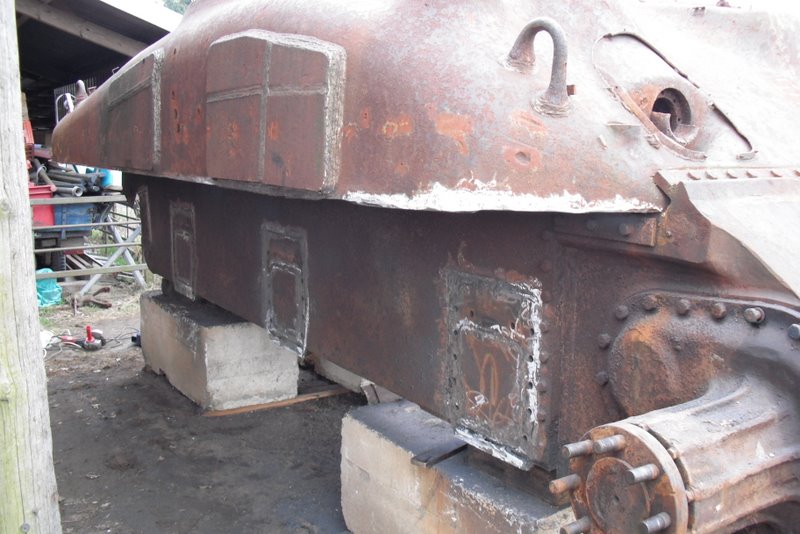
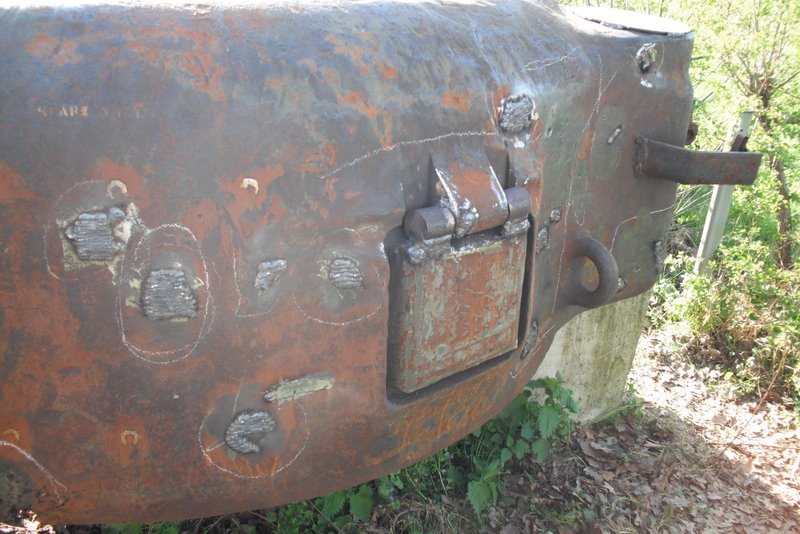
Sander from JPE (www.jpe-wijchen.nl), a company specialized in total machine maintenance, finished welding the turret. All bullet holes and other openings were welded for safety. The appropriate steel plates were obtained from trading company J. Kelders (www.kelders-boxmeer.com). Because we are working with armored steel it’s necessary to work with specialized welding equipment and mixed (welding) gas. These materials are sponsored by Berkvens Metaalwerken b.v. in Asten (www.berkvens-metaal.nl).
In a short time Sander will finish the hull. Due to planning difficulties it wasn’t possible to finish this job before the sandblasting.
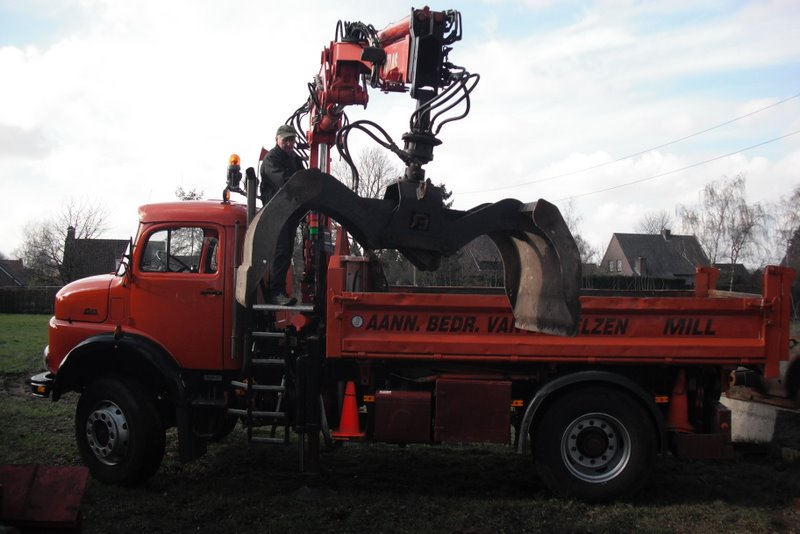
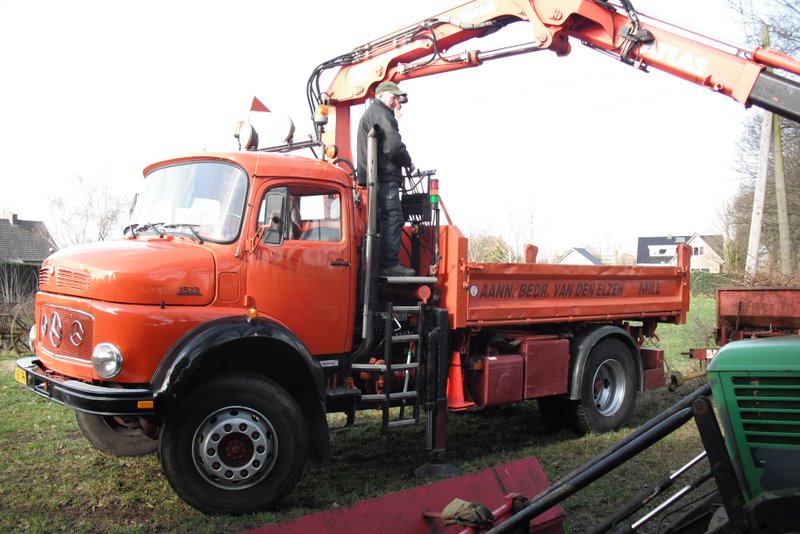
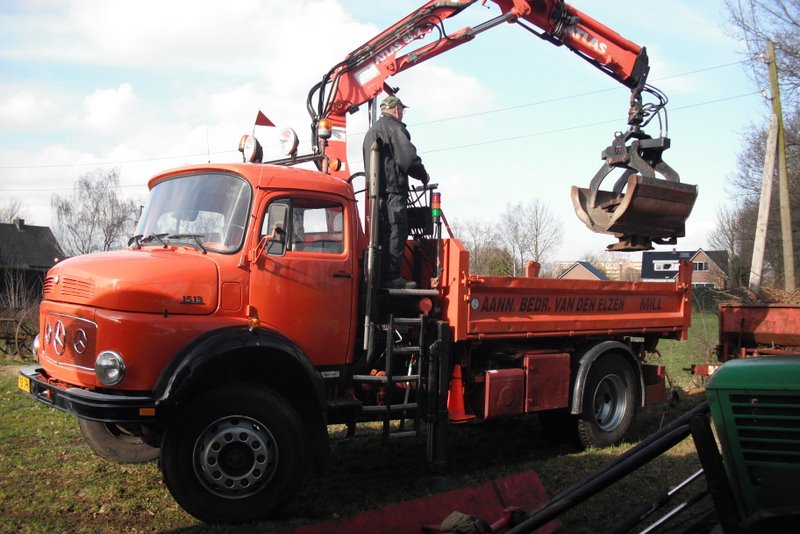
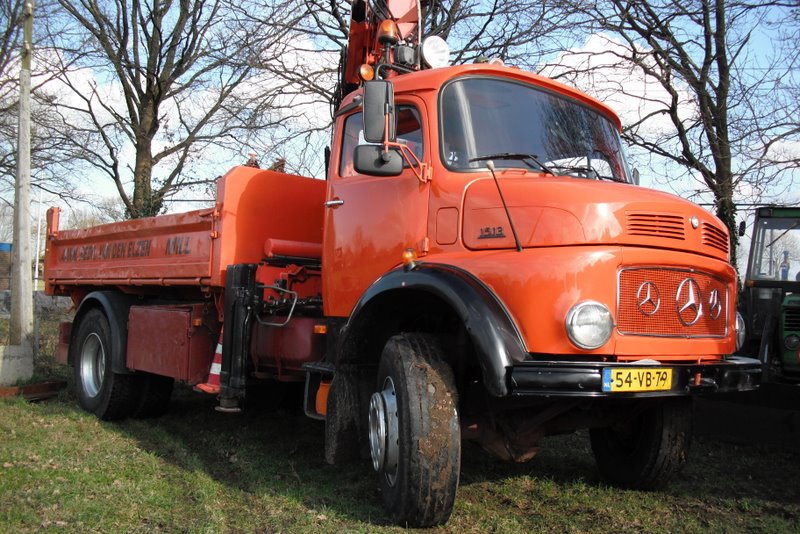
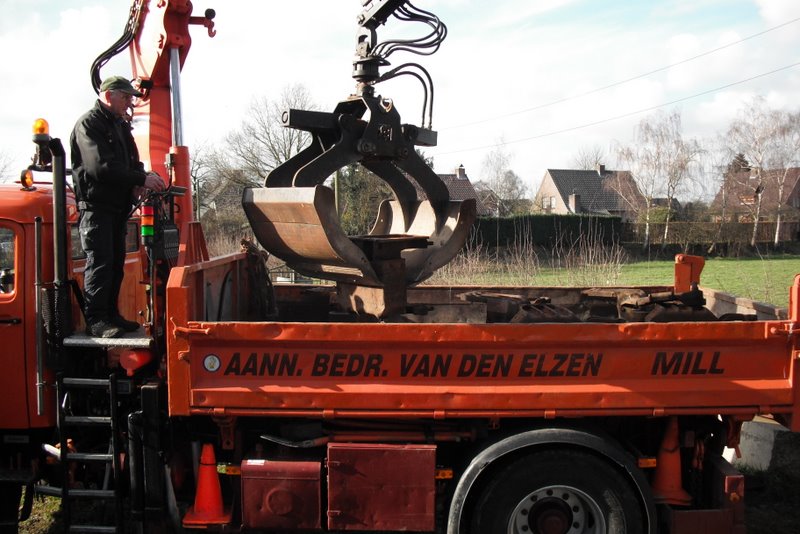
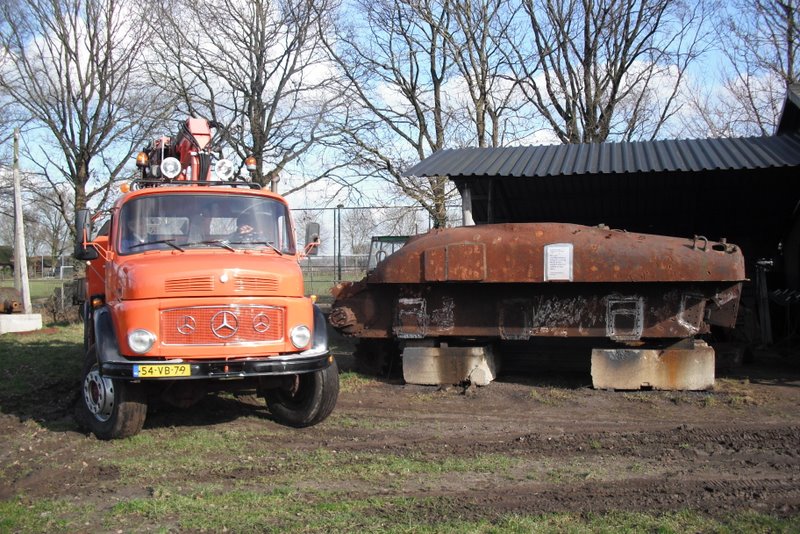
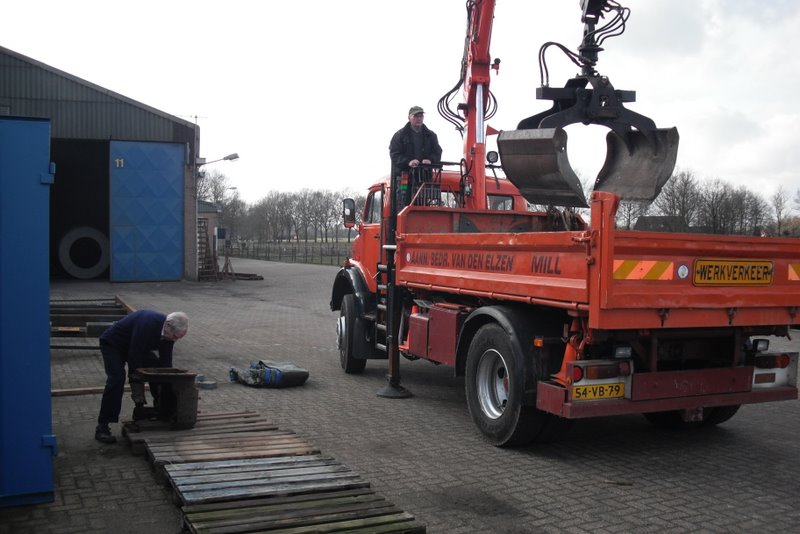
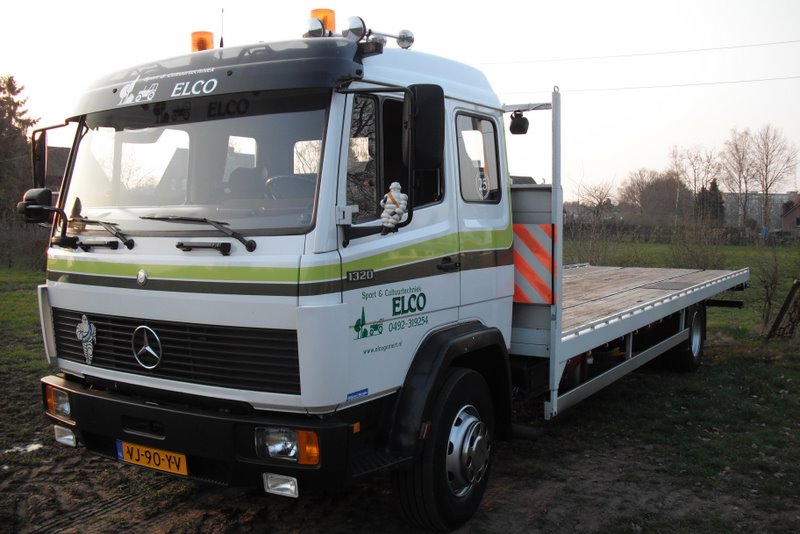
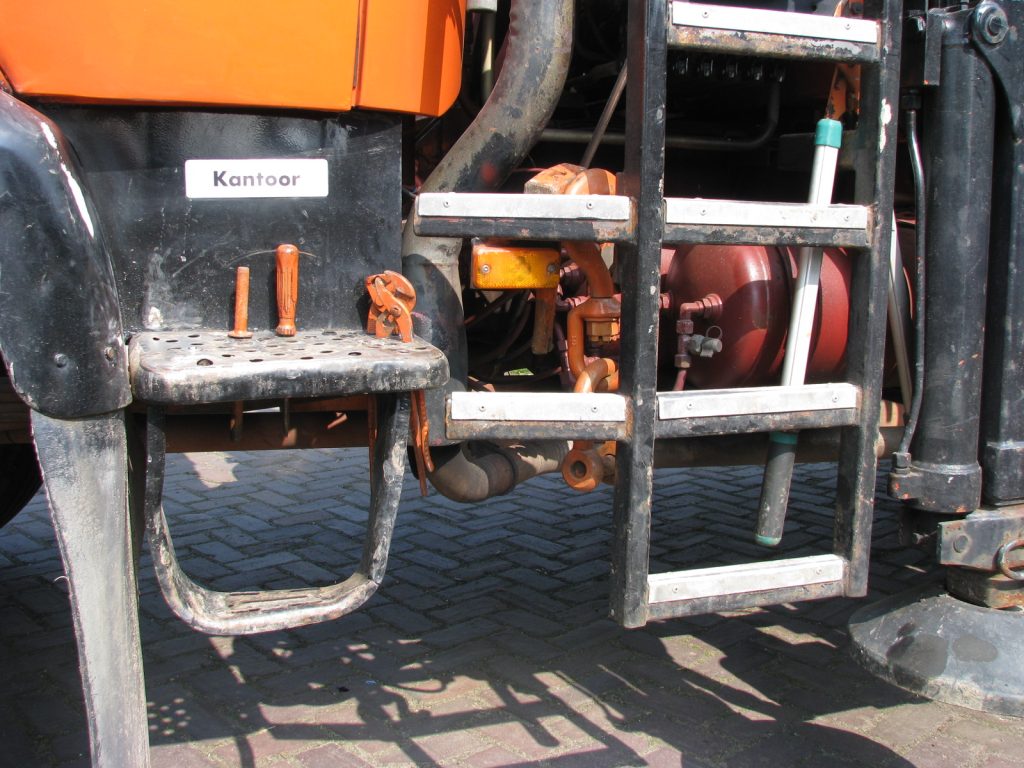
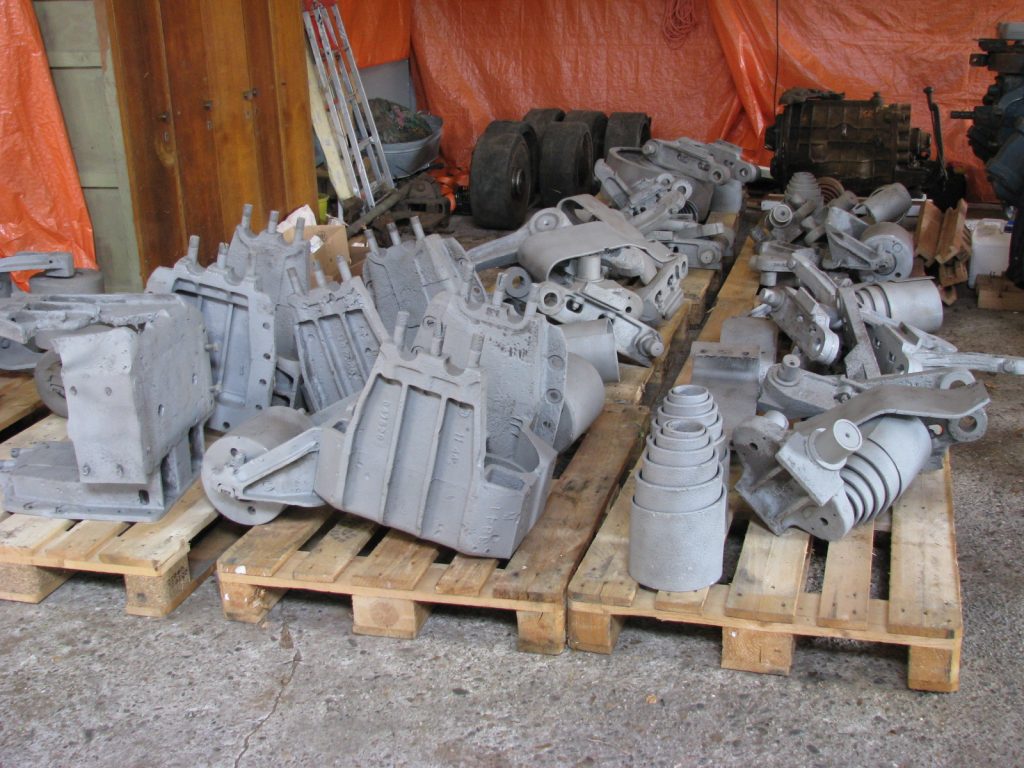
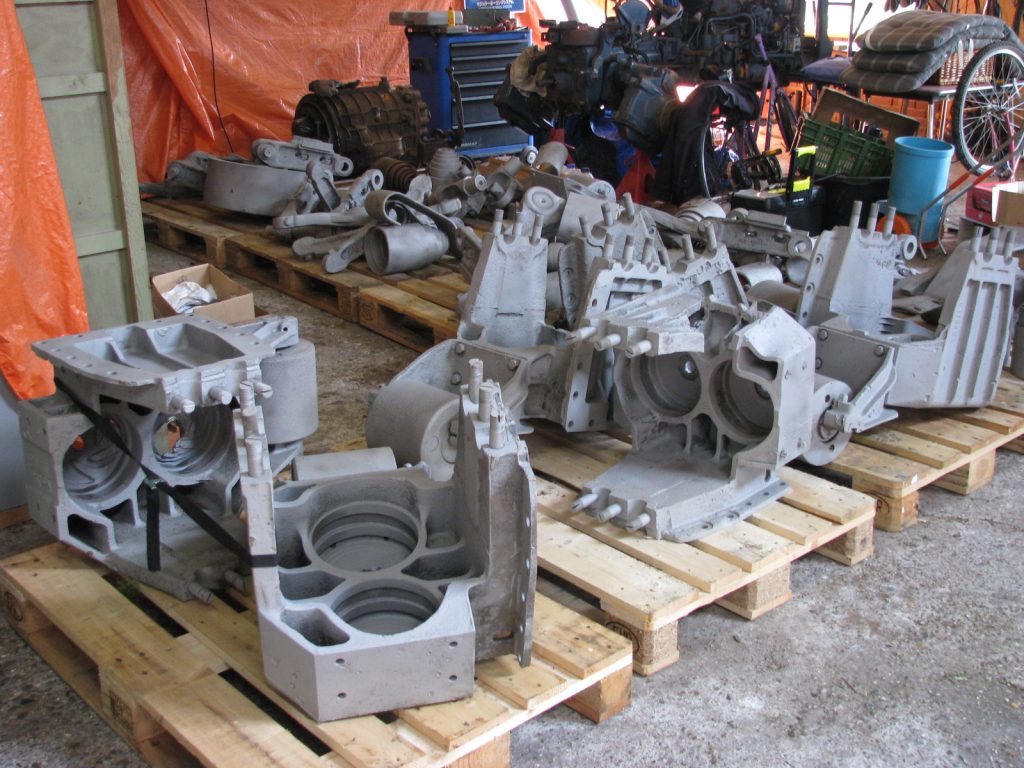
The sandblasted bogie sets, sandblasted by Renovatietechniek Vloet (www.renovatietechniek.nl), are back in our temporary workshop. Transporting this heavy load was done by Pieter van den Elzen with his wonderful Mercedes truck.
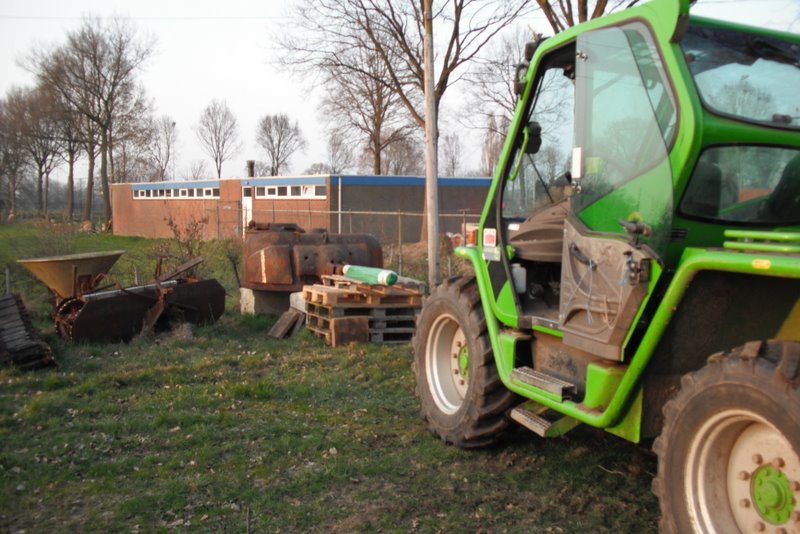
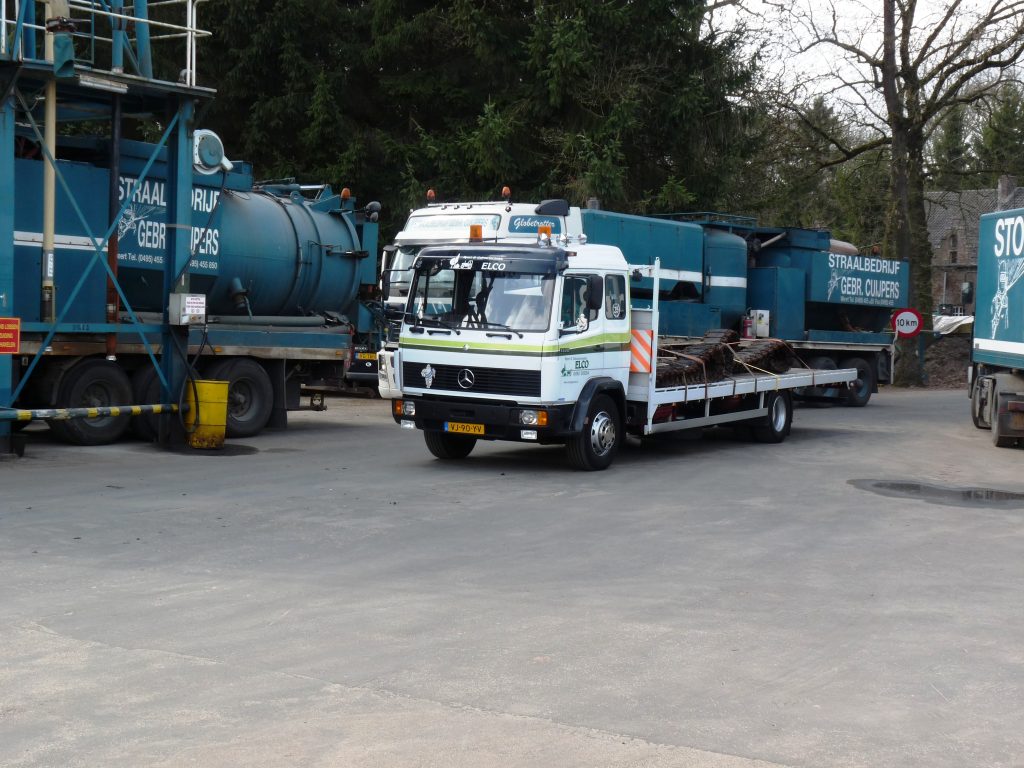
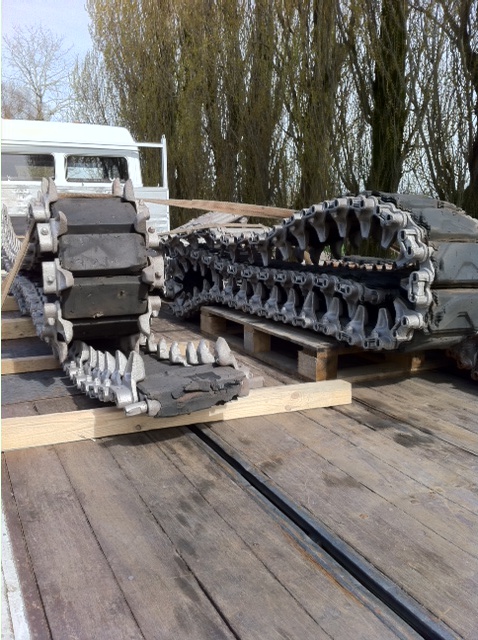
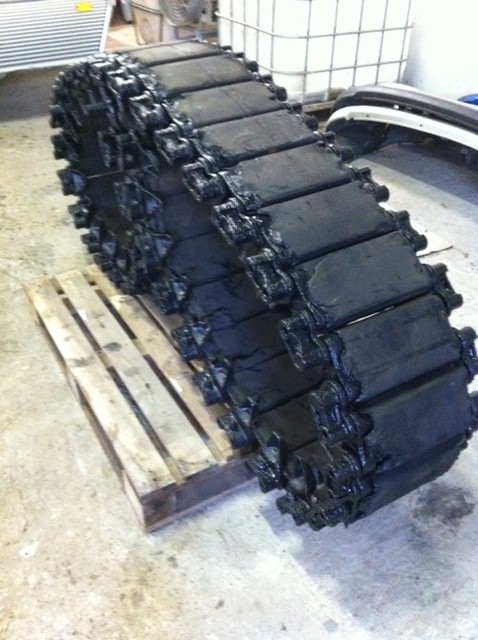
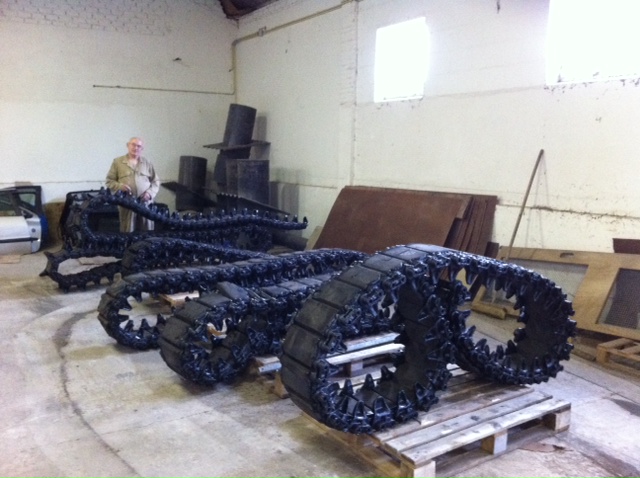
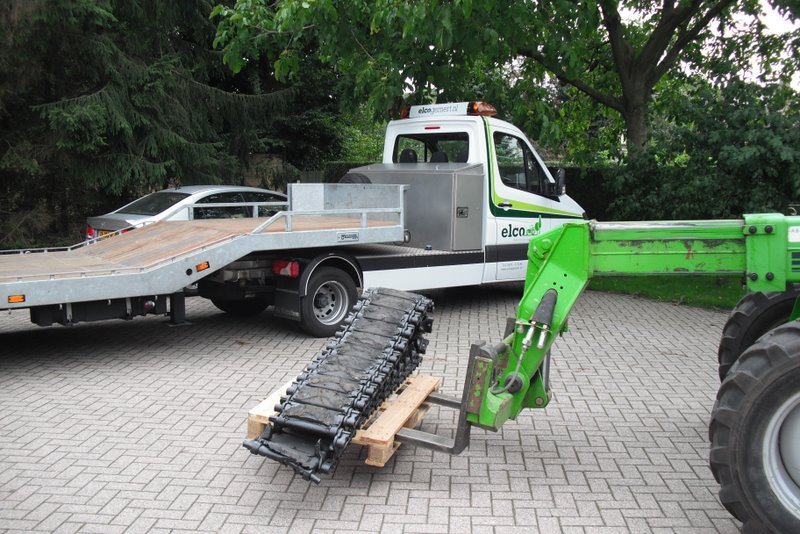
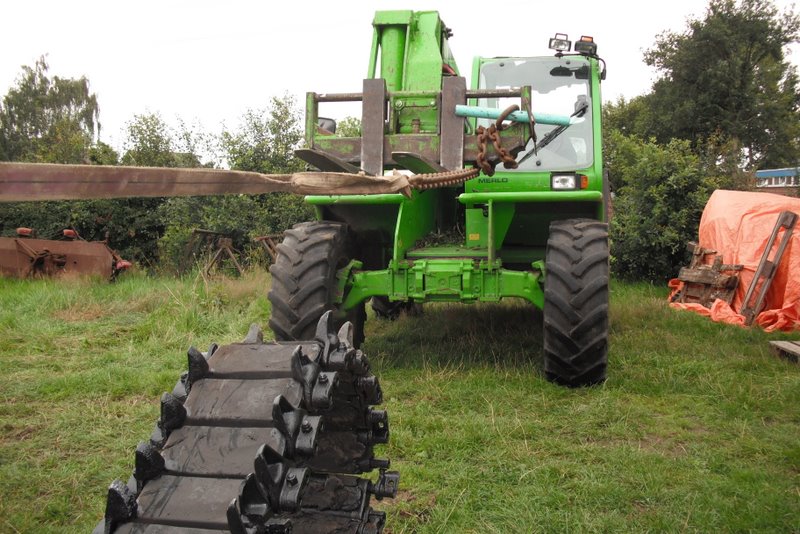
The tracks that were loaded last month by the telehandler from Hof van Overloon (www.hofvanoverloon.nl) were sandblasted at sandblasting company Cuijpers (www.cuijpers.nl) and transported by Firma Elco (www.elcogemert.nl), specialized in agricultural engineering, to a temporary storage where the tracks will be painted. Later the tracks will be sorted to make two visually suitable tracks.
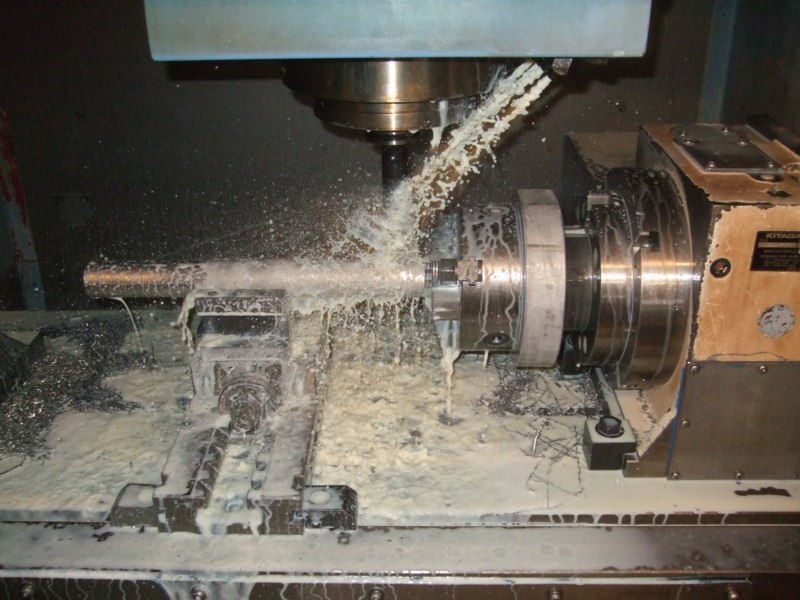
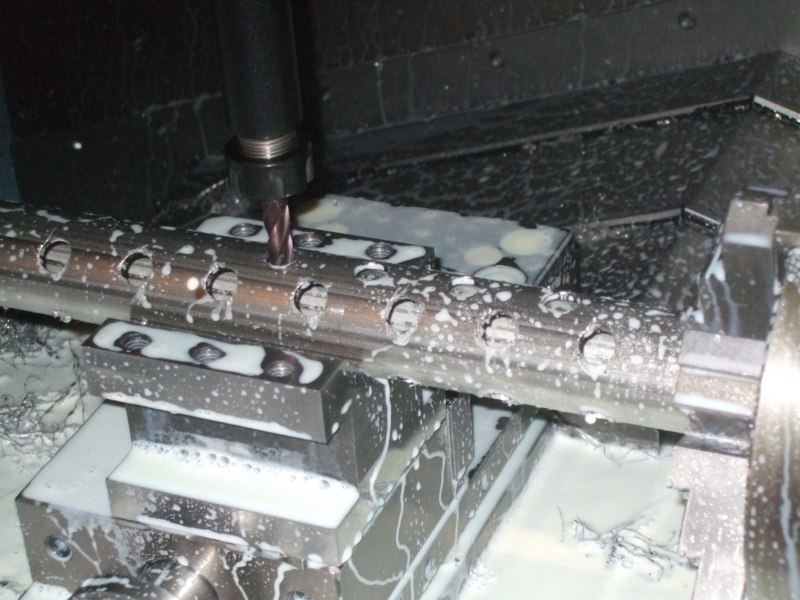
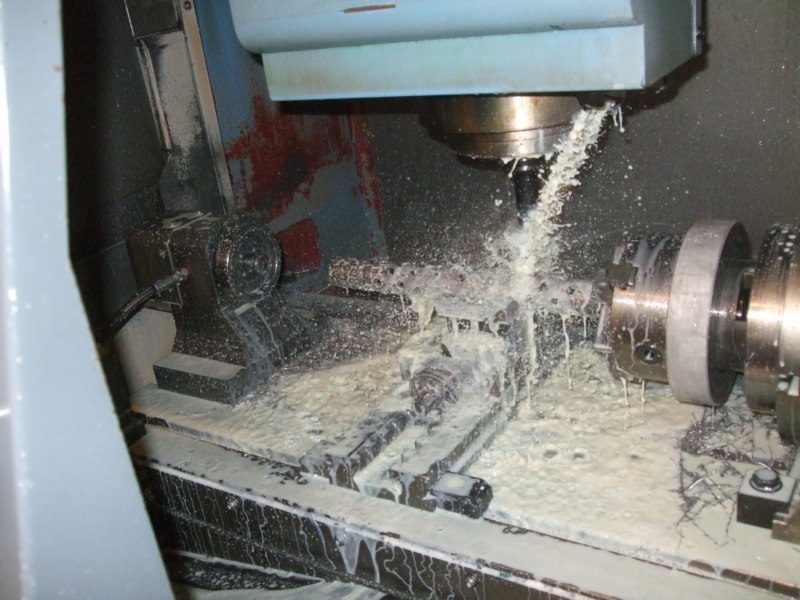
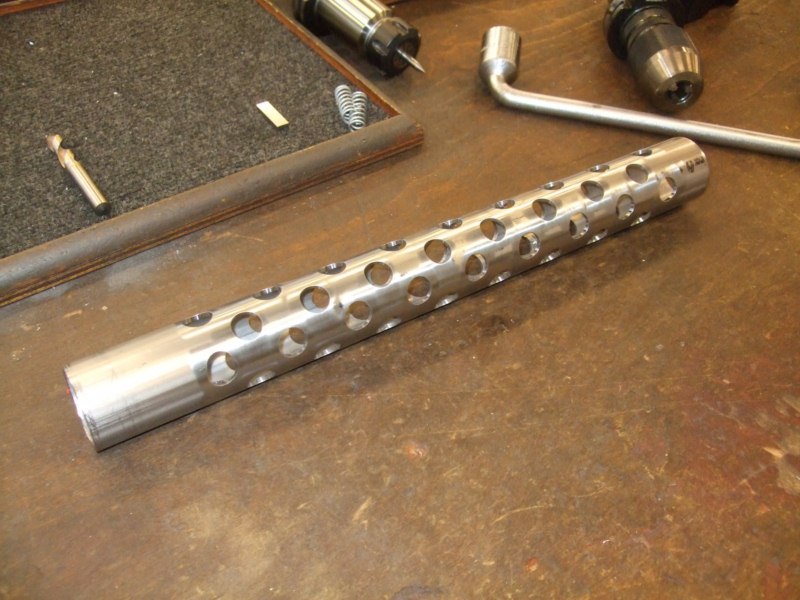
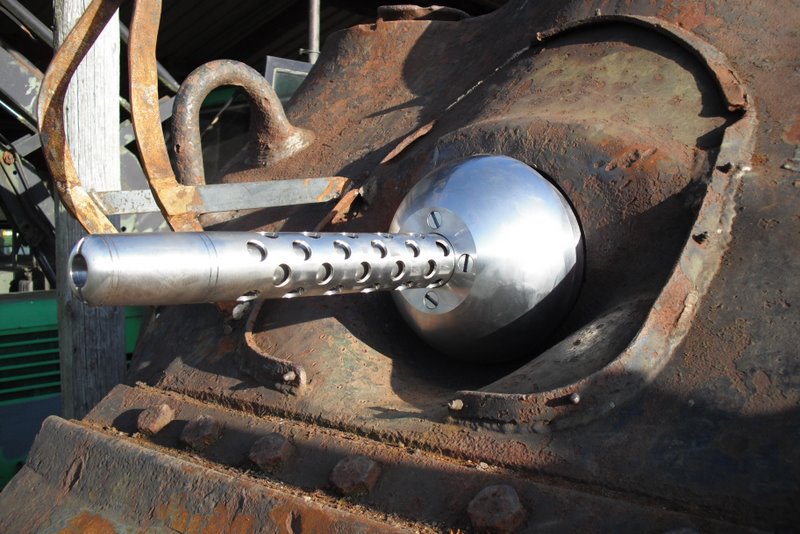
The replica gunmount and replica .30 bowgun are ready and welded to the tank. Thanks to Geert Kupers, Sieb Wilmsen, Lenny Branje and Piet Jansen from Turning Technic at Oostrum (www.turning-technic.nl), a supplier of precision products. They made these parts in the evening hours with great enthusiasm.
For the second half of April 2011 we plan:
- further restoration of the bogies.
- welding the 75 mm gun barrel.
- all the welding that’s needed regarding the hull.
- sandblasting hull and turret.
- after sandblasting: apply the primer and putty.
Restoration April 2011 (part 2)
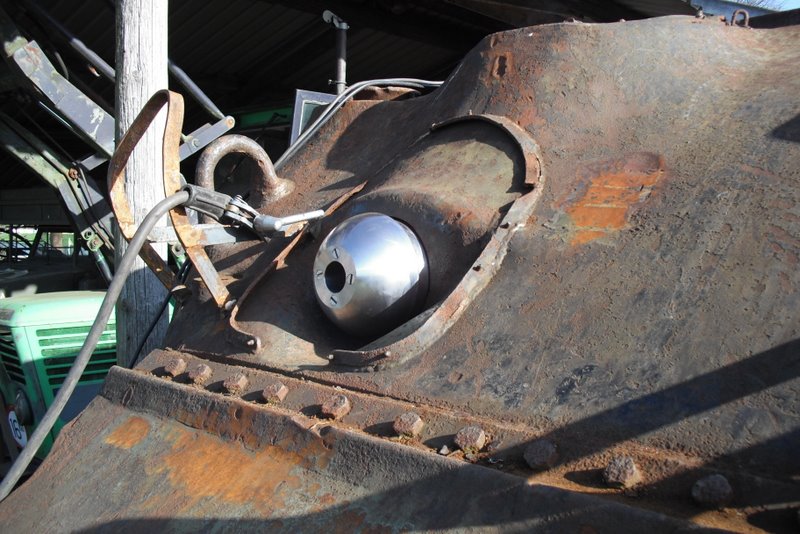
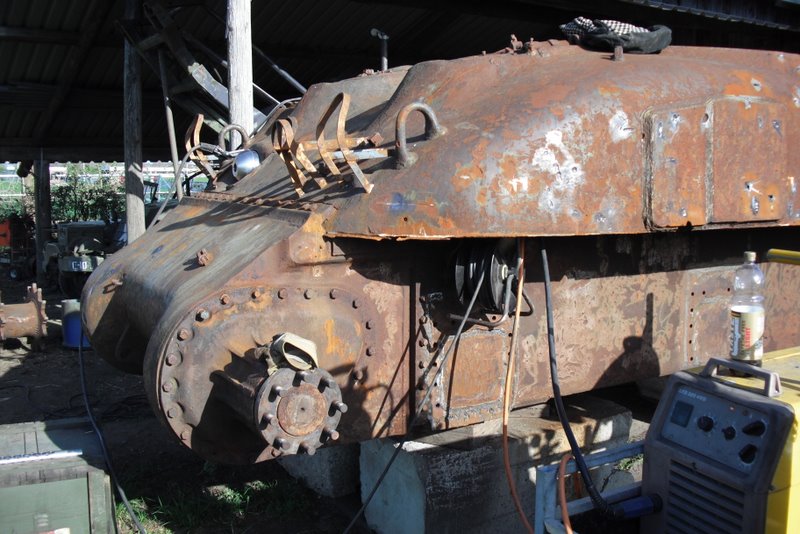
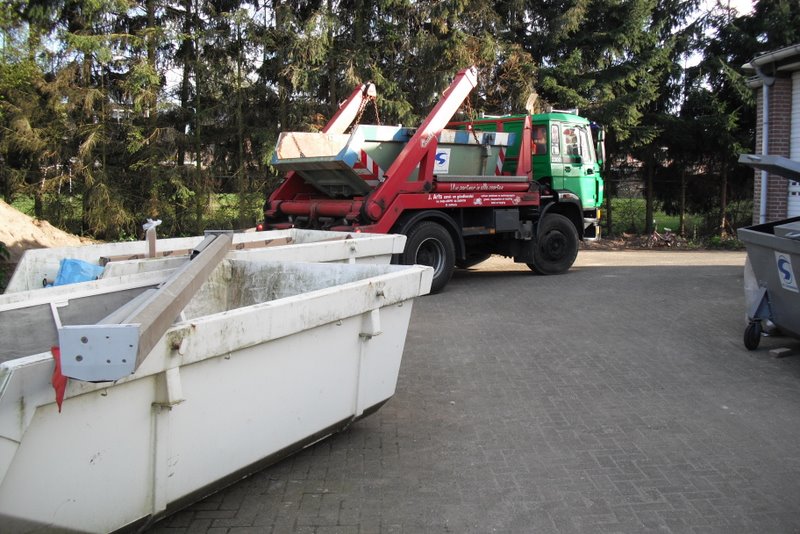
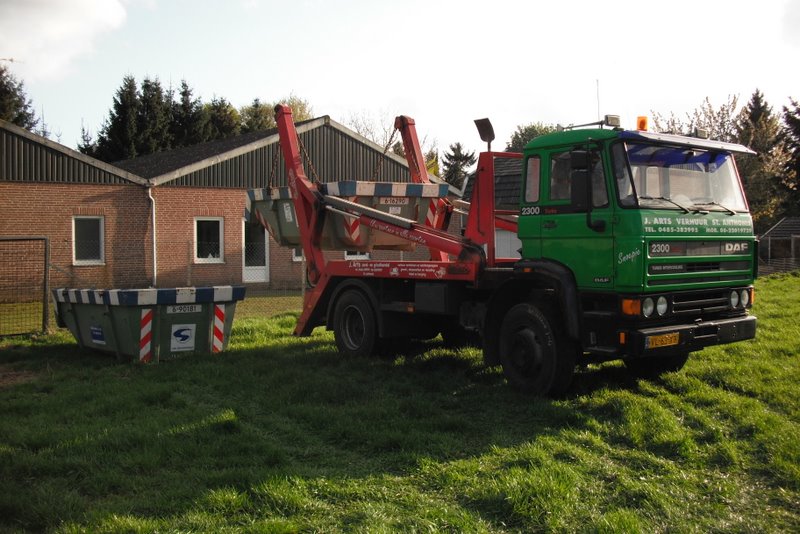
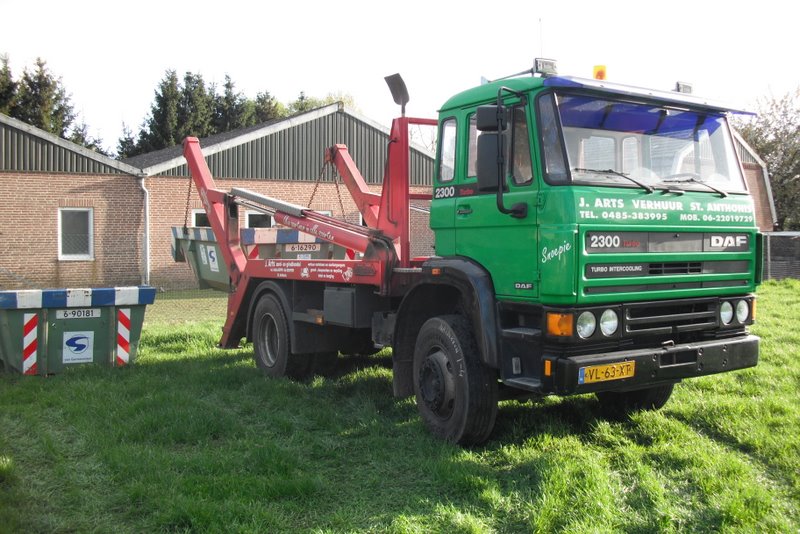
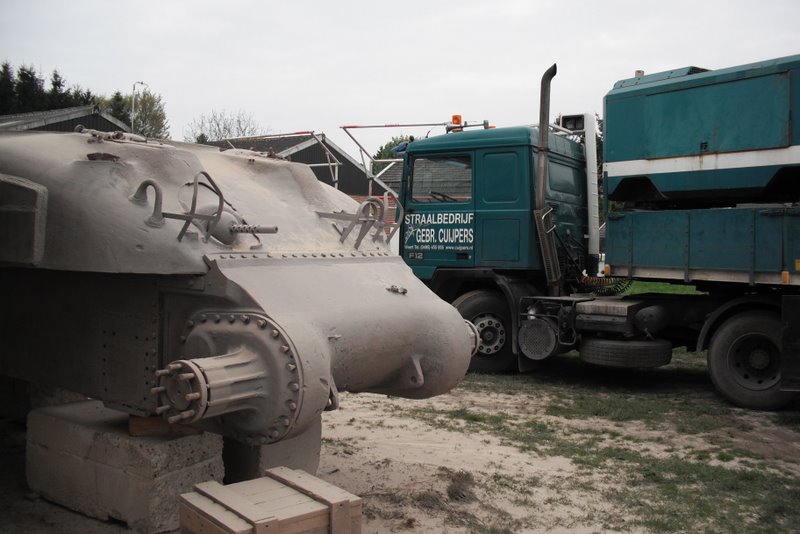
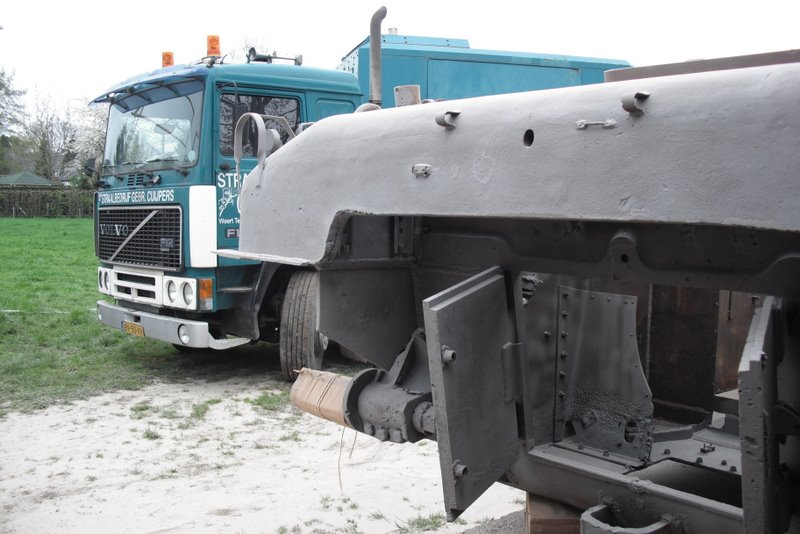
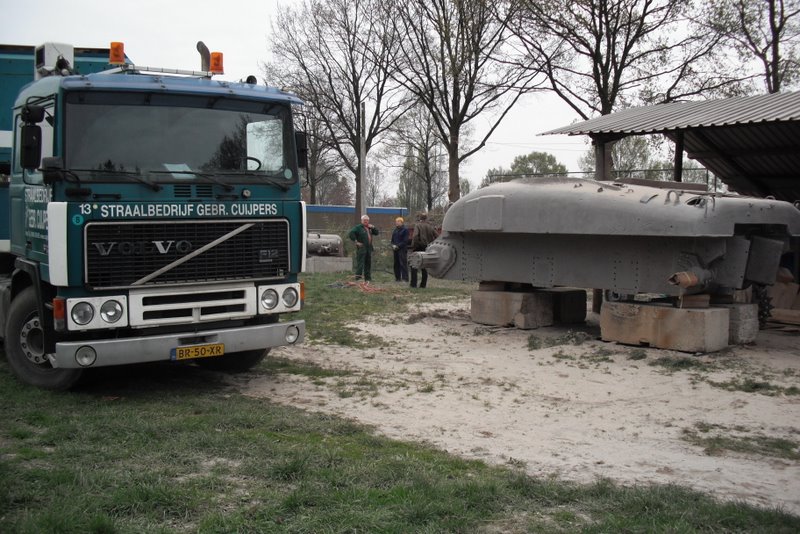
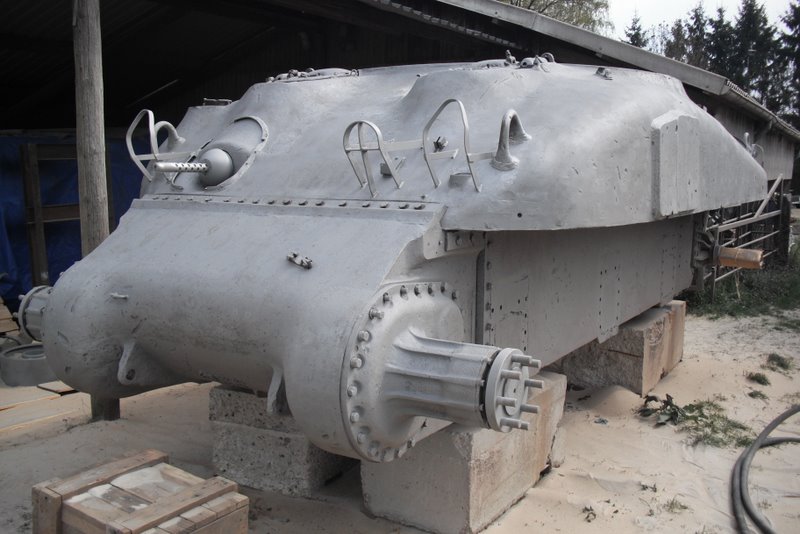
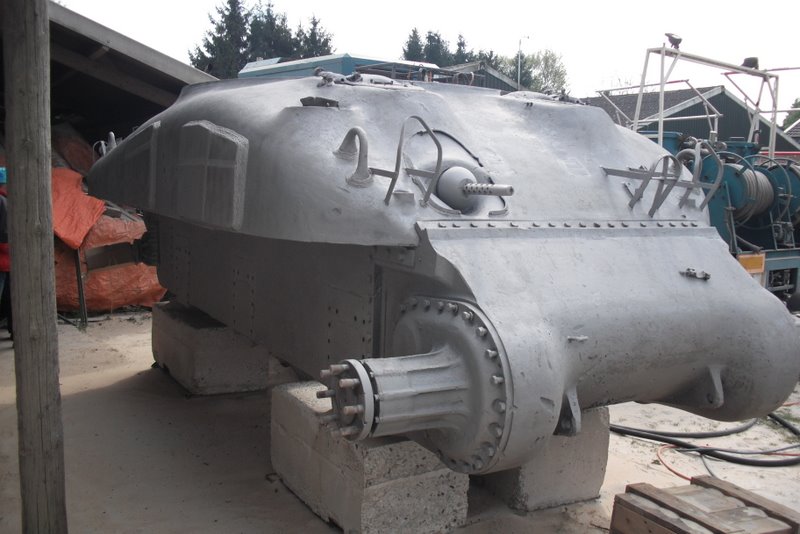
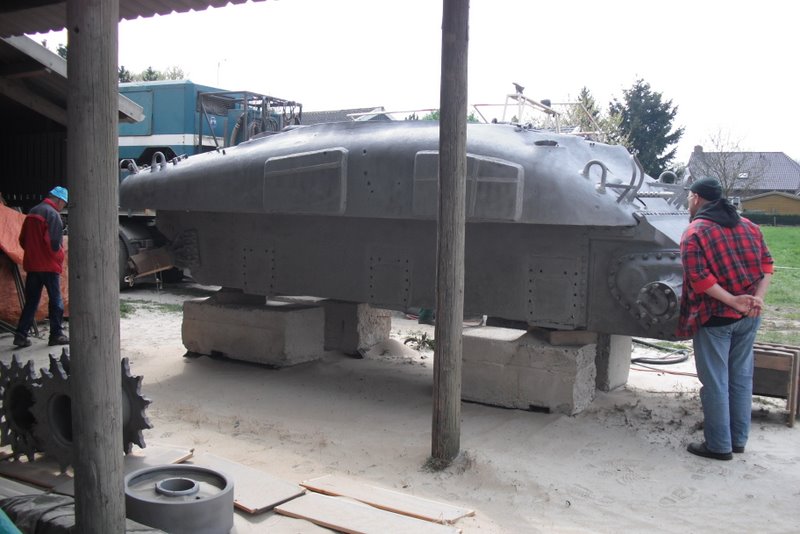
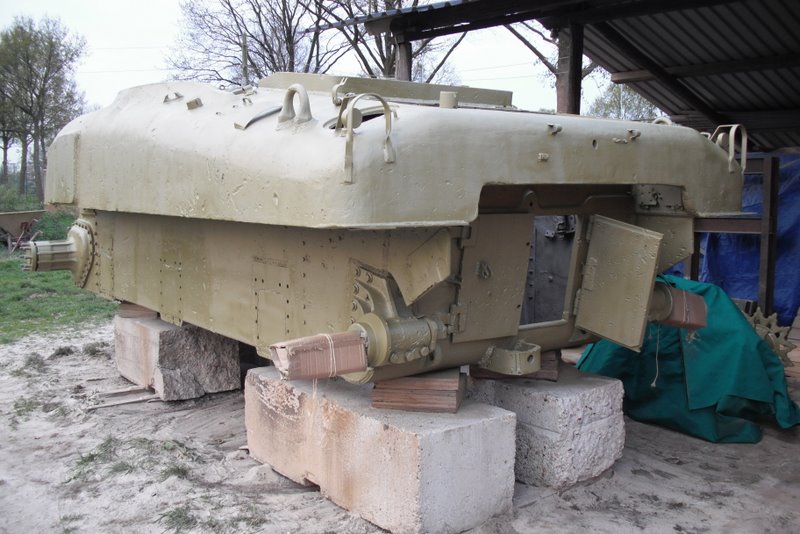
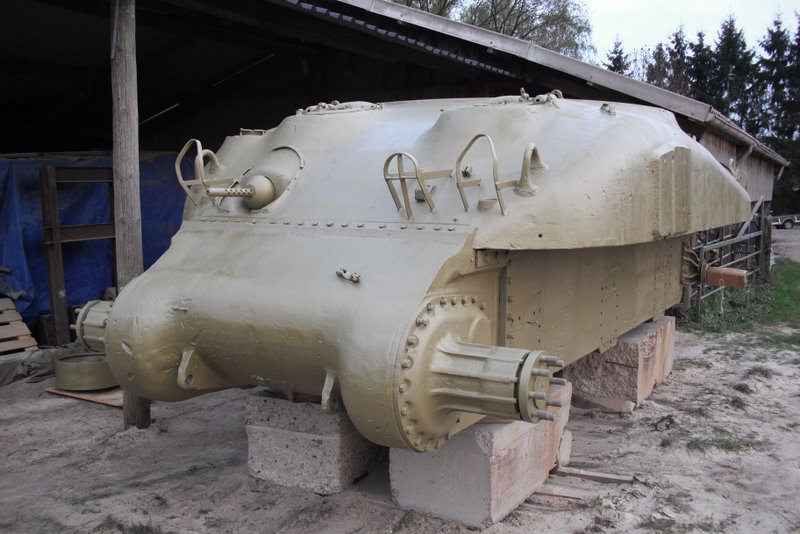
The tank has been sandblasted! Finally no more rust. Before the sandblasting, material had to be cleared away at the restoration location. Otherwise the trucks from the sandblasting company would get stuck. Company J. Arts from Sint Anthonis did the removal operation.
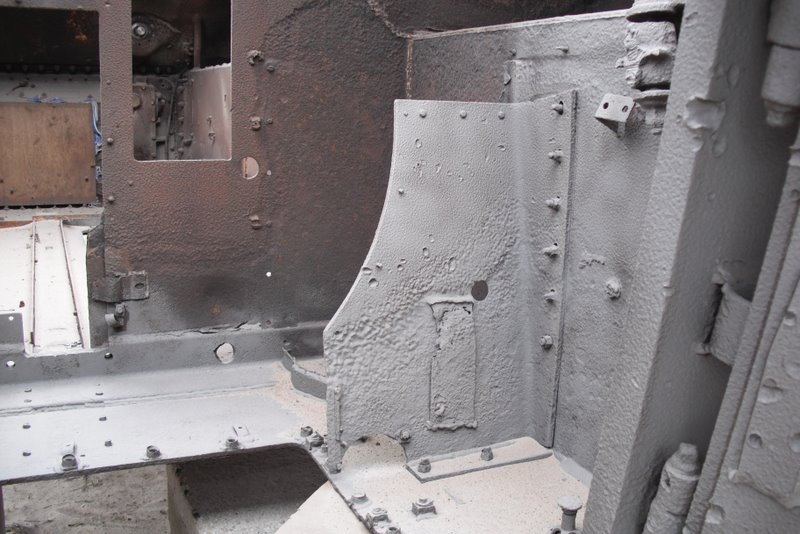
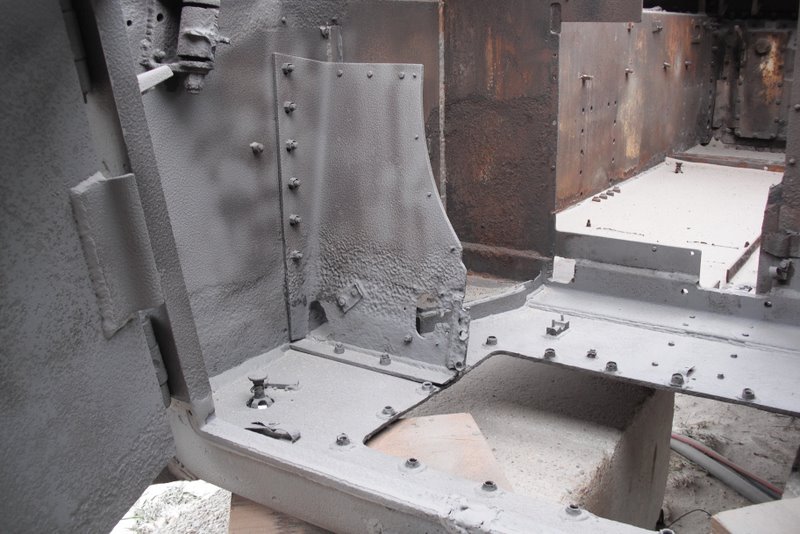
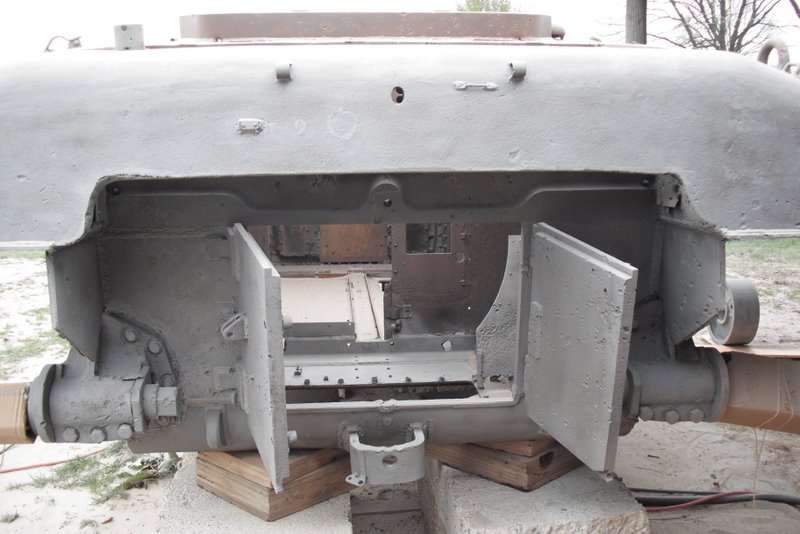
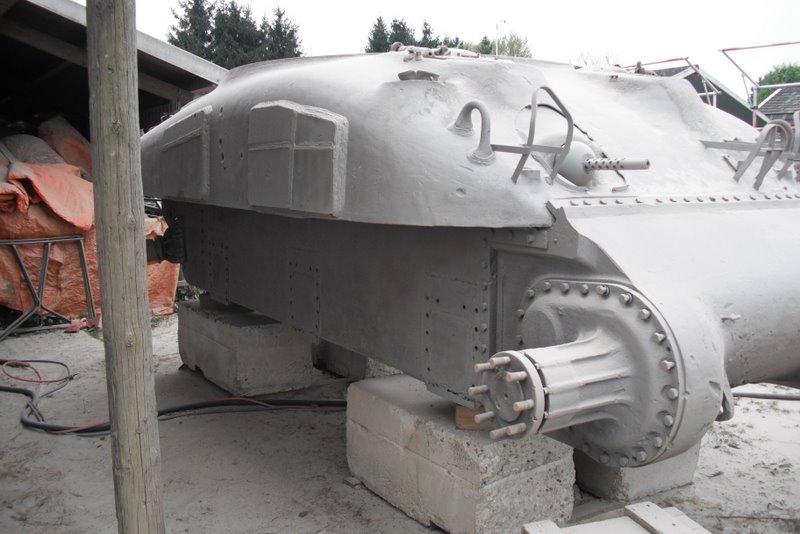
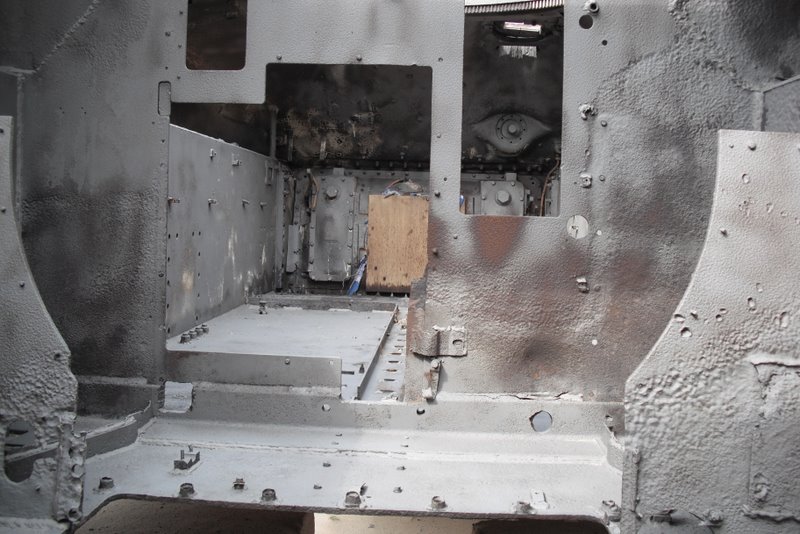
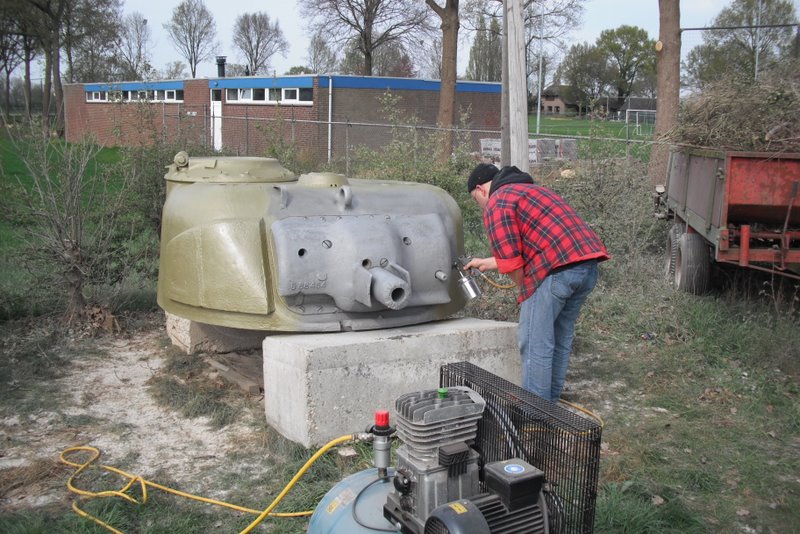
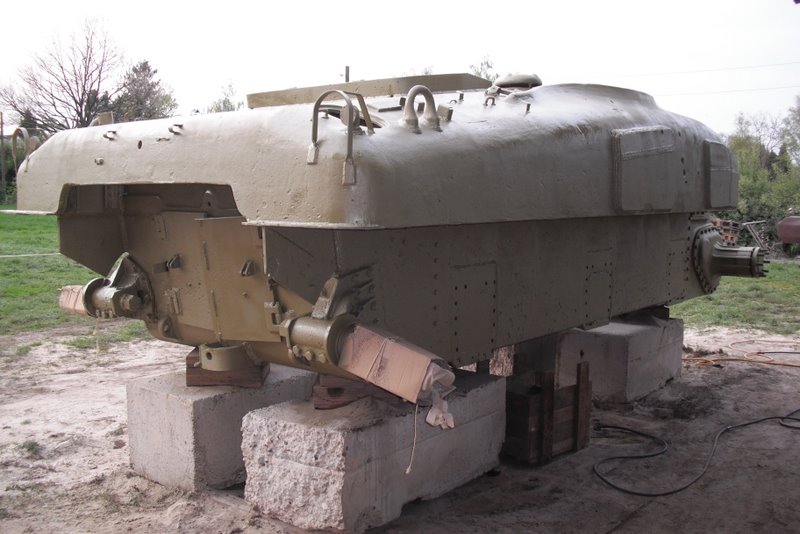
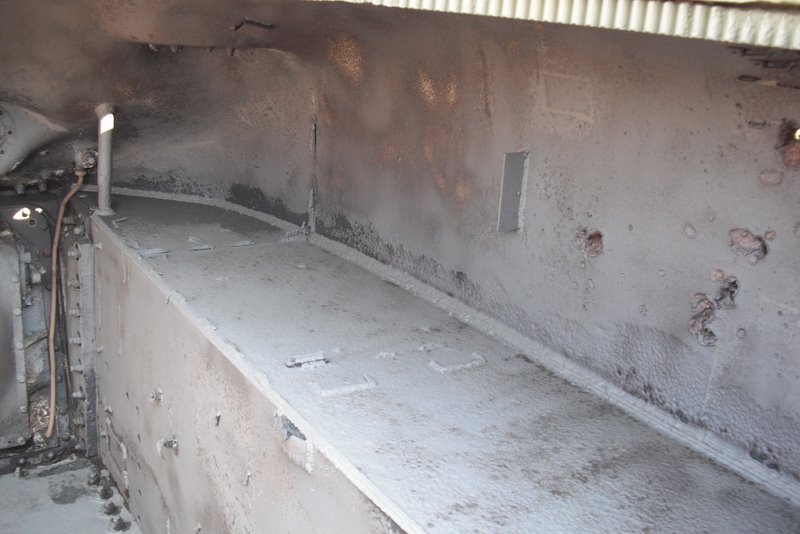
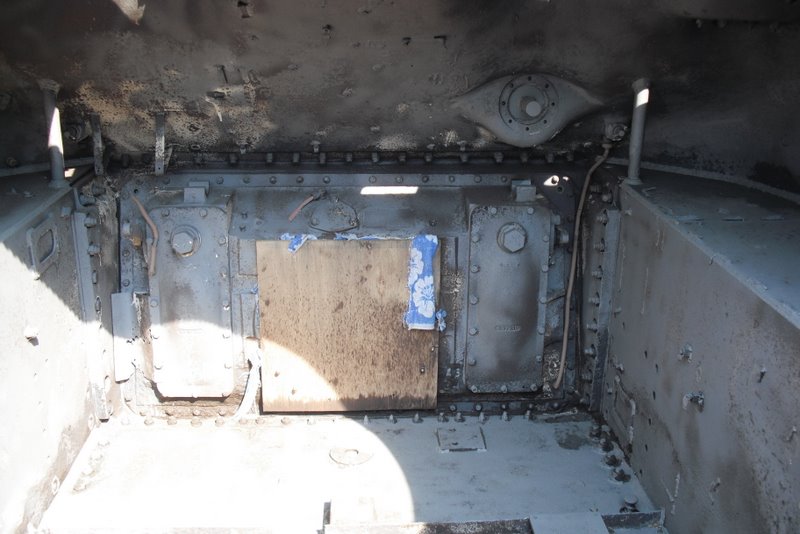
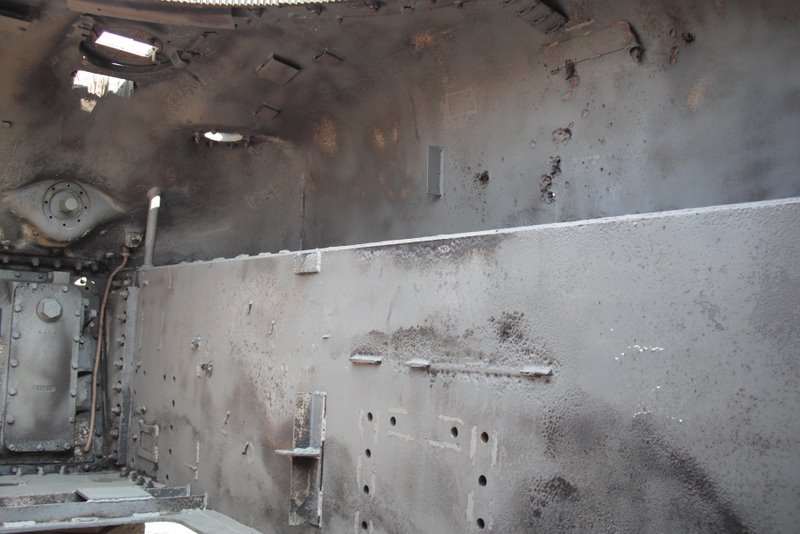
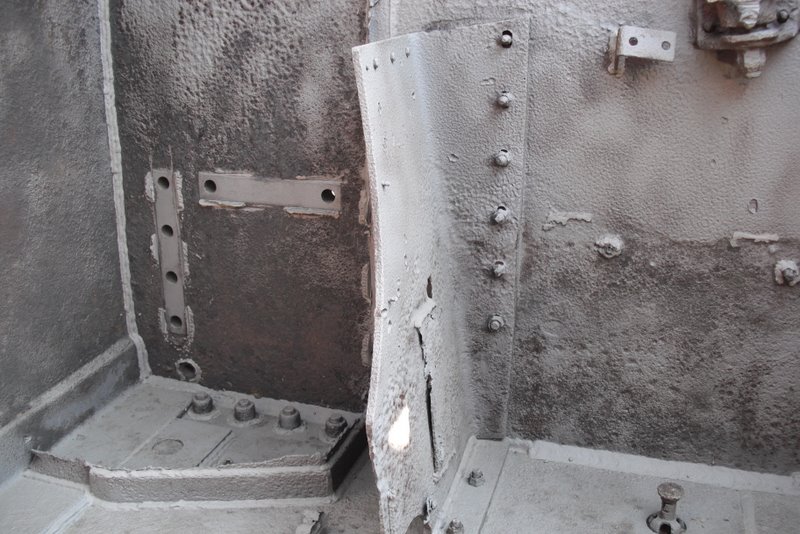
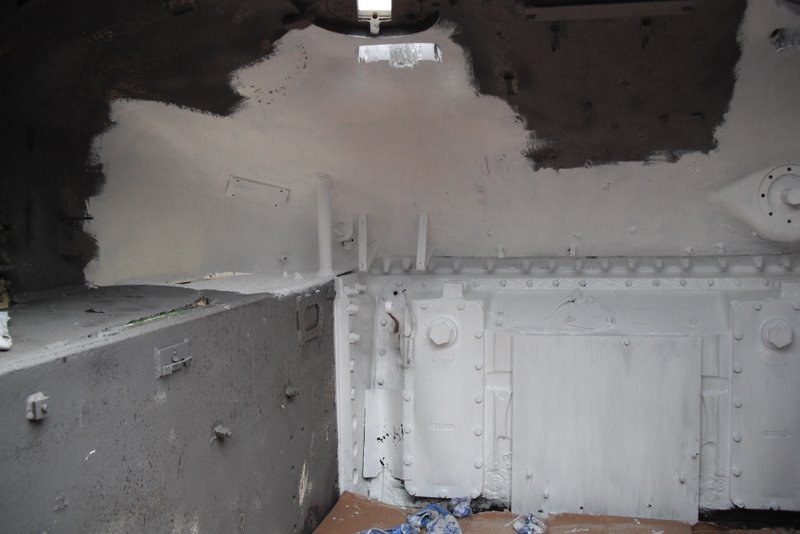
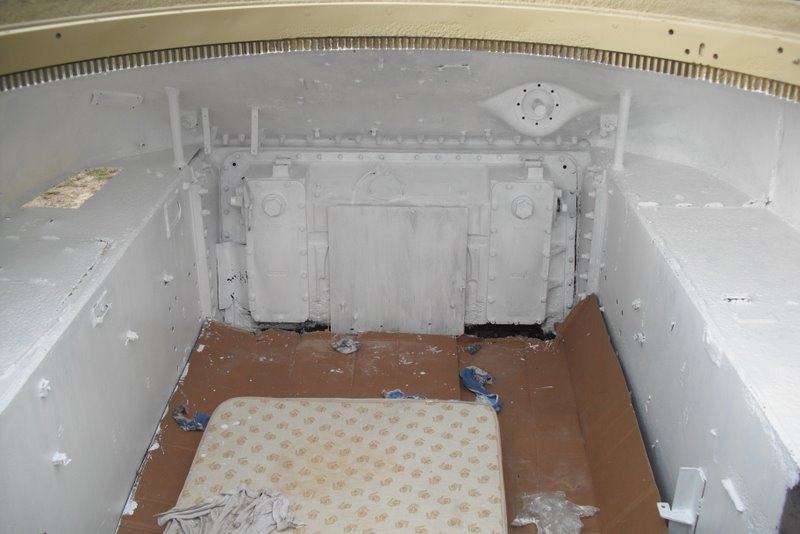
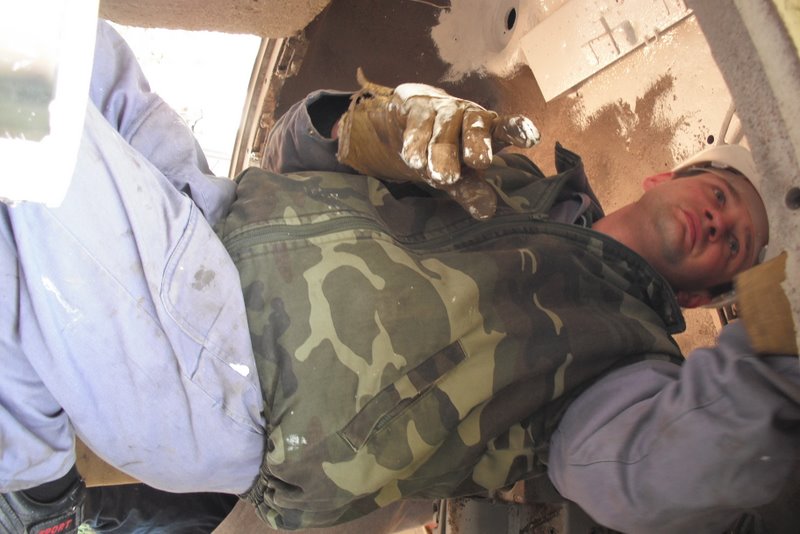
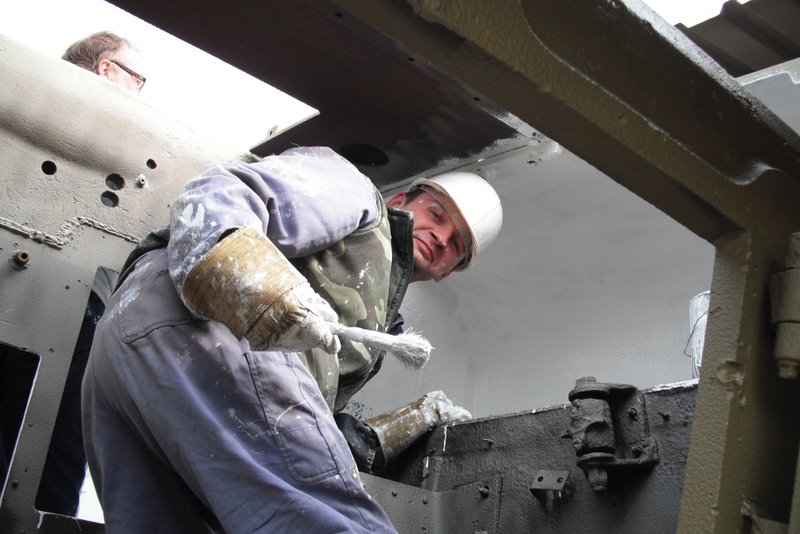
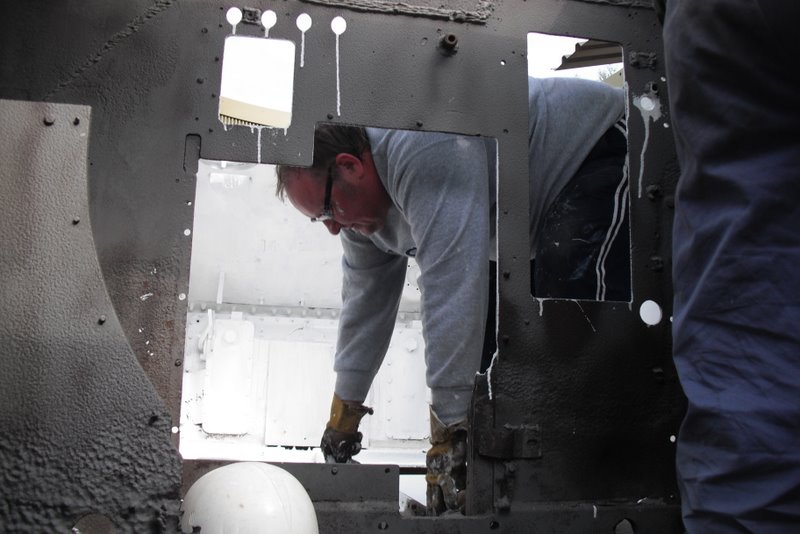
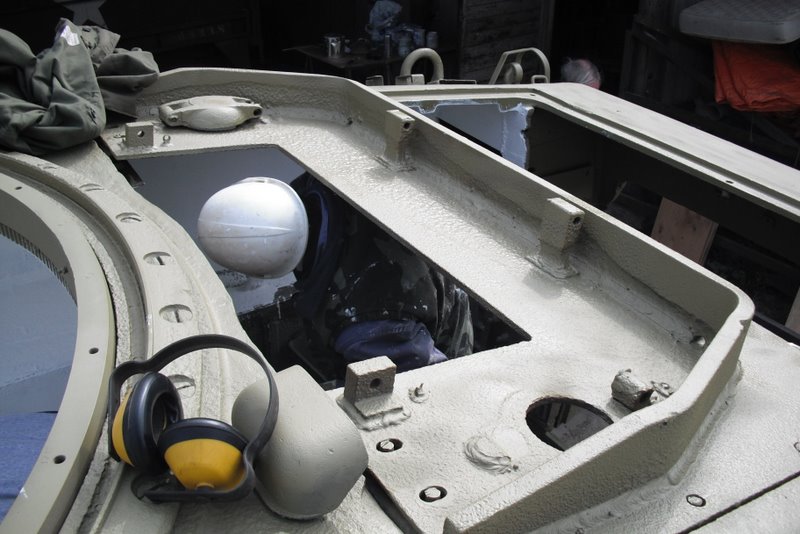
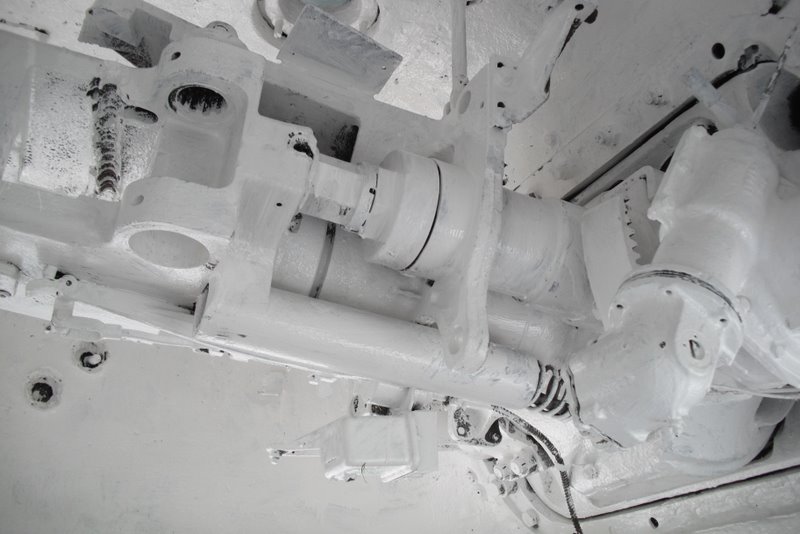
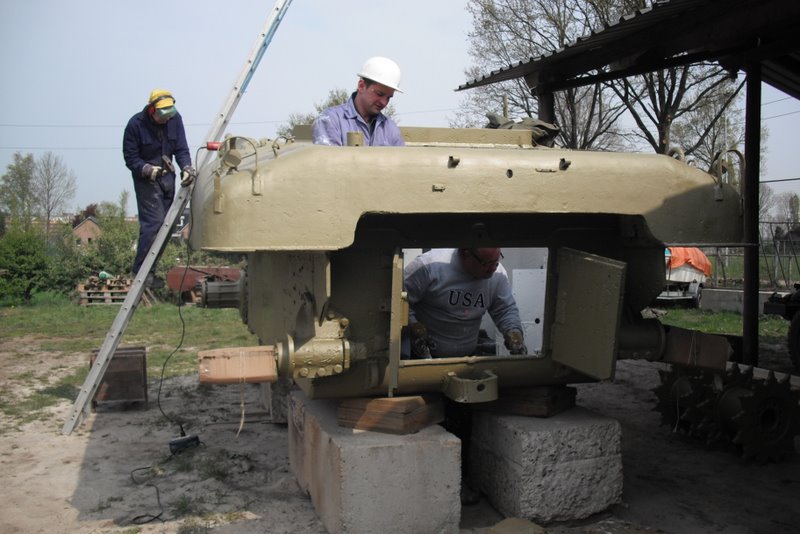
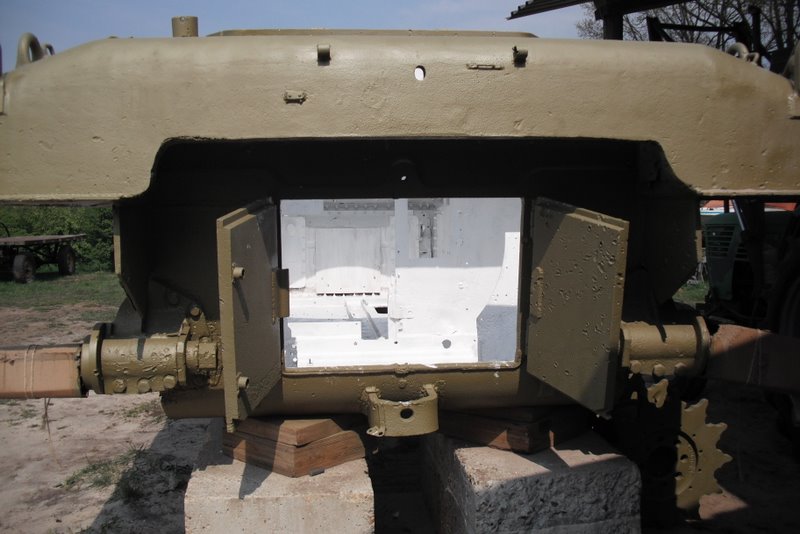
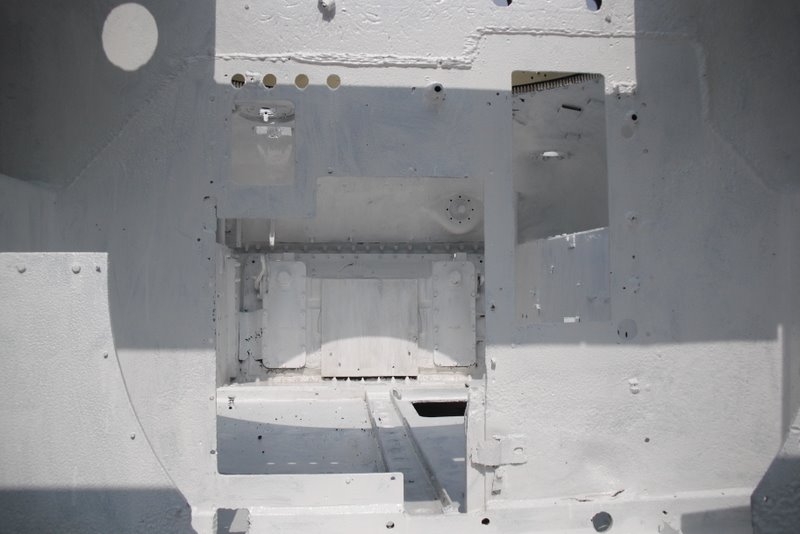
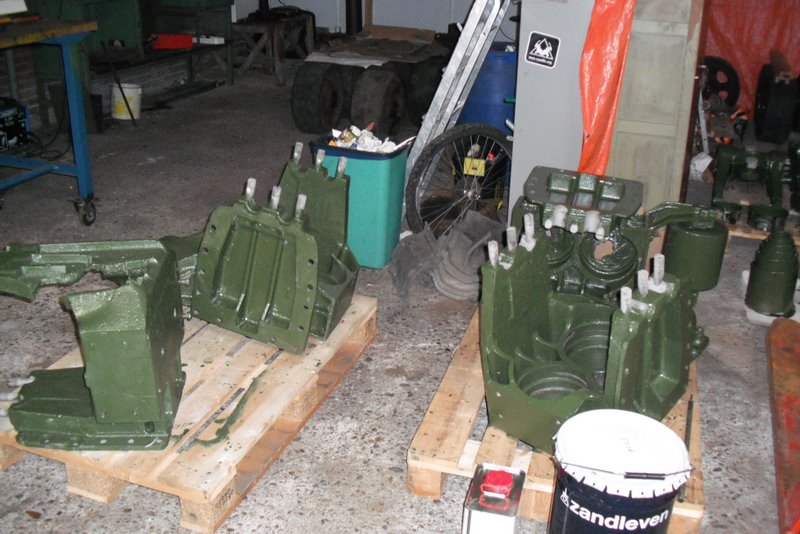
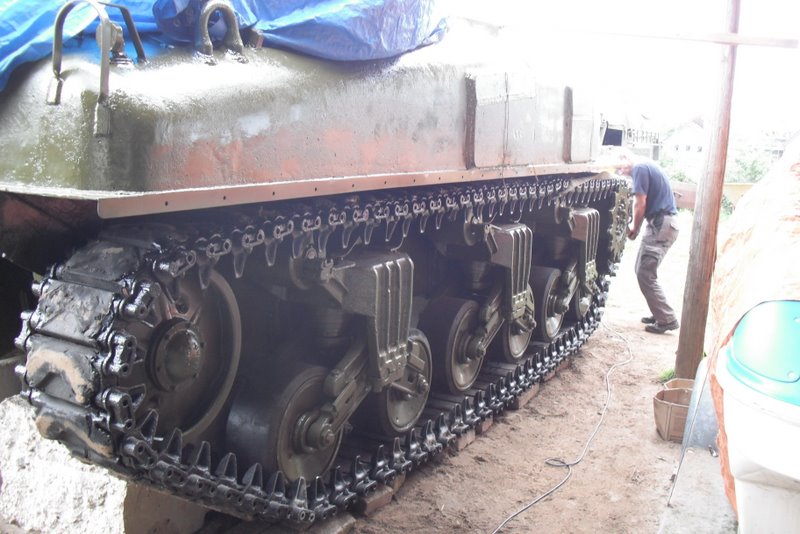
Early in the morning the men from sandblasting company Cuijpers at Weert (www.cuijpers.nl) arrived at the restoration location. They came with two trucks, one for catching the dust and a truck with a giant compressor and sandblast equipment. They used sand from the River Maas and used about 1.75 cubic meters of sand. Both the inside and outside of hull and turret were sandblasted. After sandblasting and removing the sand from the hull and turret we immediately applied epoxy primer to avoid rust. The inside of the hull and turret was painted white. The sandblasting is also made possible by Drs C. Somers of T.K.C – Training (www.tkc-opleidingen.nl)
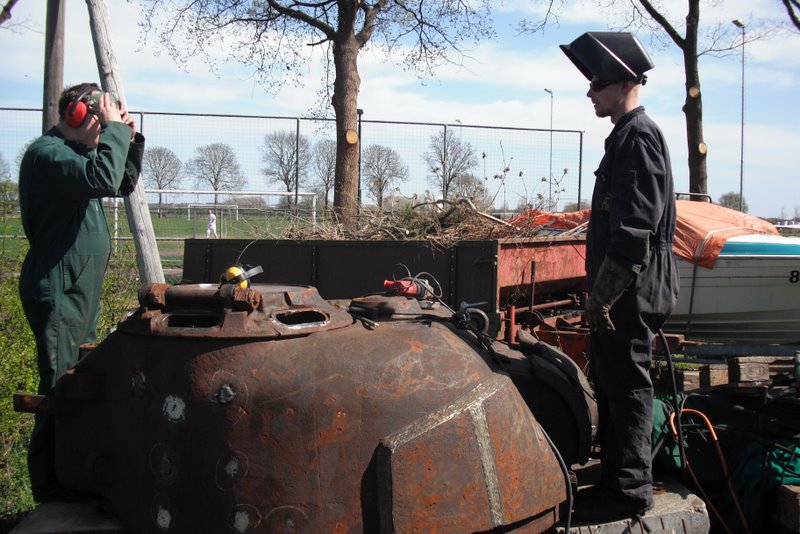
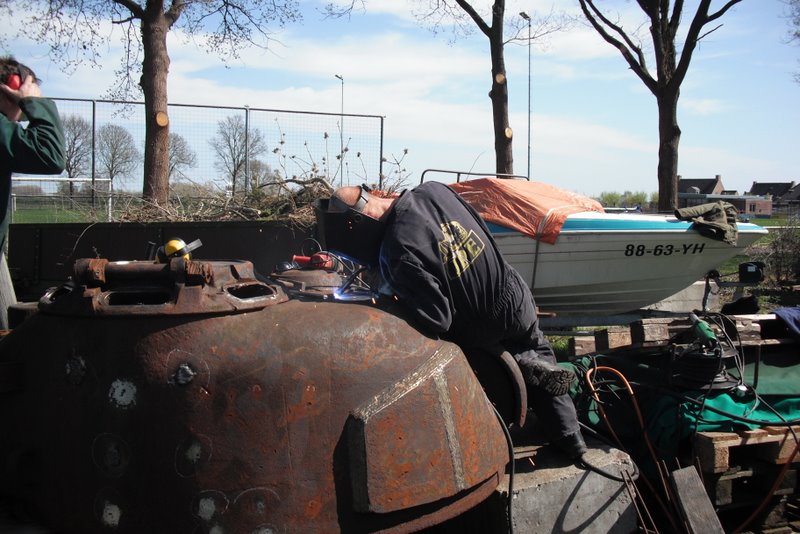
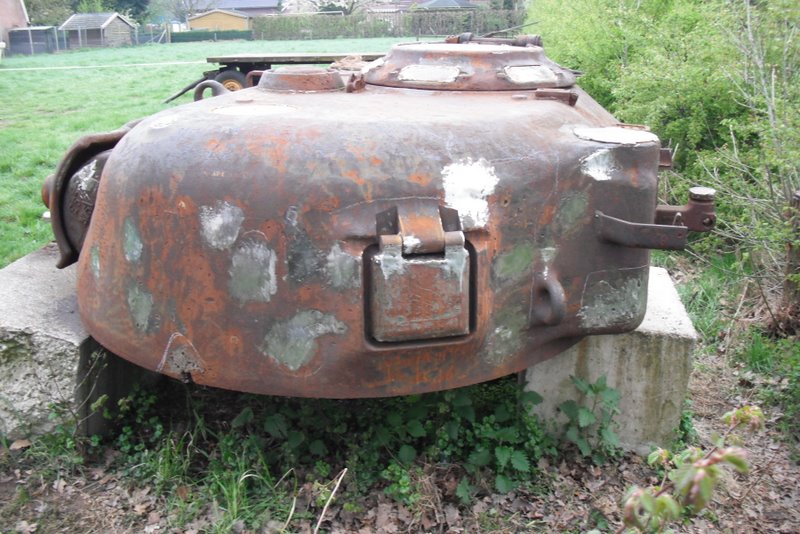
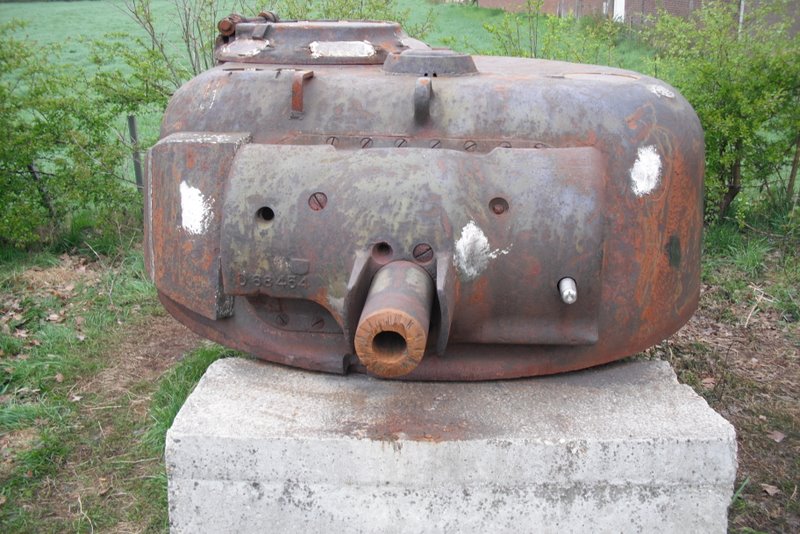
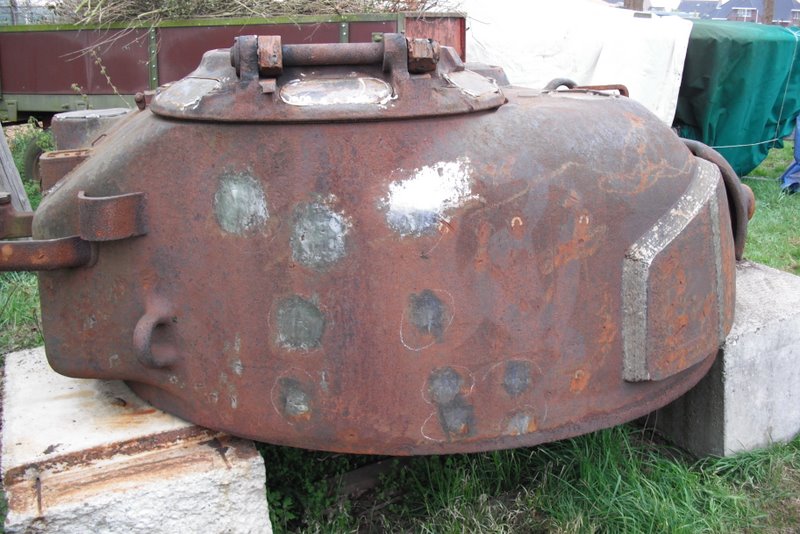
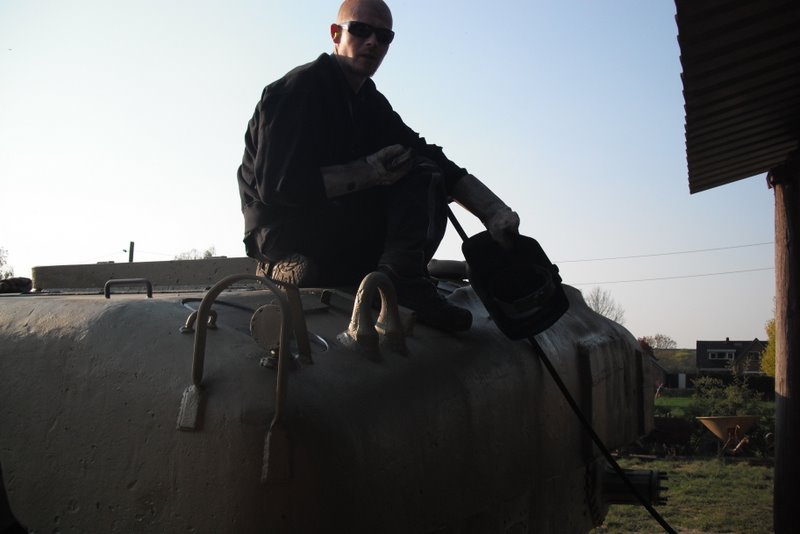
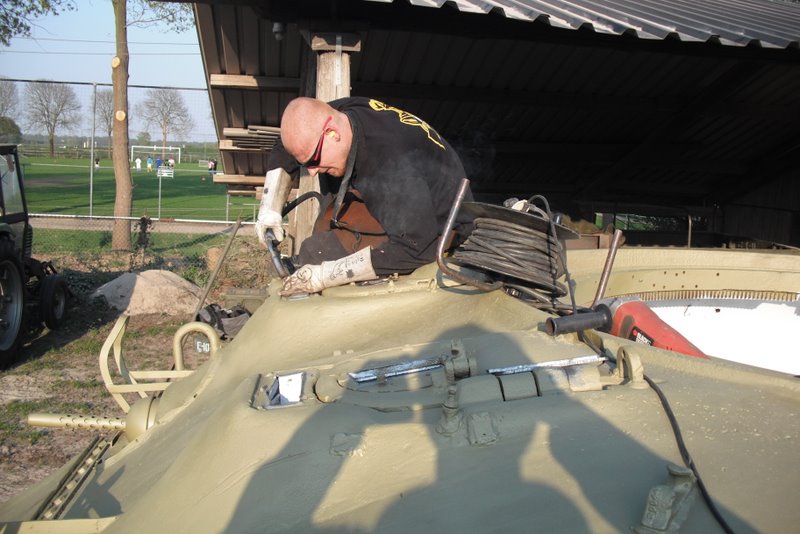
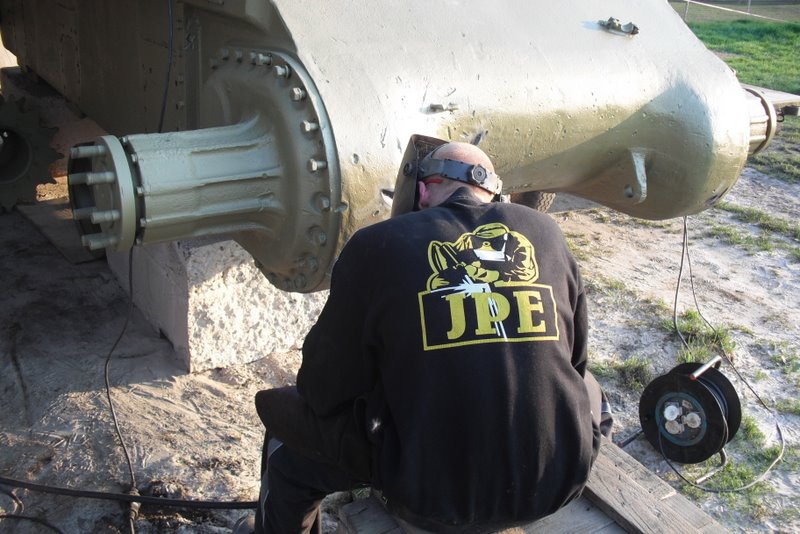
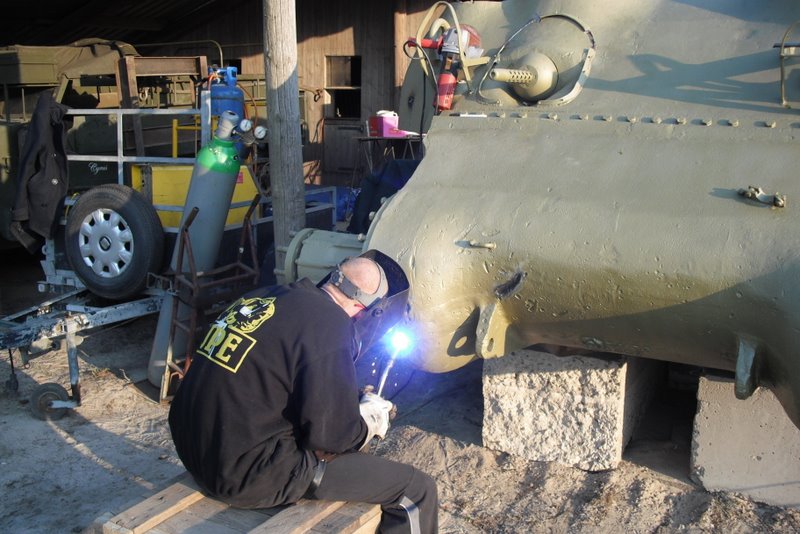
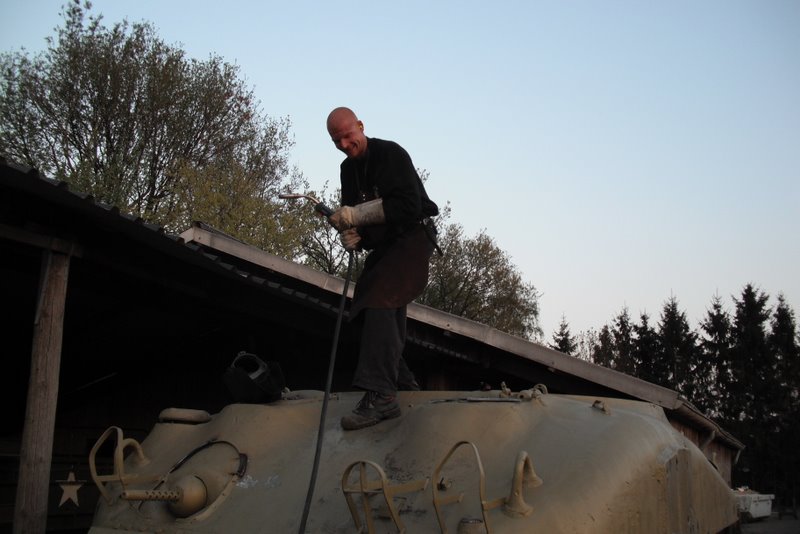
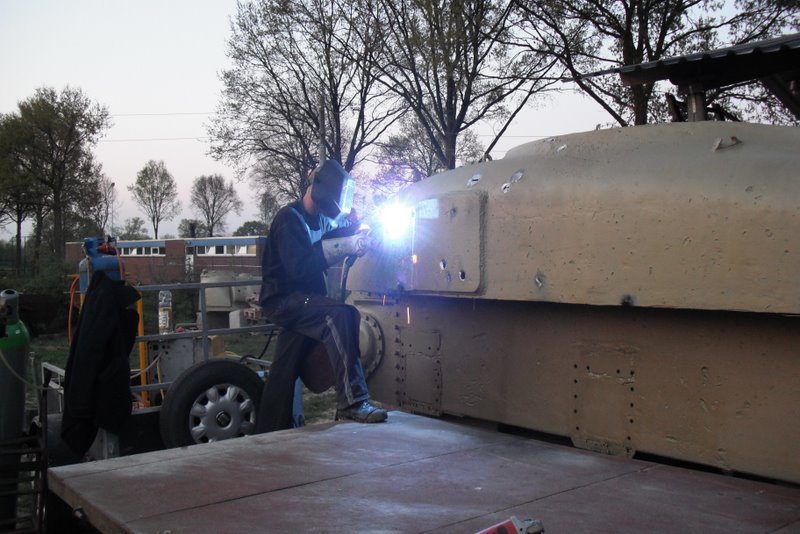
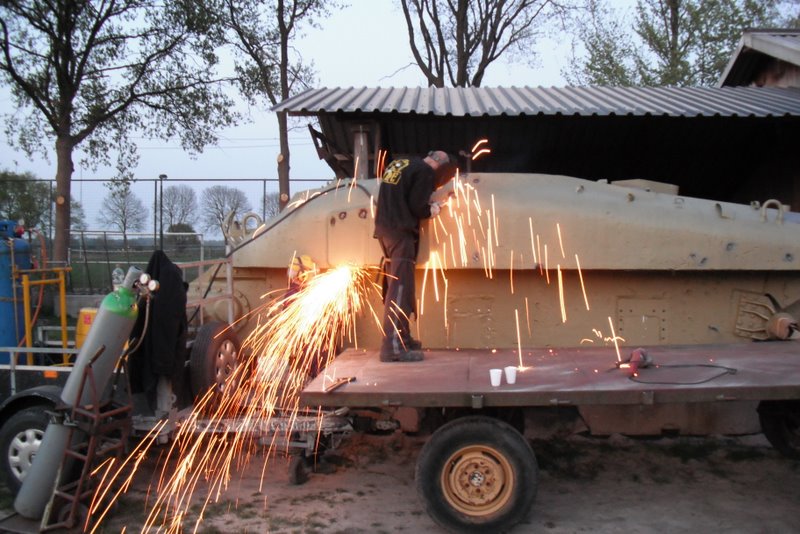
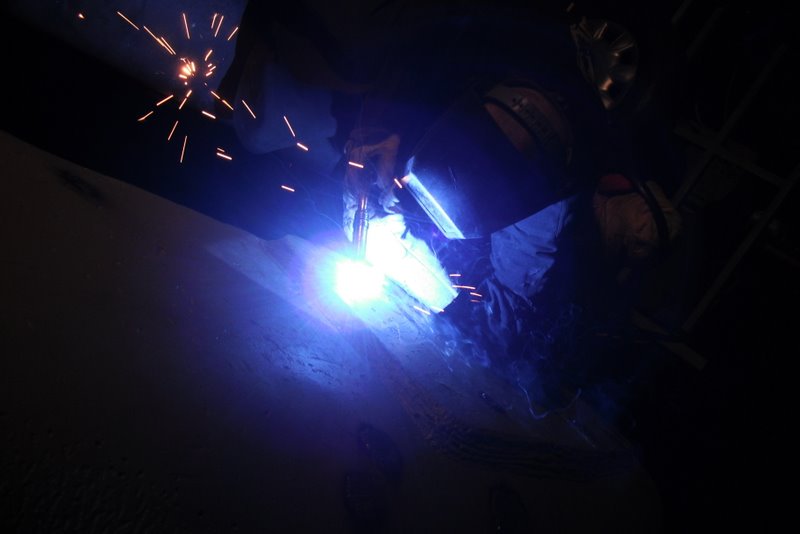
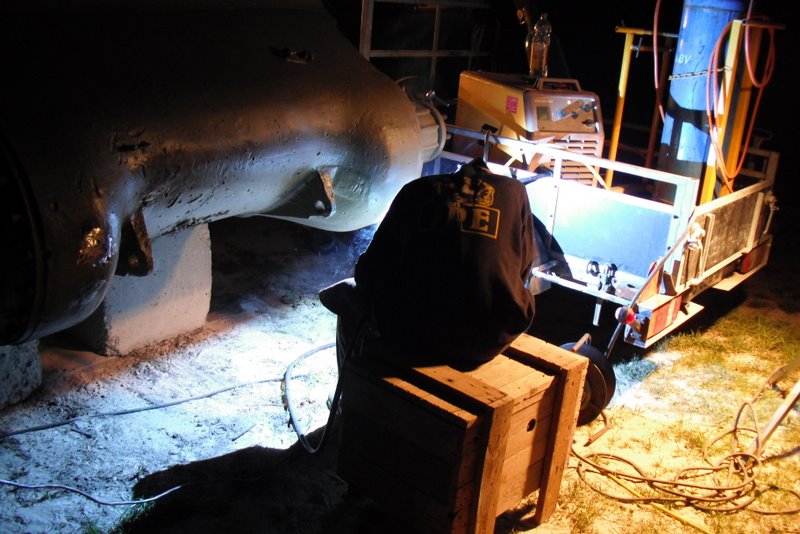
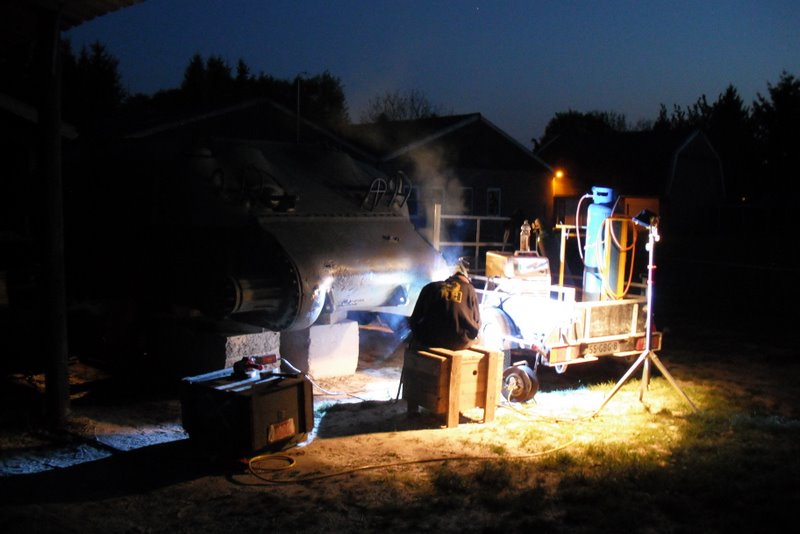
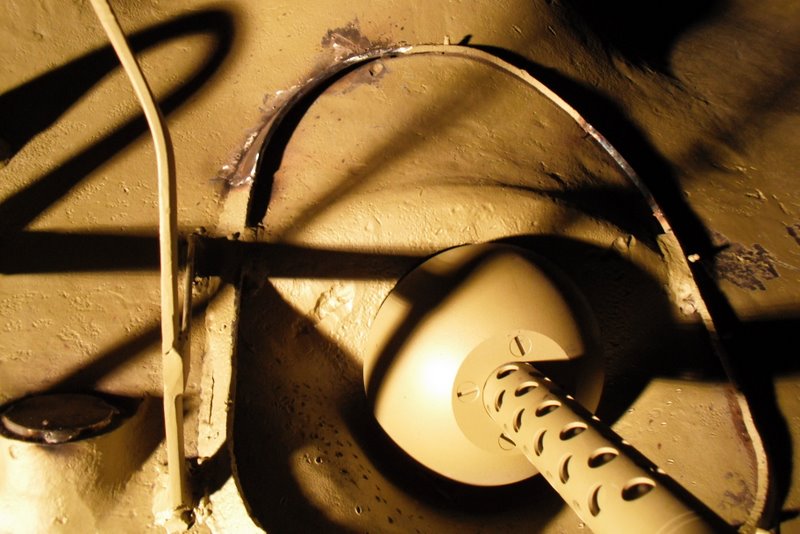
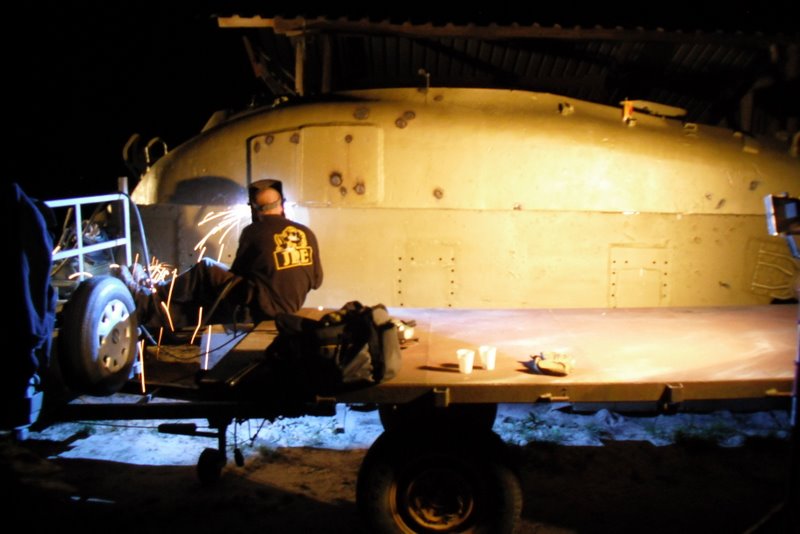
Sander from JPE (www.jpe-wijchen.nl), a company specialized in total machine maintenance, welded the last bullet holes etc. in the evening hours. Due to planning difficulties and unforeseen circumstances it was not possible to finish all the welding before the sandblasting. Because we are working with armored steel it’s necessary to work with specialized welding equipment and mixed (welding) gas. The welding that’s done by Sander with this special welding material (sponsored by Berkvens Metaalwerken b.v. at Asten (www.berkvens-metaal.nl)) has survived the sandblasting unlike the spots we welded with basic welding material. Now Sander has restored them. The newly welded spots were cleaned and given a new coat of epoxy primer.
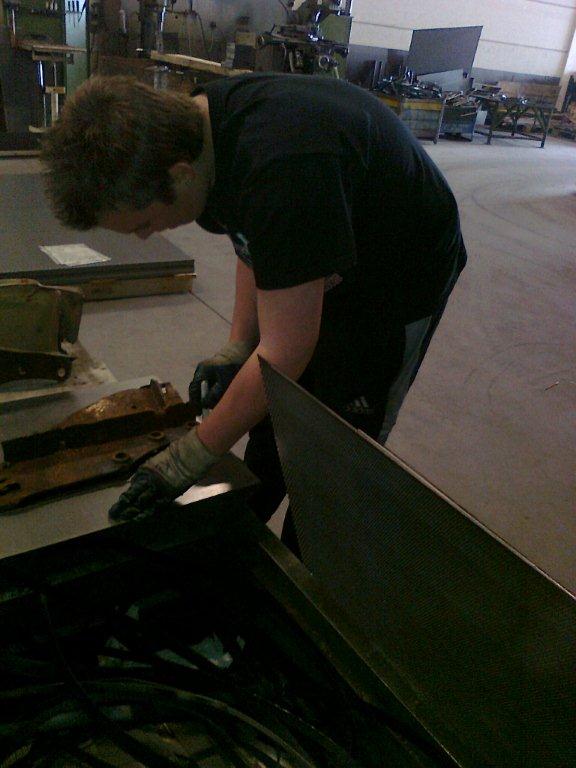
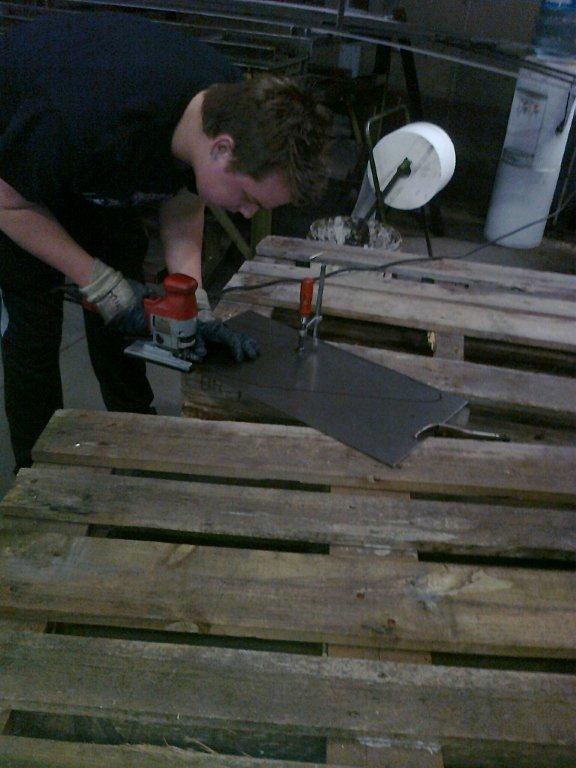
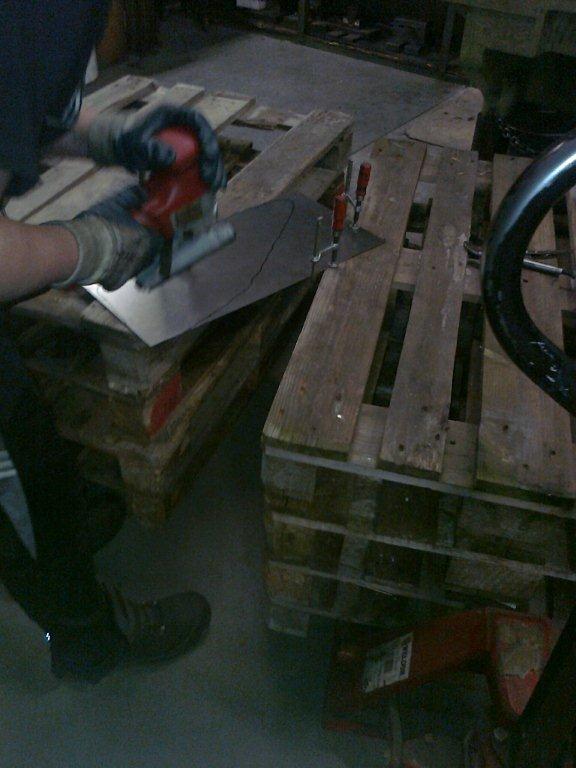
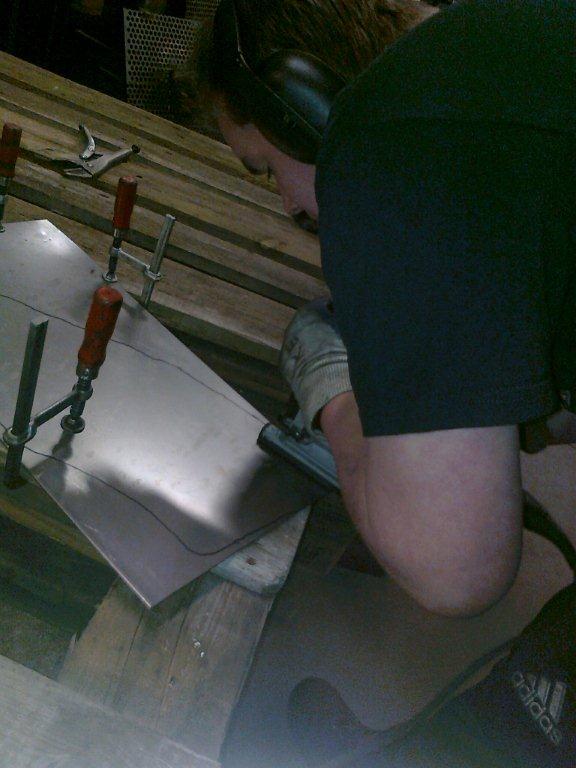
Also we applied some steel plates to close several gaps in the hull and made a new metal strip for closing the door of the engine compartment.
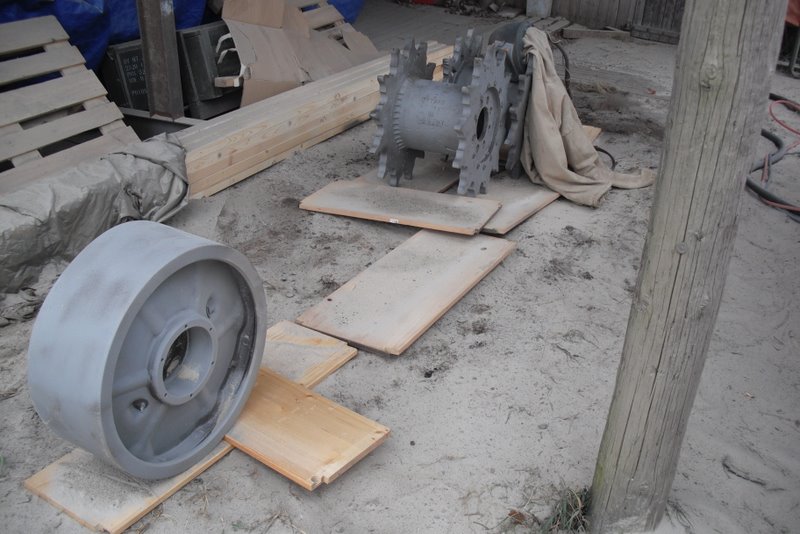
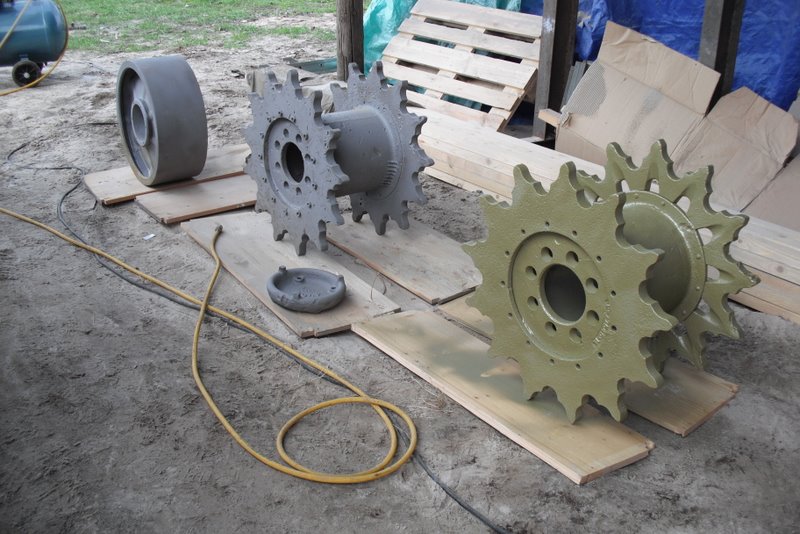
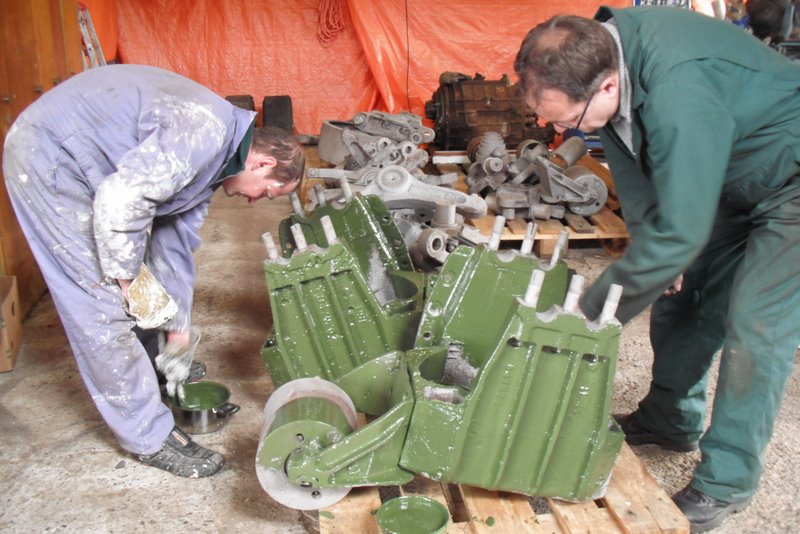
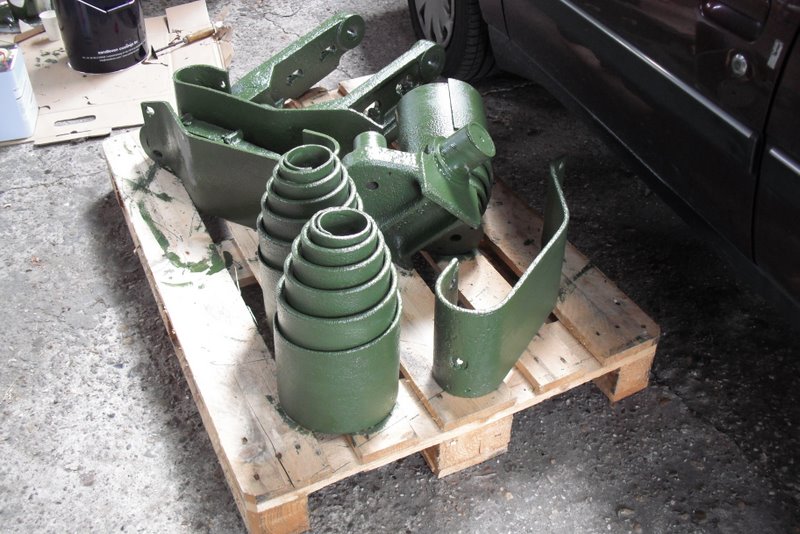
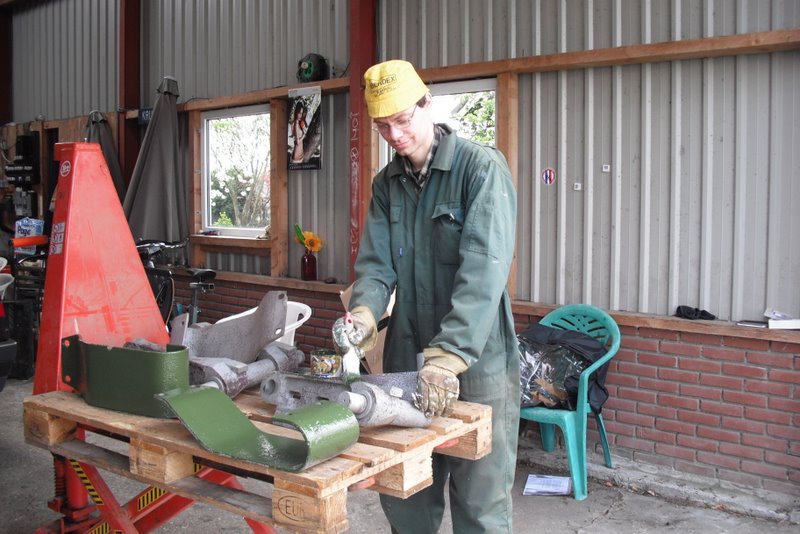
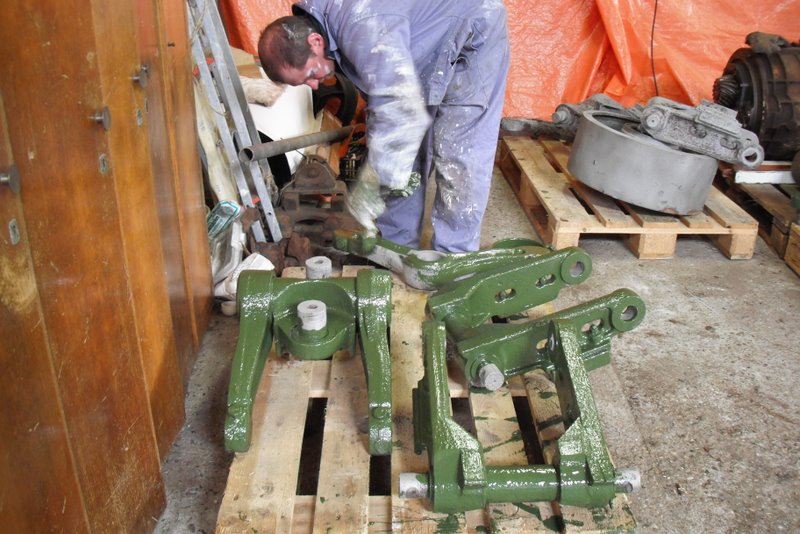
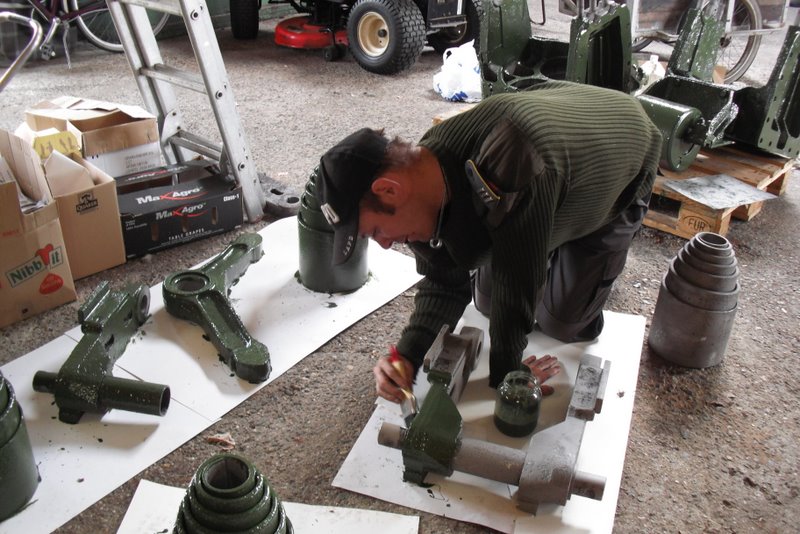
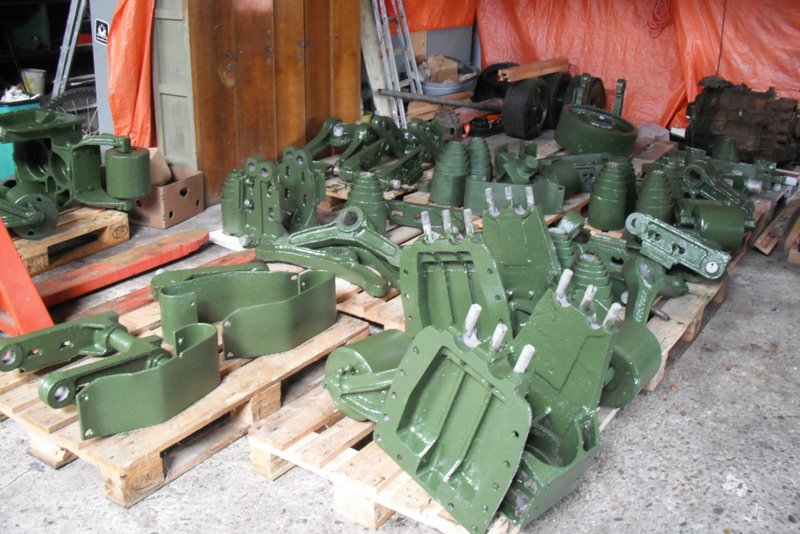
The sandblasted bogie sets, sandblasted by Renovation Technique Vloet (www.renovatietechniek.nl), are hand-painted with epoxy primer. When the hull is finished we will start with the restoration and assembling of the bogie sets.
Mike van Toer of Plaatwerken Deurne (www.plaatwerkendeurne.nl) is reproducing the front fenders and they will be finished soon.
For the second half of May 2011 we plan:
- further restoration of the bogies.
- welding the 75 mm gun barrel.
- priming
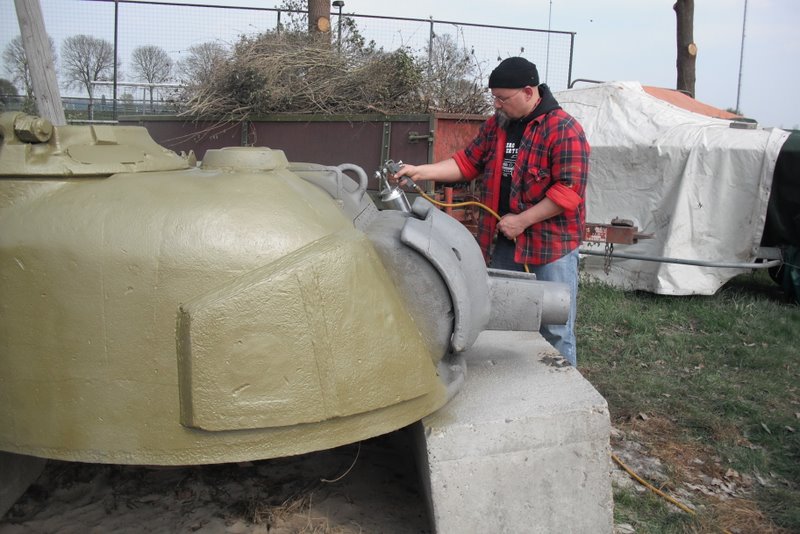
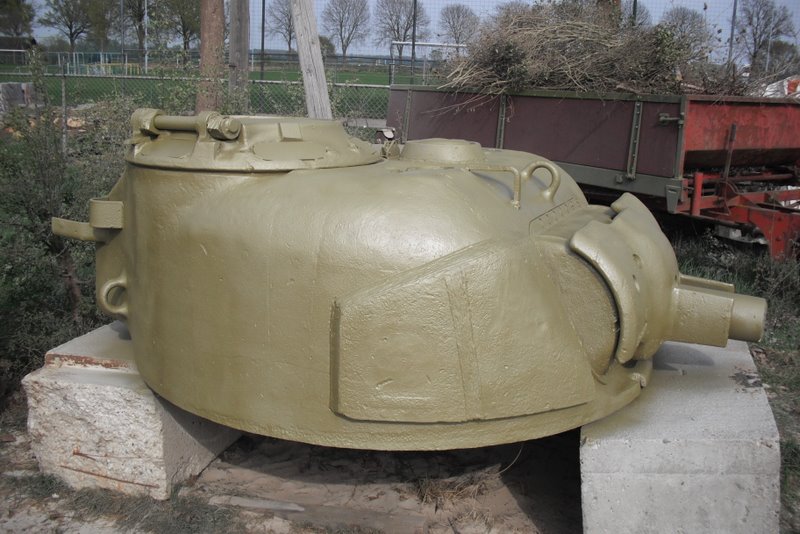
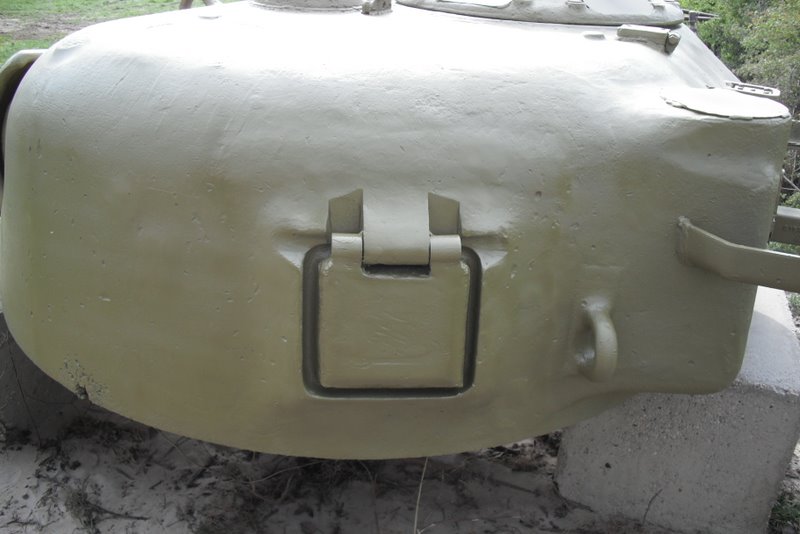
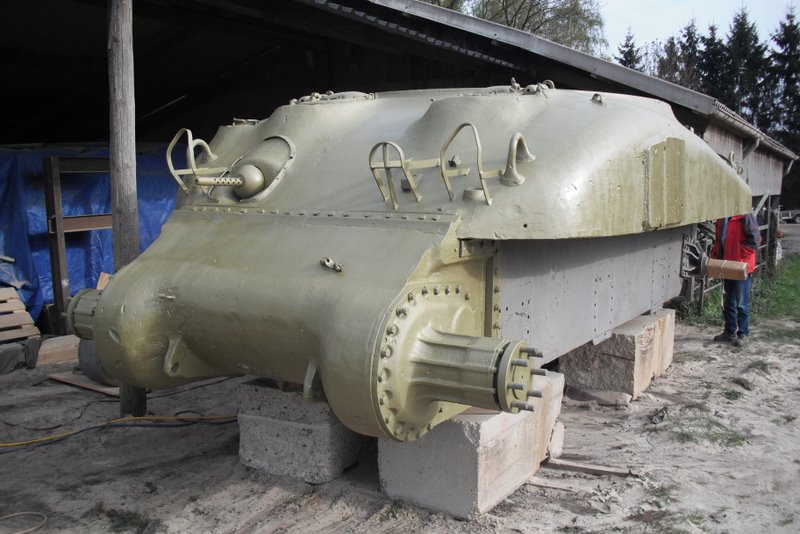
Restoration May 2011
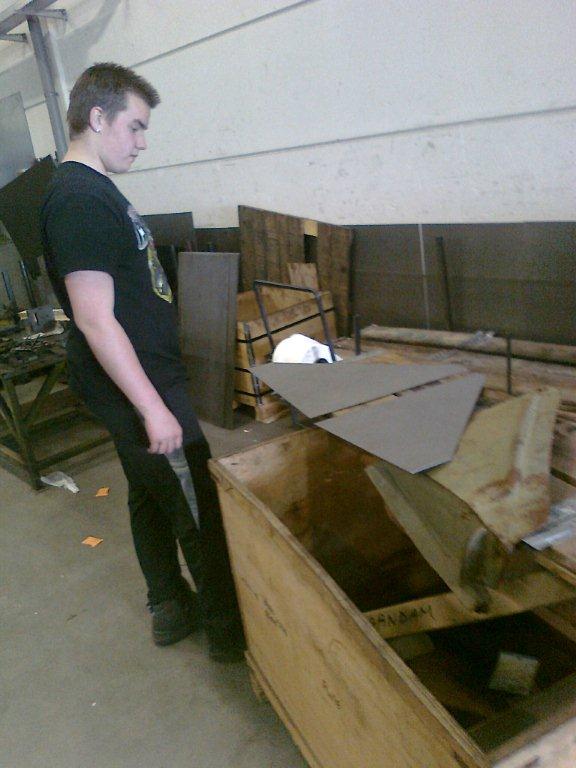
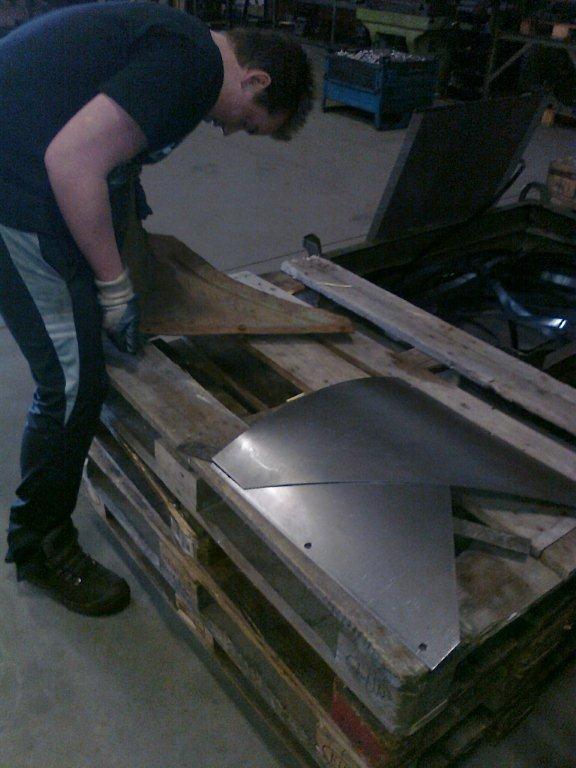
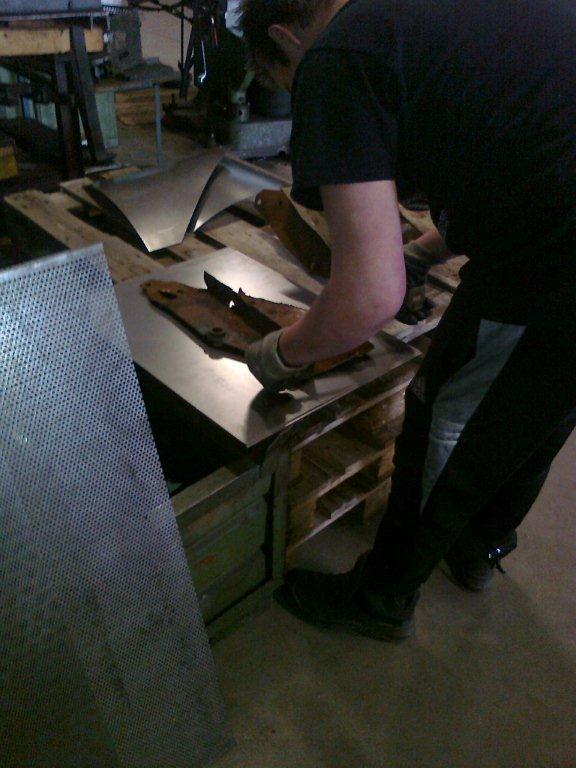
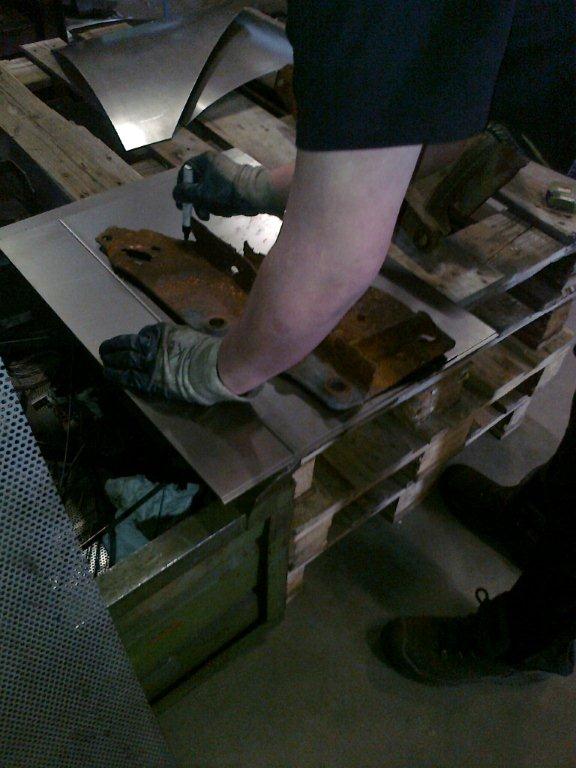
This month we worked on the hull, turret and bogie sets. The hull got its metal strips for hanging the skirts. These strips and also the other metal plates are sponsored by trading company J. Kelders BV (www.kelders-boxmeer.com). Just after the liberation in 1945 the founder of this company, Mr. J. Kelders, got a contract from the mayor. The tank wrecks that were left behind had to be removed and scrapped. No doubt he also removed and scrapped a number of destroyed tanks of the 7th Armored Division around Overloon. Now, more than 60 years later, the sons, grandsons and granddaughter of the founder of this company are helping us by sponsoring steel and sheet metal for the construction of the tank.
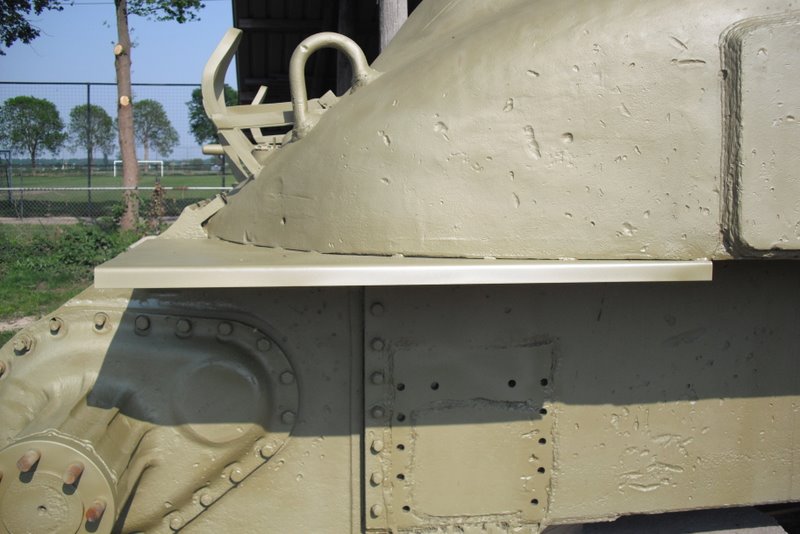
The front fenders that Mike van Toer of Plaatwerken Deurne (www.plaatwerkendeurne.nl) is reproducing are almost ready. The two transition plates that are placed between fenders and the hull are already welded to the tank.
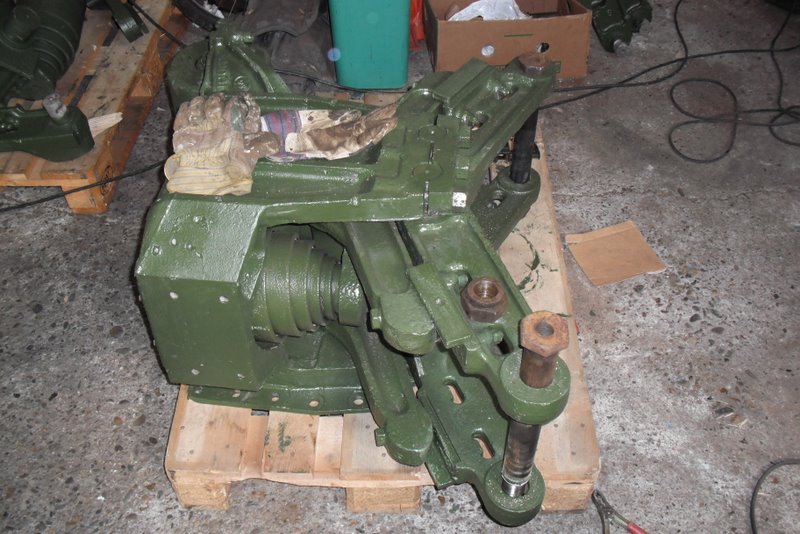
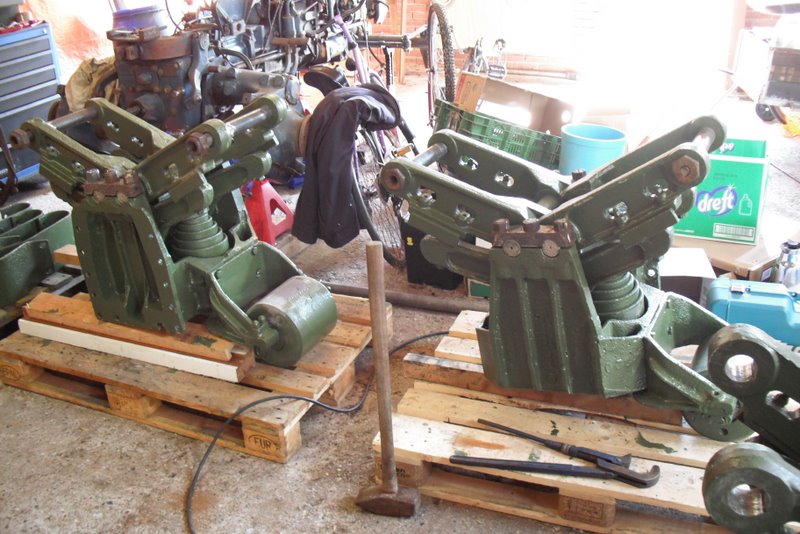
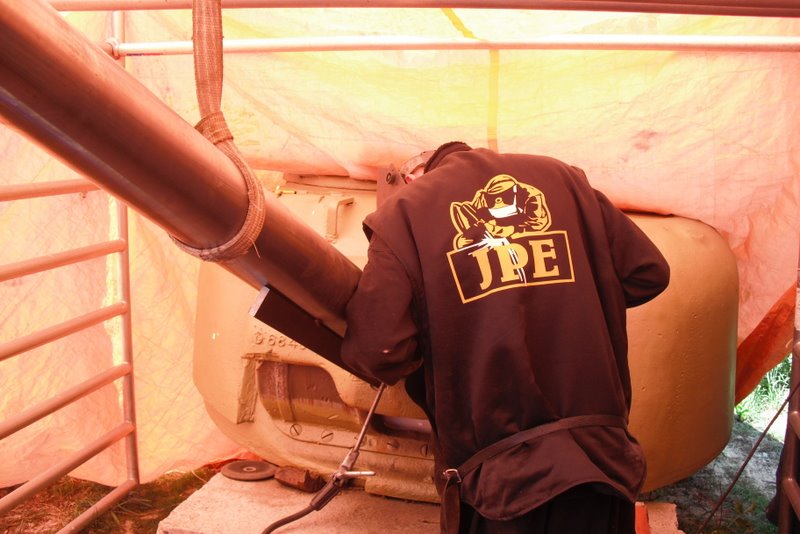
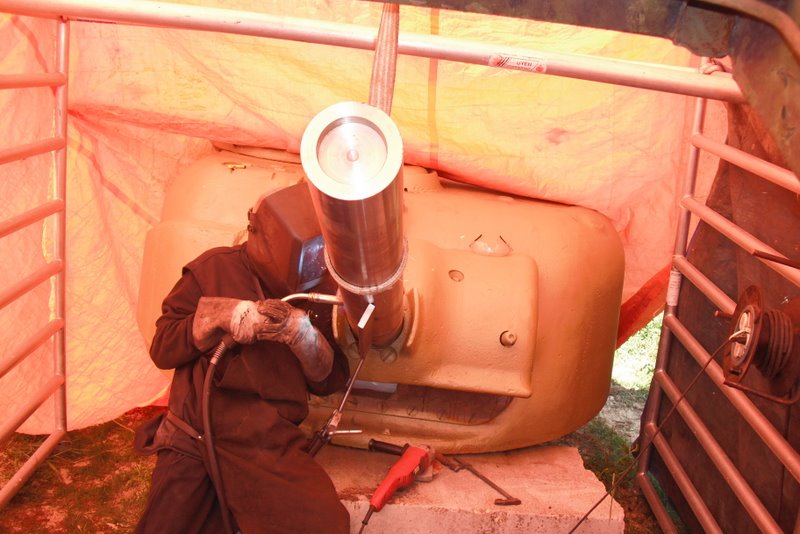
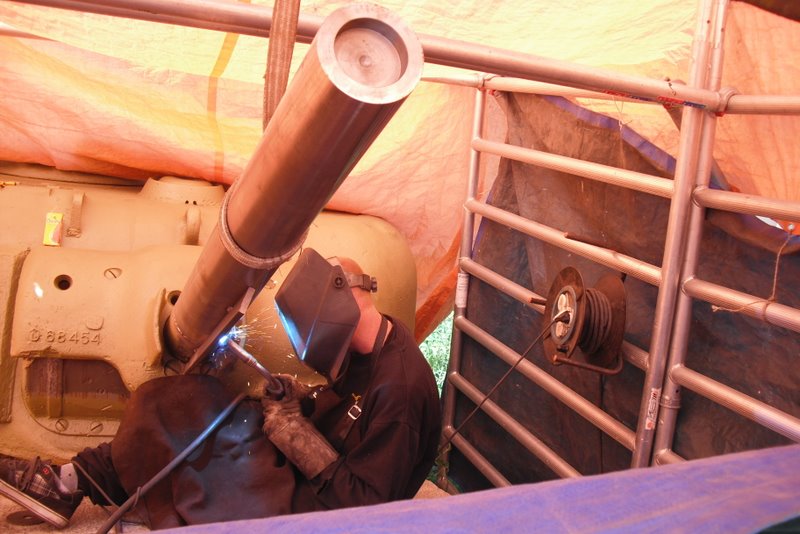
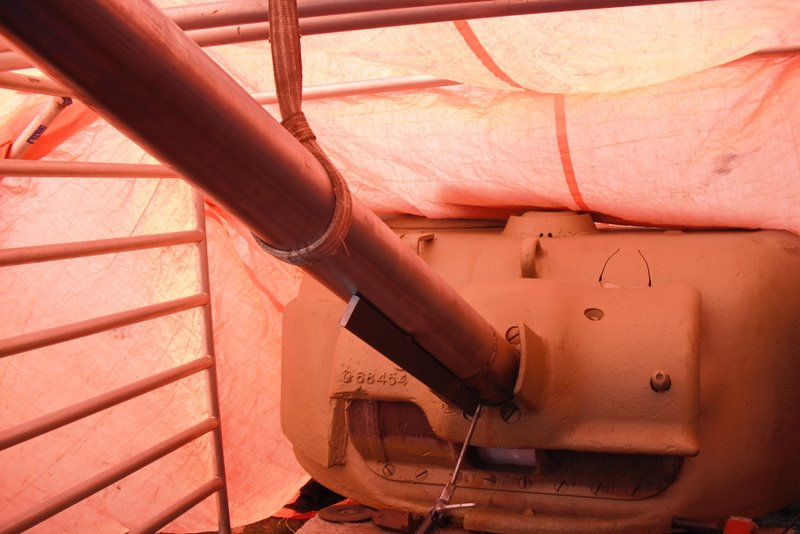
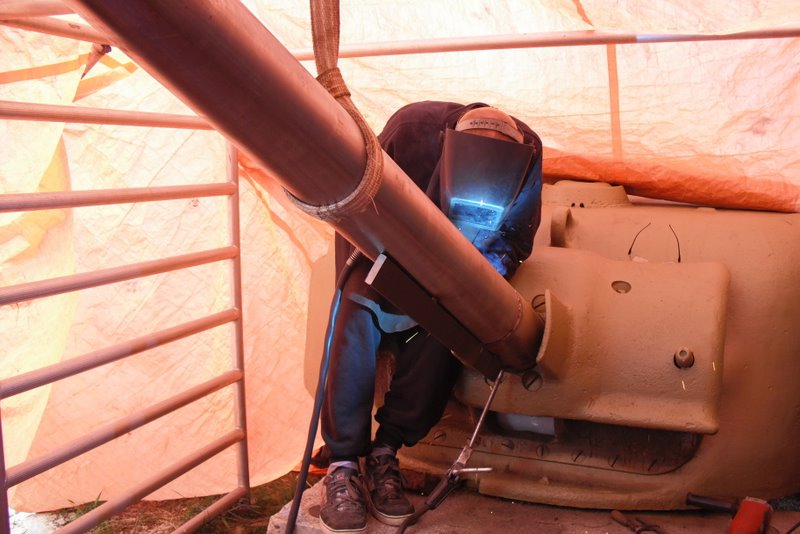
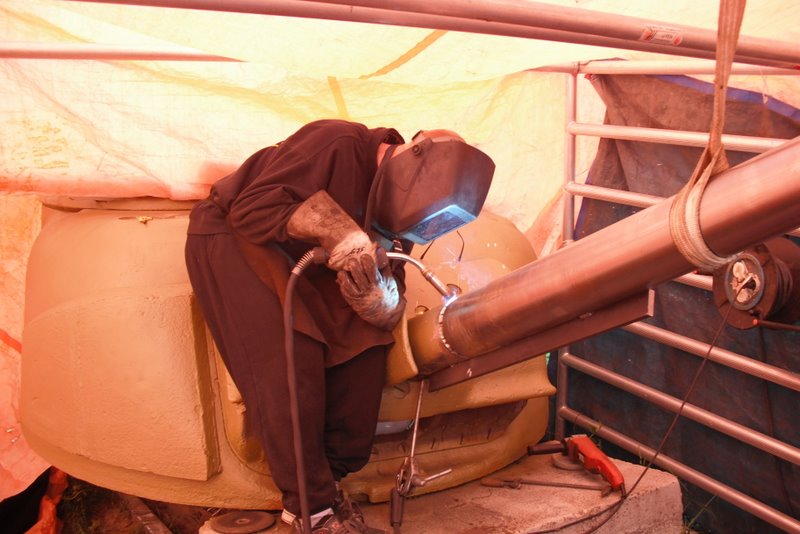
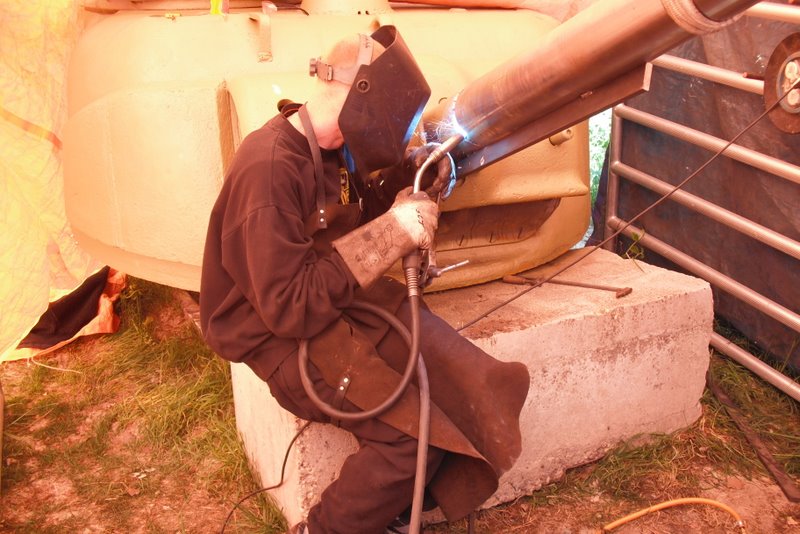
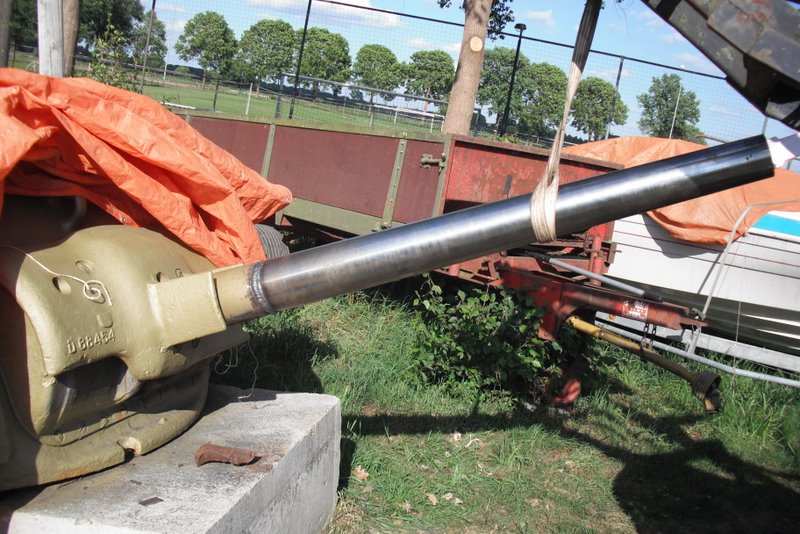
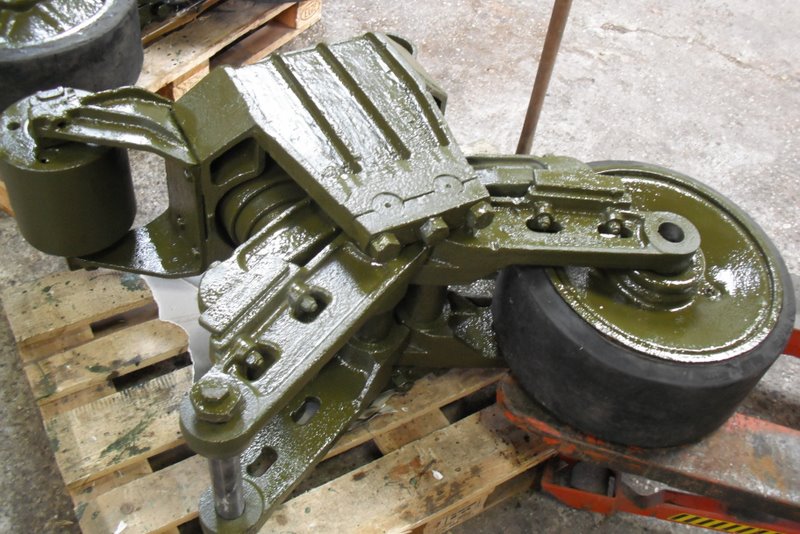
Sander from JPE (www.jpe-wijchen.nl), a company specialized in total machine maintenance, welded the 75mm reproduction gun barrel on the remaining barrel part. The remaining welding activities on the bogie sets were delayed due to technical problems (welding gear broke down). So next month the last welding will take place. The shooting range damage is largely mended. Damage ranged from minor hits and damage by projection to hits of greater caliber. On one bogie set a large part of the front is replaced. Thanks to Matt Nielen Structures BV in Boxmeer (www.mattnielen.nl) for cutting the metal parts. Most parts of the bogie sets have been assembled and we also blocked the suspension to keep the tank in a nice static position. Sander also welded the track skids. At the place where normally the bolt heads are visible, we’re going to weld loose bolt heads. The original bolts were almost all broken and in the remaining empty bolt holes the thread was so damaged that we chose this option. Assembling the bogies was a daunting task. Especially because the springs were to be pressed before the rest of the supporting arms could be installed. This is achieved by threaded rods with nuts through the spring and bottom of the wheelset to clamp and step by step to tighten the nuts. Thanks to Vos Trading Wanroij who delivered small metal plates we used for closing the holes on top of the bogie sets. Van Eeden Schadenet at Cuijk (www.schadenetvaneeden.nl) sponsored the filler we needed for plastering parts of the bogie sets and hull.
Currently we are still working on resizing the axles. Most arms where the axles must be put through have been damaged over the years (some were even completely demolished) and are curved so that they did not fit. A start has been made with the restoration of the rubber of the wheels.
Thanks to the men of Hof van Overloon (www.hofvanoverloon.nl) They have moved our assembled bogie sets and turned them over and put them on pallets with their telehandler.
In June we planned:
- replacing the turret
- further finishing of bogie sets and wheels.
- applying filler to hull and turret.
- preparing the markings
- spraying of the finish layer, the correct final color.
- mounting the bogie sets after they are sprayed in the correct final color.
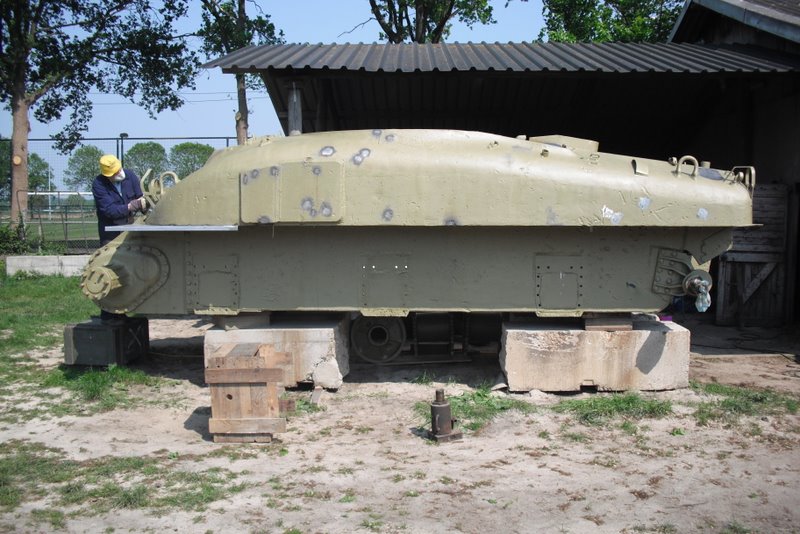
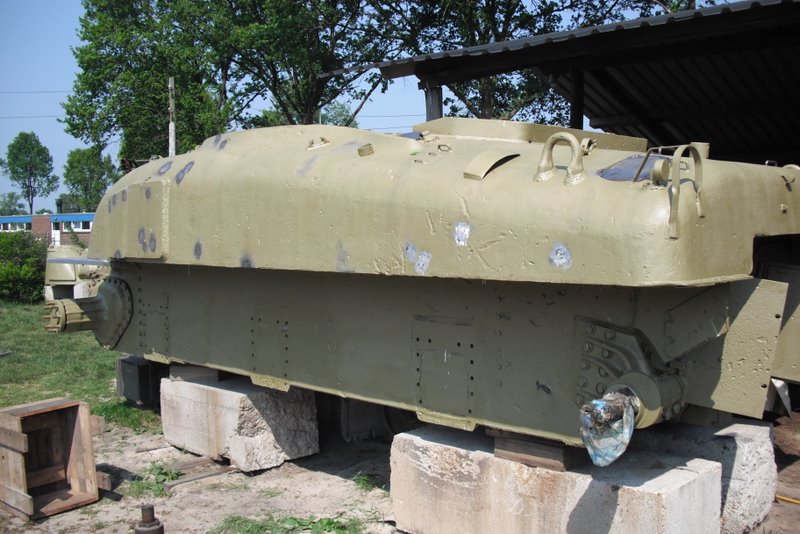
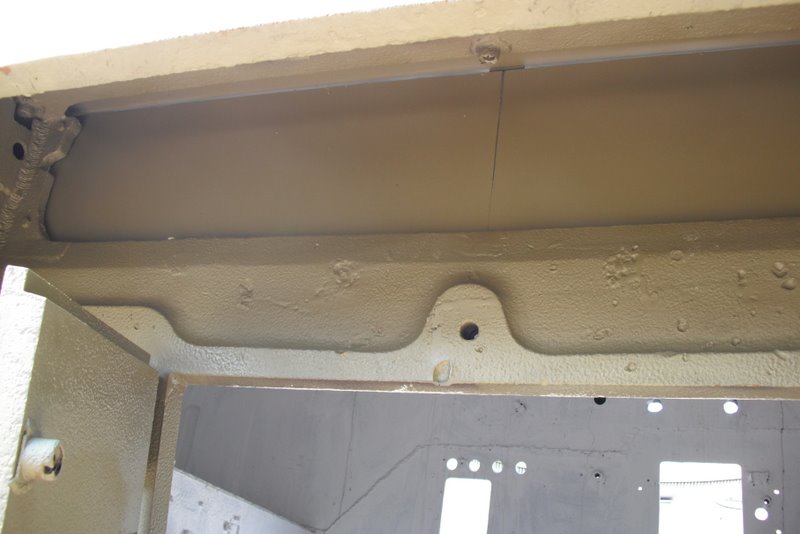
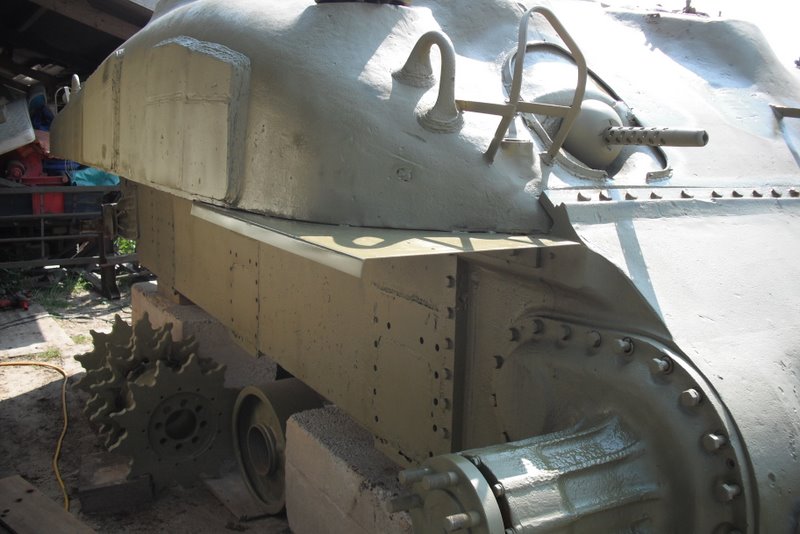
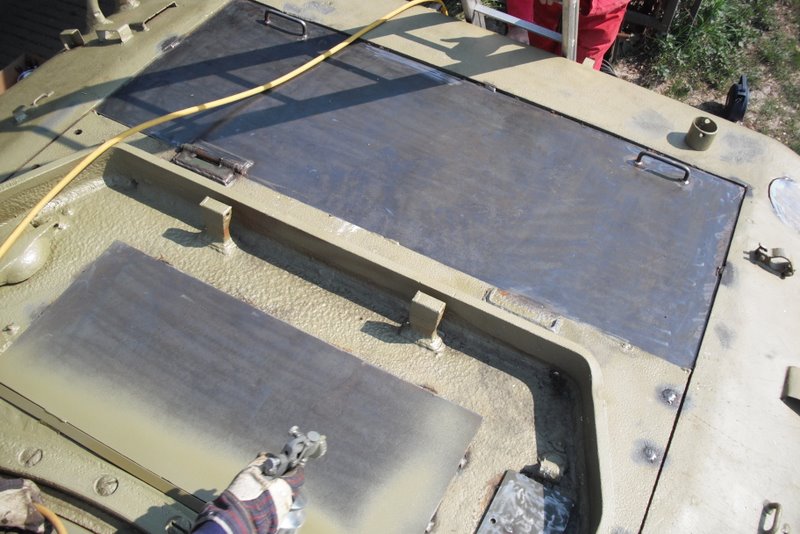
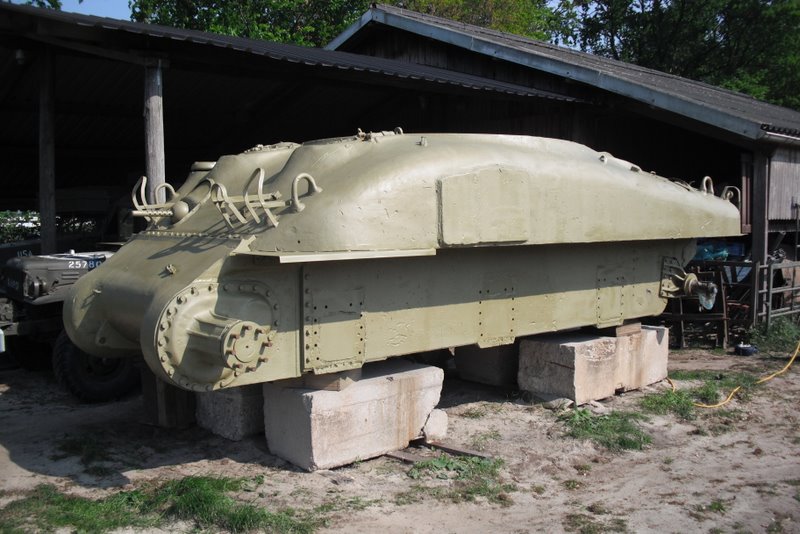
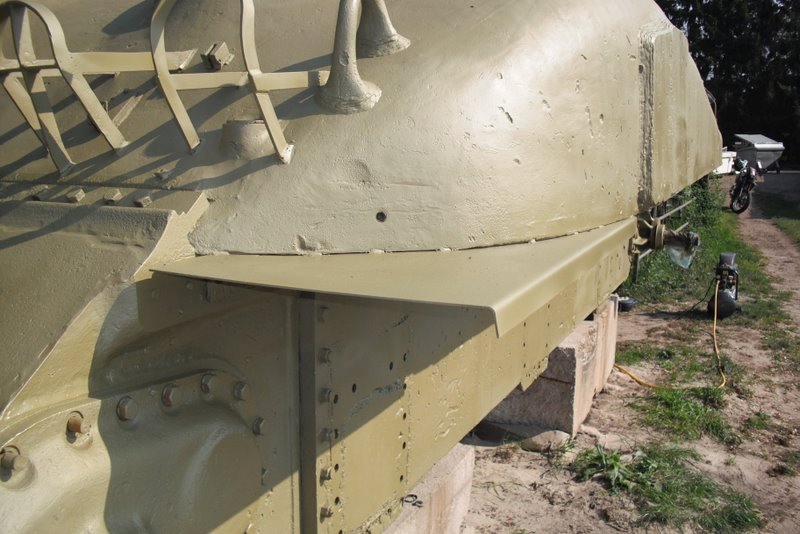
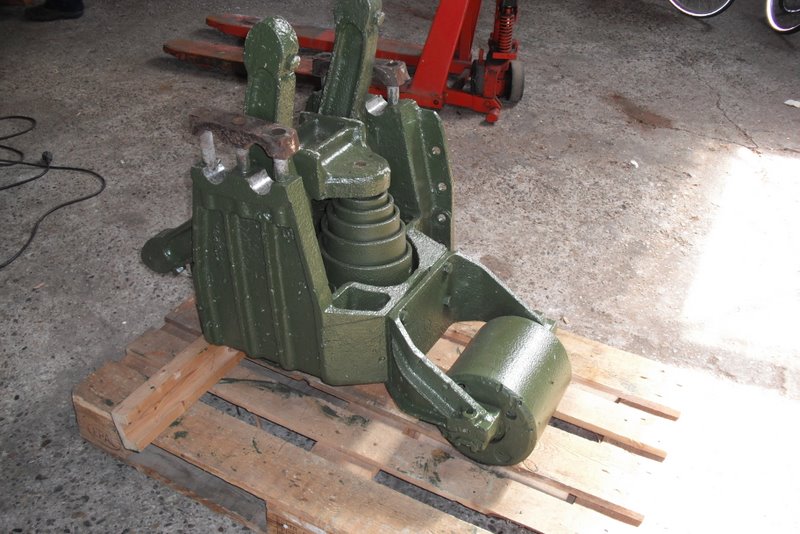
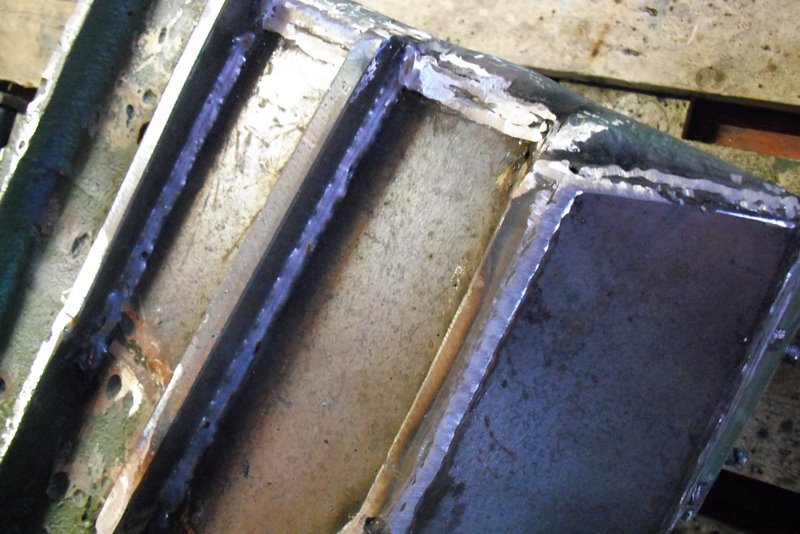
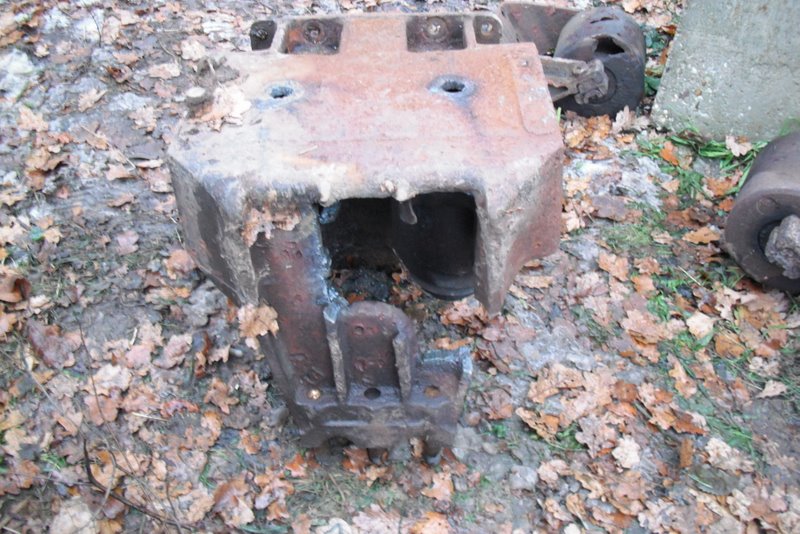
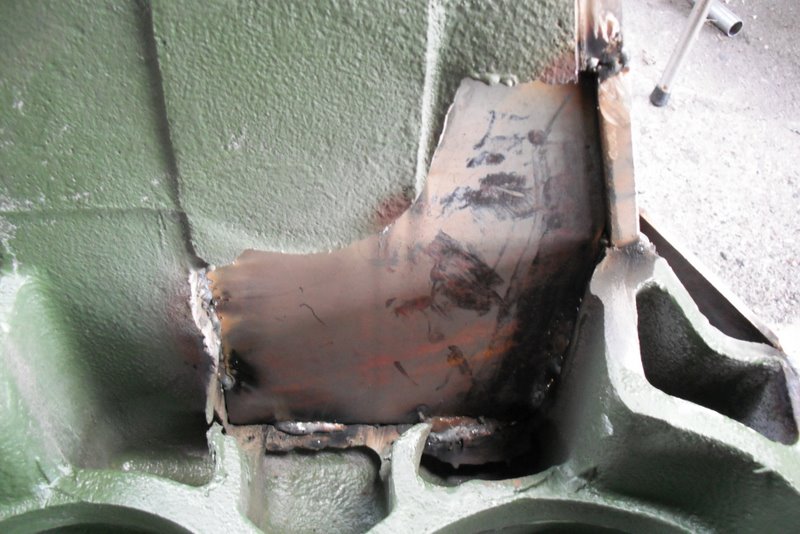
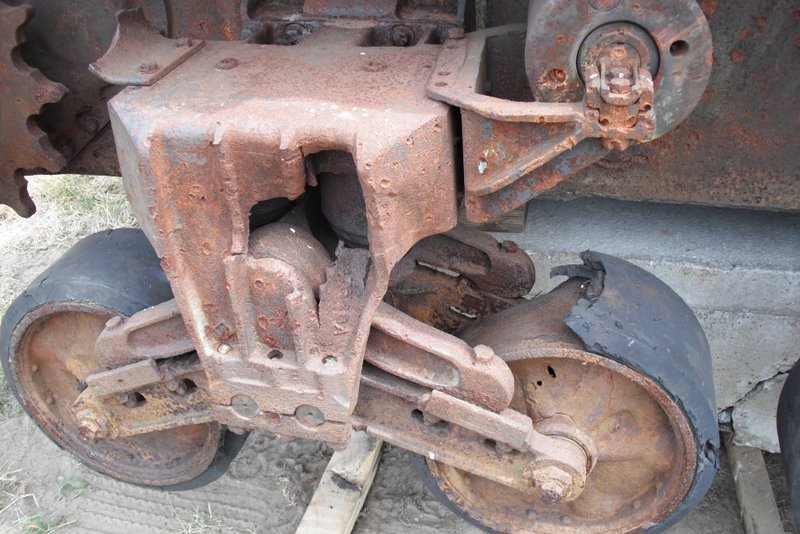
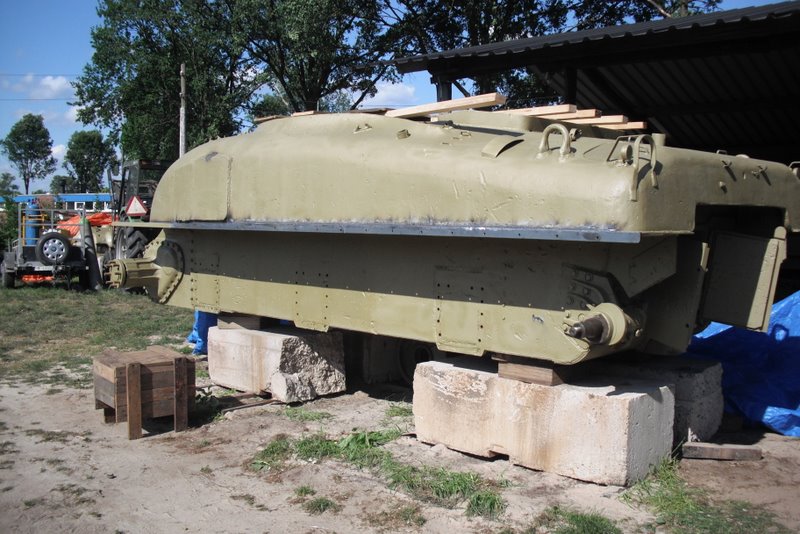
Restoration June 2011
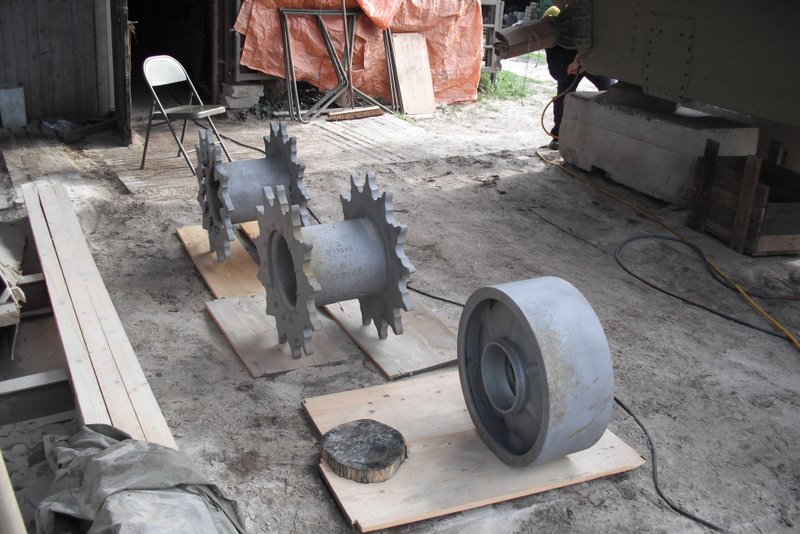
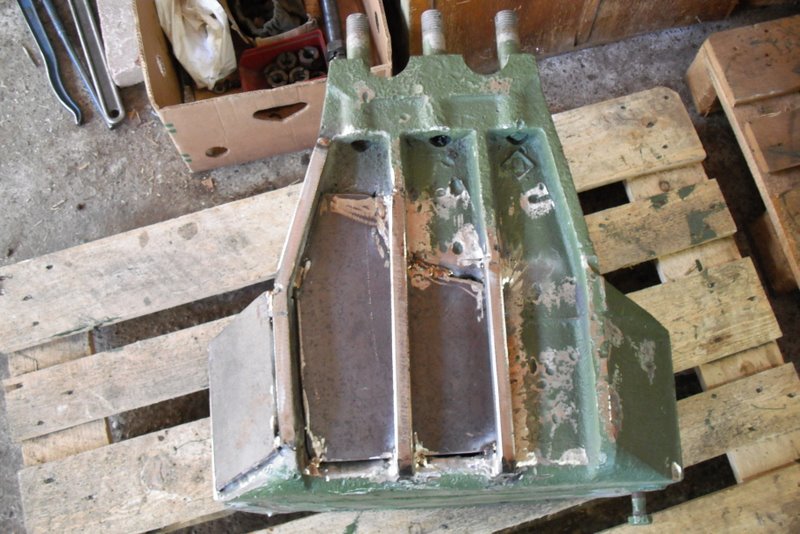
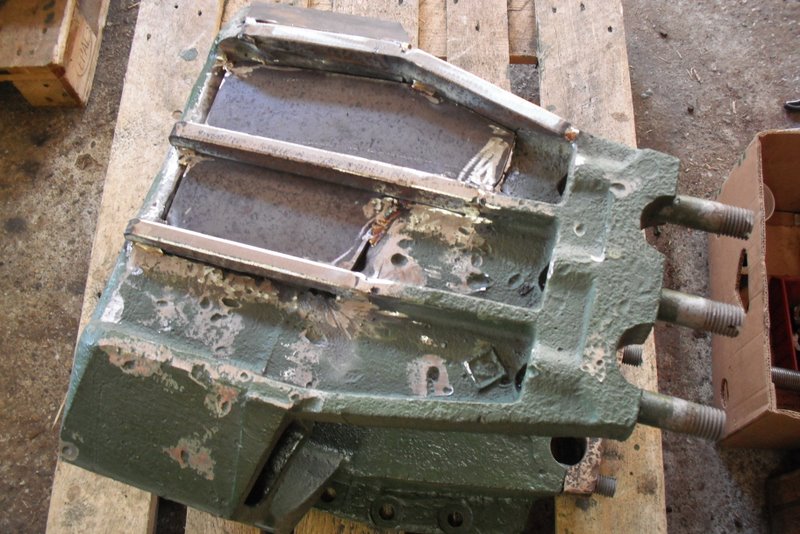
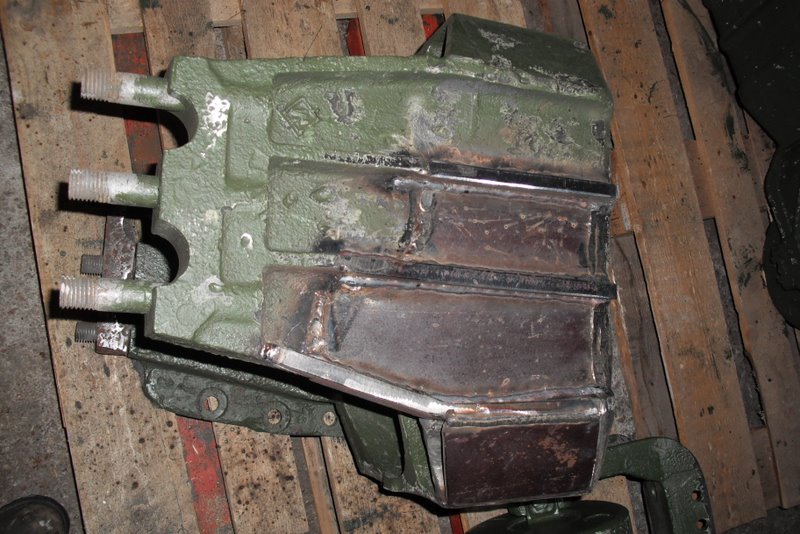
In June we mainly worked on the further completion of wheelsets and wheels. This took many hours.
The final welding on the six bogies was conducted by Sander from JPE (www.jpe-wijchen.nl), a company specialized in total machine maintenance. Meanwhile we resized the wheel axles and the damage to the supporting arms was fixed. The (shooting range) damage to the bogie sets is largely eliminated with putty.
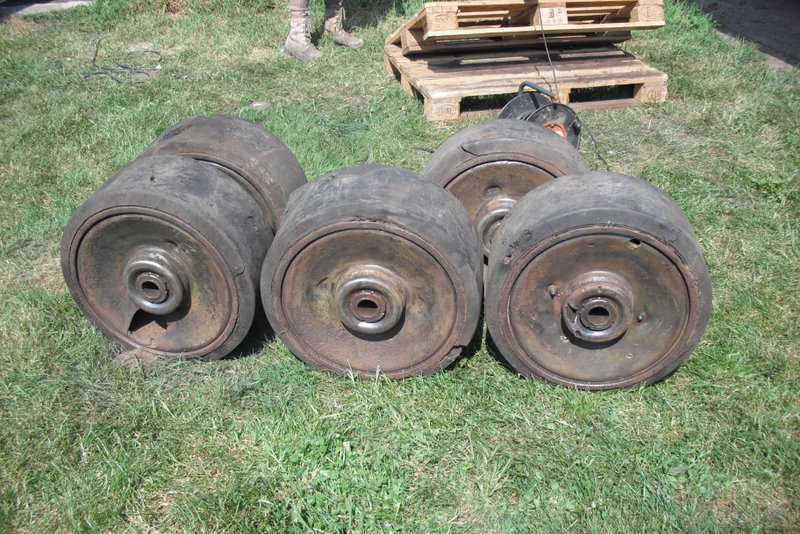
Several of the twelve wheels had bullet holes and shell damage. This damage is also repaired.
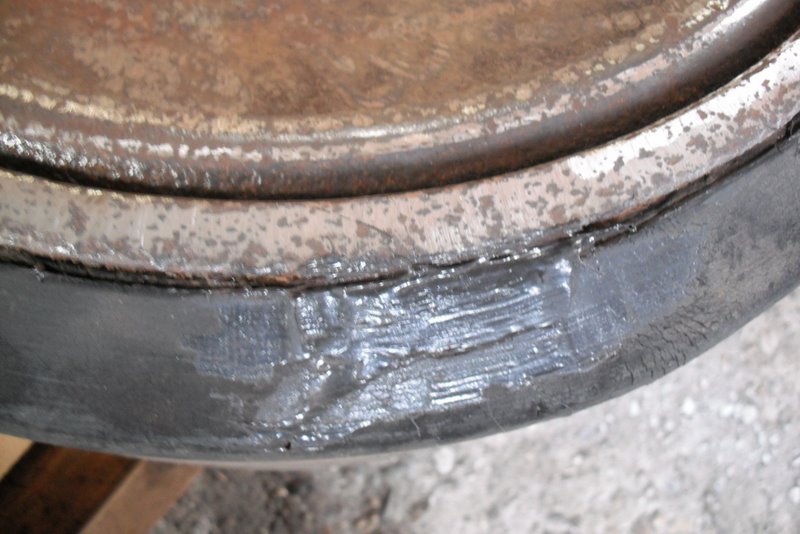
The rubber on the wheels is restored using rubber spacer blocks (from a Sherman wheel that was shot to pieces) and sealant.
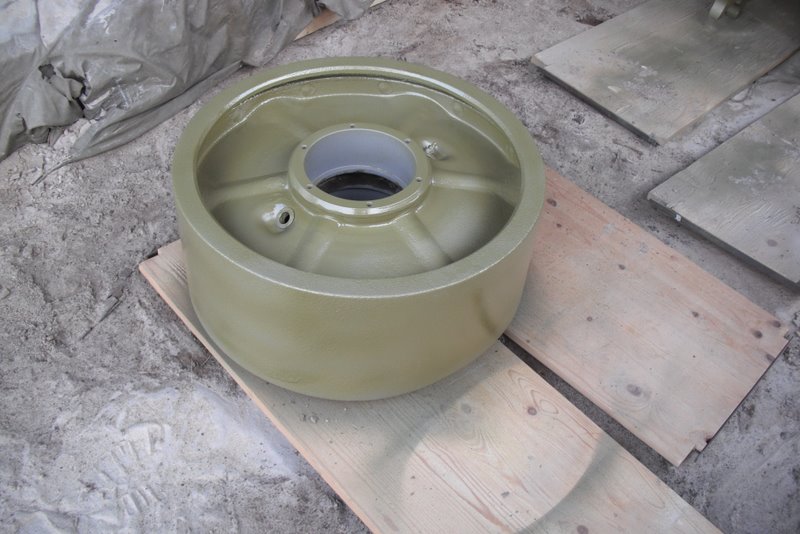
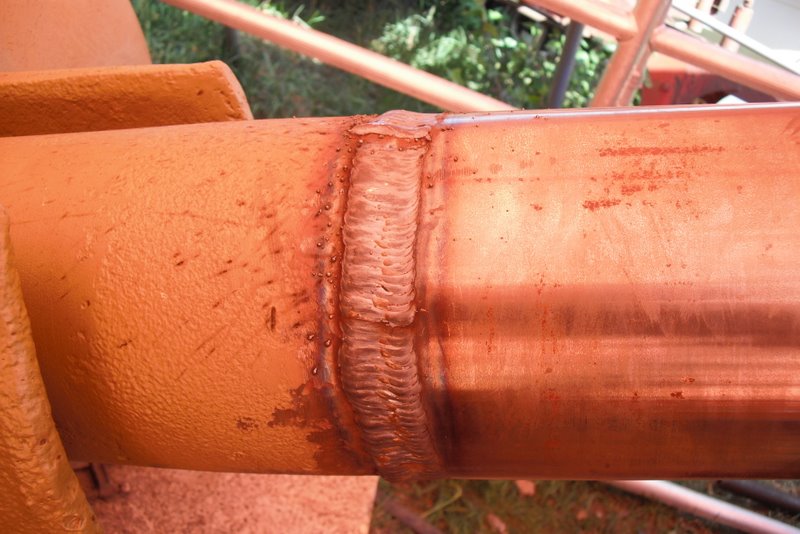
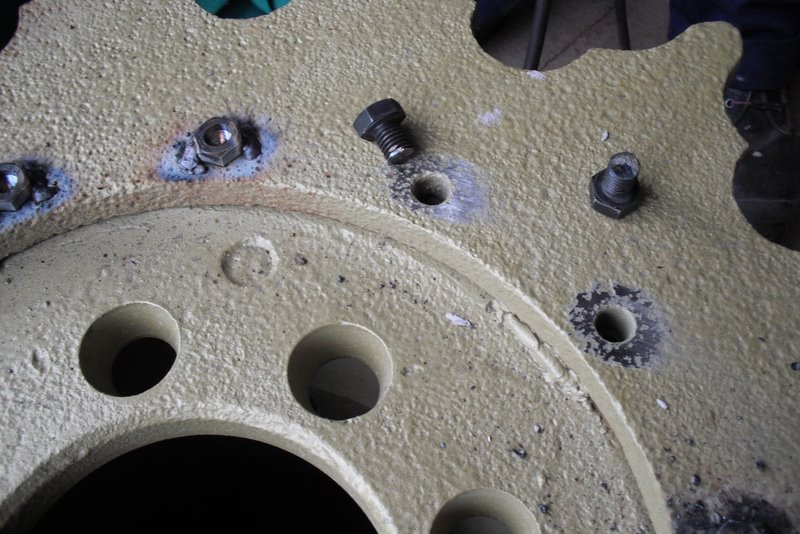
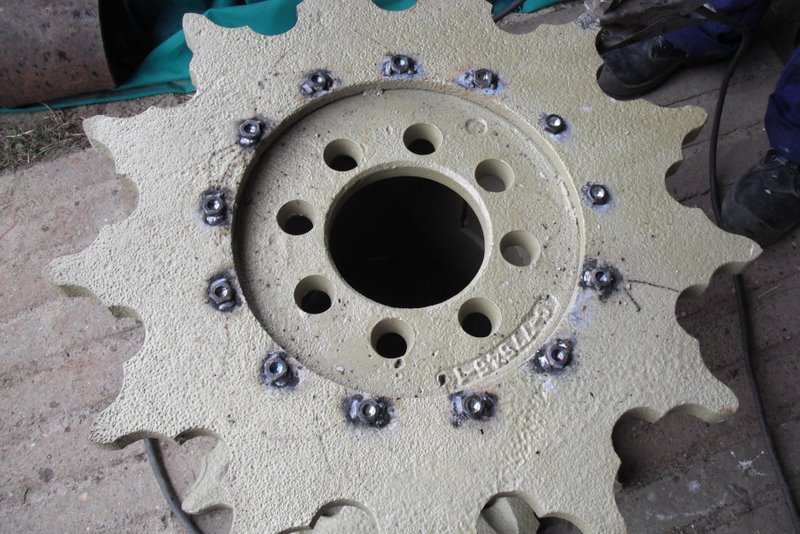
Damage to the sprocket and idler wheels is now also repaired. The outer ring at one of the sprockets is welded. We made some reproduction bolt heads, using the lathe, to make it look like the original as close as possible.
The wheels will be fitted to the bogie sets when they are sprayed in the final color. It is our intention to mount the bogies to the hull and attach the sprocket and idler sprocket in one day.
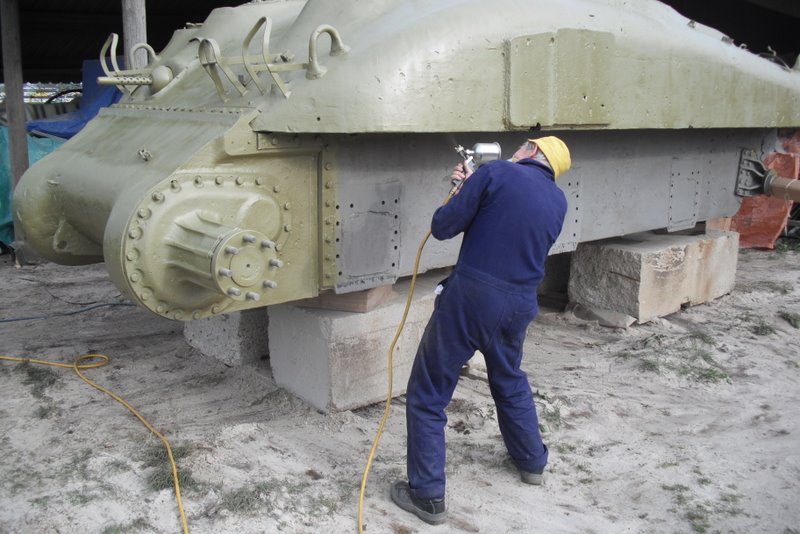
In preparation for the above, we repaired the sides of the hull where the bogie sets will be mounted with filler in order to camouflage the largest (shooting range) damage. Thanks to Van Eeden Schadenet at Cuijk (www.schadenetvaneeden.nl) who sponsored the filler we needed for plastering parts of the bogie sets and sides of the hull. Now we’re waiting for the final paint finish which will be sprayed onto the tank. Then the final assembly can begin.
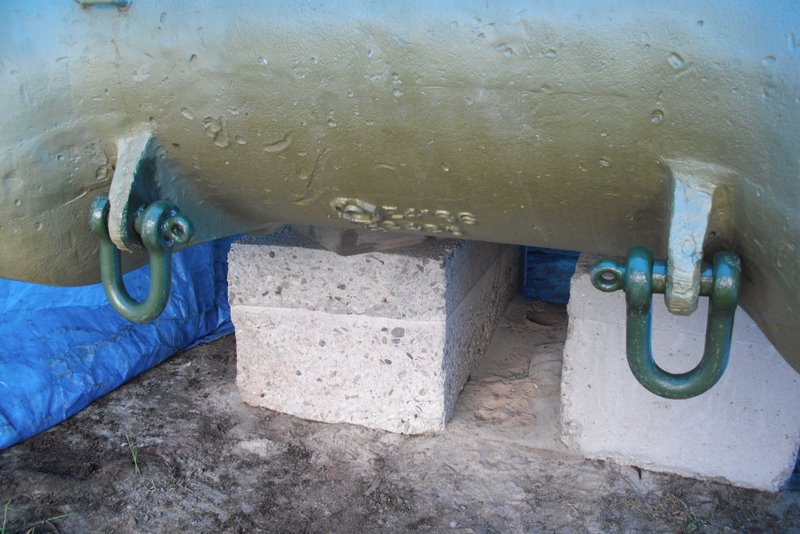
Thanks to trading company J. Kelders BV (www.kelders-boxmeer.com) for sponsoring the D-rings that are mounted on the front.
As mentioned in previous restoration reports we often had to change the planning. That is the consequence of the fact that this is a project run entirely by volunteers with no funding and relies on voluntary cooperation and goodwill of many parties/companies. Nevertheless we are satisfied with the process. In July the tank is exactly one year in our hands. July 2011 is a good month to finish the restoration of the tank.
In July we planned:
- mounting the bogie sets after they are sprayed in the correct final color.
- replacing the turret.
- applying filler to hull and turret.
- spraying of the finish layer, the appropriate end color.
- applying the markings.
- hanging the tracks (which is still a puzzle to be solved).
- start the construction of the concrete base where the tank will be placed on the square in Overloon.
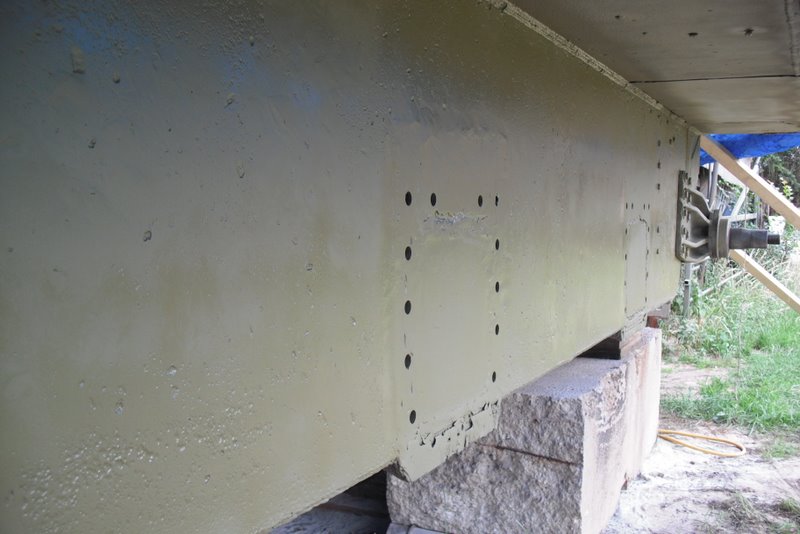
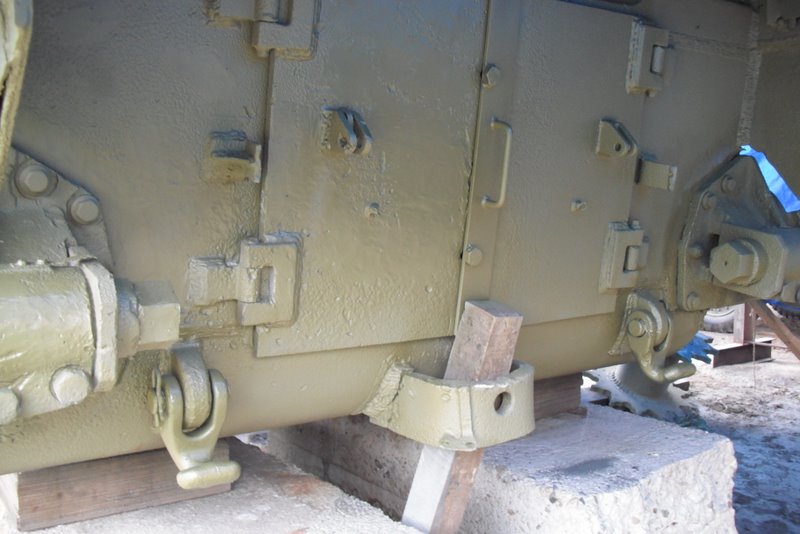
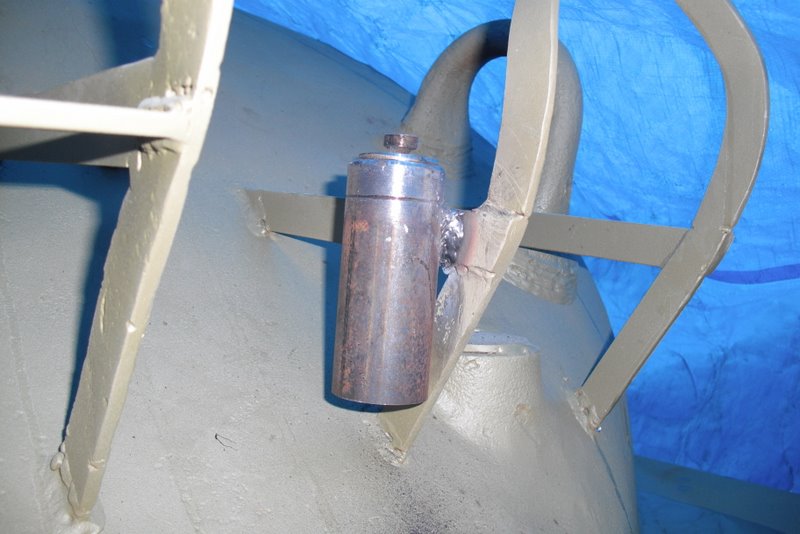
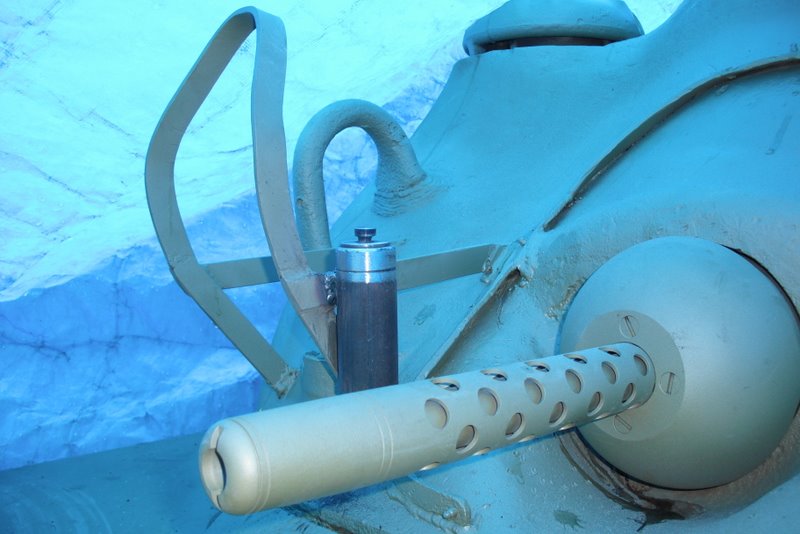
Restoration July 2011
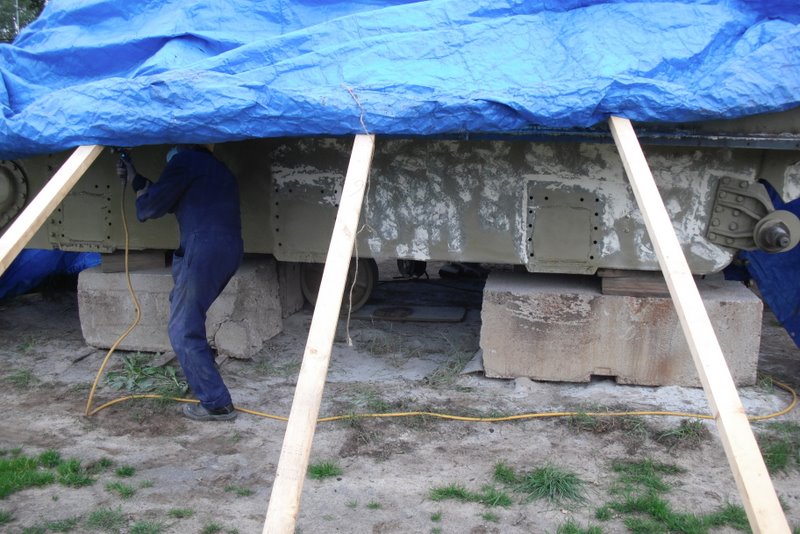
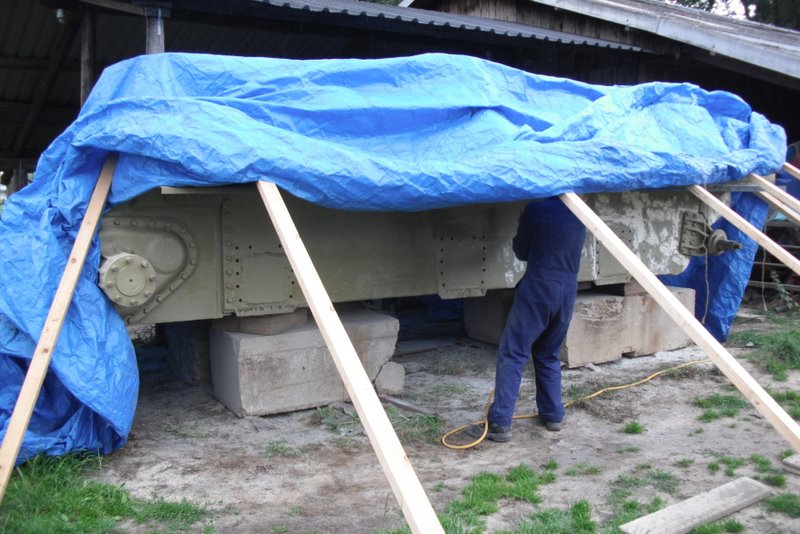
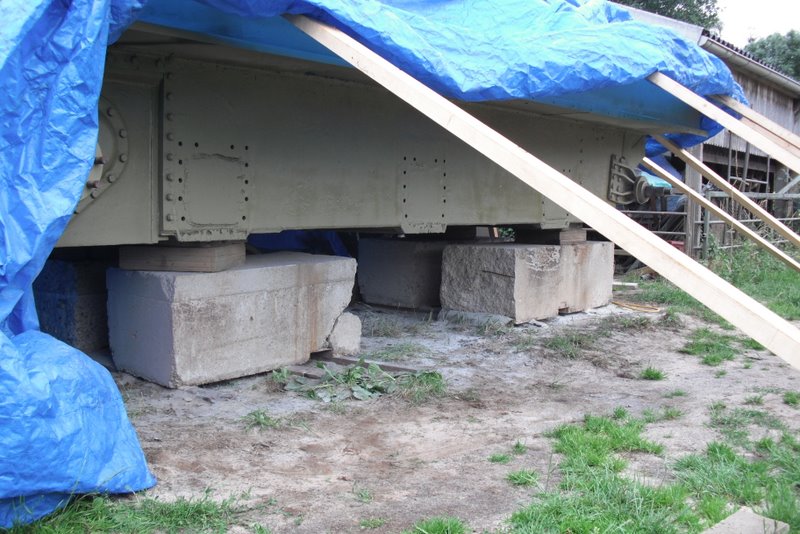
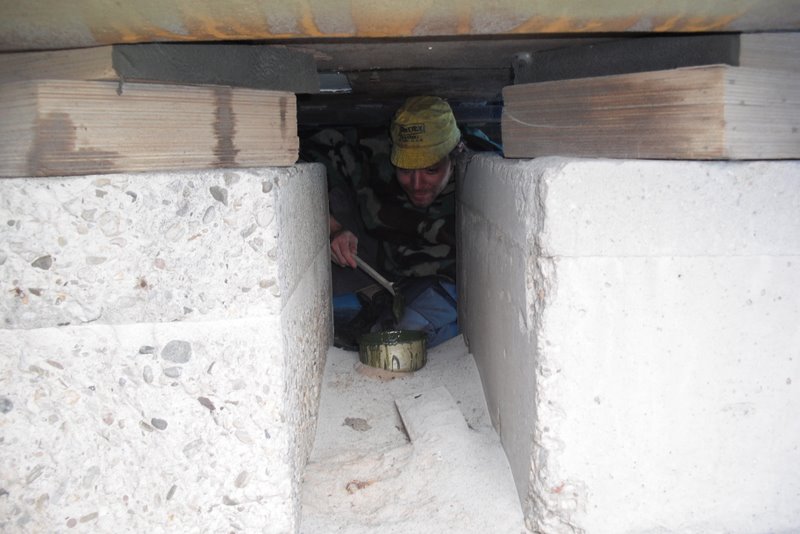
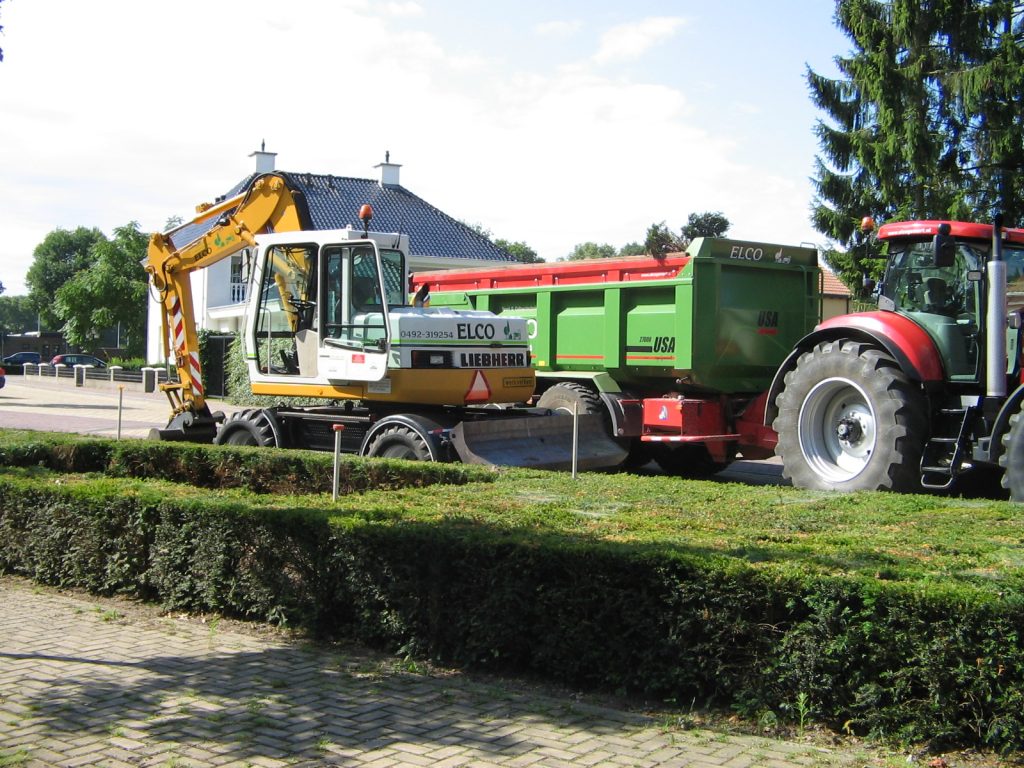
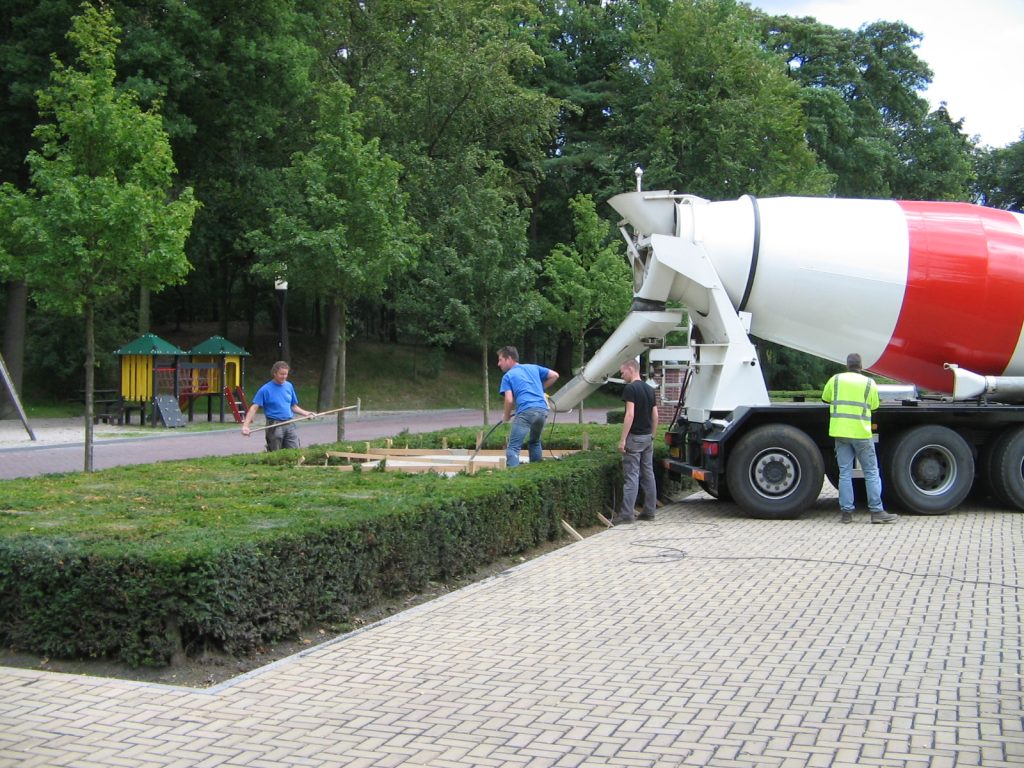
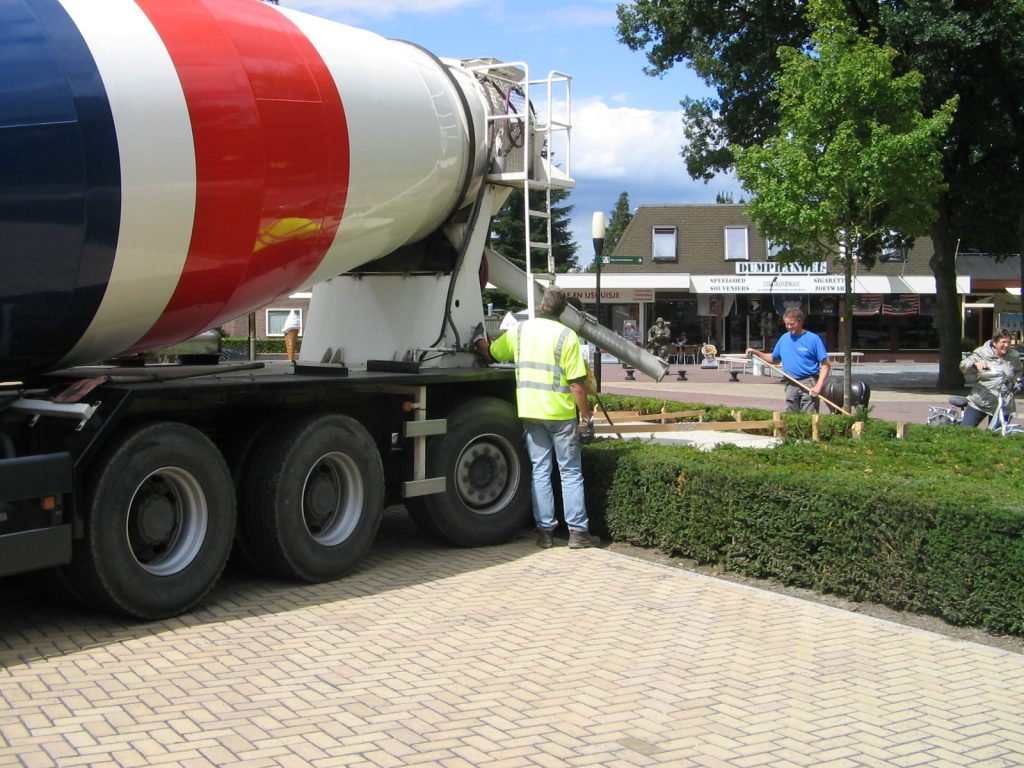
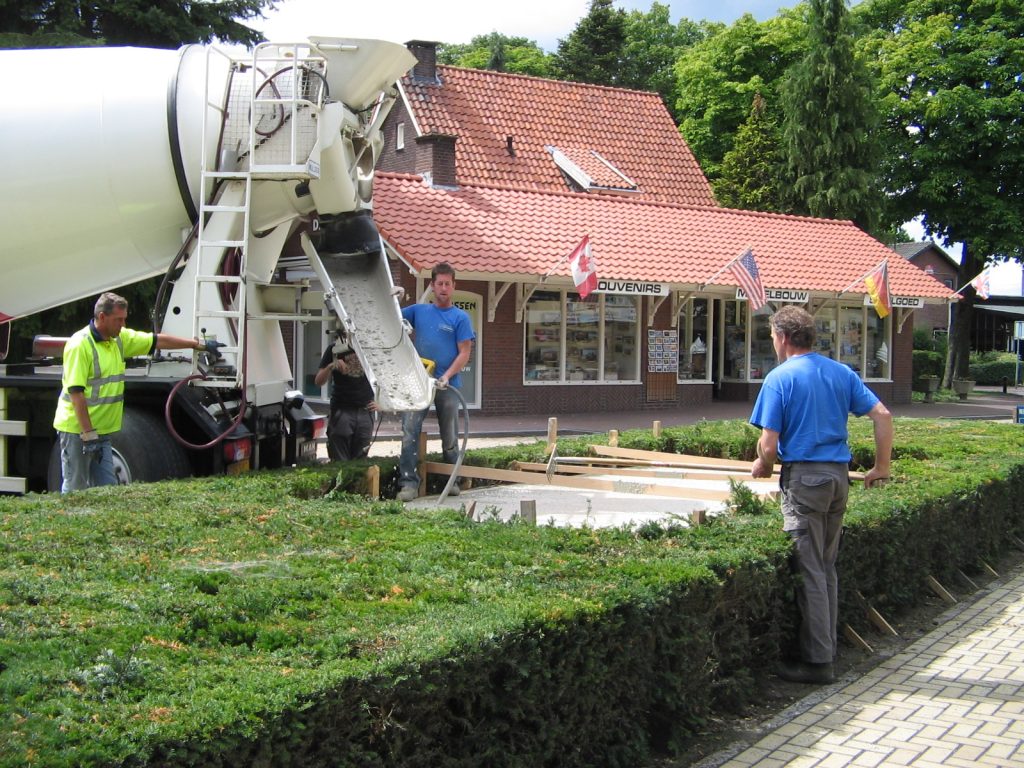
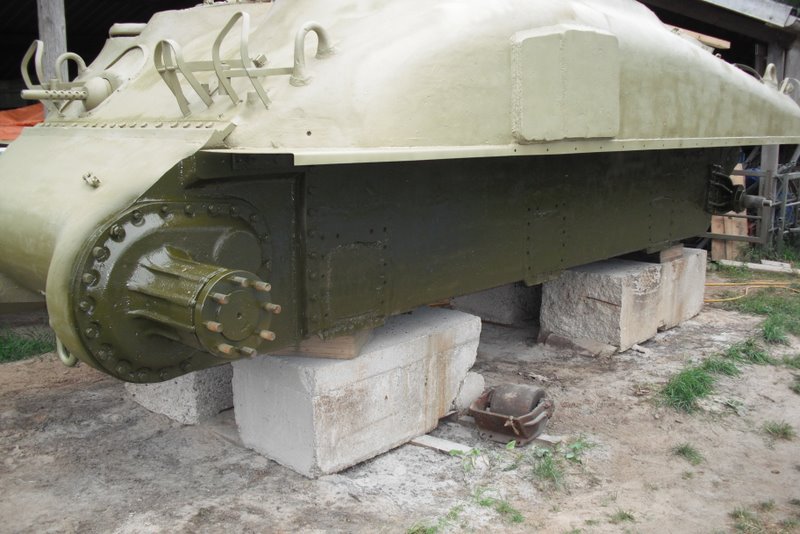
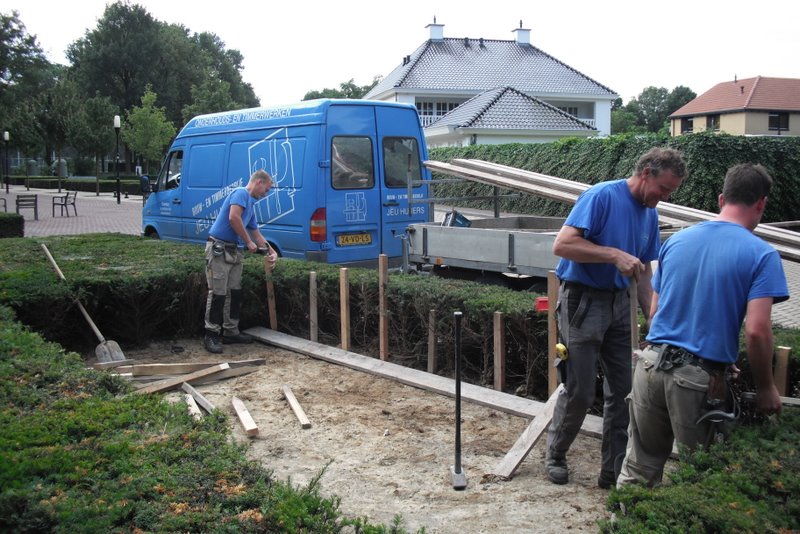
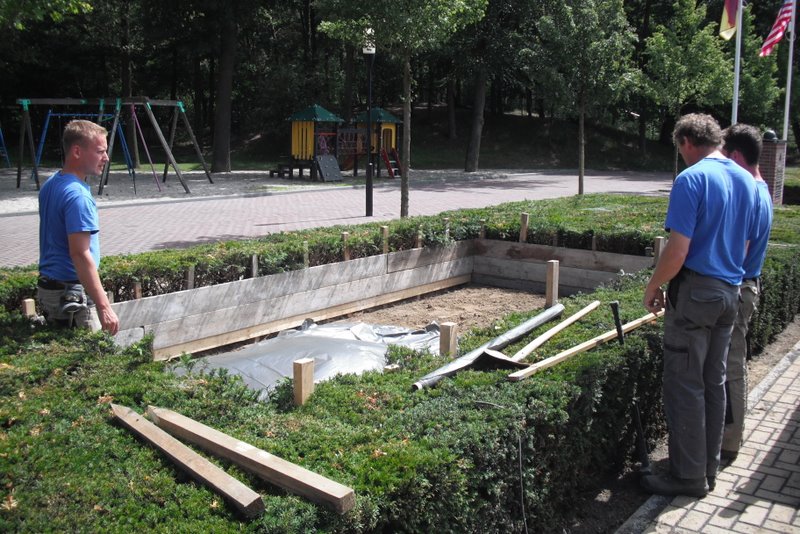
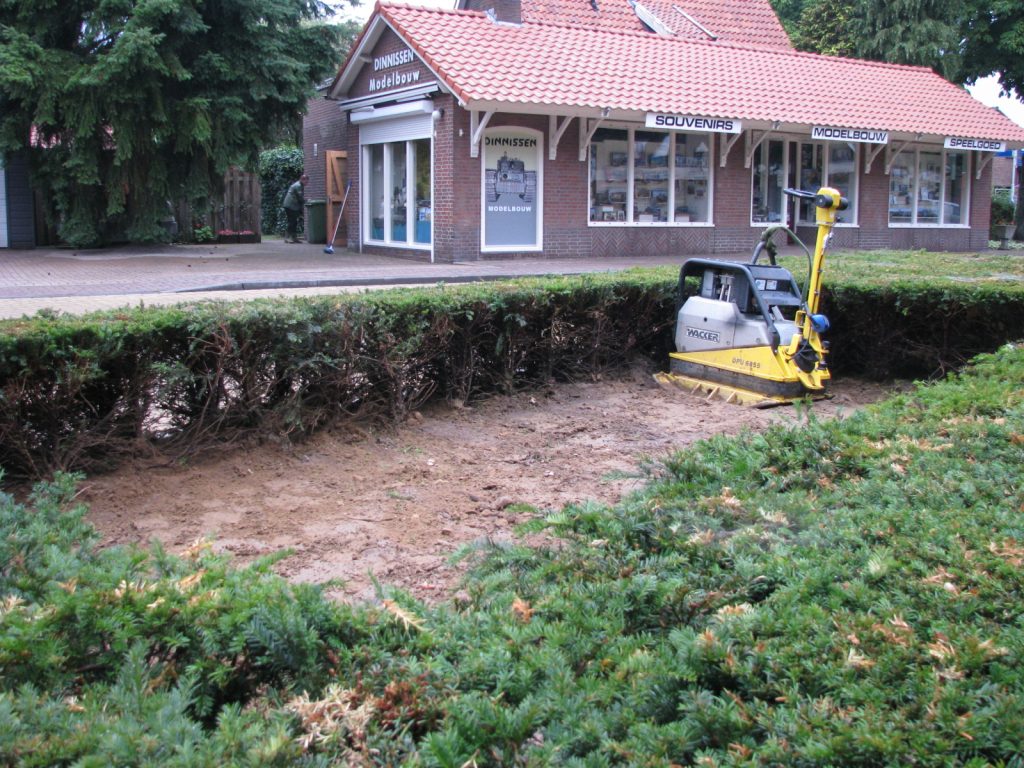
In July 2011 the construction of the concrete base on which the tank will be placed on the square in Overloon has been made. Company Elco (www.elcogemert.nl), specialized in agricultural engineering, has removed the bushes and top layer. Next, the hole was filled with some cubic meters of yellow sand, delivered by Kuenen Overloon (www.kuenenoverloon.nl). Contractor Jeu Hubers (www.jeuhubers.nl) has made the mold where the concrete could be poured. The tank will stand approximately 50 cm above the ground. The required concrete was supplied by Cemex Netherlands, location Wanssum (www.cemex-nederland.nl). The concrete must dry one month before the 30-ton tank can be placed.
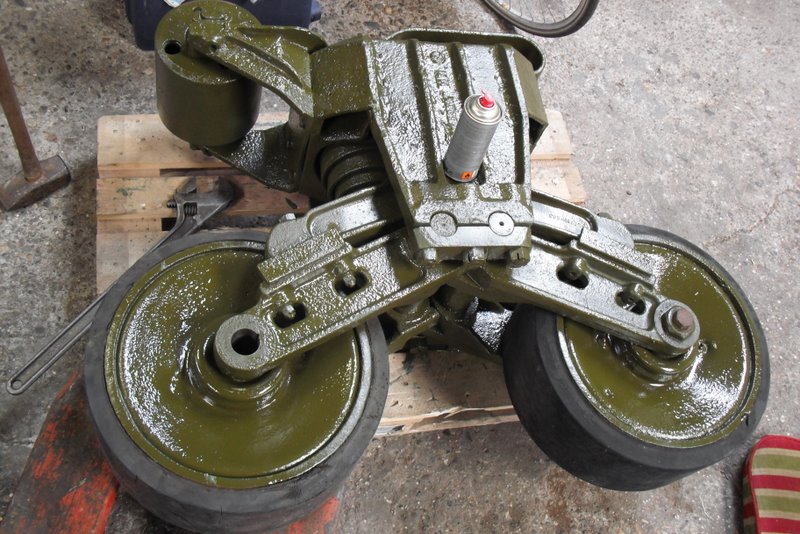
In the meantime we’ve also worked on the tank. The bogie sets are painted in the finishing color. We have chosen the option satin. Matte/flat paint is too vulnerable in open air and gloss paint isn’t appropriate. Satin paint is the best option. The paint we use is still pretty shiny, but we are now trying to figure out how it can be made somewhat matted. Within four weeks we hope to apply the final paint and the correct markings. Through Brezan Automotive (www.brezan.nl) we got the necessary thinner to add to the paint.
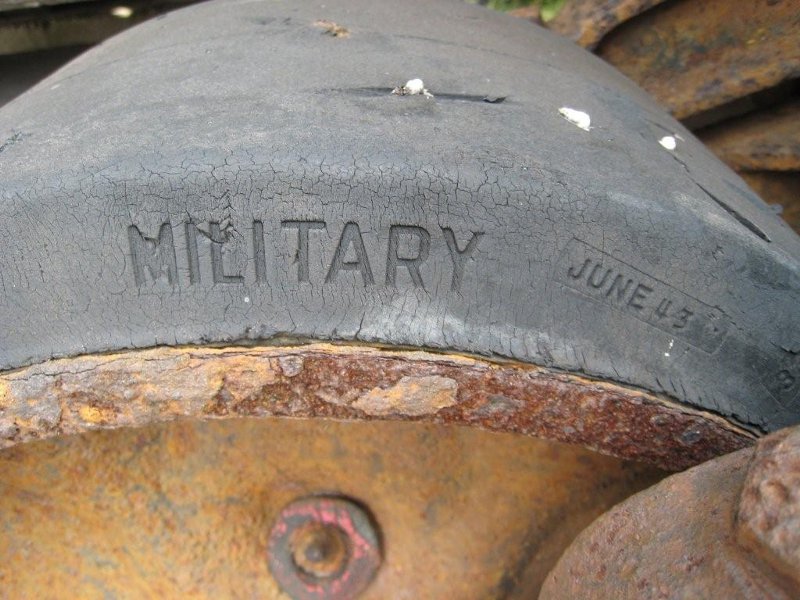
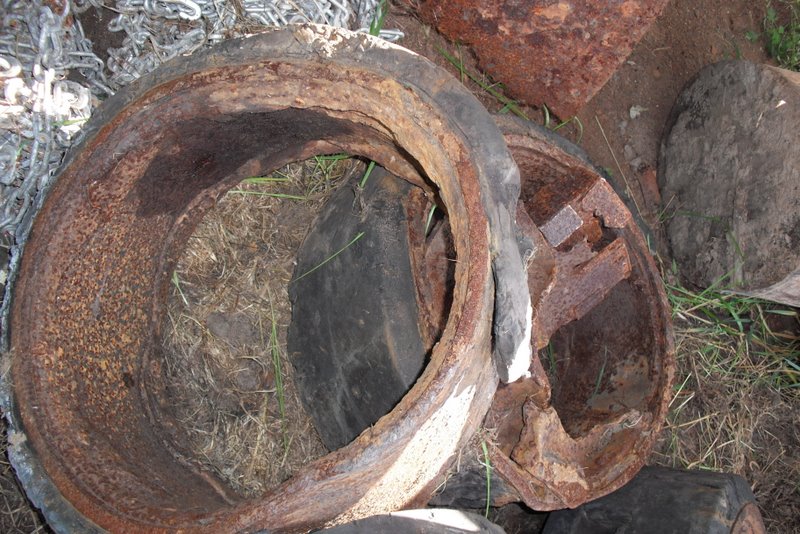
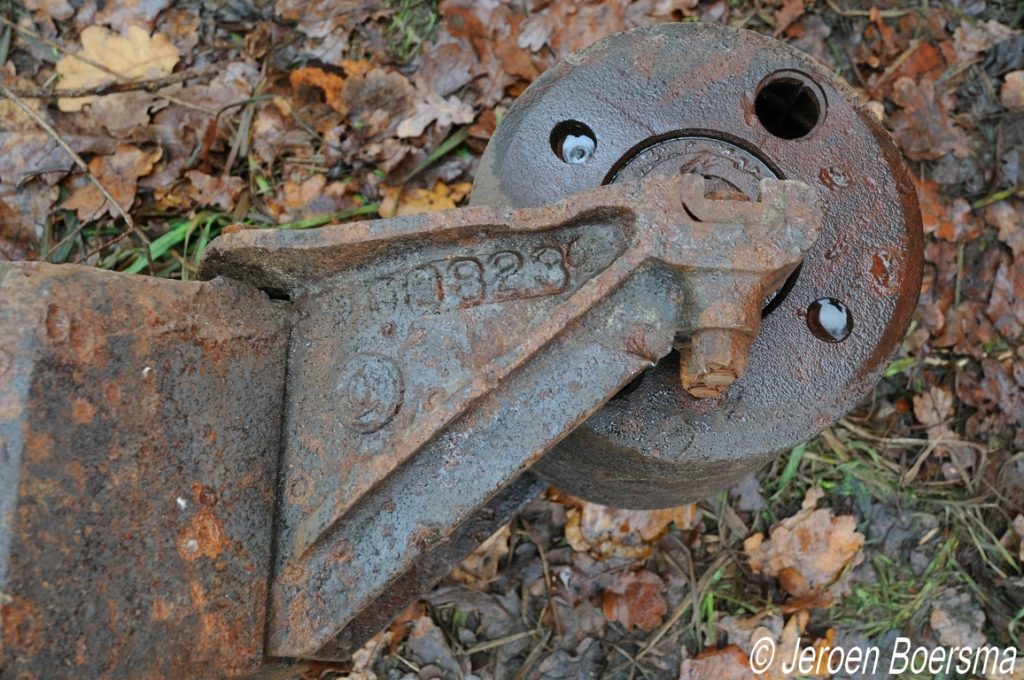
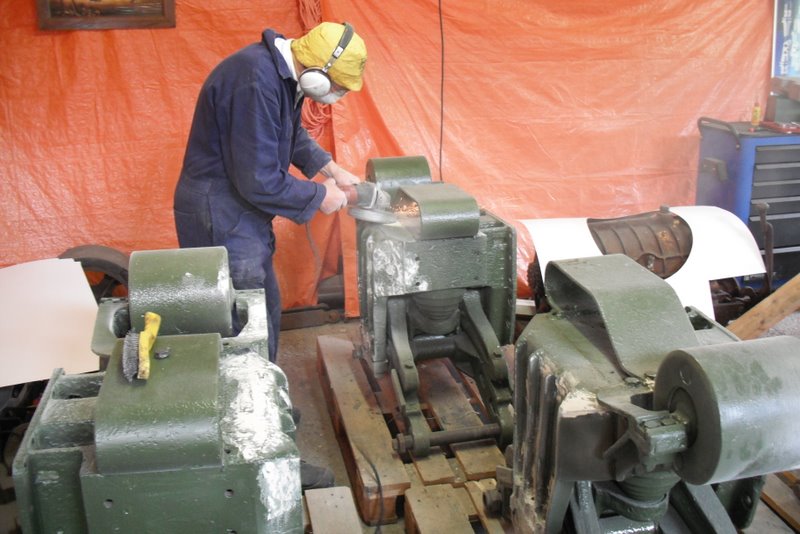
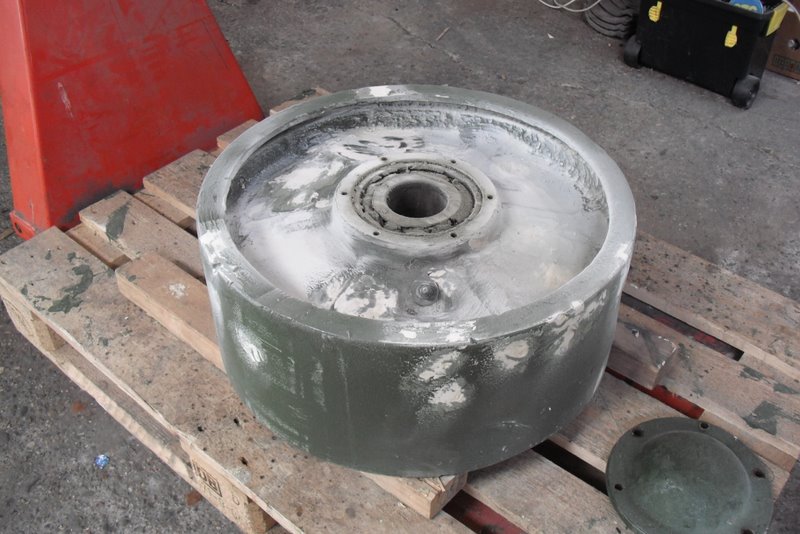
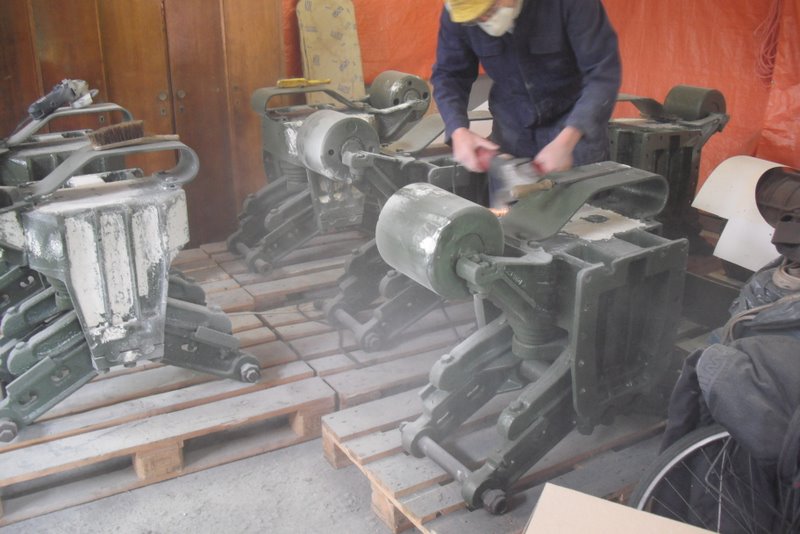
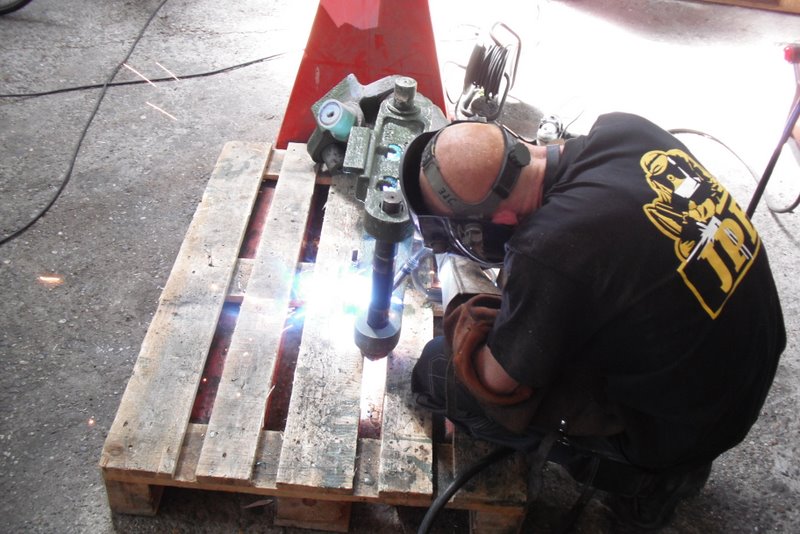
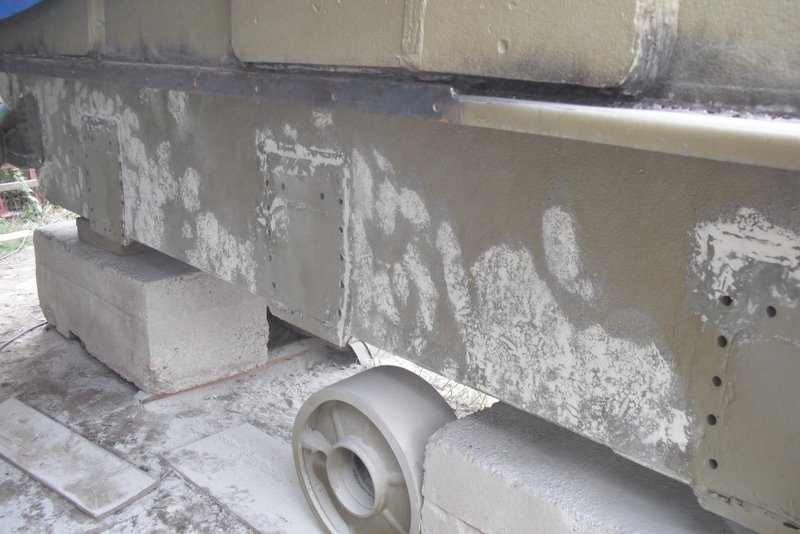
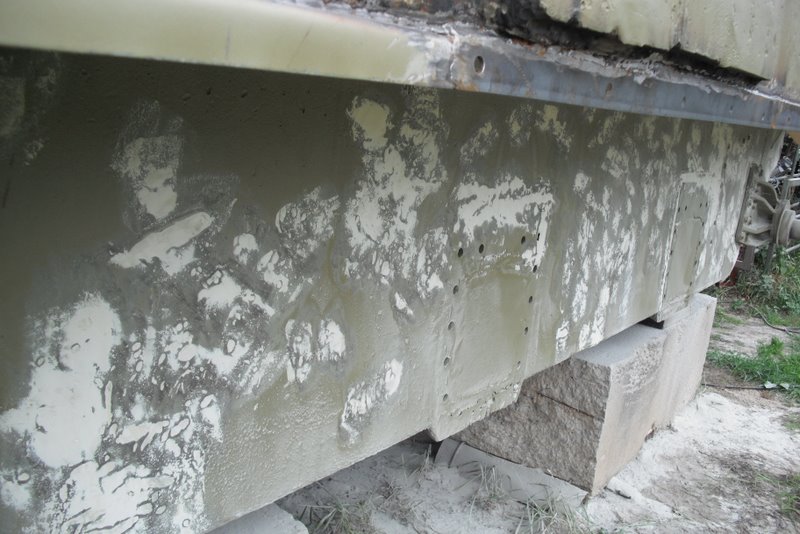
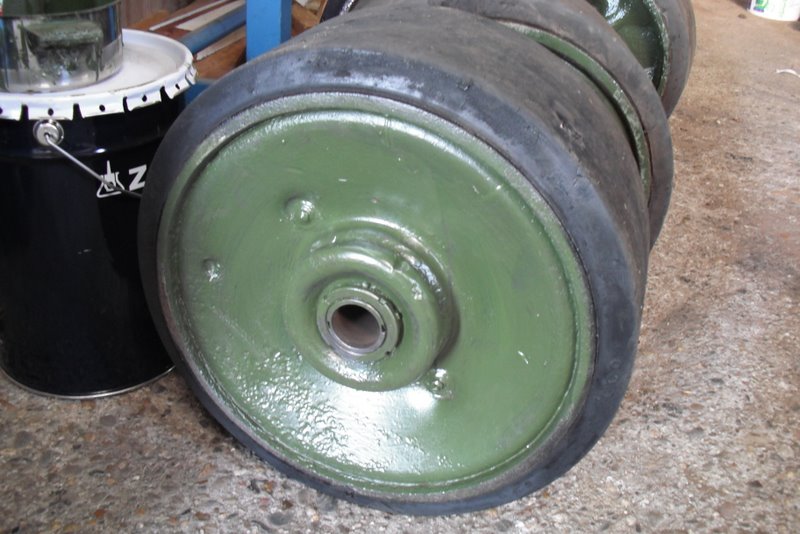
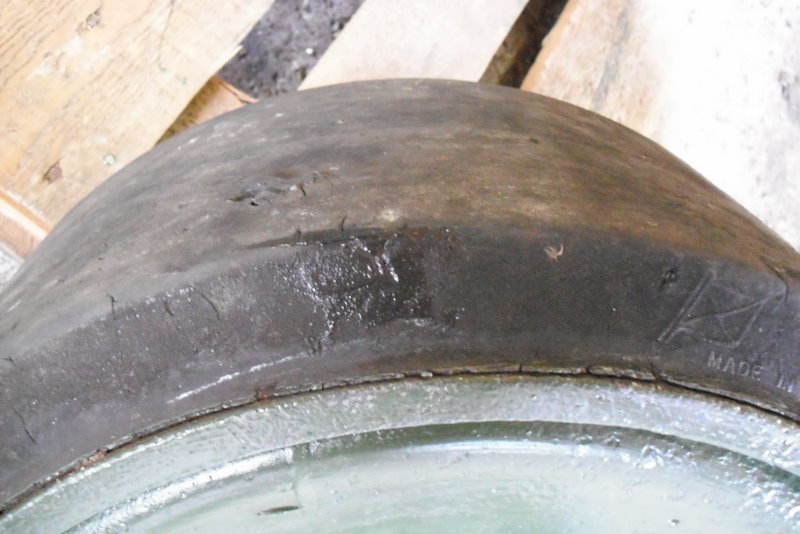
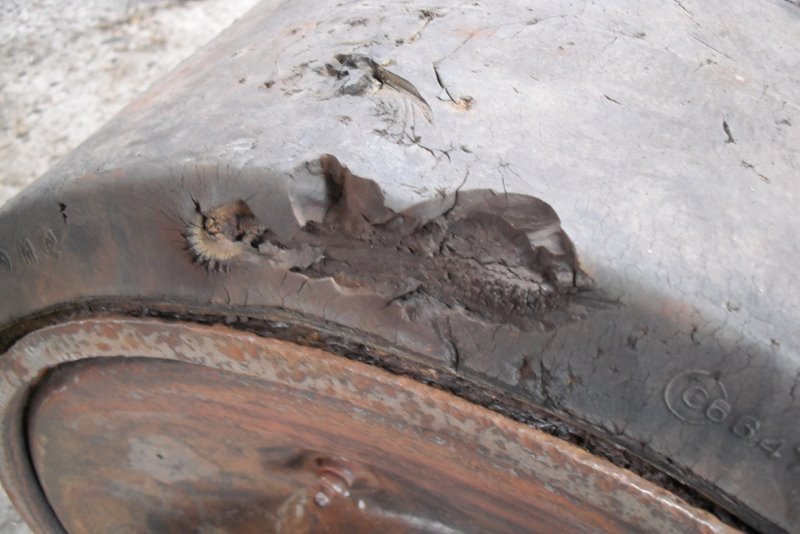
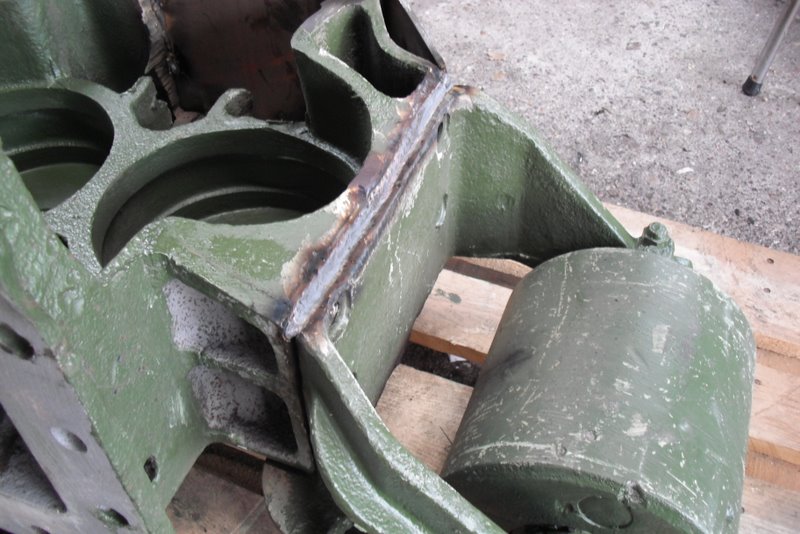
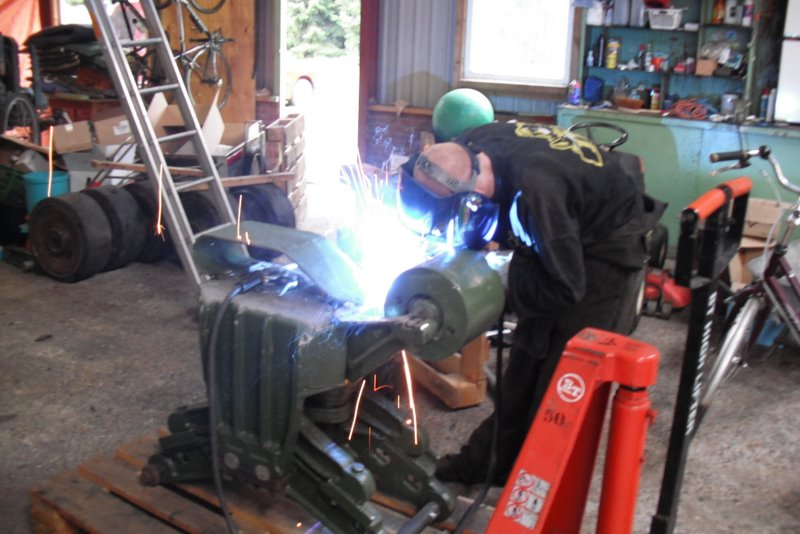
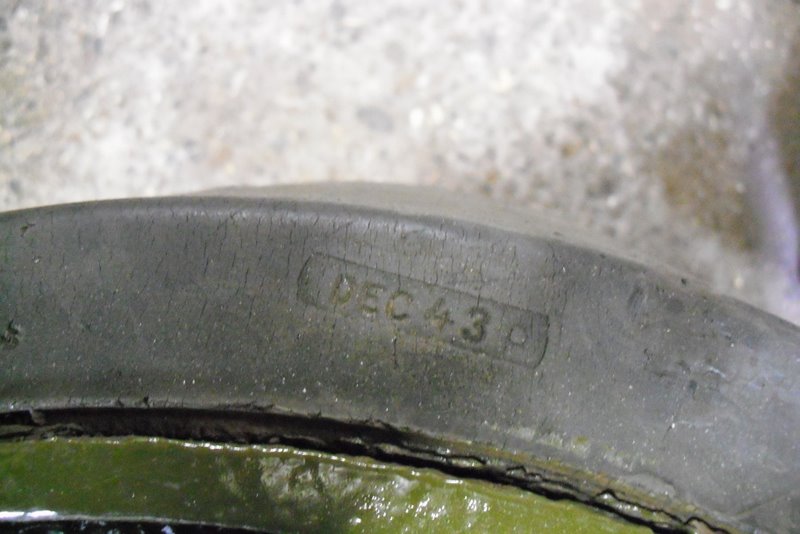
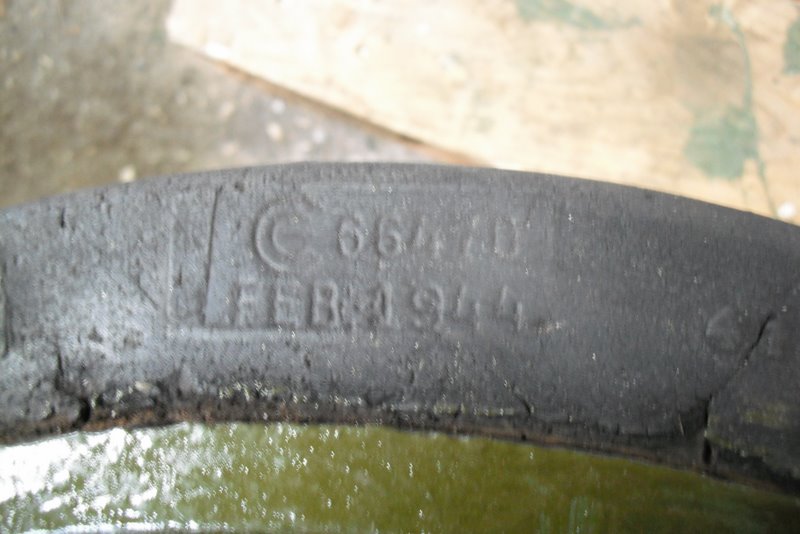
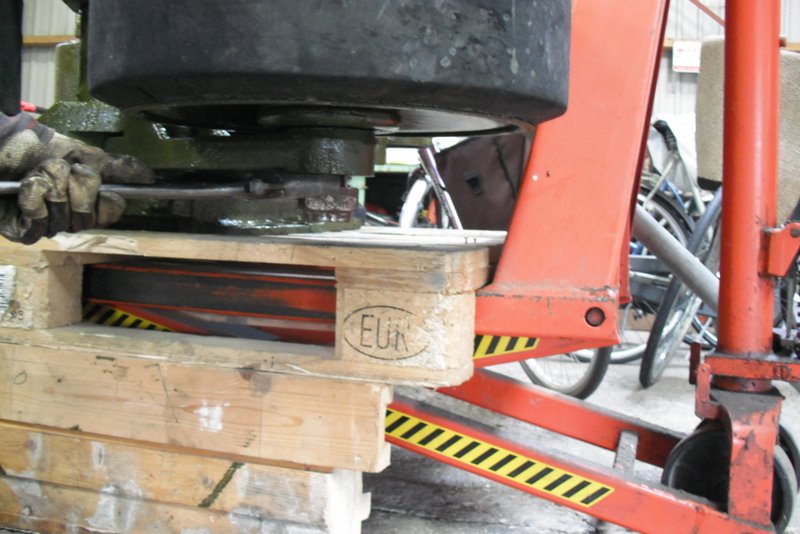
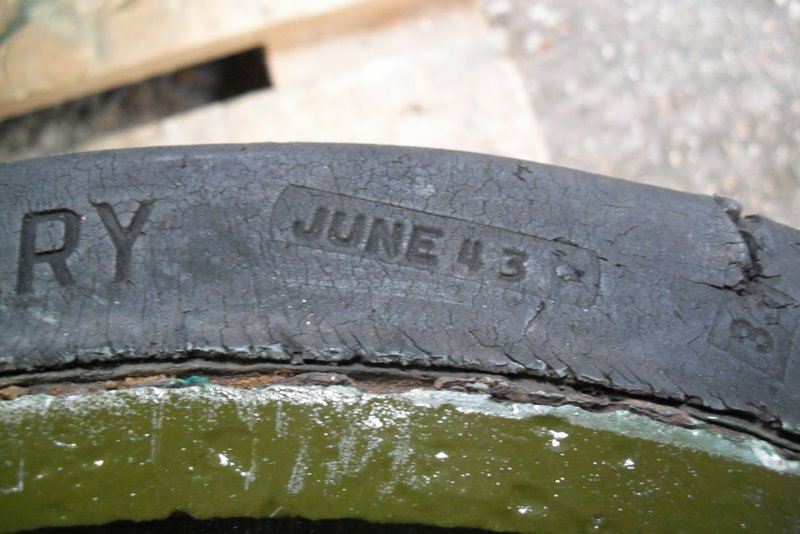
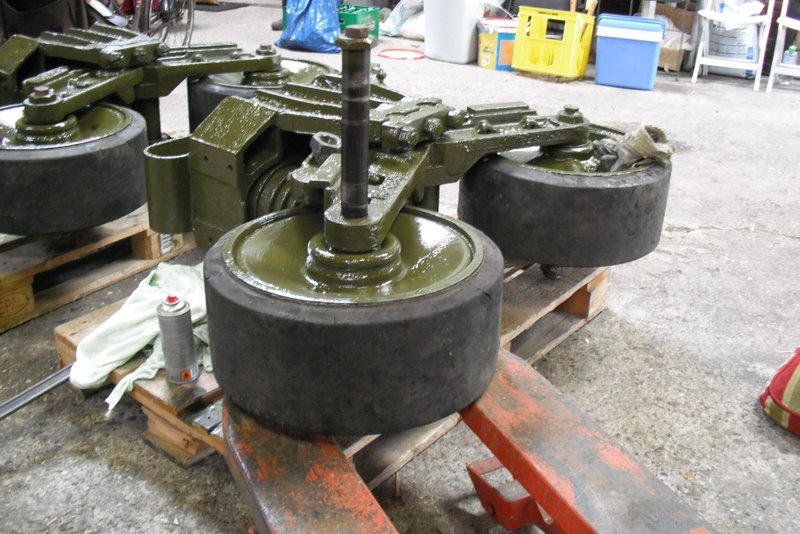
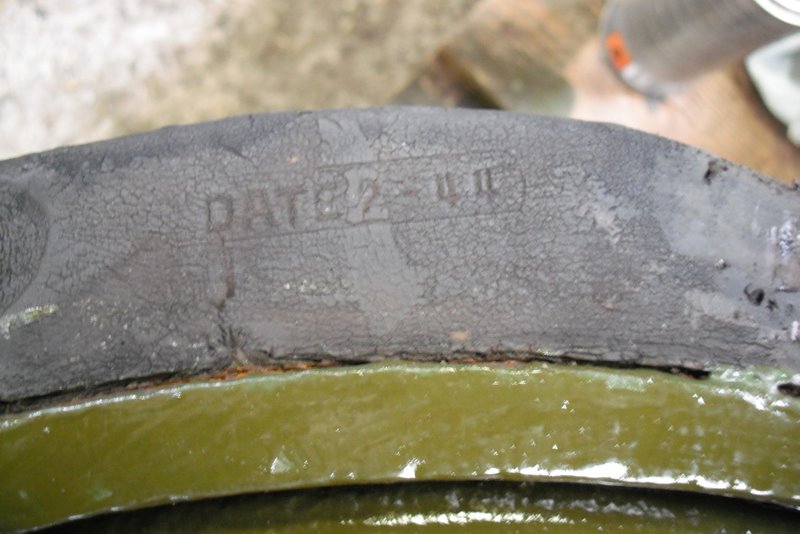
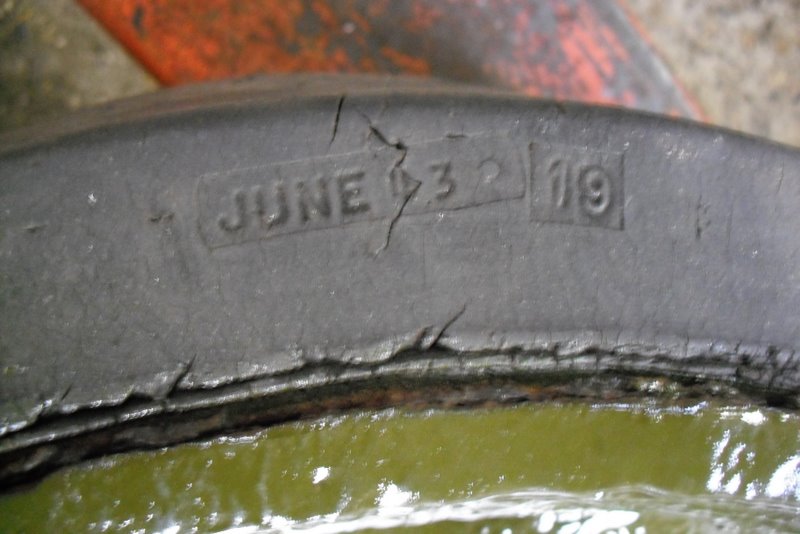
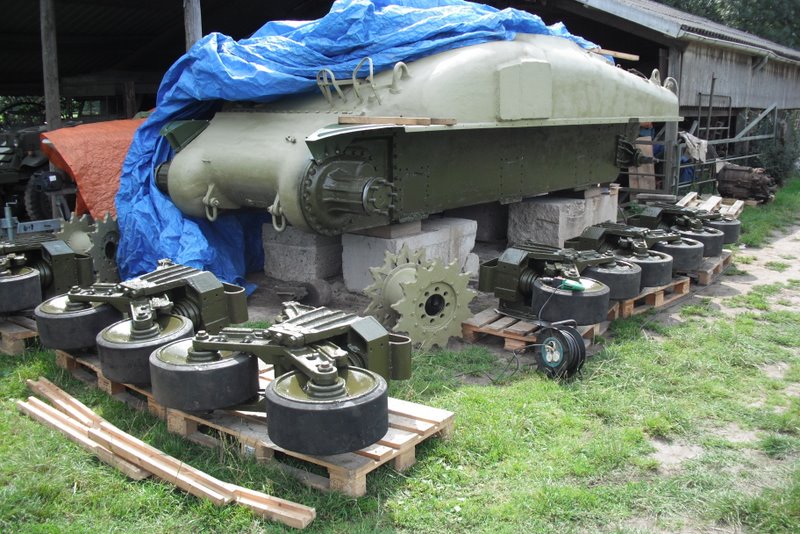
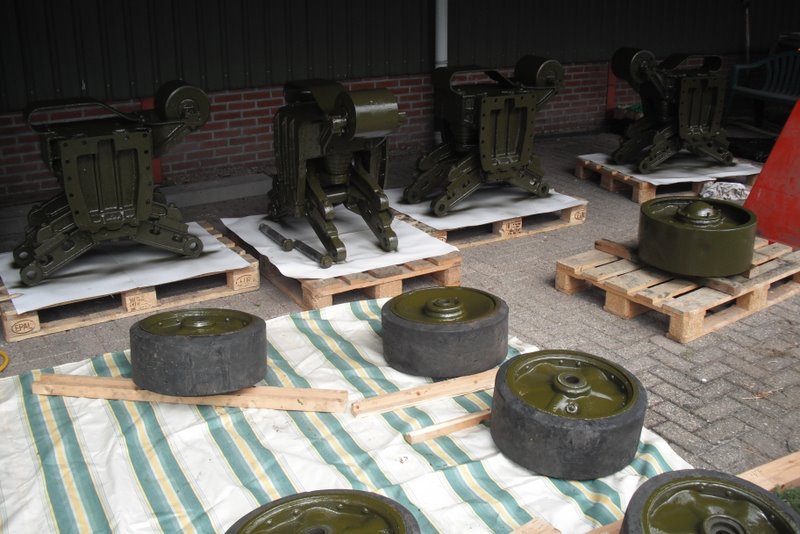
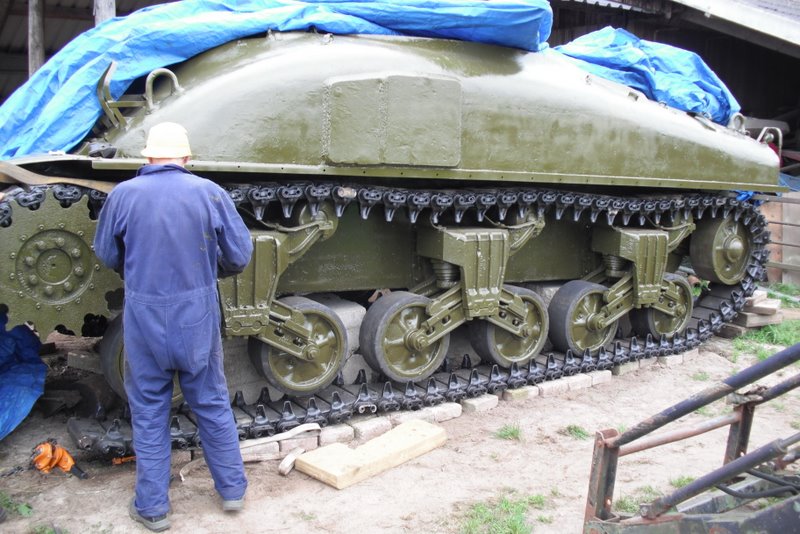
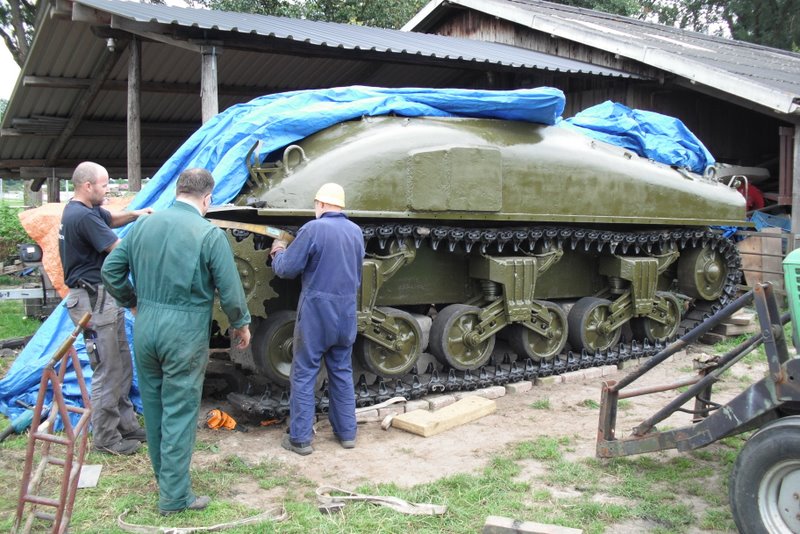
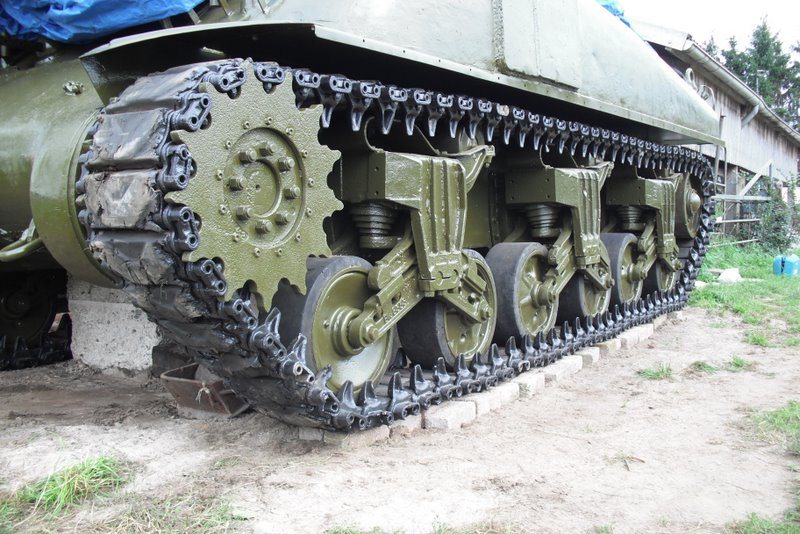
After painting the bogie sets we began mounting the 12 wheels. Many wheels are equipped with a production date (see photos).
Furthermore, we applied filler to the hull.
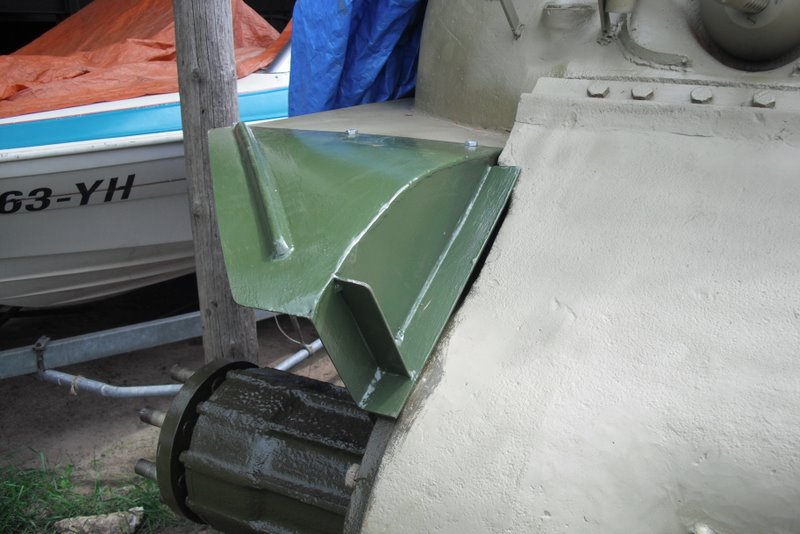
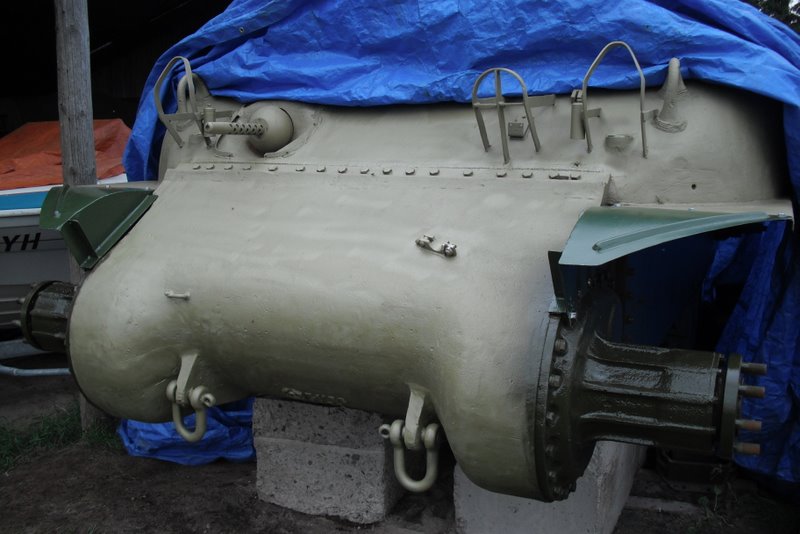
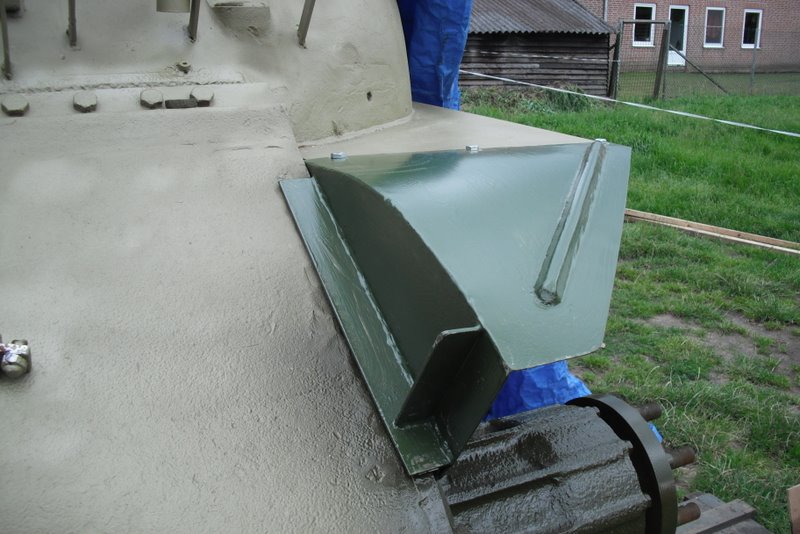
Mike van Toer of Plaatwerken Deurne b.v., the specialist in cutting and punching metals (www.plaatwerkendeurne.nl), has reproduced a pair of front fenders. These are already mounted to the hull.
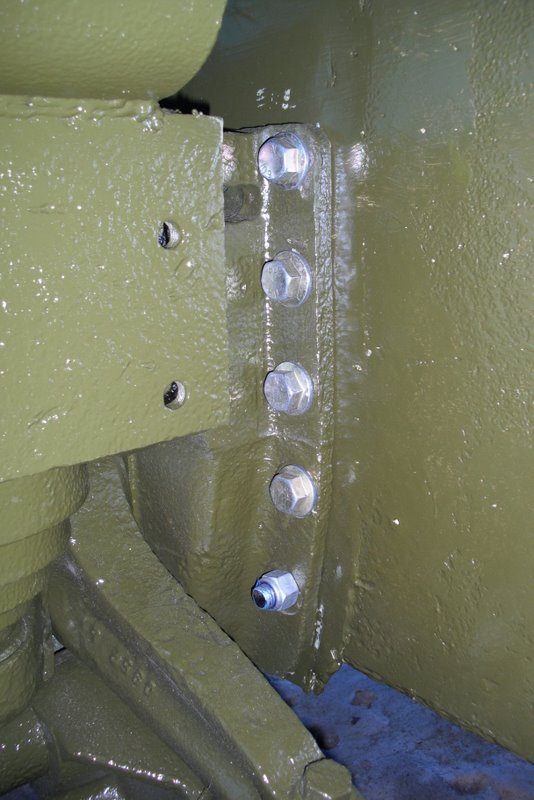
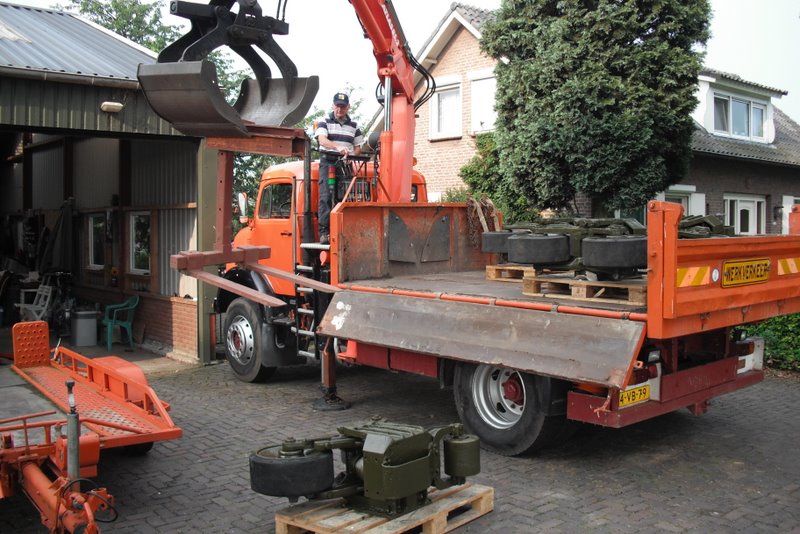
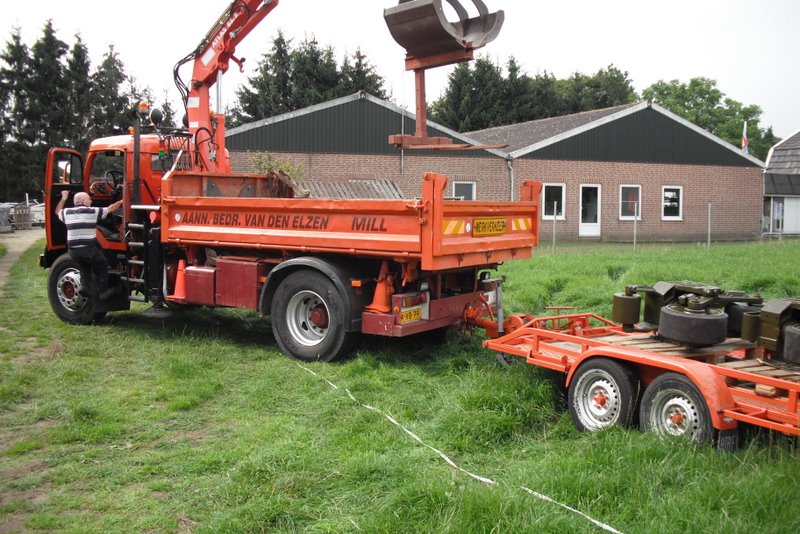
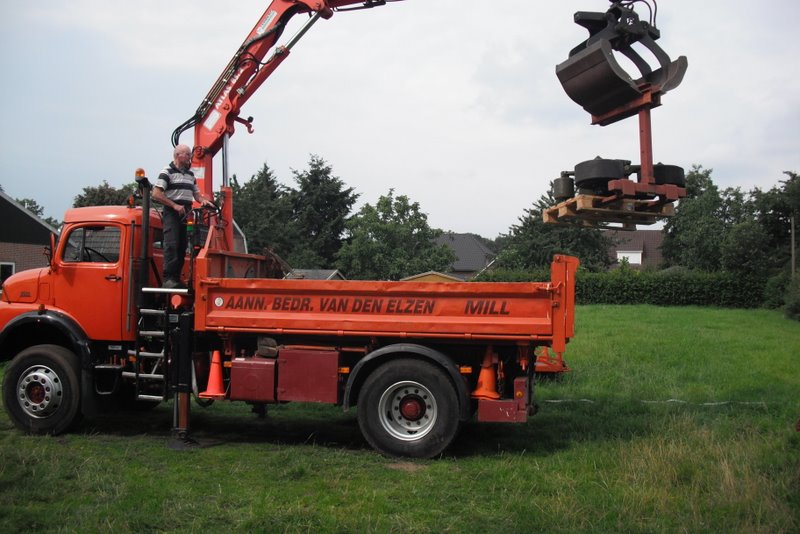
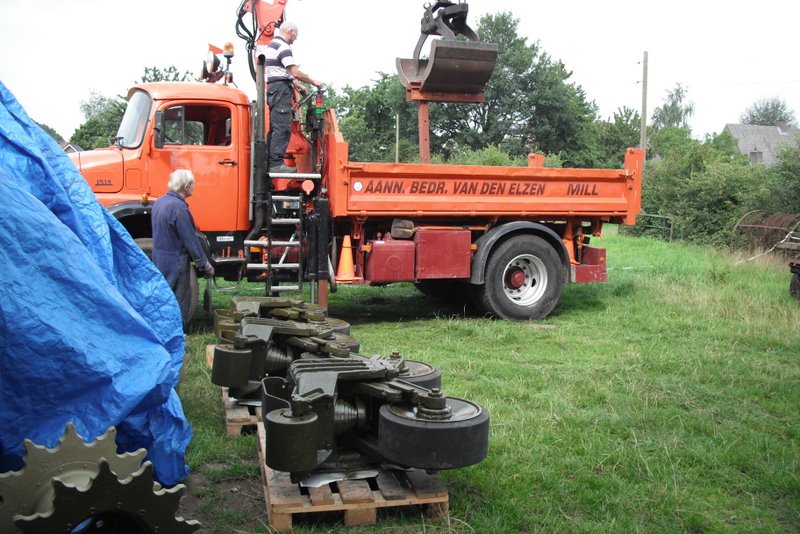
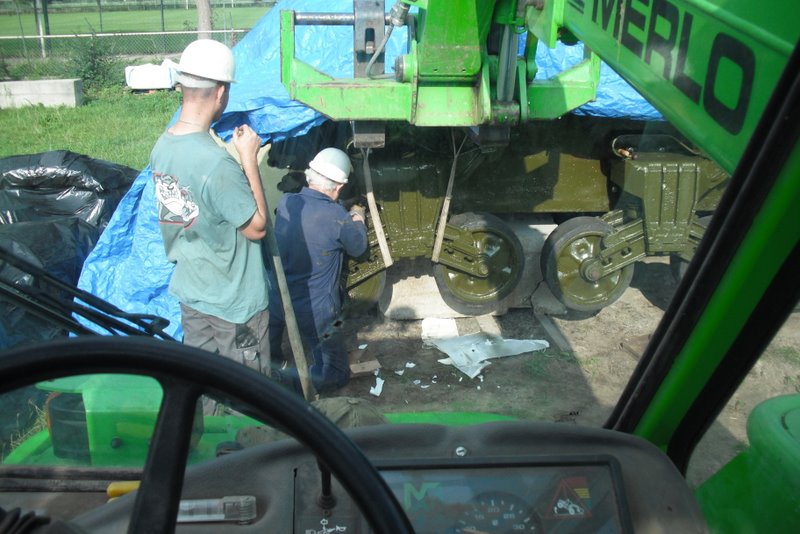
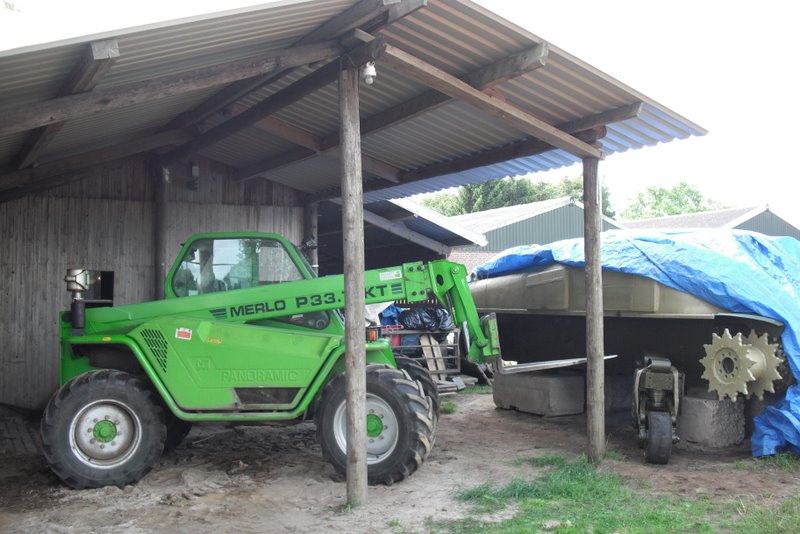
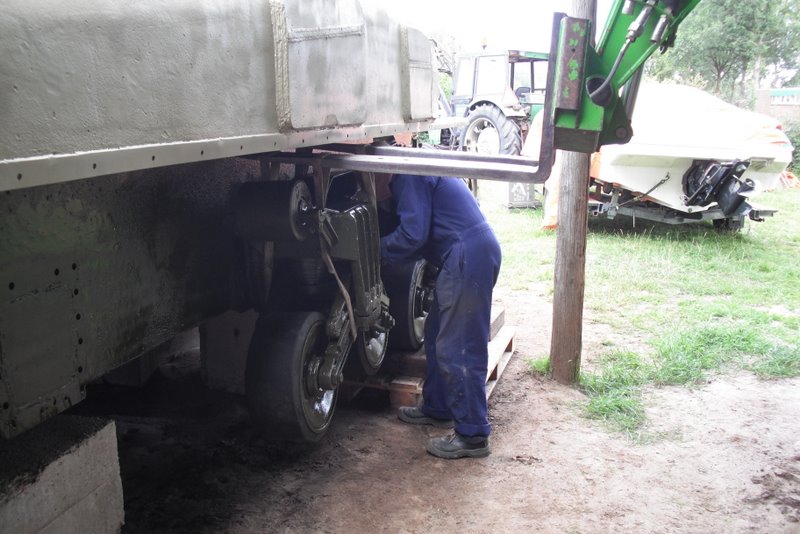
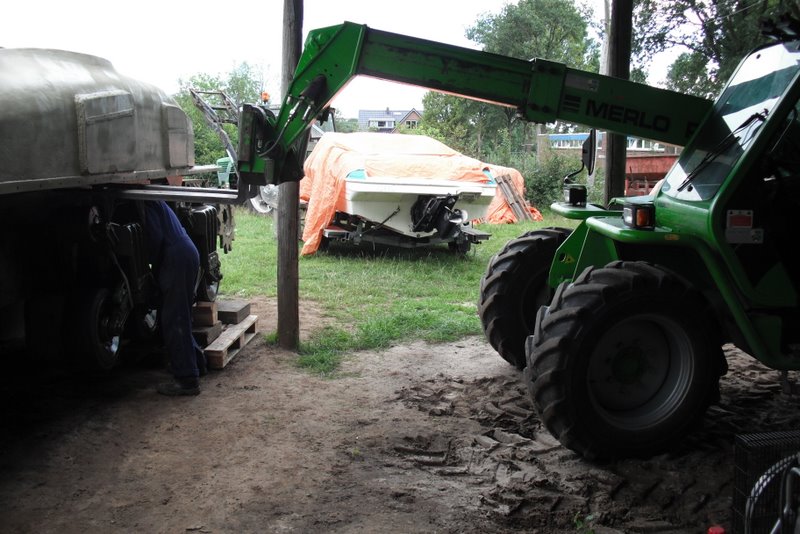
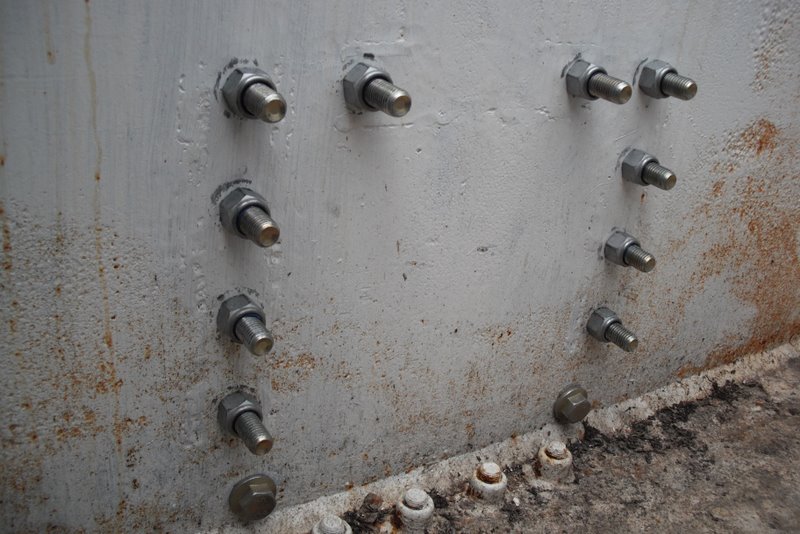
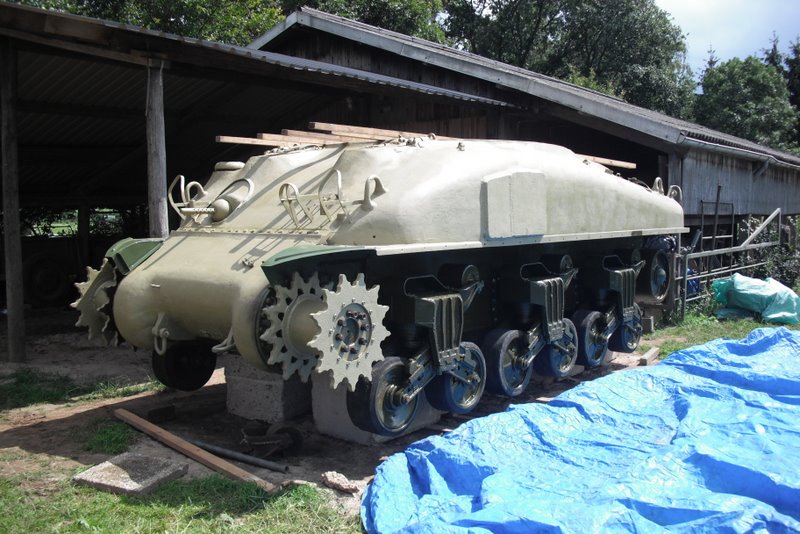
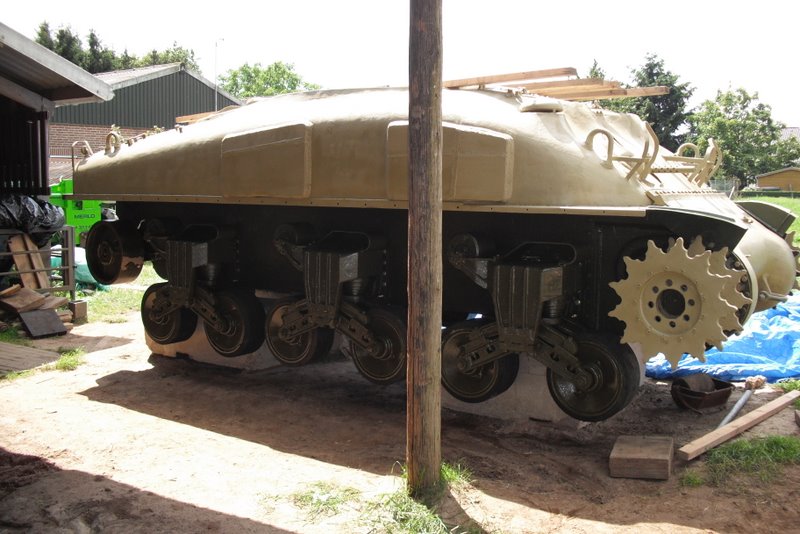
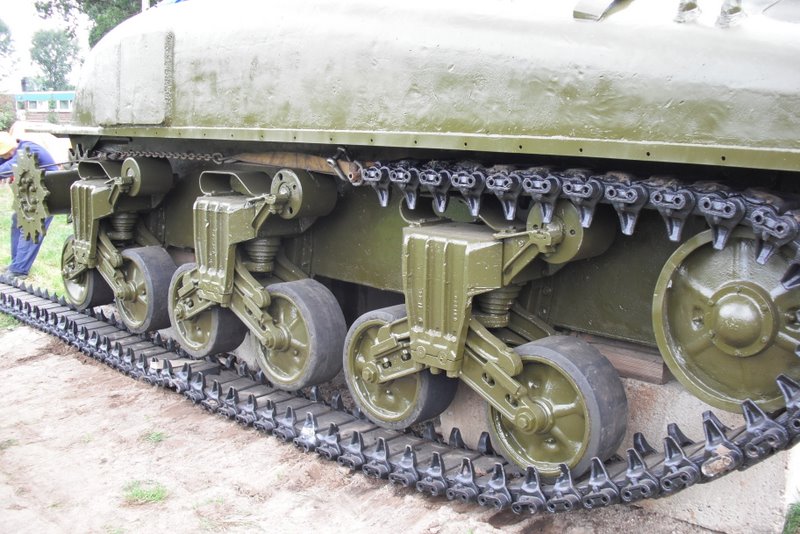
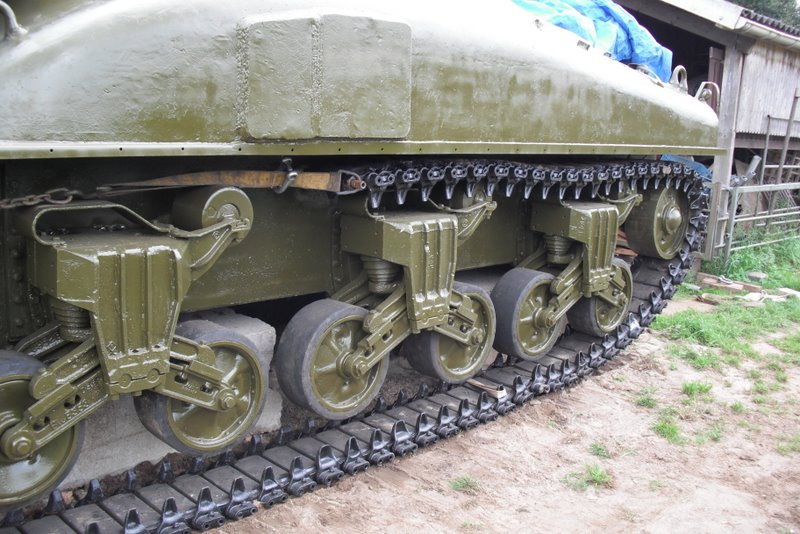
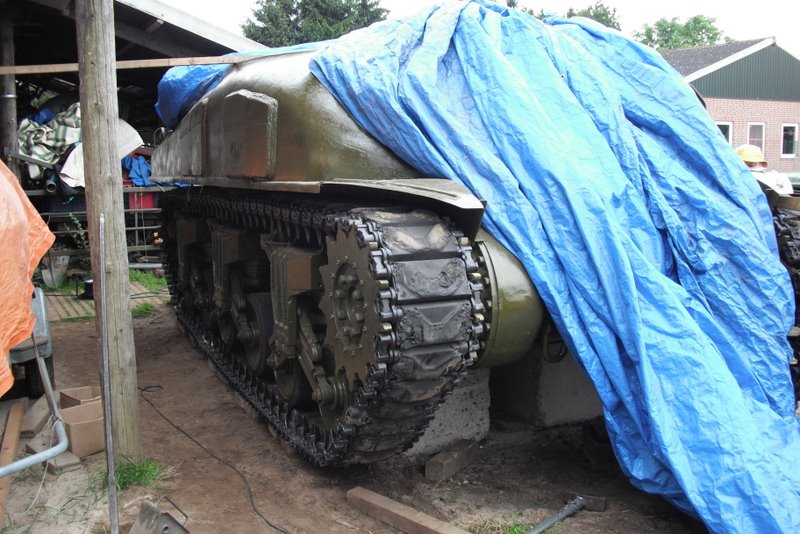
The assembled bogie sets were moved from our workshop in Overloon to the restoration location. Thanks to Pieter van den Elzen from Mill with his Mercedes truck (dated 1979) who again arranged this transport and loading and unloading with great precision. After unloading the bogie sets on the site we started the mounting. The approximately one ton weighing bogie sets were mounted with help from a telehandler. Thanks to Wim Hofmans, owner of Hof van Overloon (www.hofvanoverloon.nl) for once again providing the telehandler. It was quite a task to maneuver the six heavy bogie sets exactly in front of the bolt holes in the hull. After more than 60 years the bogie sets are mounted in their original position again. The required bolts and nuts for mounting the bogie sets are provided by Nedschroef Helmond (www.nedschroef.nl). We tightened the nuts on the inside of the tank by using a heavy air wrench. Thanks to Trading Company Spierings Rijkevoort (www.adr-spierings.nl) for providing the proper tools. The sprockets and idler wheels are also mounted. Meanwhile the installing of the tracks has begun.
For August we planned:
- replacing the turret.
- spraying of the finish layer, the appropriate end color.
- applying the markings.
- installing the tracks.
- the overall completion of the restoration.
Restoration August 2011
The tracks are mounted!
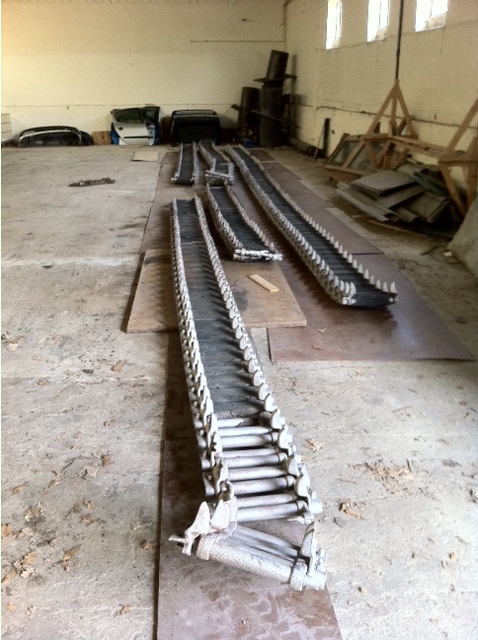
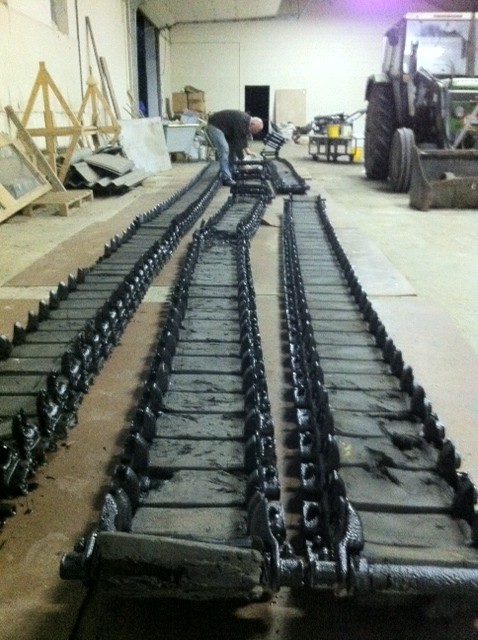
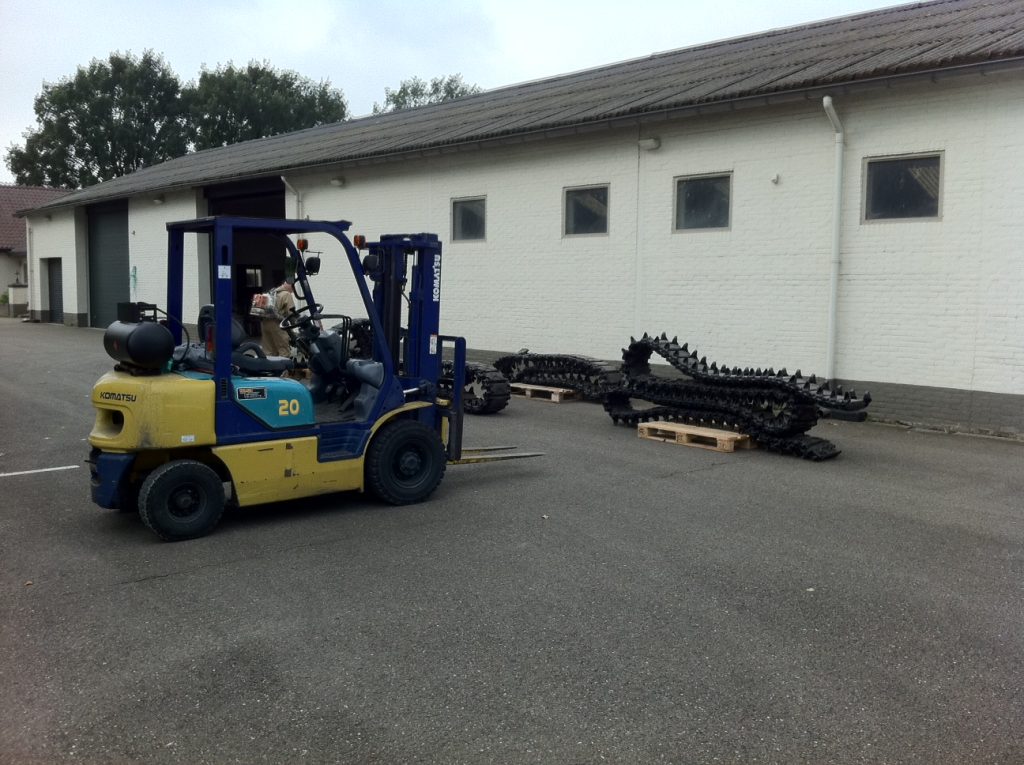
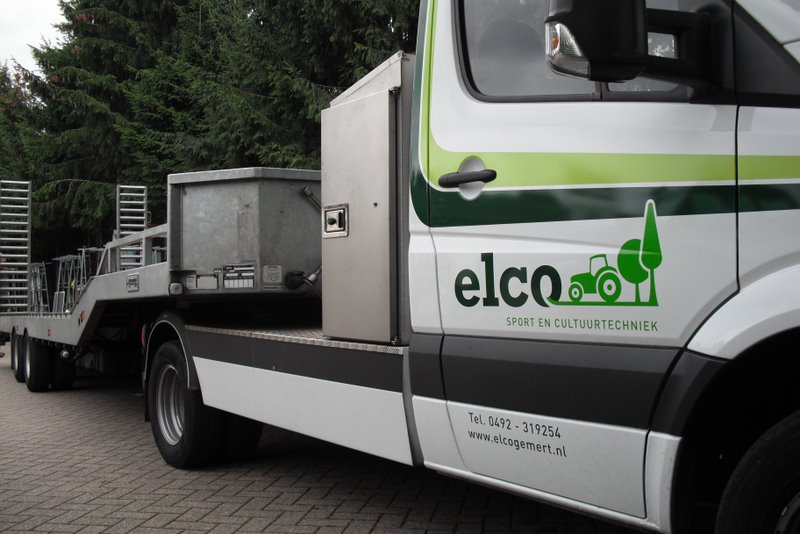
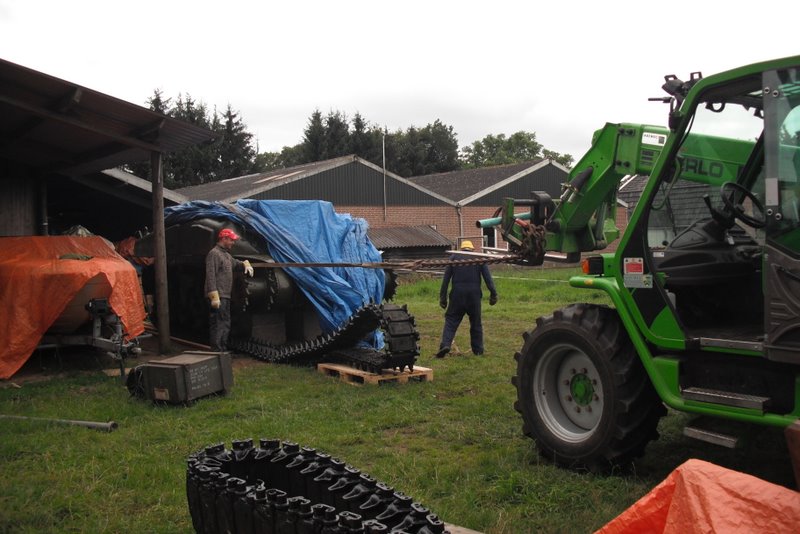
Earlier this month, the various pieces of tracks (which in an earlier stage were sandblasted and painted) were taken from the temporary storage by Company Elco (www.elcogemert.nl), specialized in agricultural engineering and they delivered them at our restoration site.
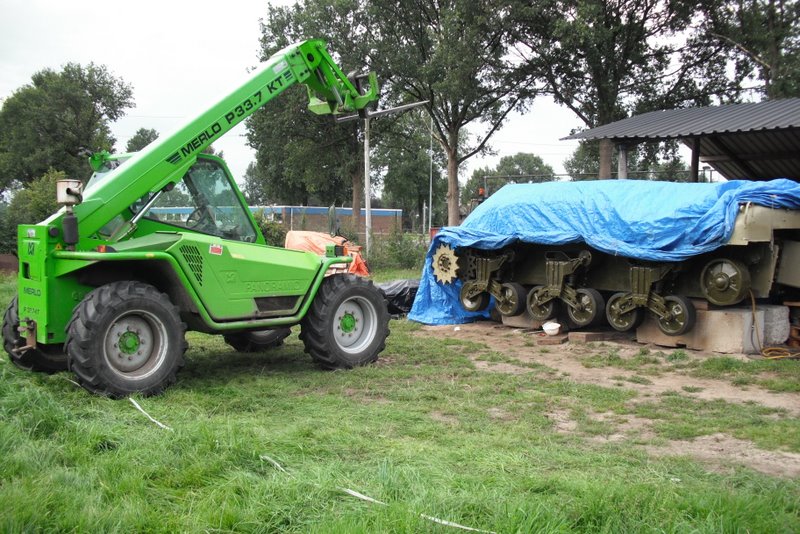
Luckily we again could borrow the telehandler from Wim Hofmans of the (under construction) bungalow park Hof van Overloon (www.hofvanoverloon.nl) to unload these heavy track pieces.
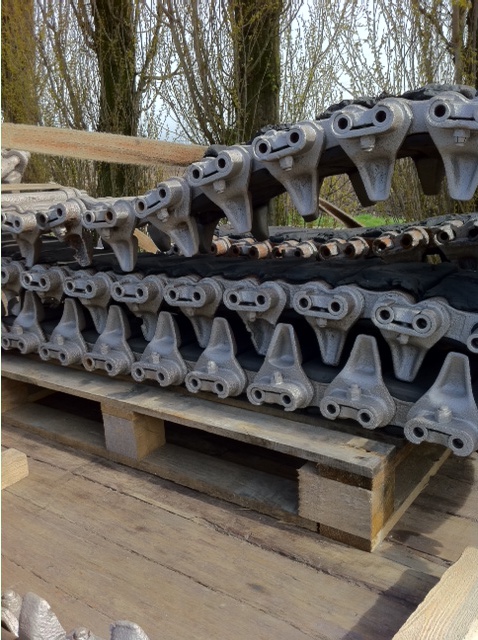
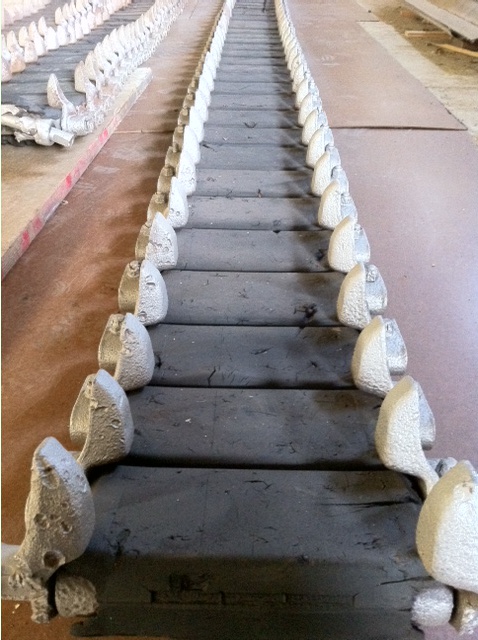
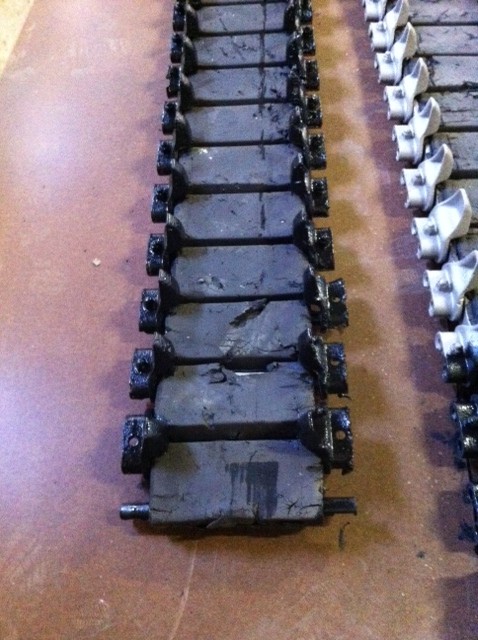
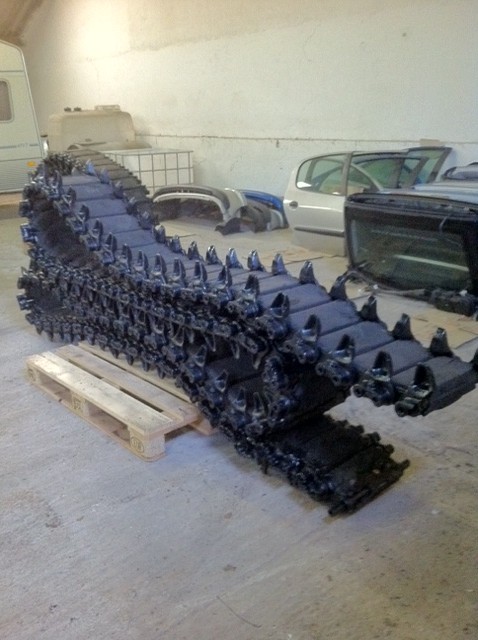
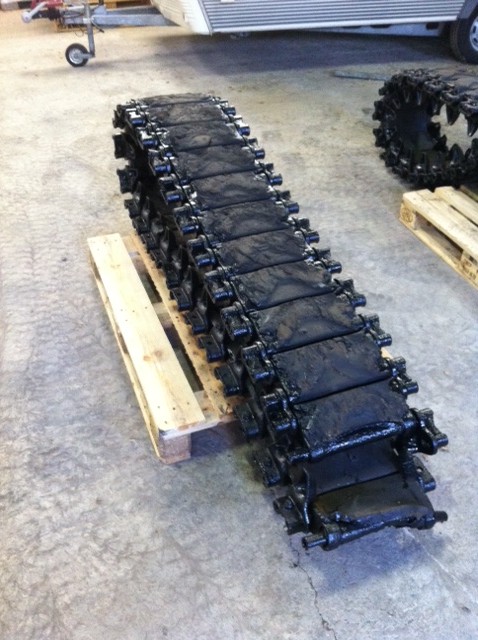
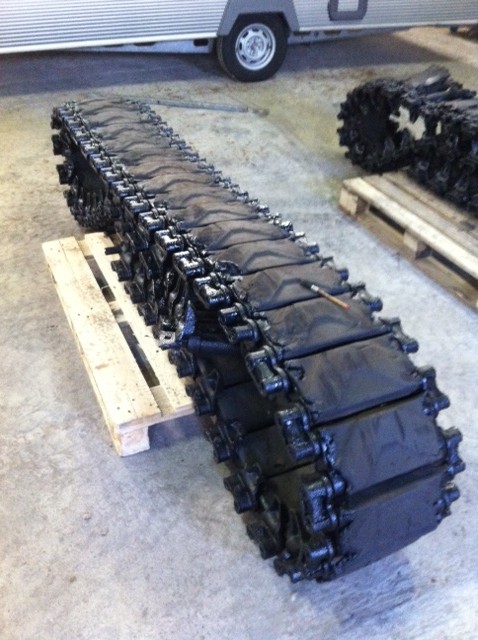
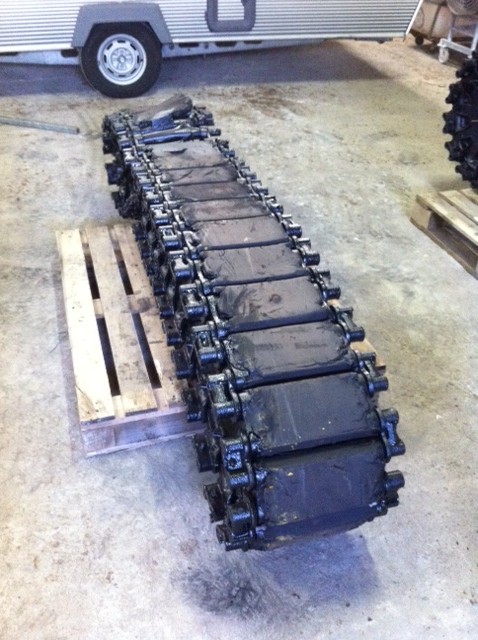
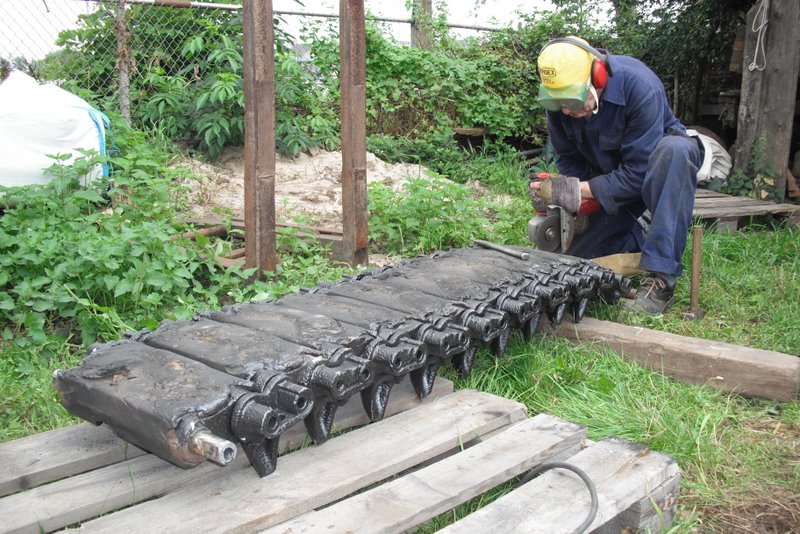
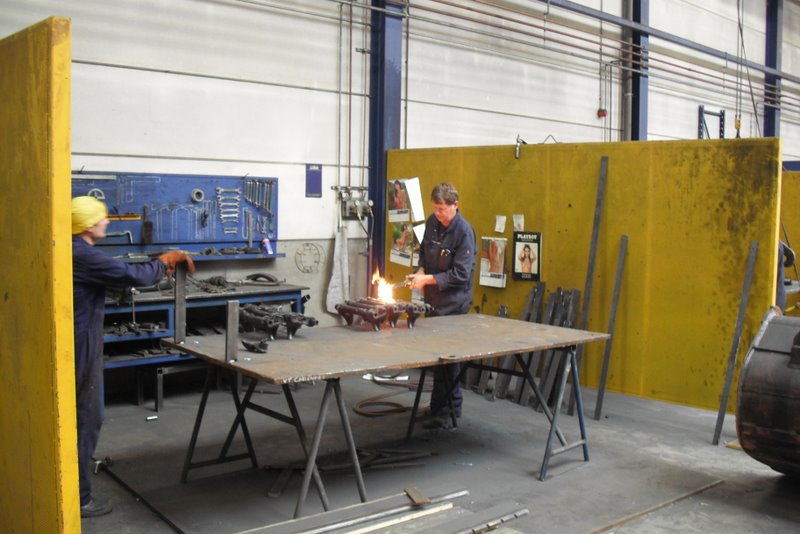
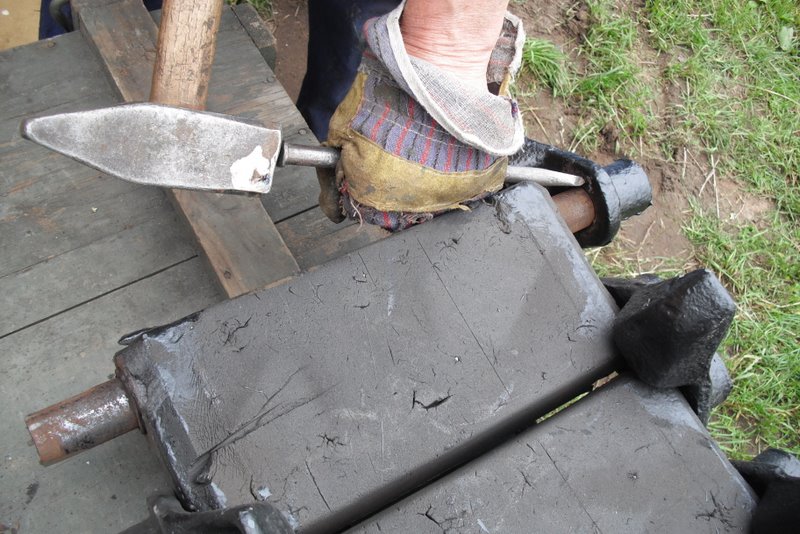
We have two types of tracks, type T-51 and type T-48. The T-48 type has rubber blocks with chevrons for extra grip. Type 51 has flat rubber blocks. It turned out to be quite a task to make a complete set from all these pieces. There were a considerable amount of links that were damaged and had to be removed. That meant the track connectors (“teeth”) had to be removed. This proved impossible to loosen. After several desperate attempts, we have cut the connectors. Luckily we had a piece of track, which had been on fire, and of which almost all the rubber was gone, but still had all the connectors. With this piece, we went to Matt Nielen Constructions at Boxmeer (www.mattnielen.nl) where we first tried to remove the connectors with the cutting torch. It took too long and finally we used the biggest angle grinder that we could find over there to cut off the connectors.
That worked! Then we pressed the remains of shafts out of the connectors.
Then we finally had enough connectors to connect the different track pieces.
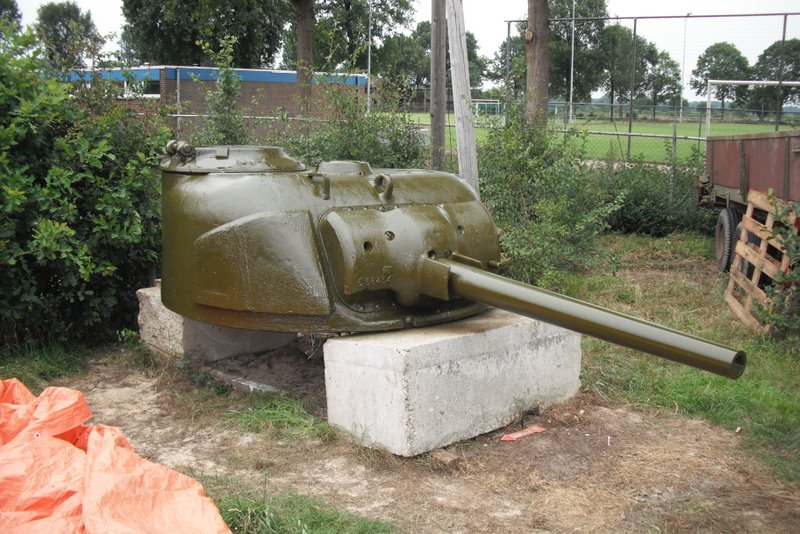
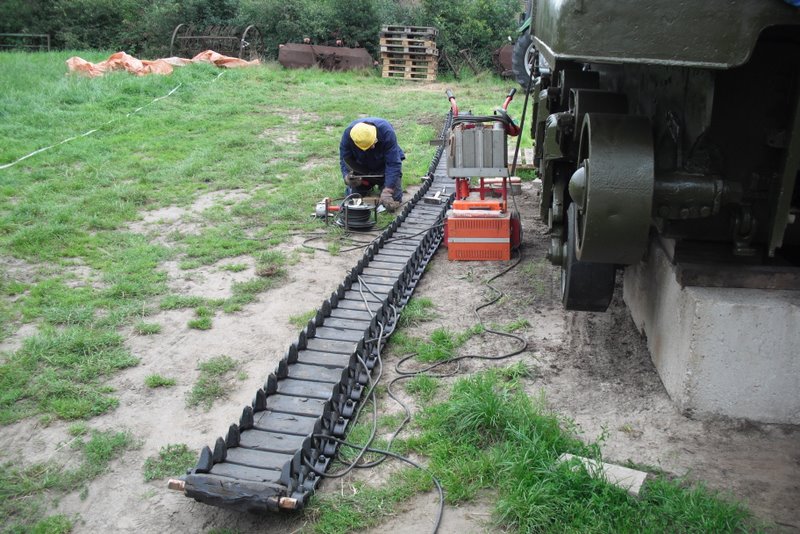
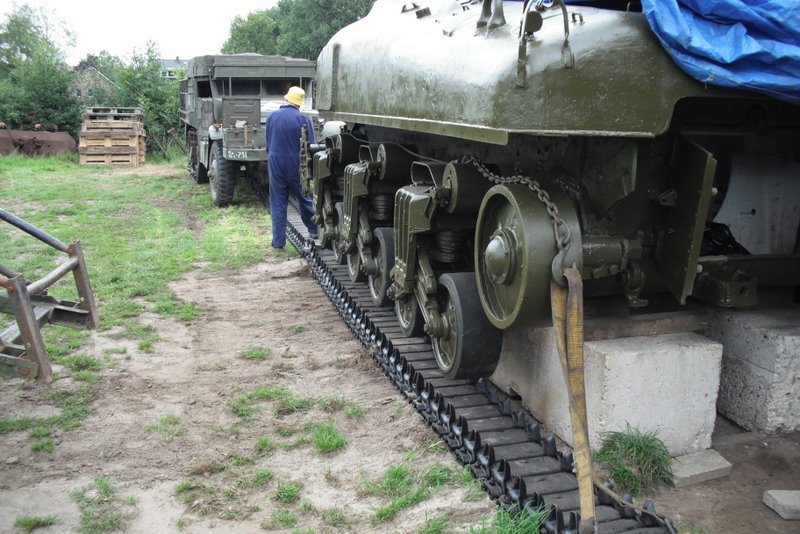
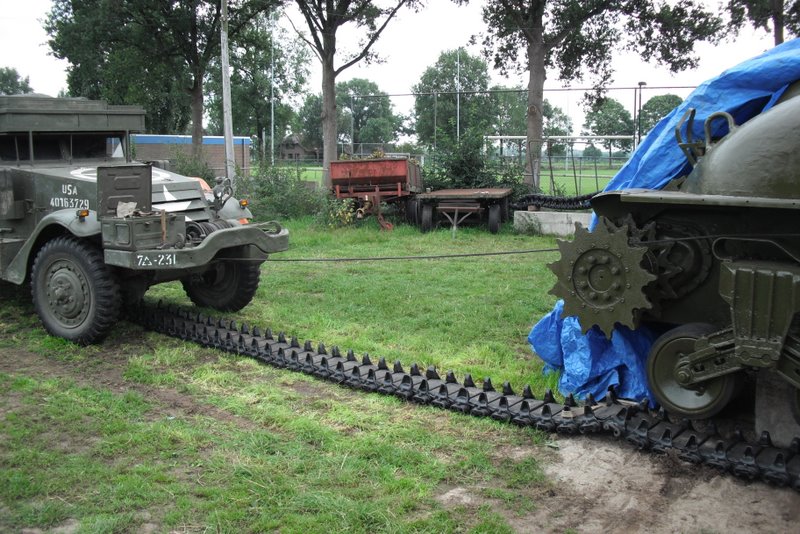
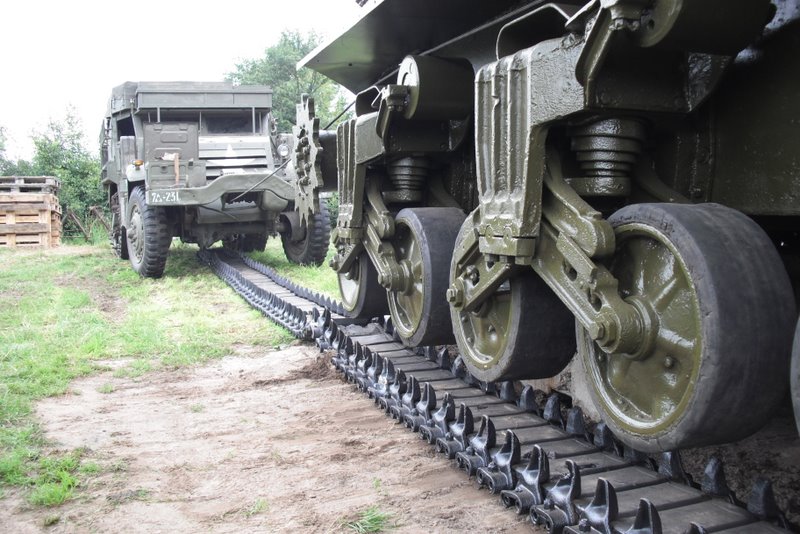
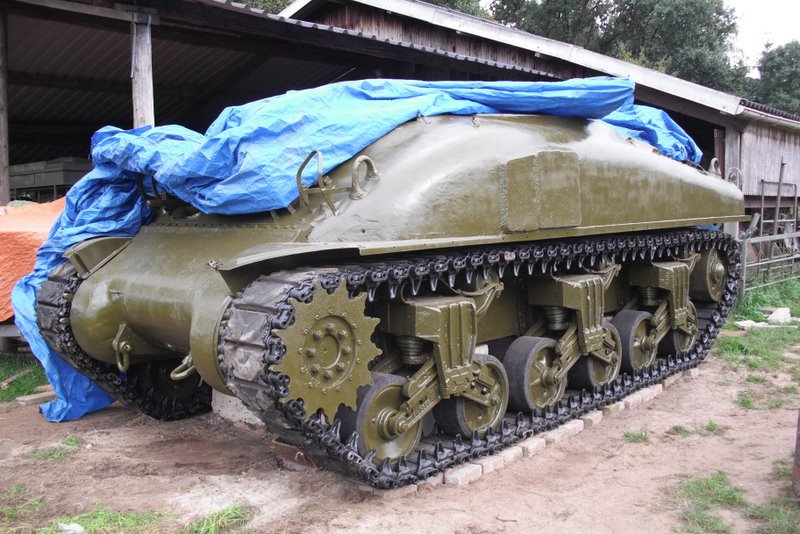
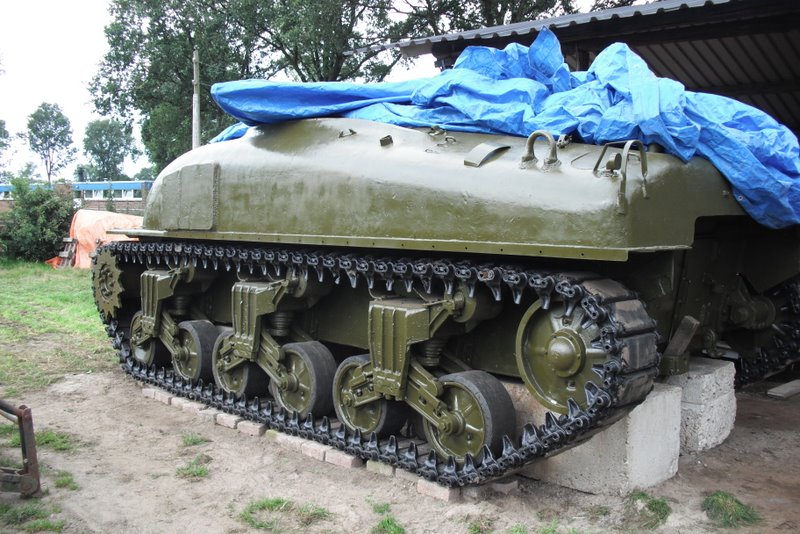
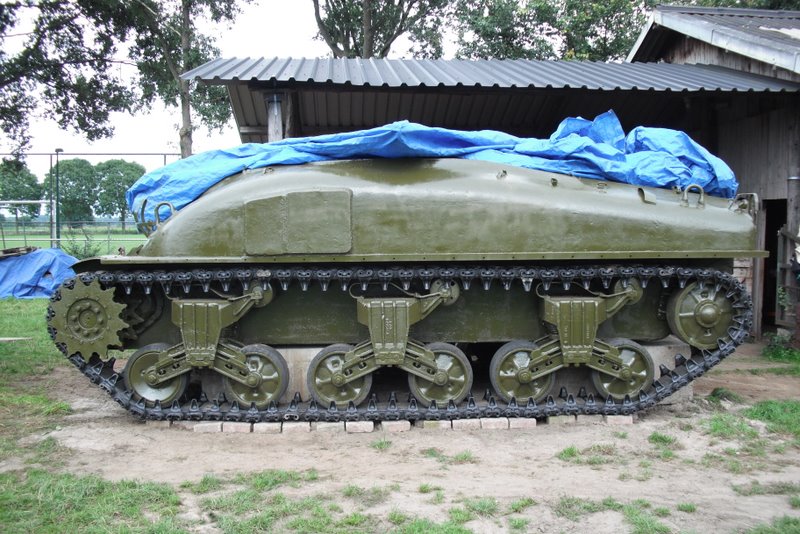
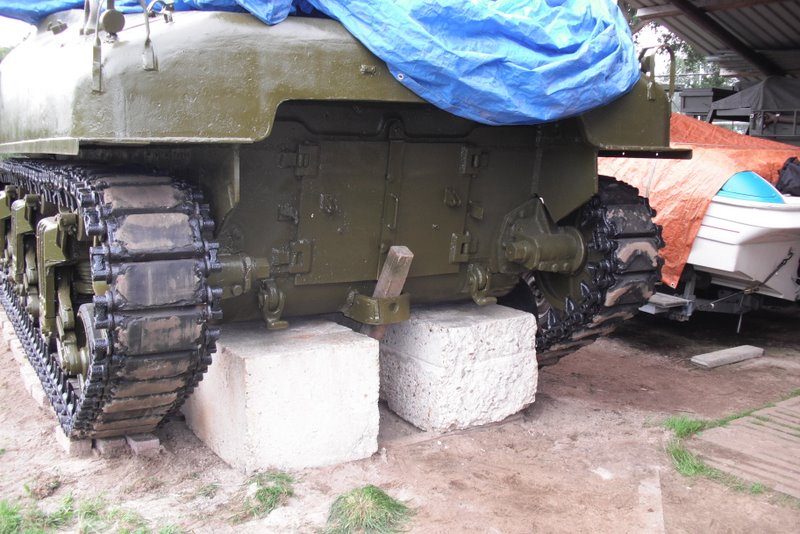
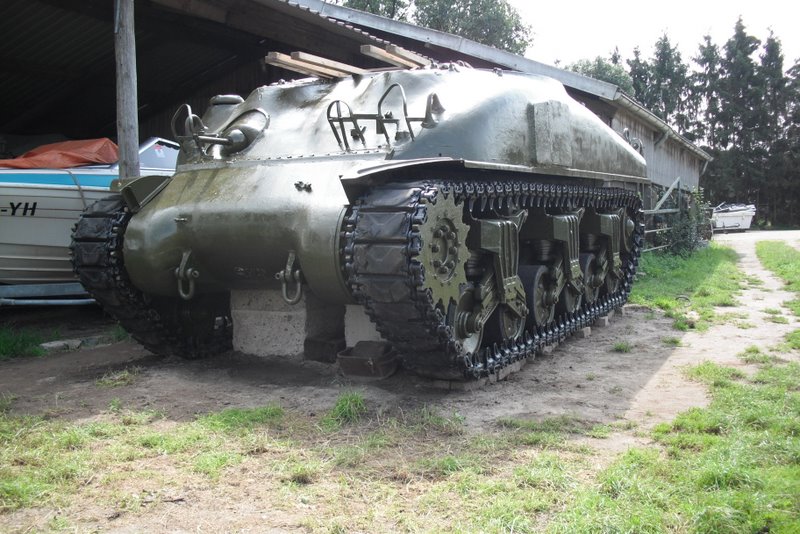
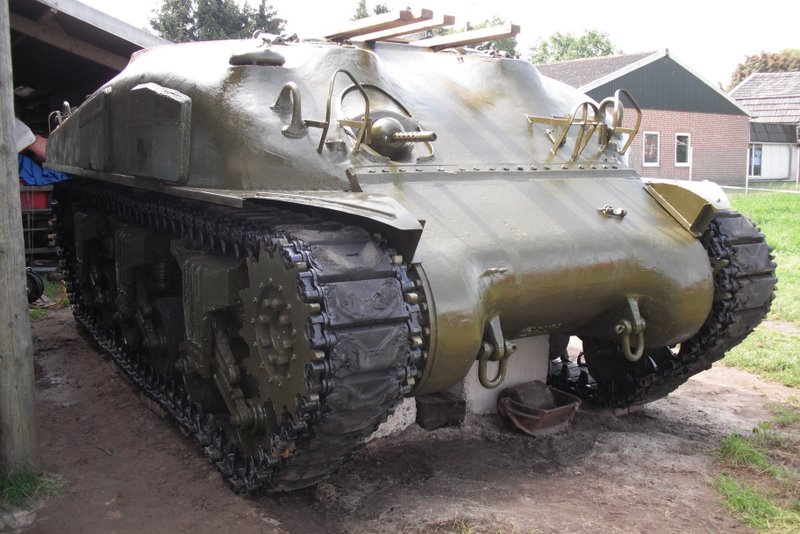
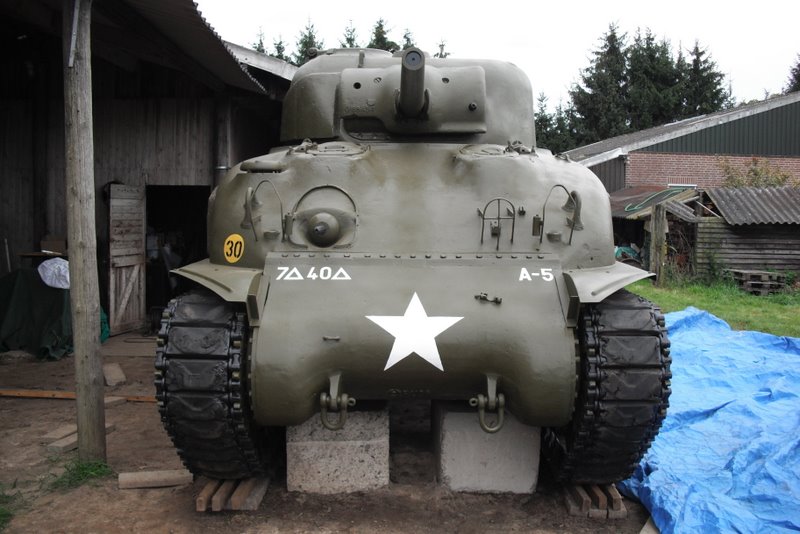
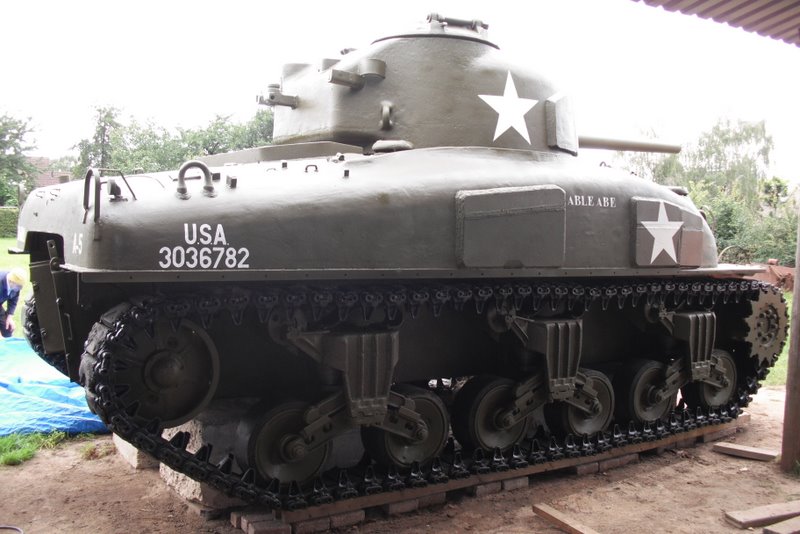
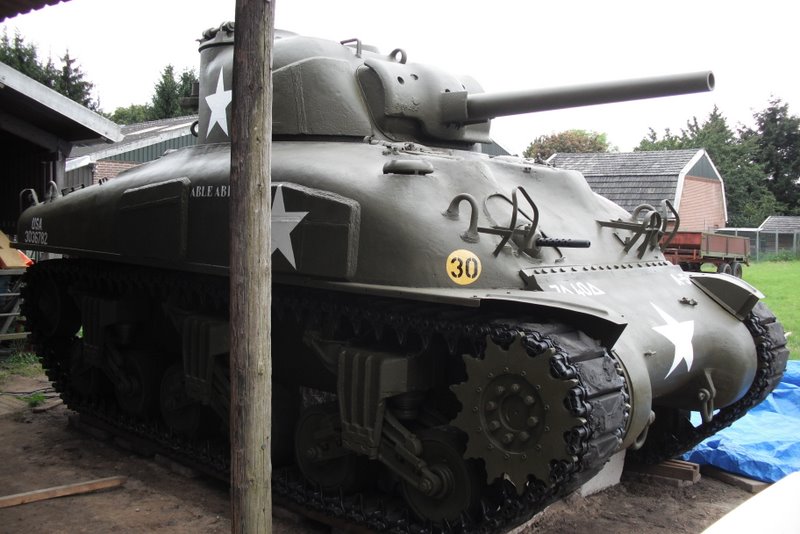
With help from the telehandler, we pulled the longest stretch of track on the bogies and finally mounted 6 links to complete the right side of the tank. The next day we completed the left side. Left side has three interconnected parts. This time we used a US halftrack with winch to pull the track. According to the book, each side has 79 blocks. Ours has 78 due to the fact that we couldn’t use the adjustment from the idler wheels. The tank is now completely standing on its own tracks. The turret is placed on the hull. Total weight of the tank: 23.5 tons.
Meanwhile we have painted the complete hull in the finishing color. Thanks to Carrosseriebedrijf Berdex at Wanroij (www.berdex.nl) for providing the paint and Johan van Dijk of Johan van Dijk b.v. for advice and assistance.
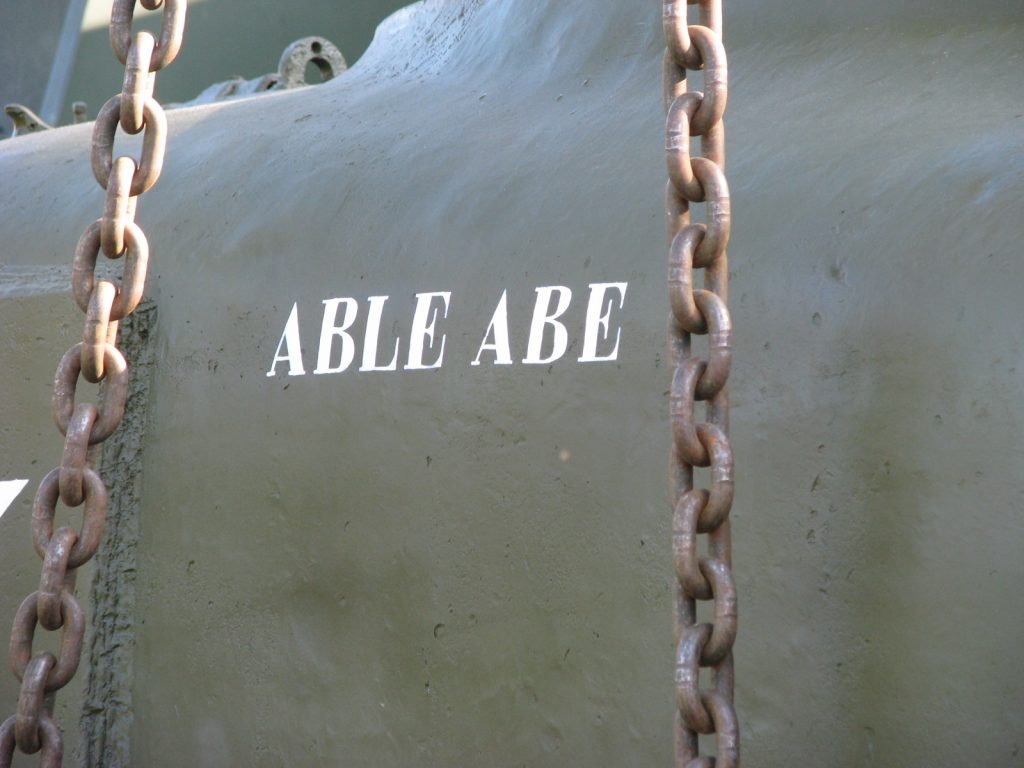
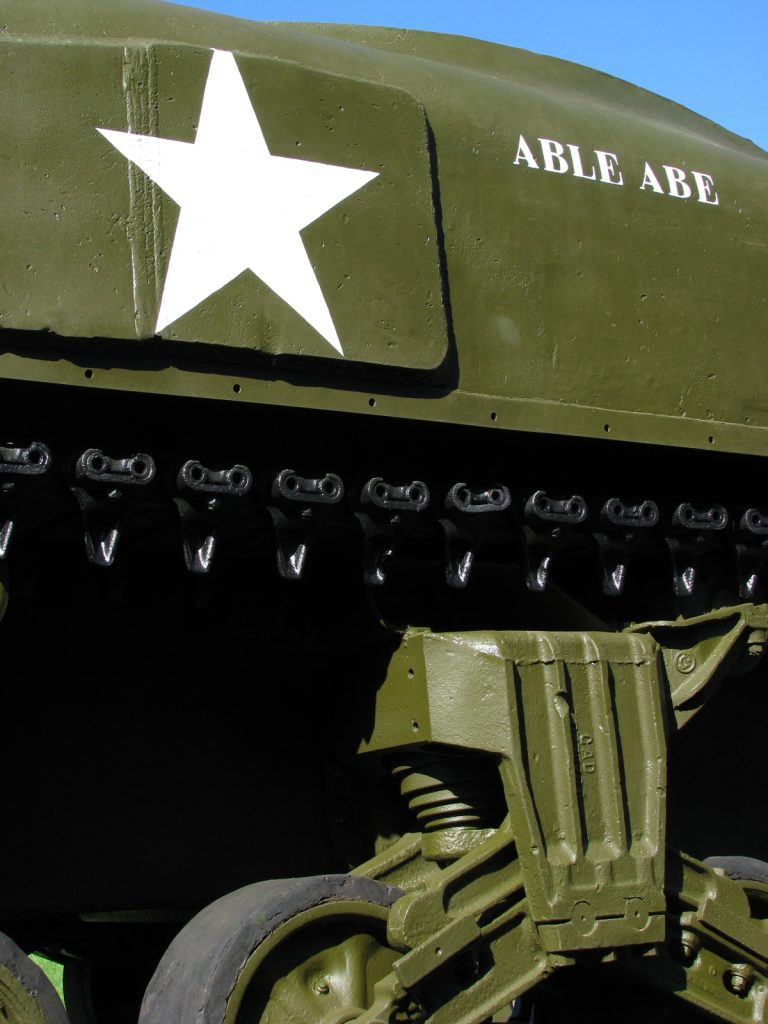
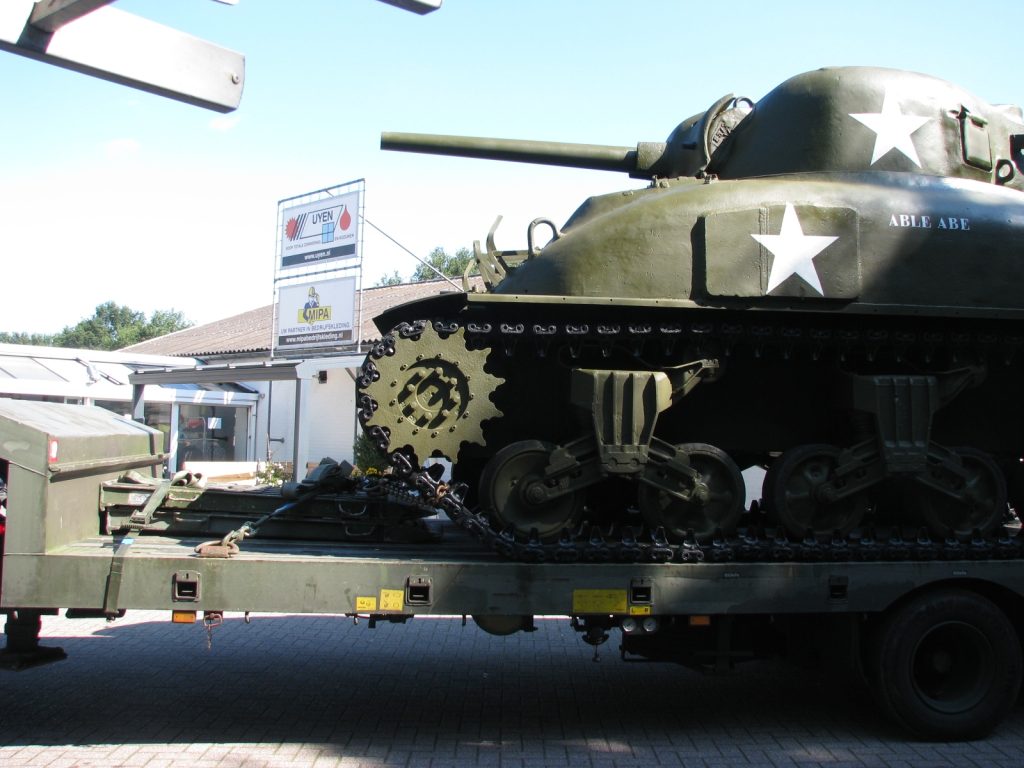
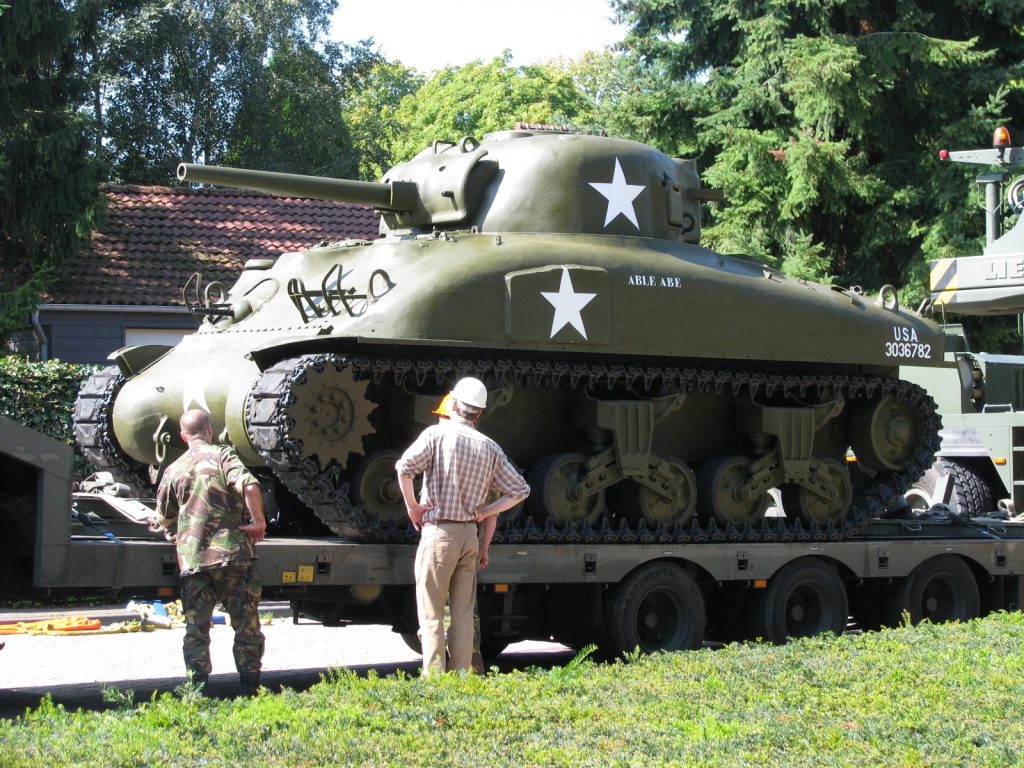
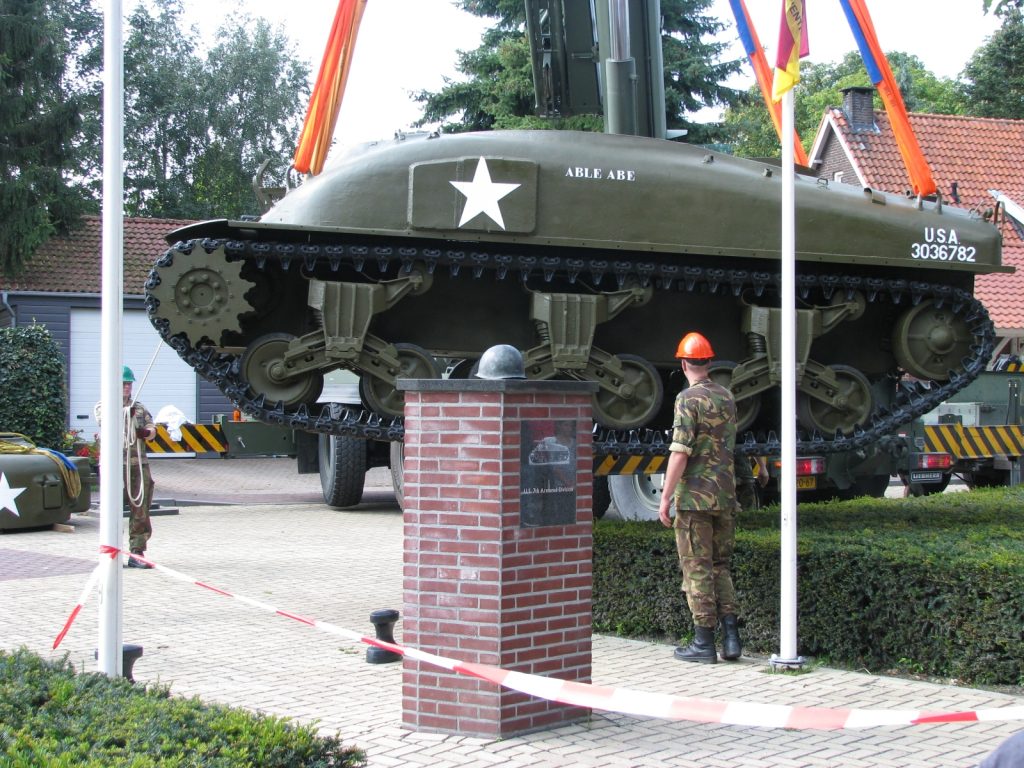
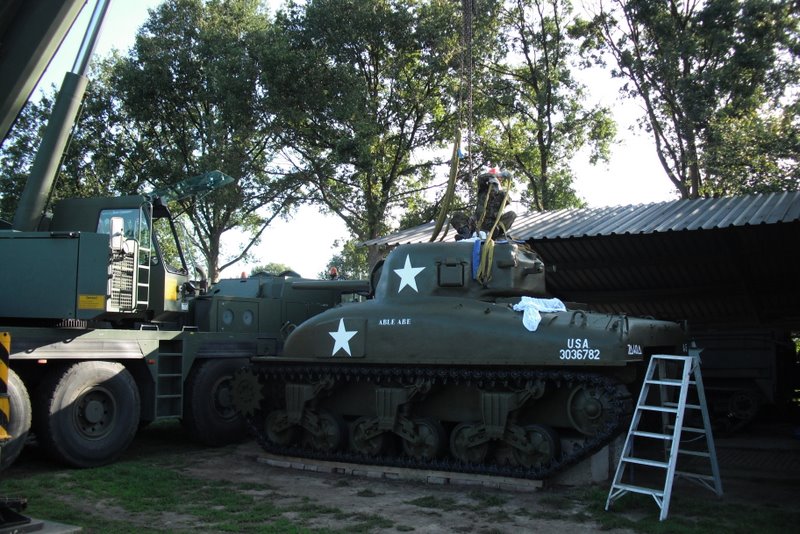
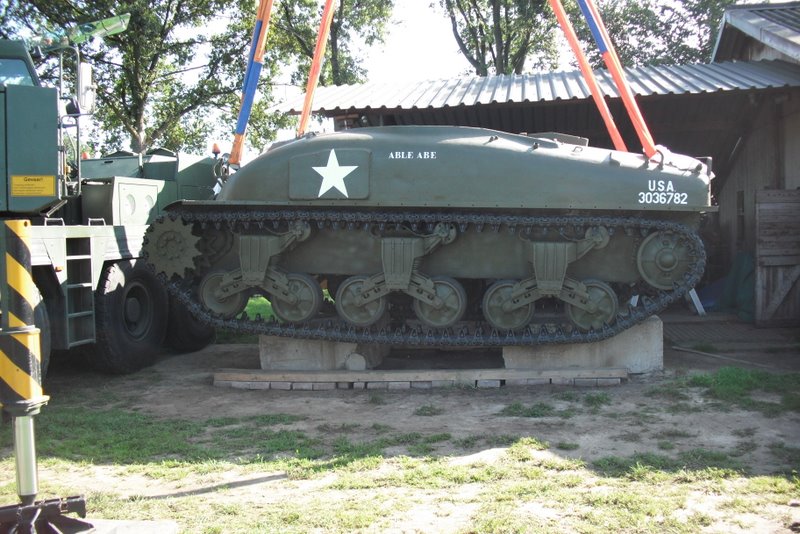
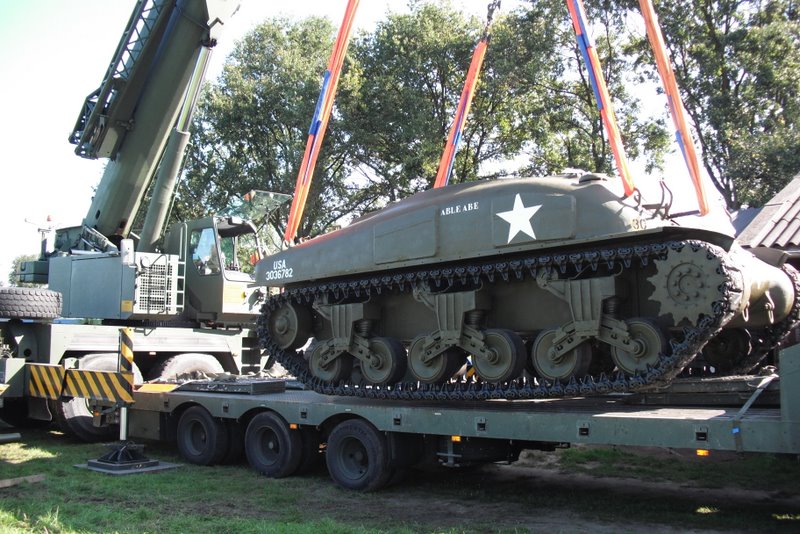
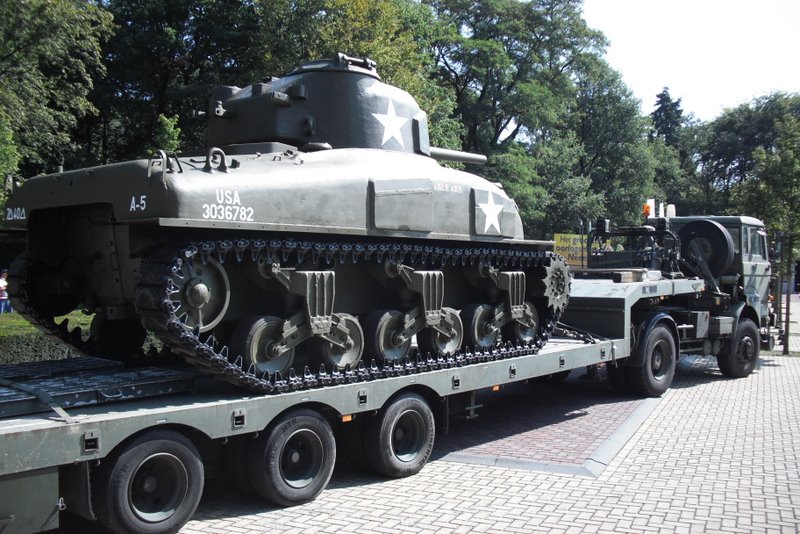
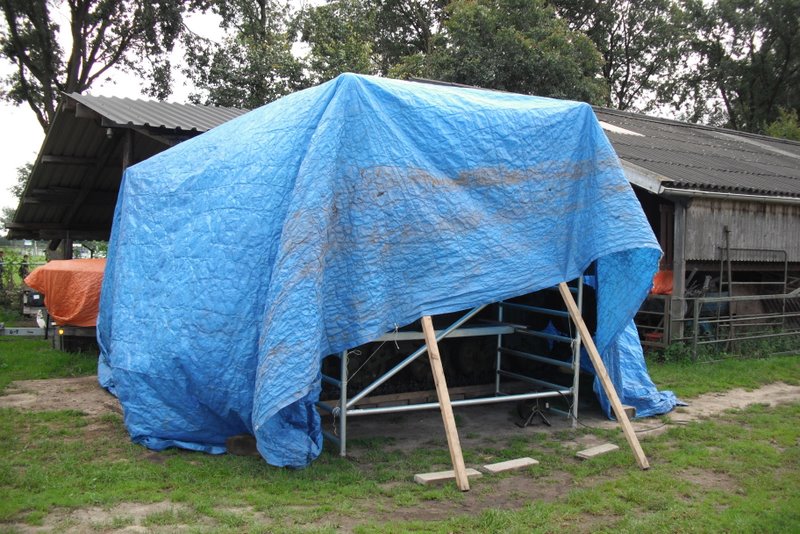
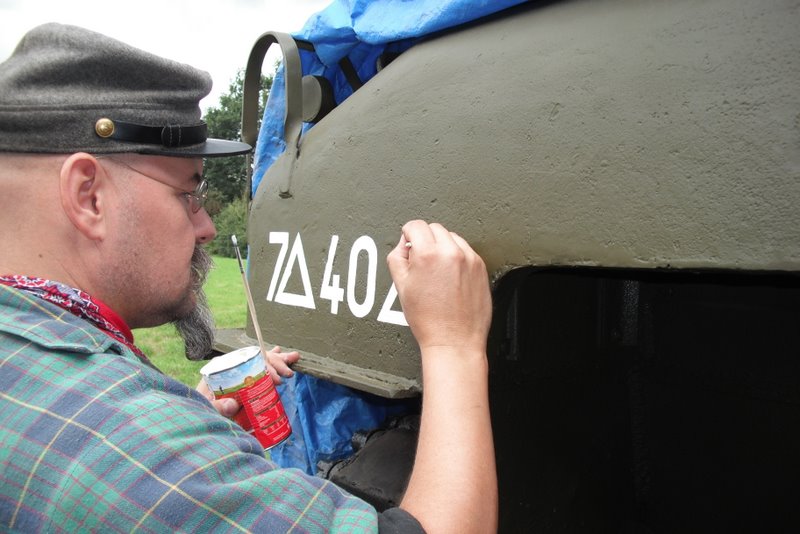
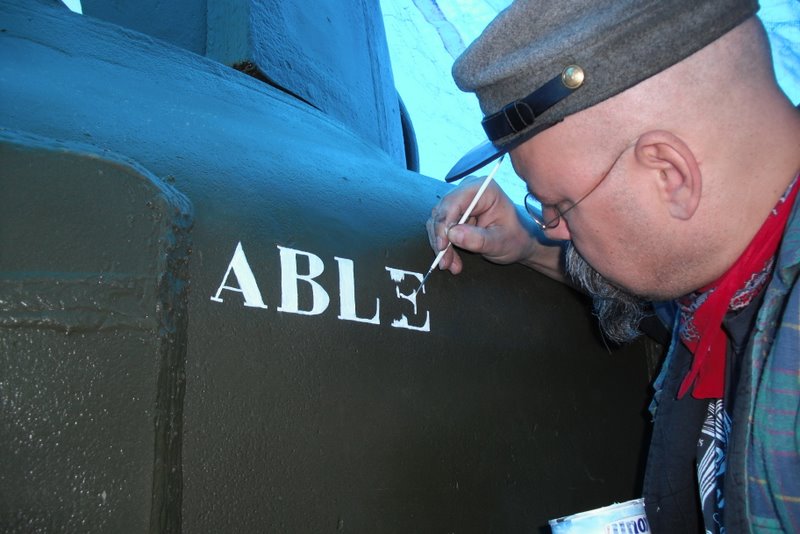
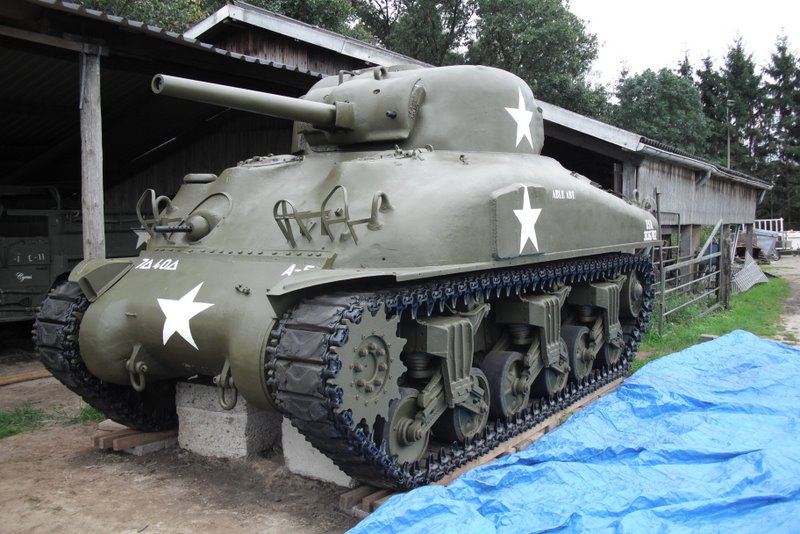
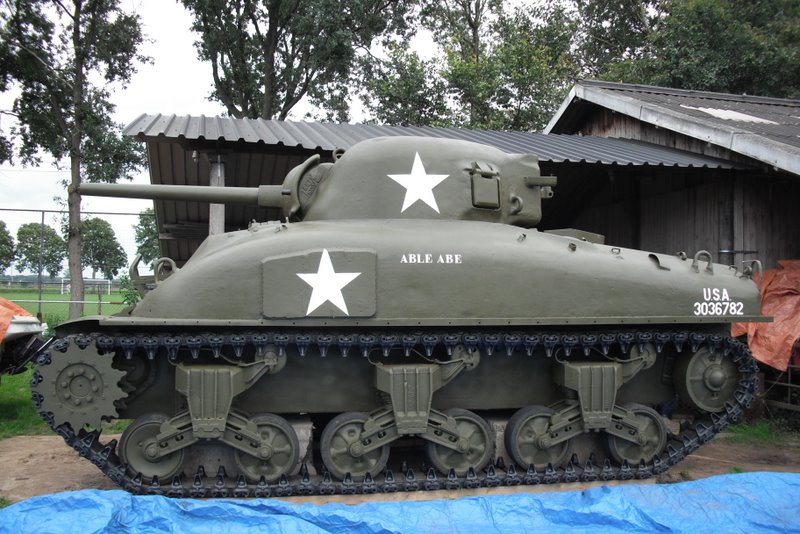
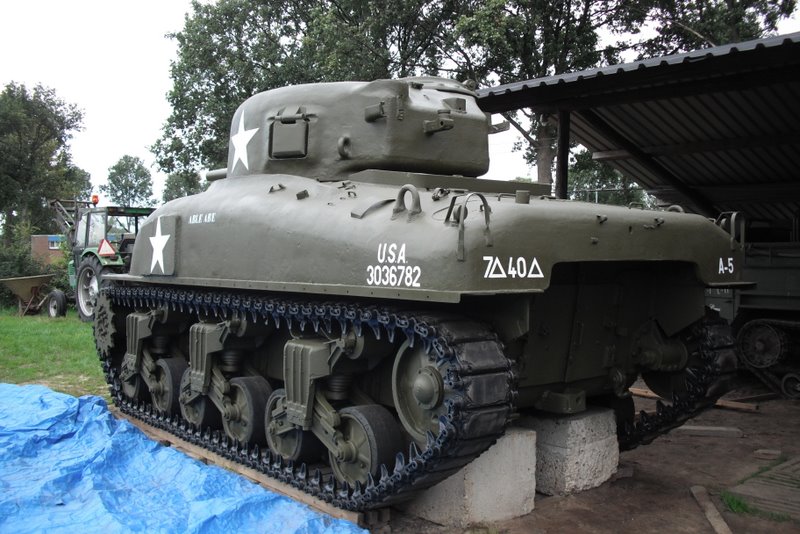
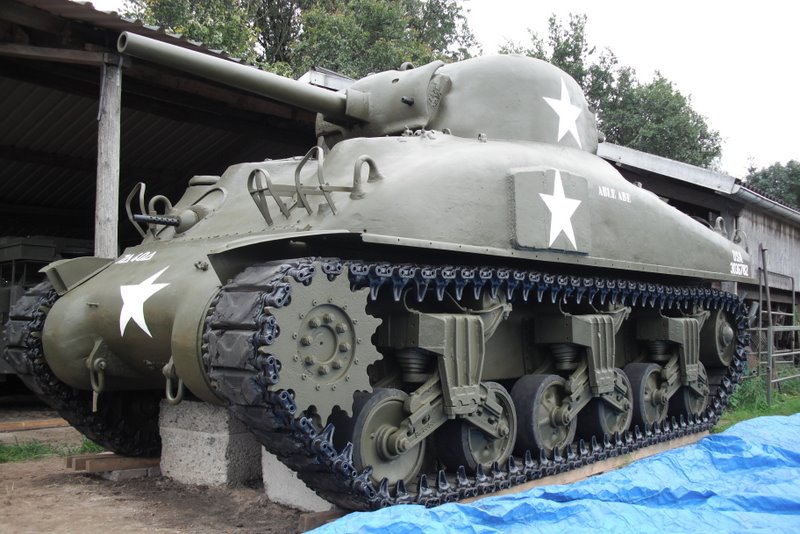
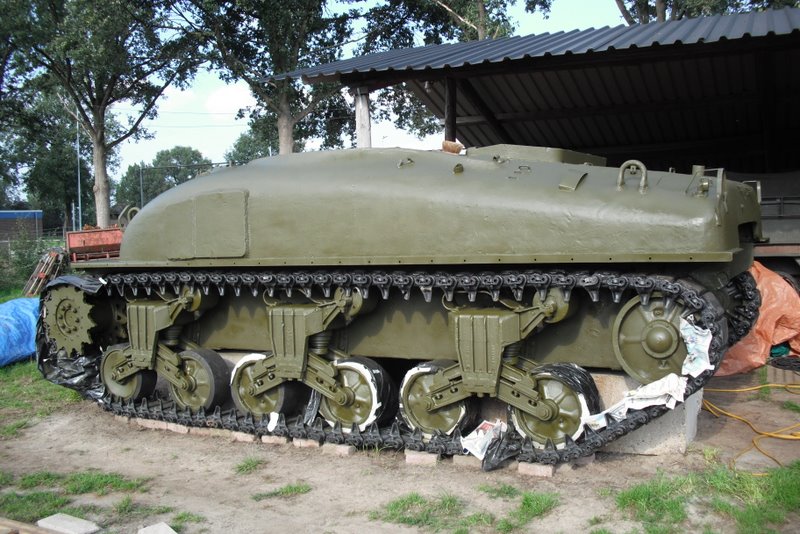
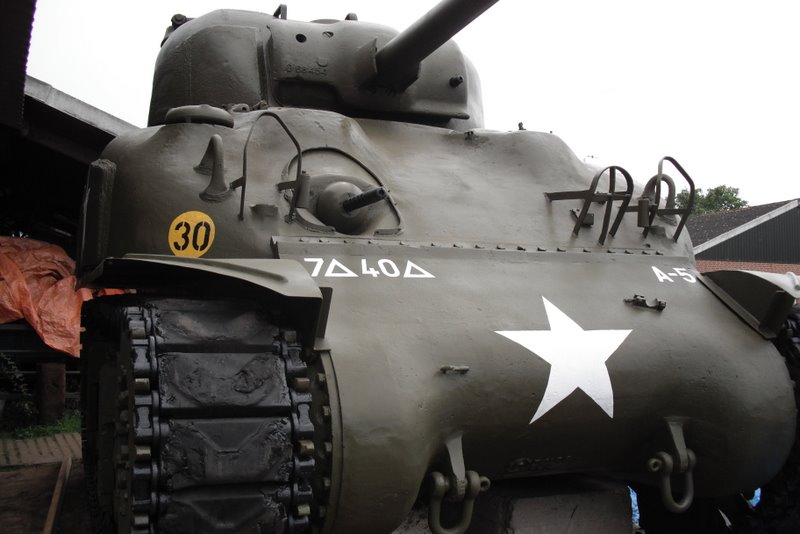
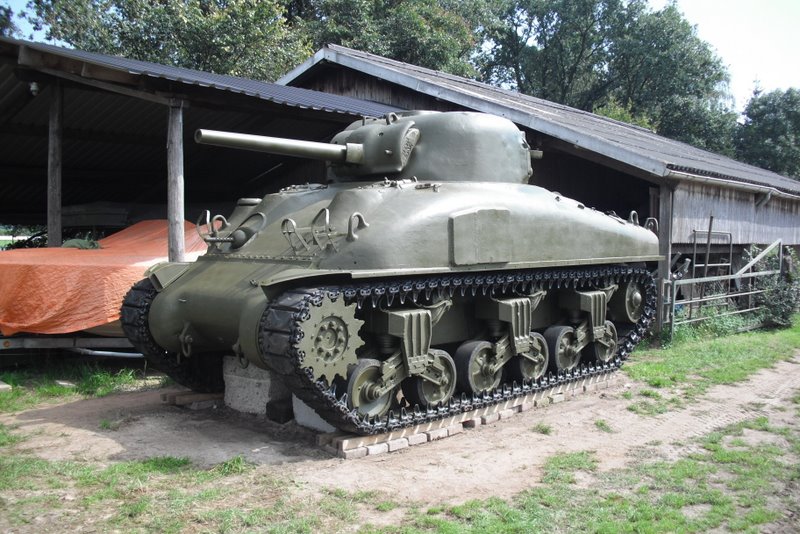
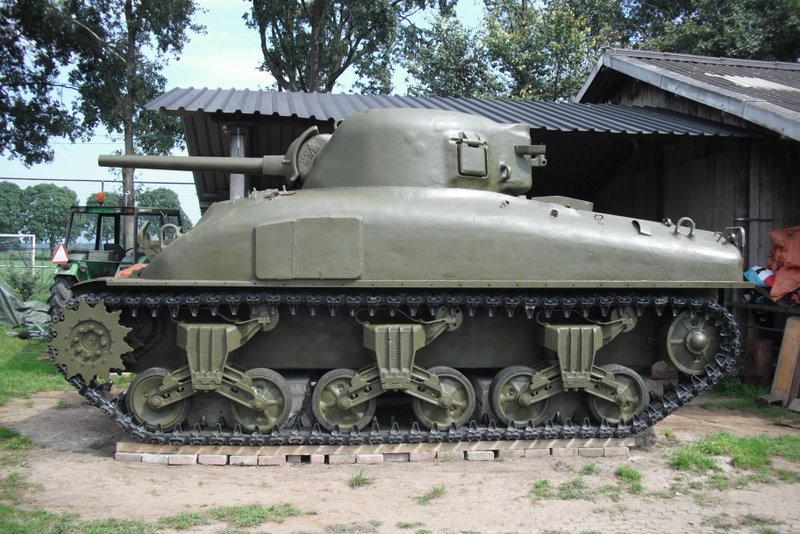
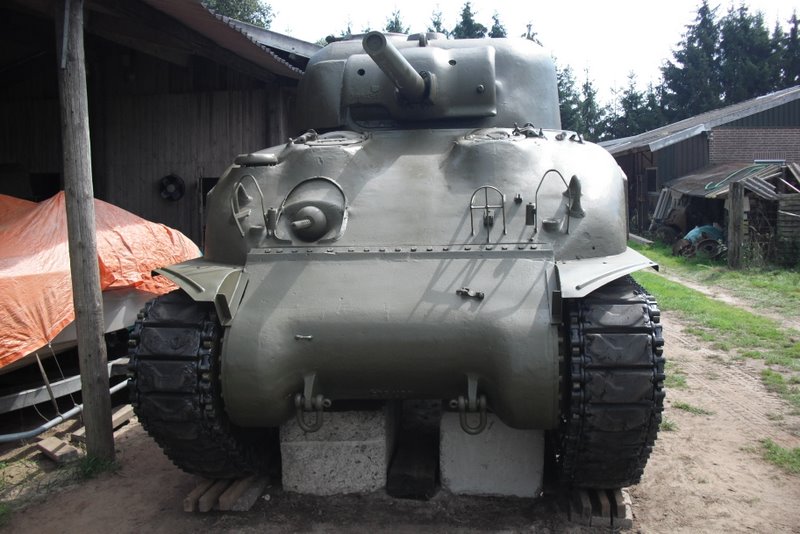
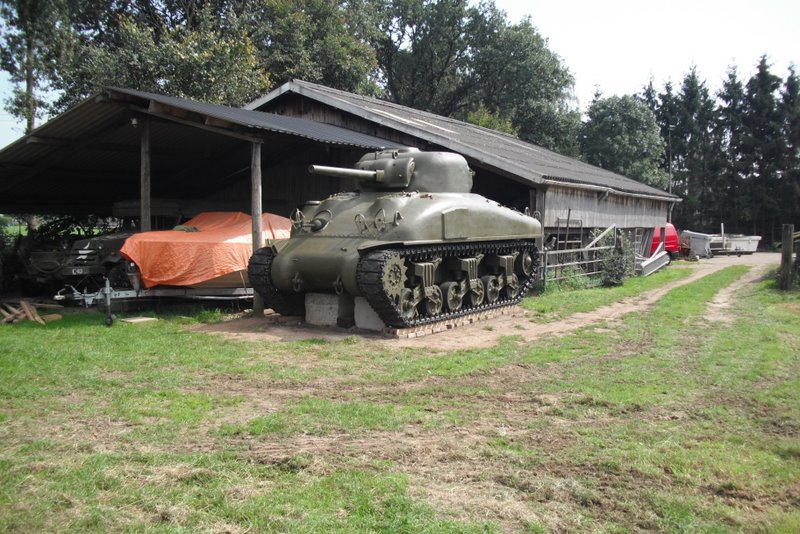
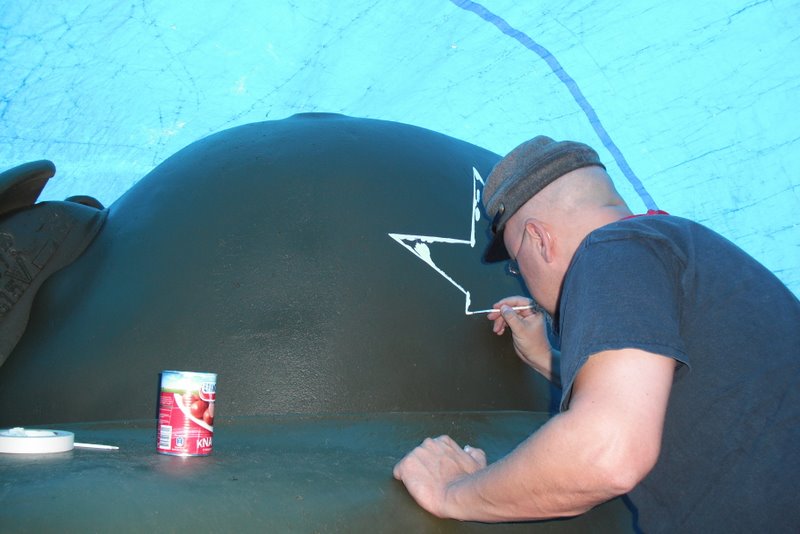
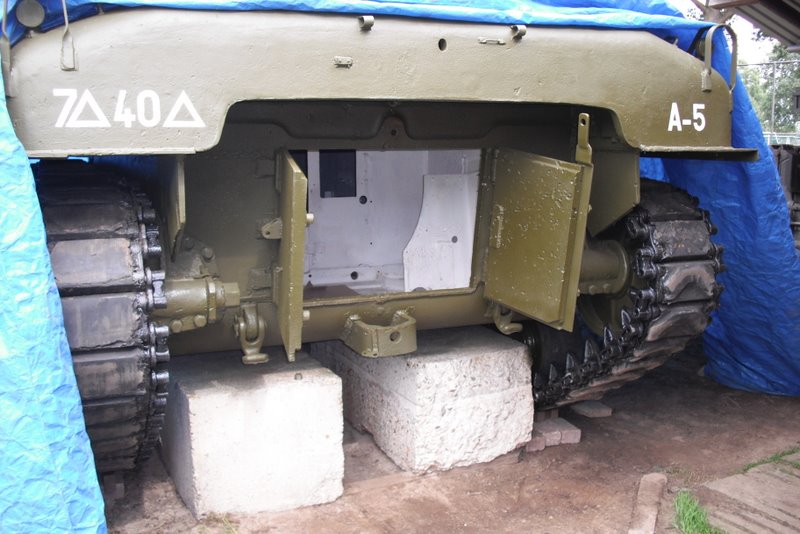
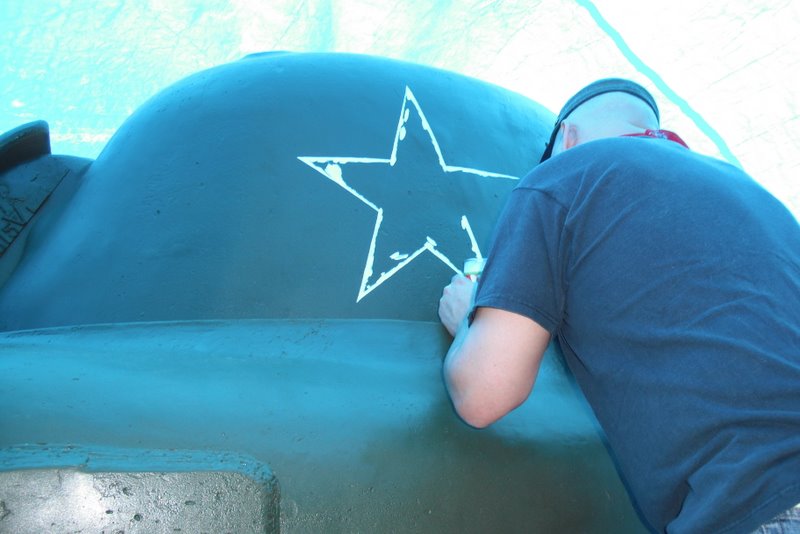
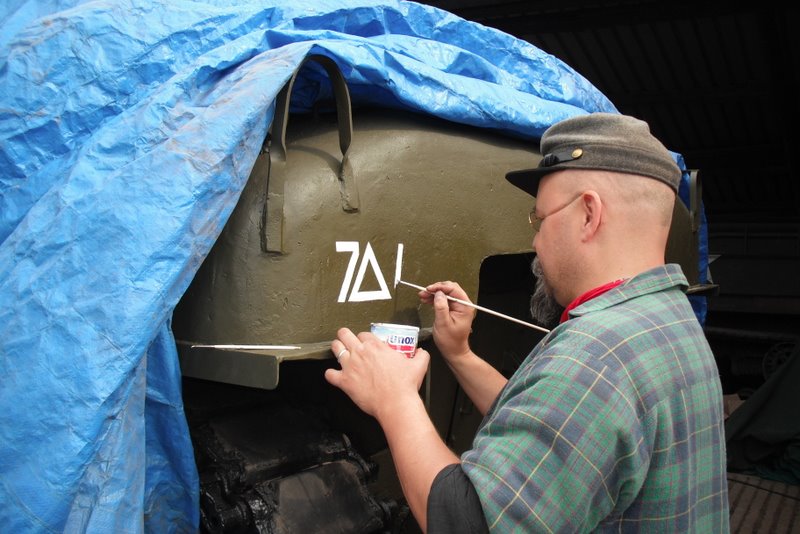
We have given our tank a name: “Able Abe”. A Sherman tank of the 7th Armored Division with this name was deactivated during the battle of Overloon in 1944 and was left behind in that same place until approx. 1947. The registration numbers that we have applied are the original numbers that were on “Able Abe”. When applying the markings we had to work again with makeshift scaffolding due to bad weather conditions.
The concrete base at Overloon where the tank will be placed has dried long enough. Thanks to Tourism Foundation Overloon Vierlingsbeek (S.T.R.O.V.) for making this base possible.
For September we planned:
- Transport of the tank to the final destination: Overloon.
Restoration September 2011
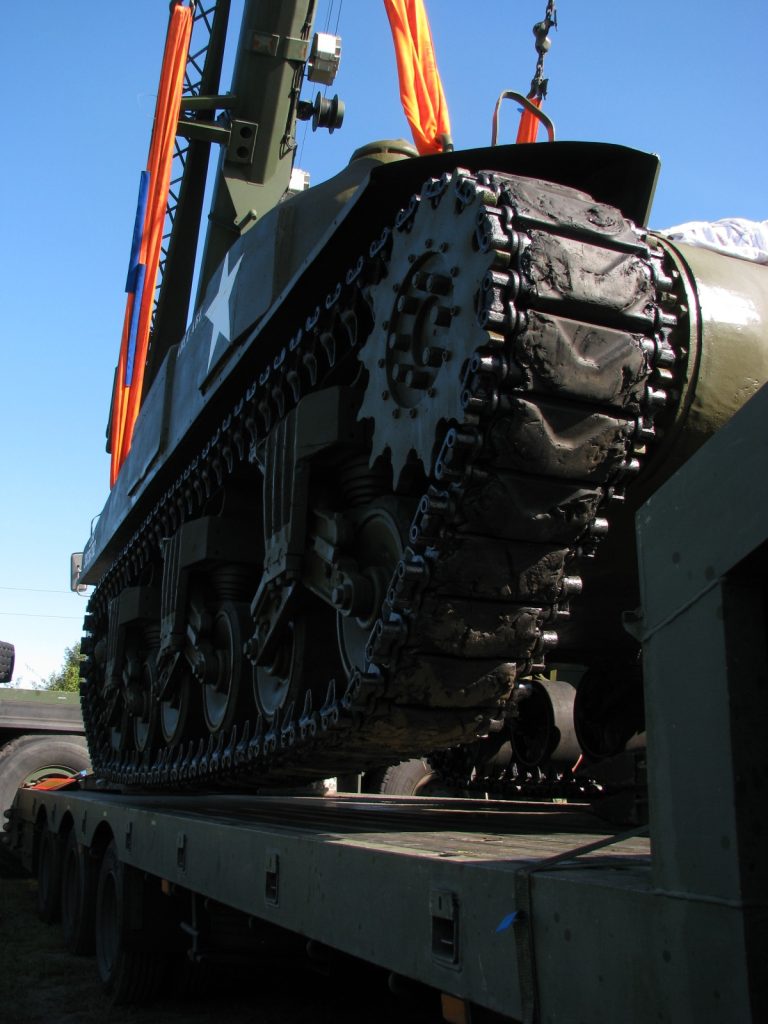
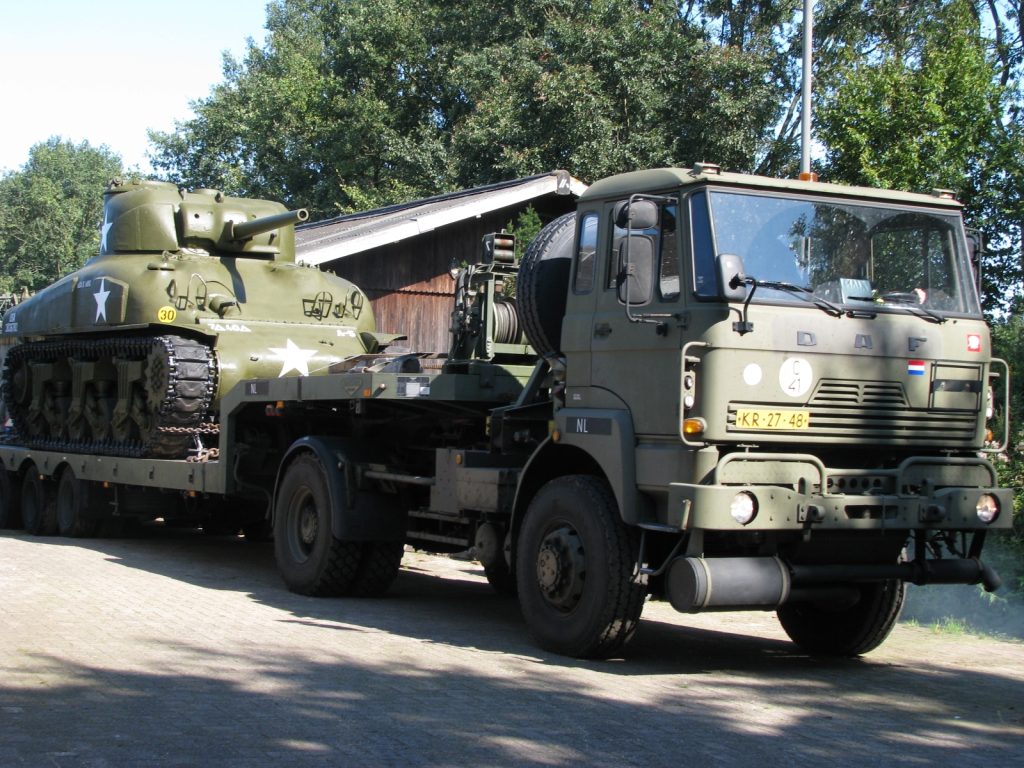
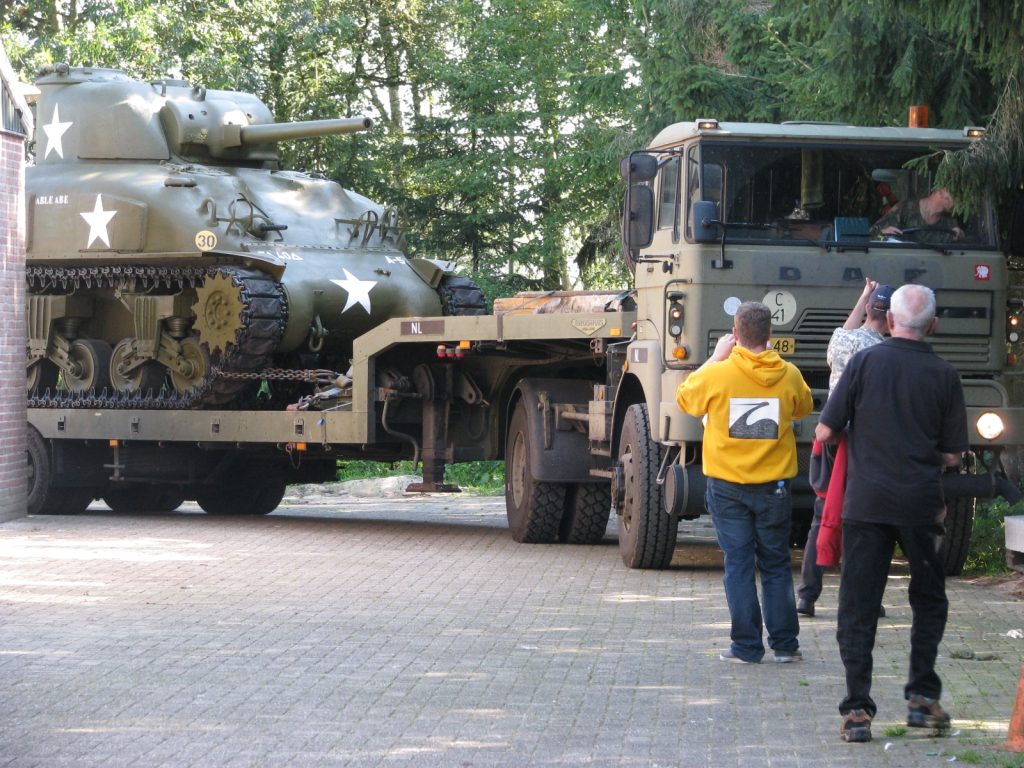
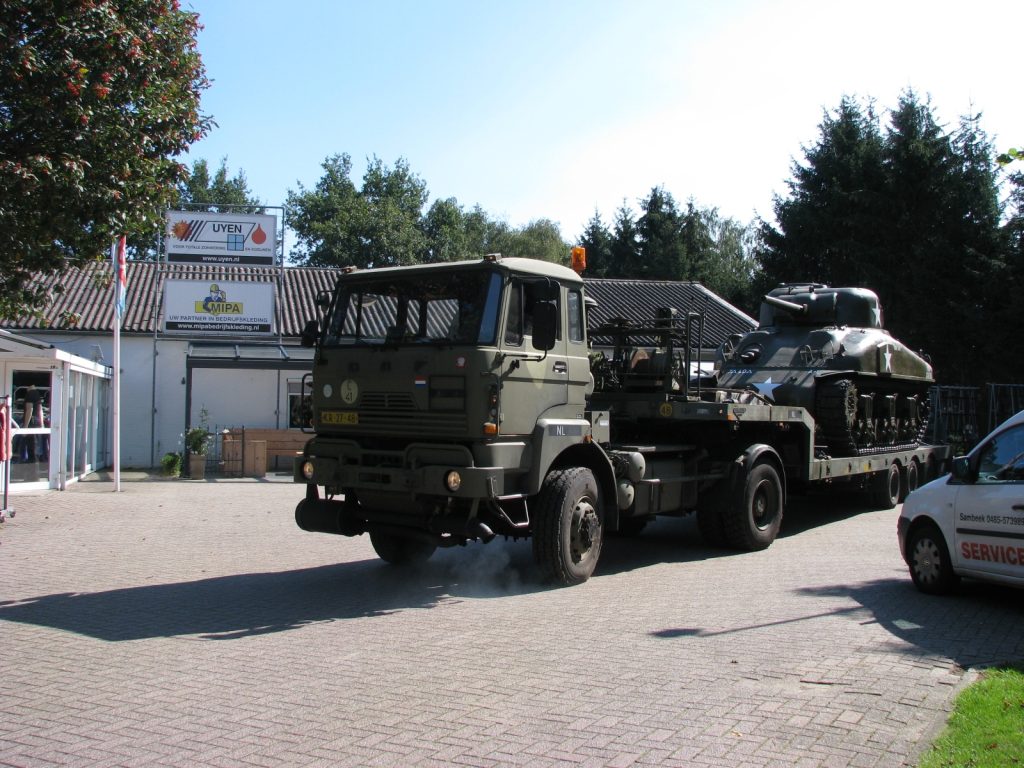
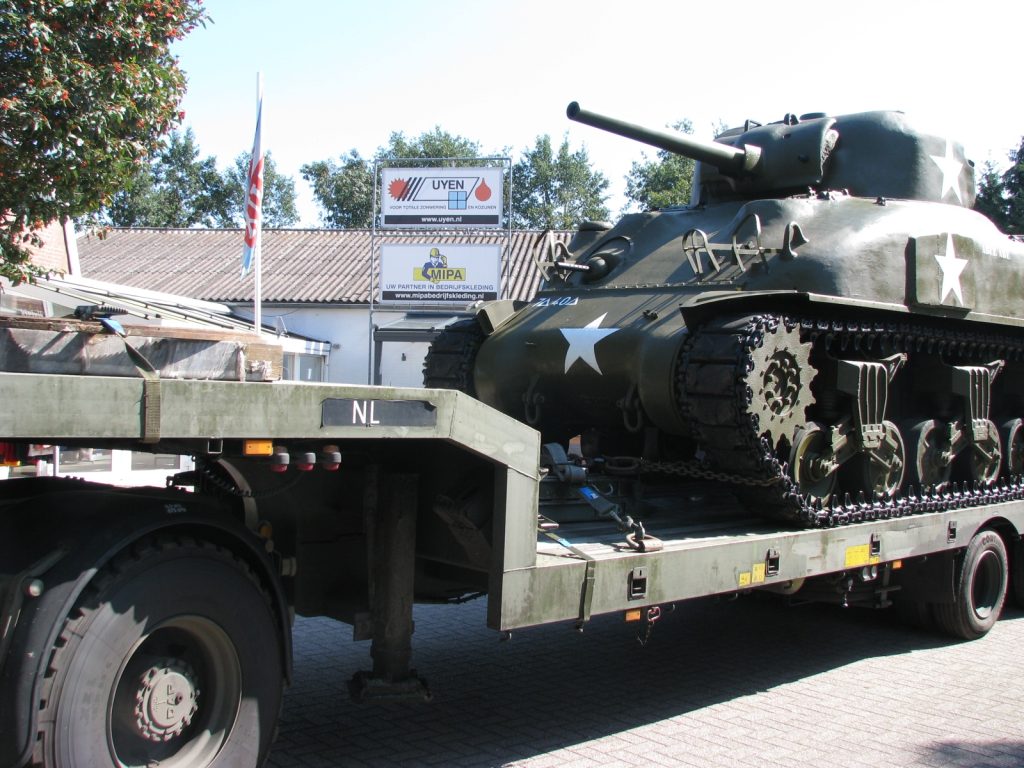
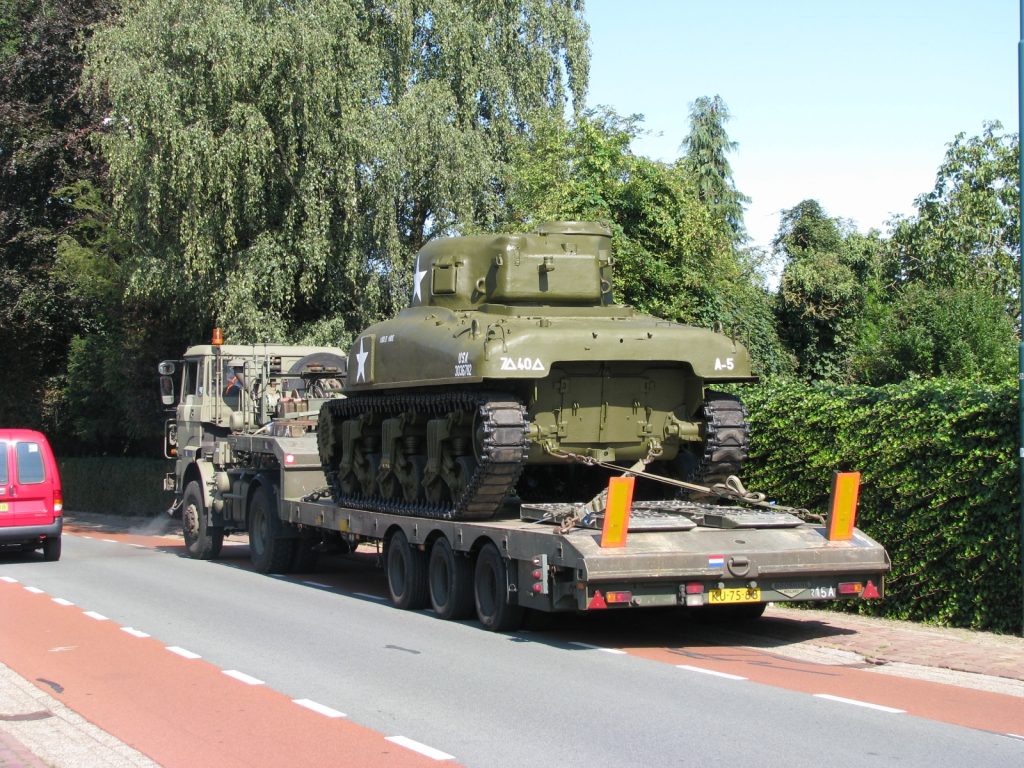
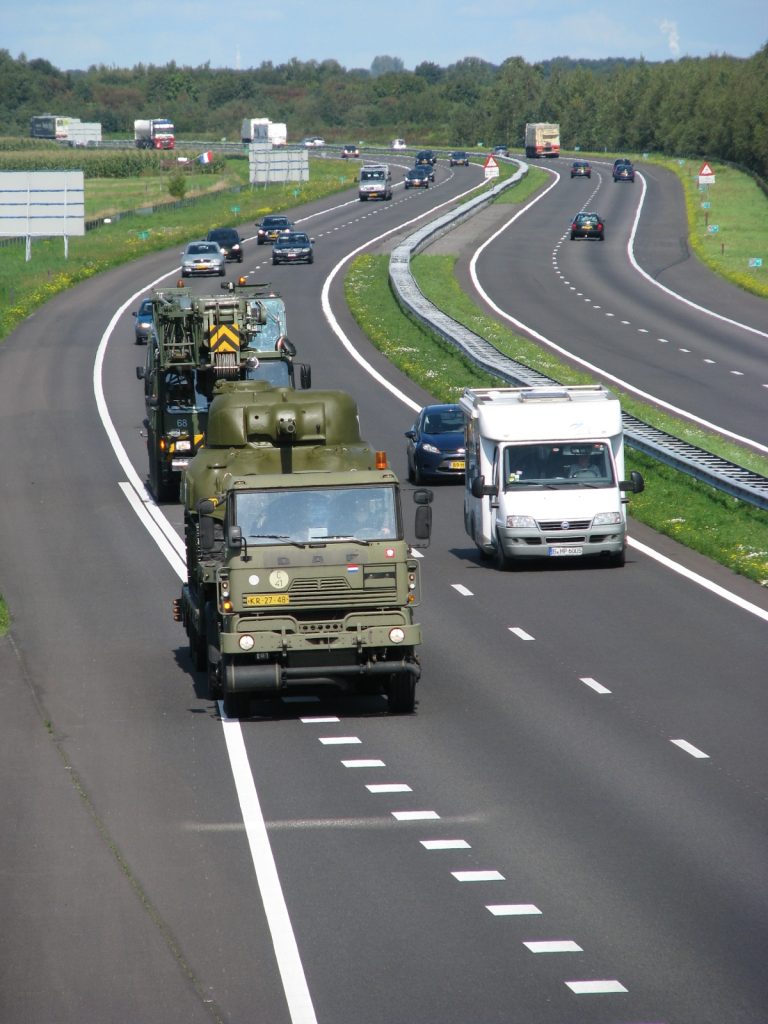
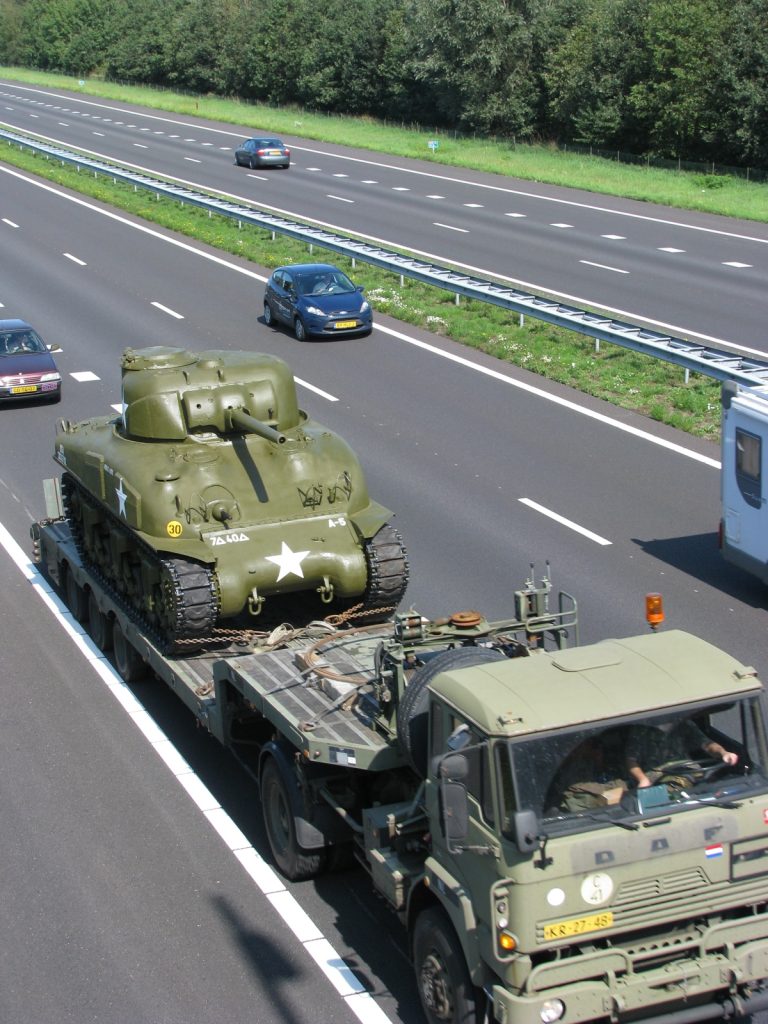
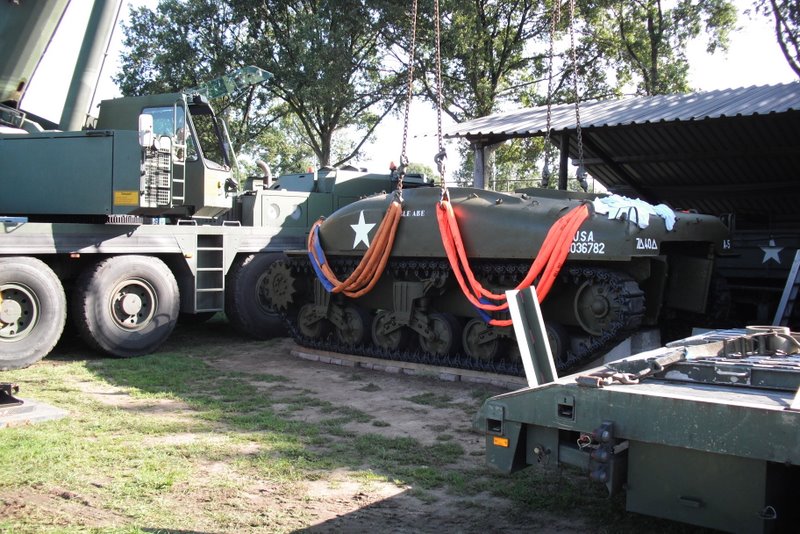
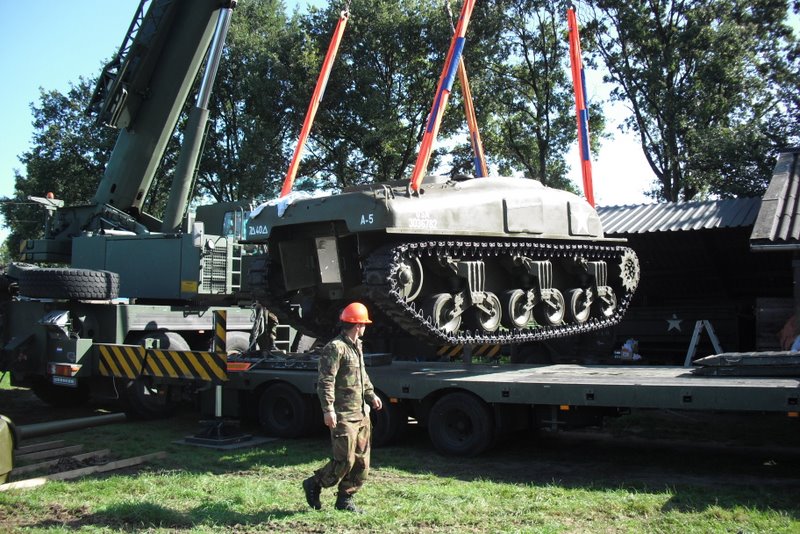
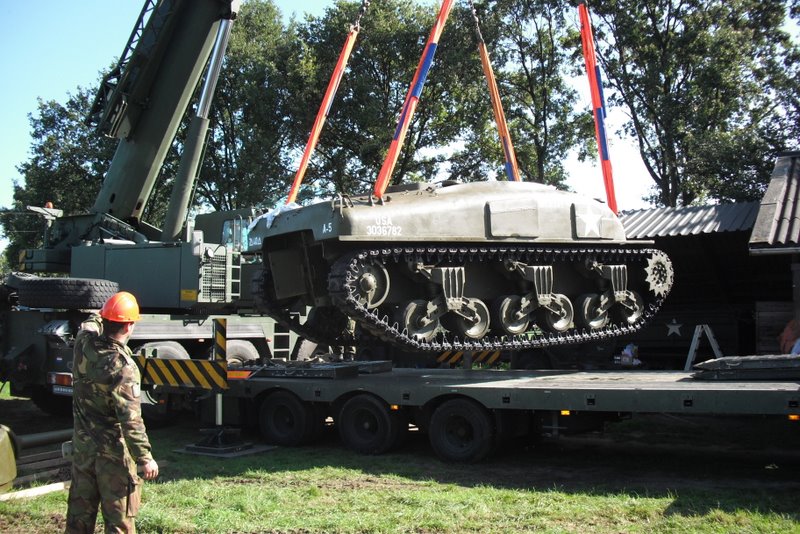
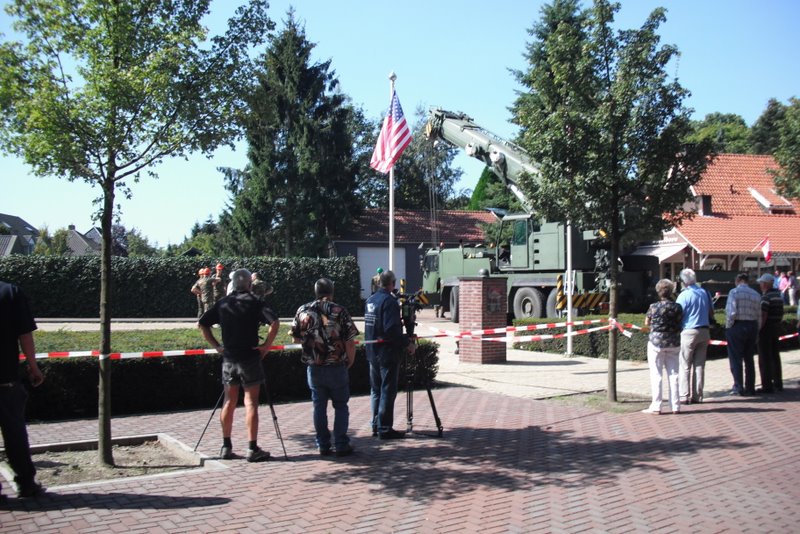
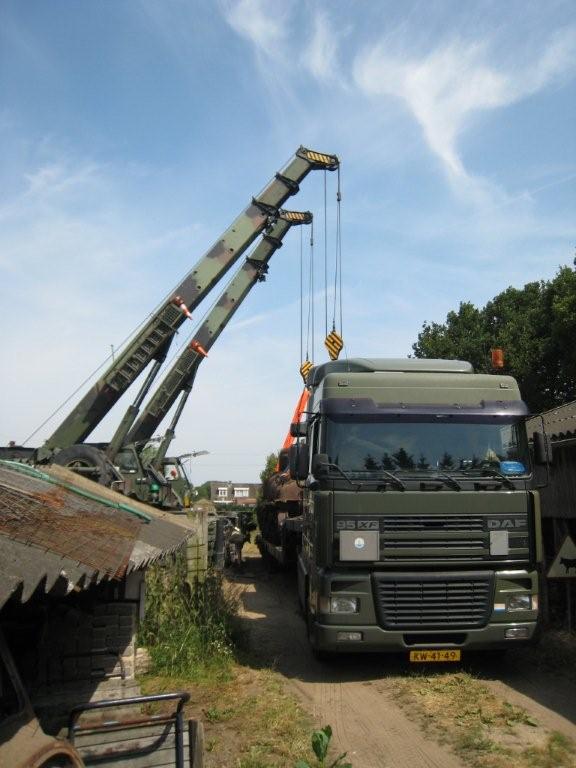
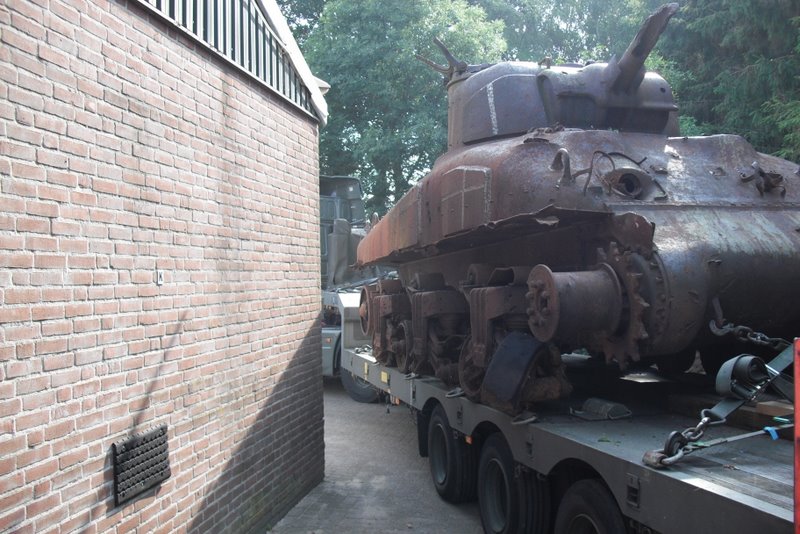
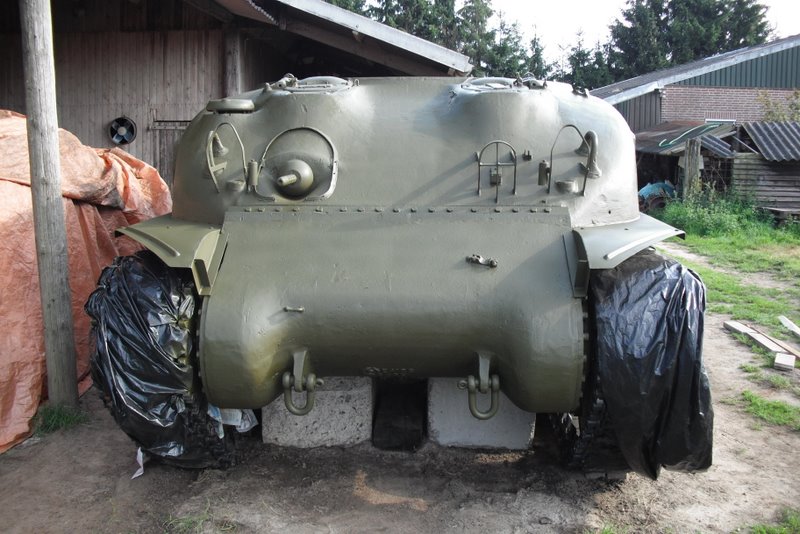
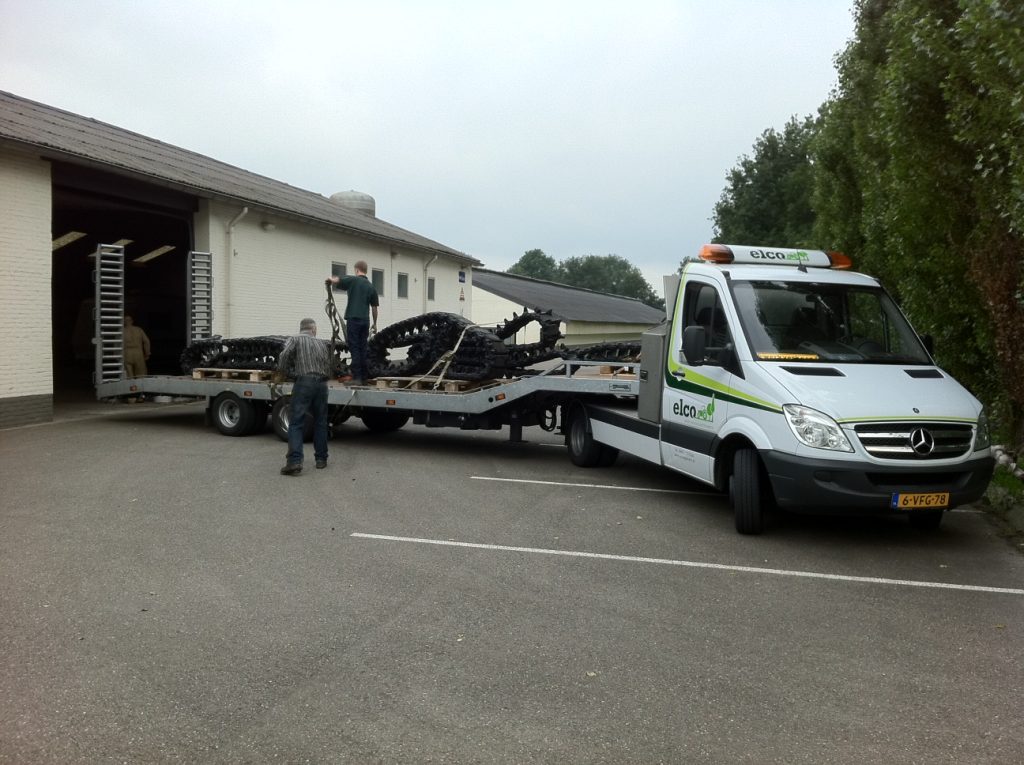
Thursday, September 1st was the day! After a 14-month restoration project the tank was picked up and transported to Overloon where it is placed in the square.
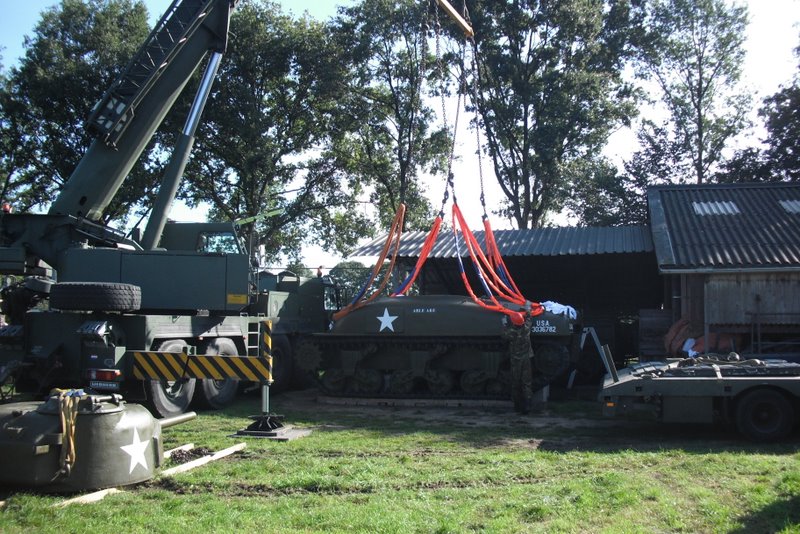
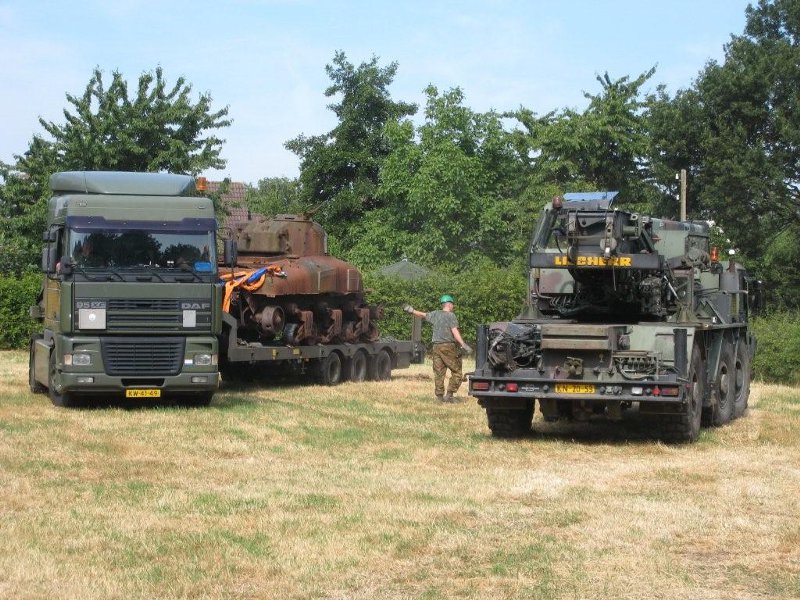
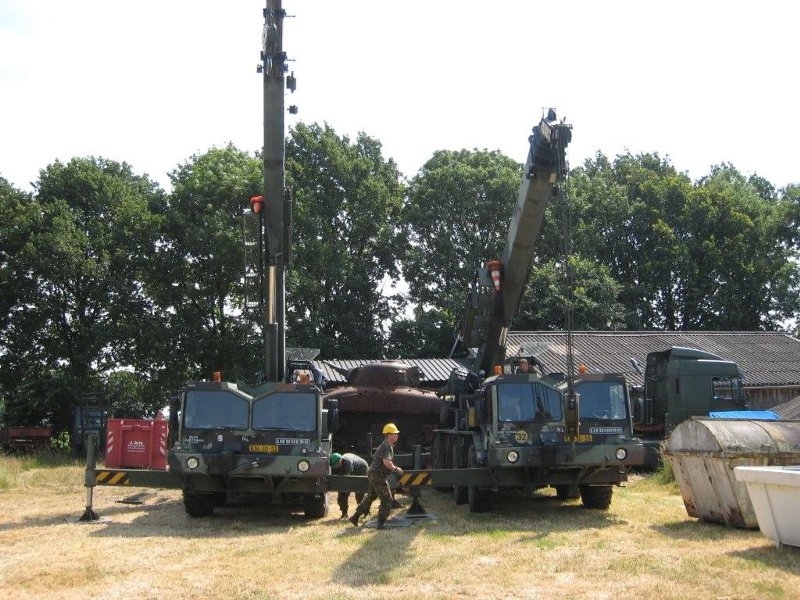
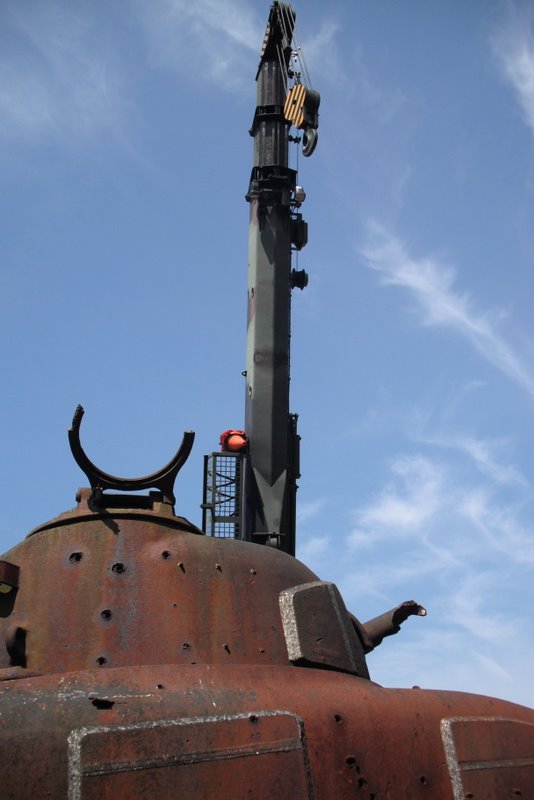
At 8.30 AM the Royal Engineers arrived on the site with their crane.
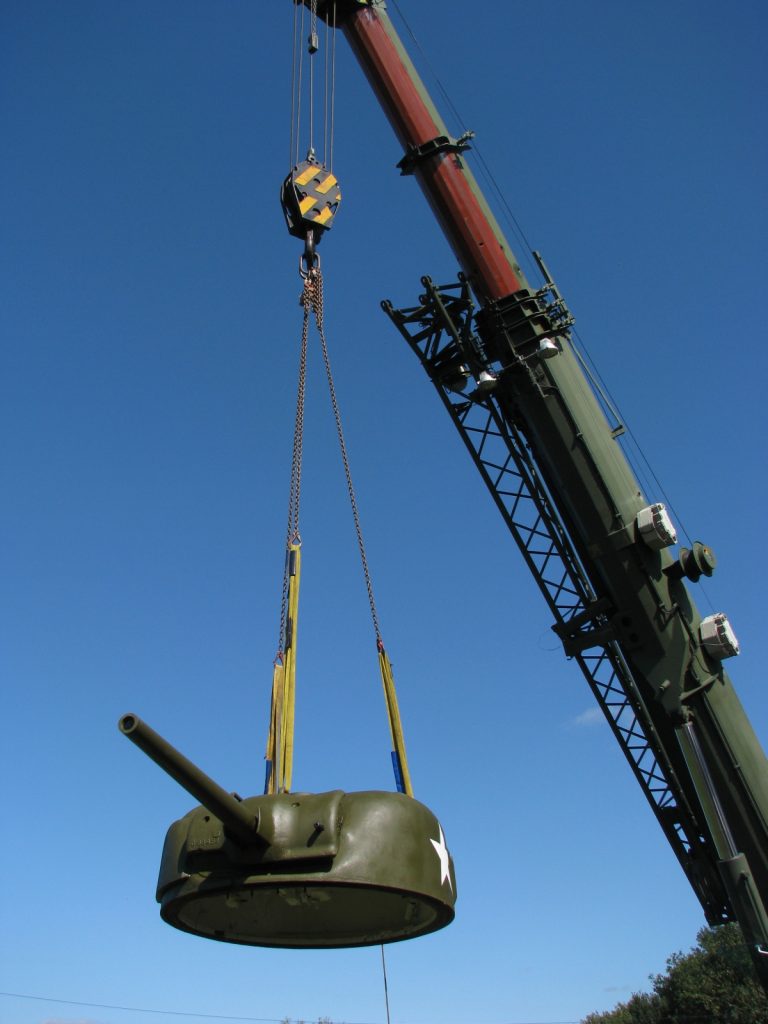
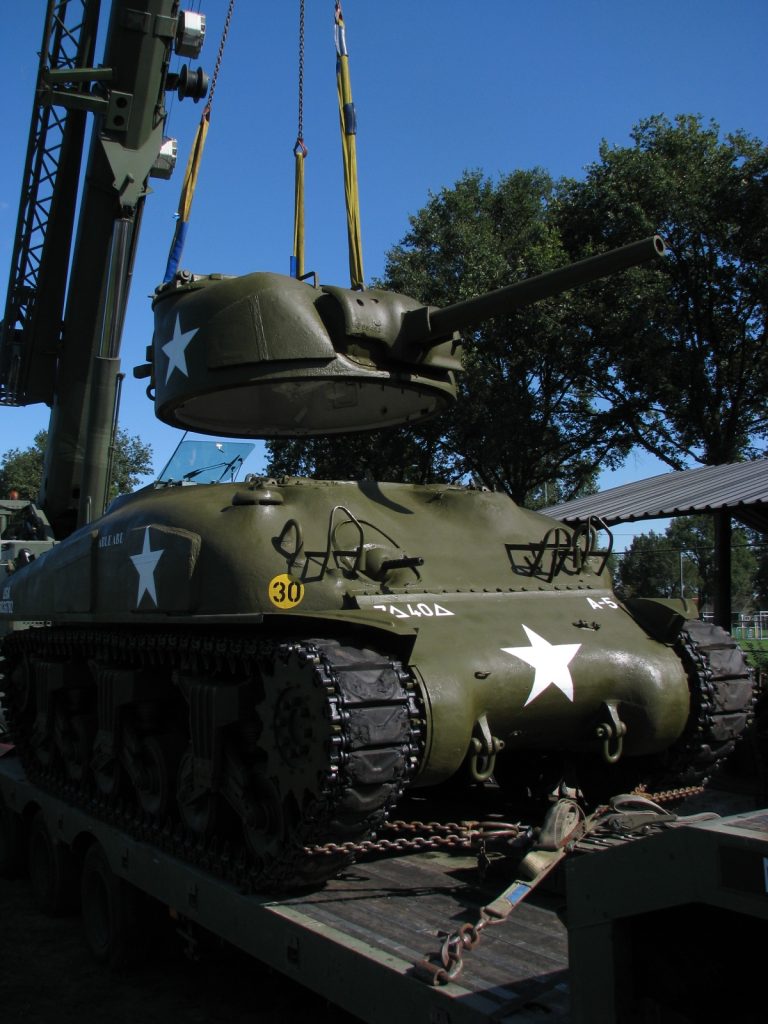
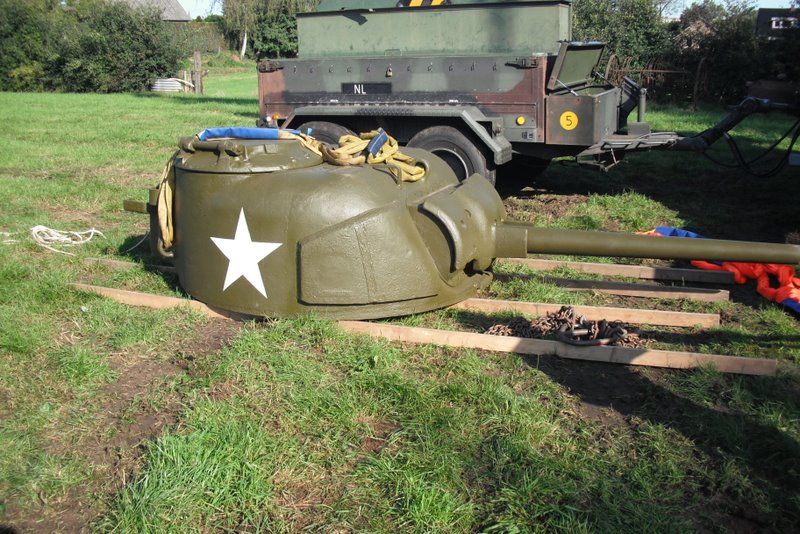
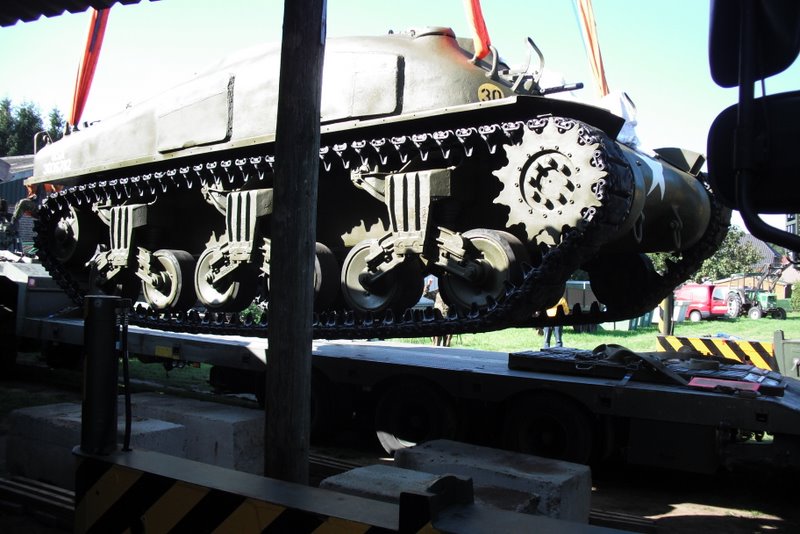
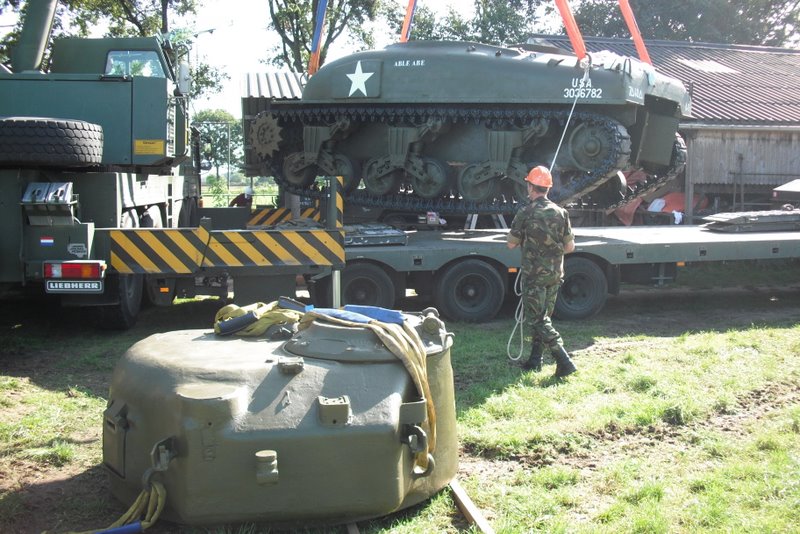
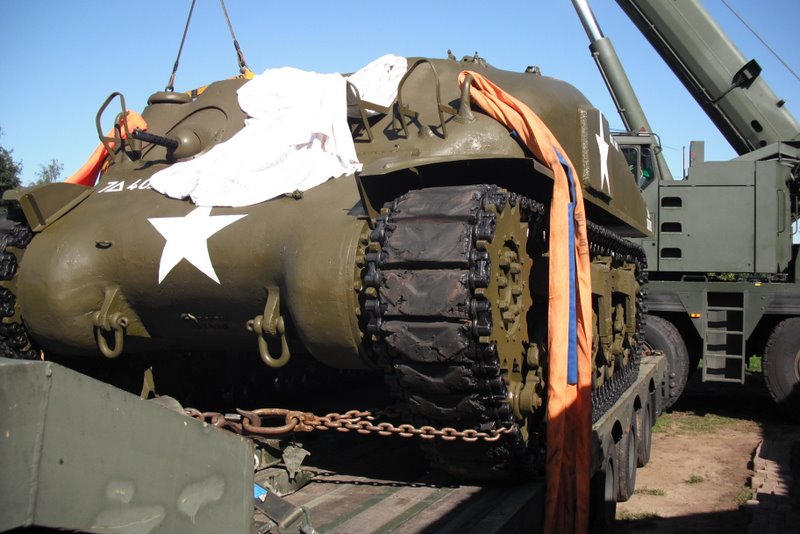
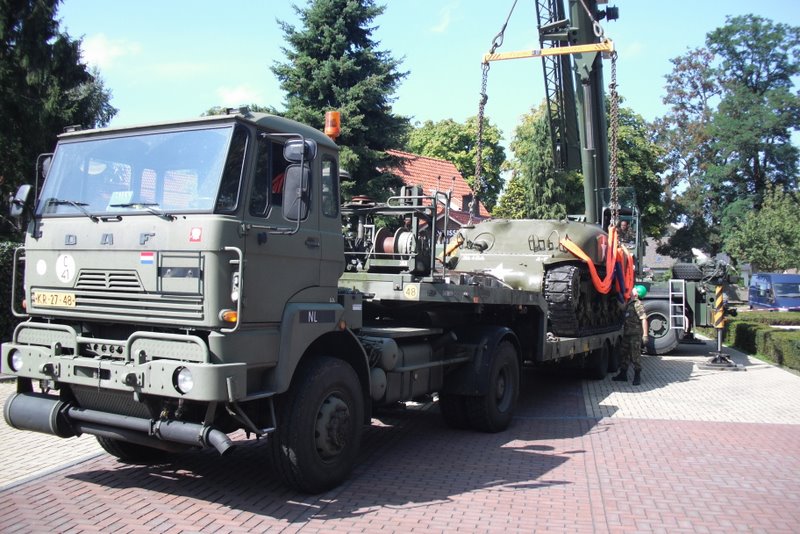
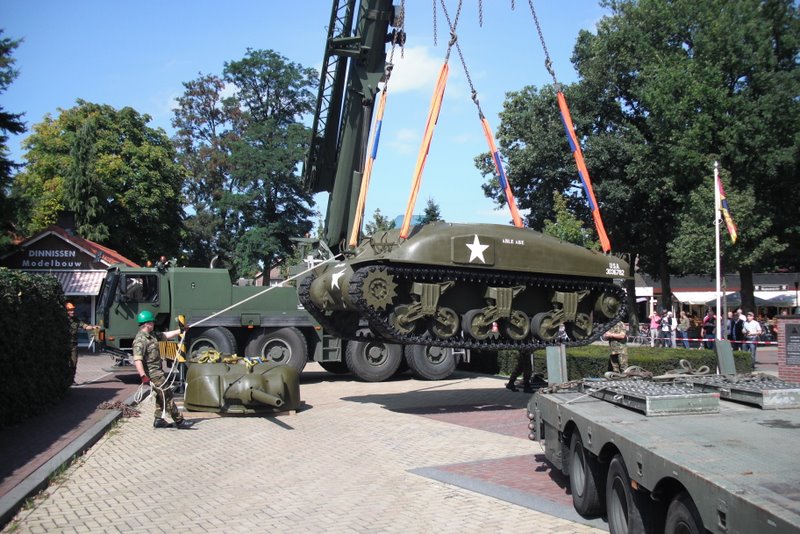
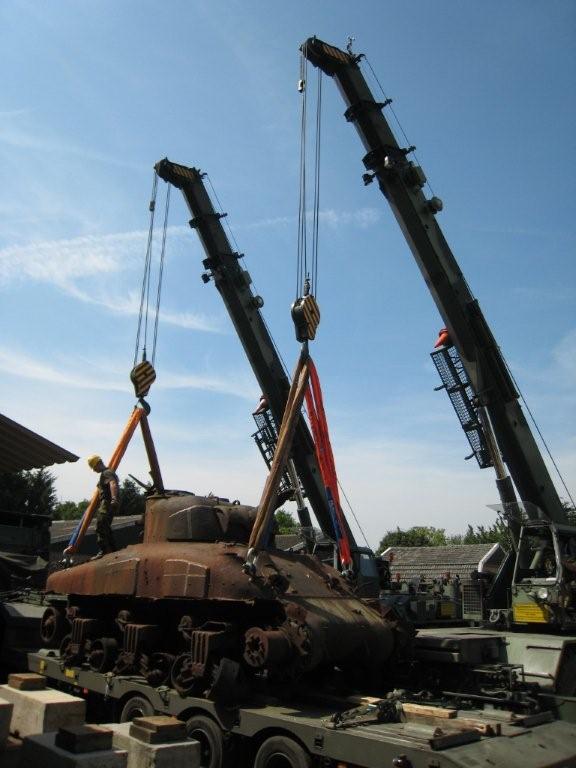
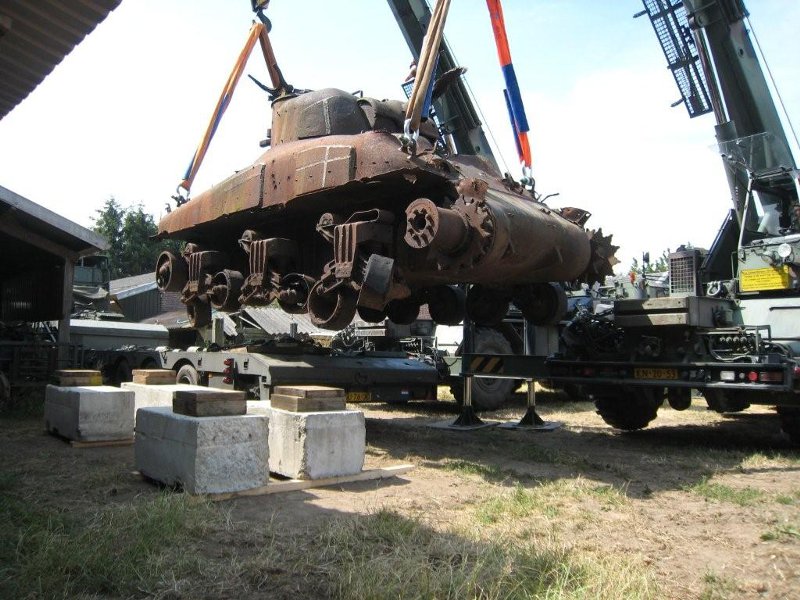
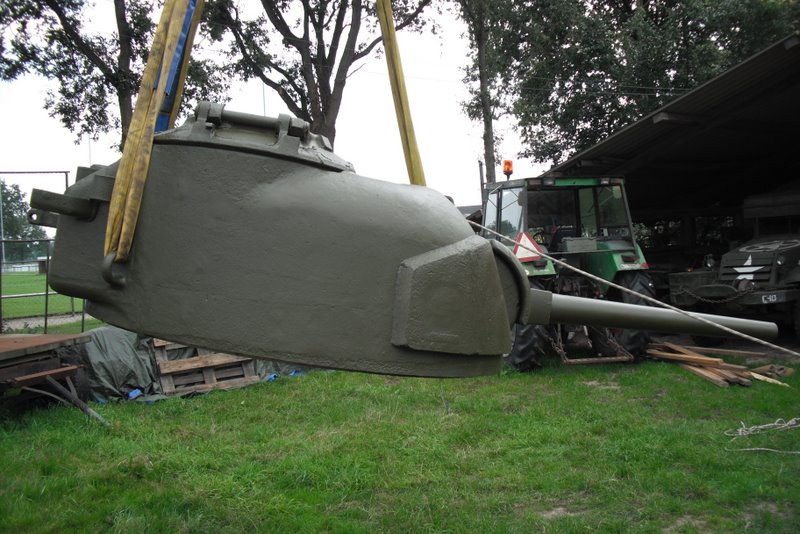
After setting up the crane they first removed the turret and placed the hull of the tank on the trailer. Then the turret was placed back on the hull and locked.
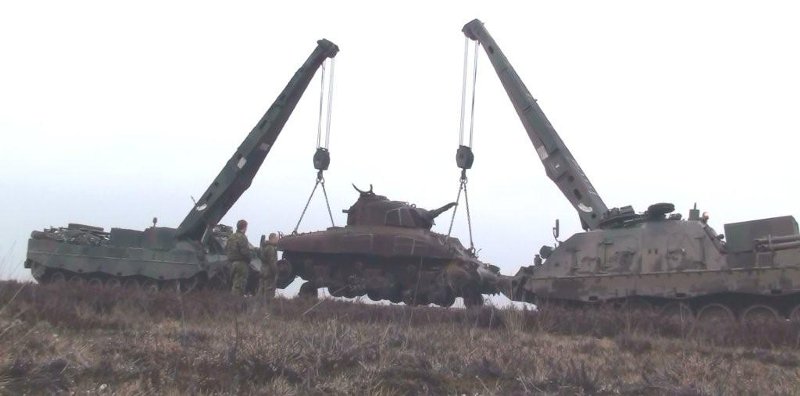
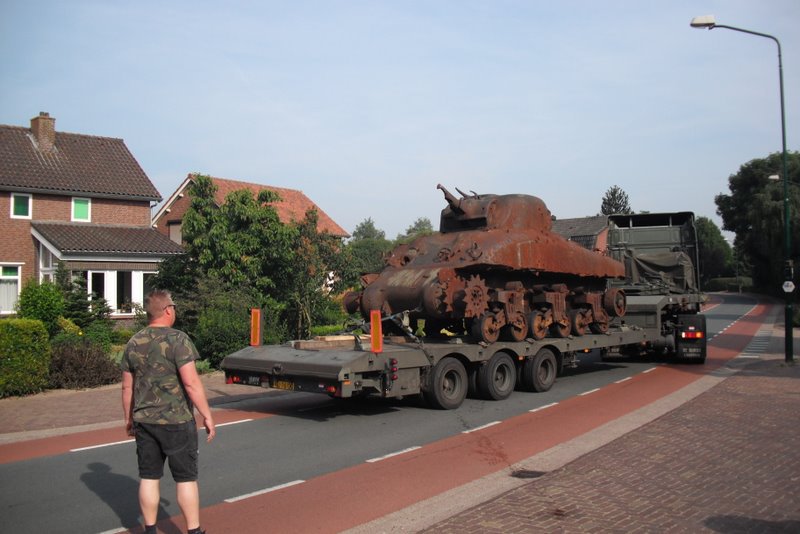
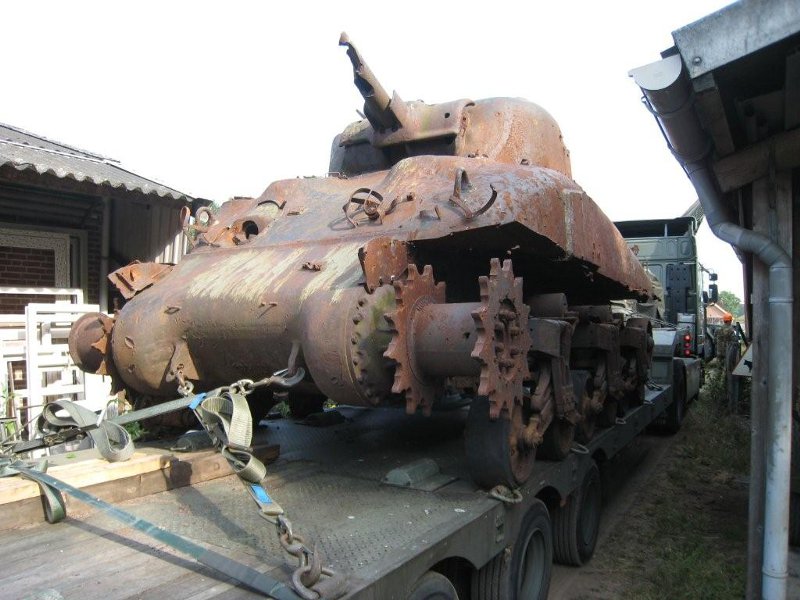
The weather conditions were ideal. A real summer day, just as in July 2010 when the tank was brought to our restoration location.
By noon the journey began from the restoration location in Sambeek to Overloon. At 12.30 the convoy arrived at the square in Overloon where many spectators were waiting to attend the placement.
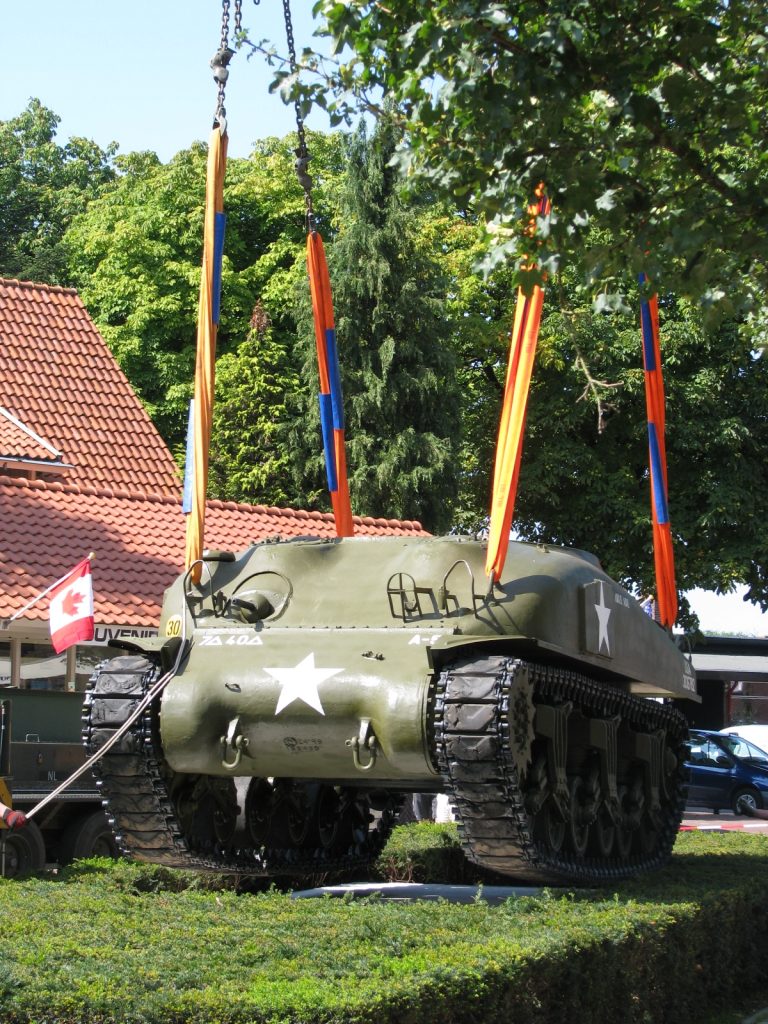
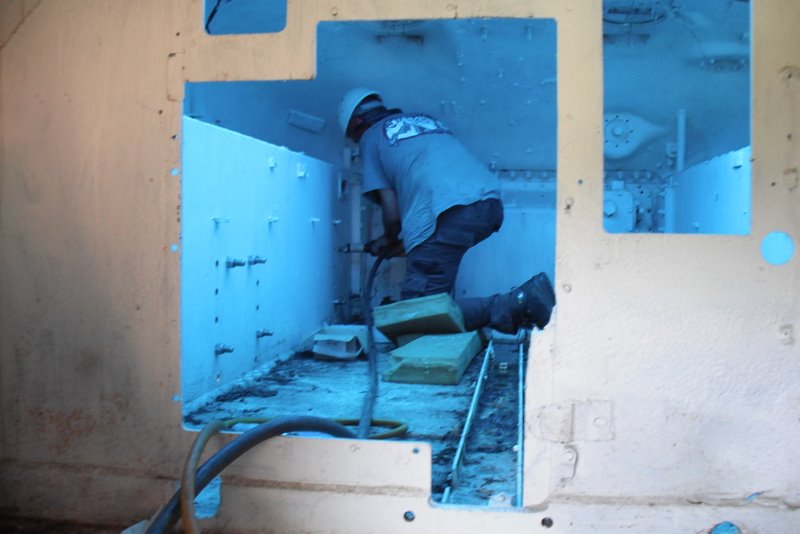
The Royal Engineers had surveyed the monument site some time before and knew exactly how the crane should be placed. Again the turret was removed from the tank and then the hull was lifted from the trailer. With military precision the hull was hoisted in position over the concrete base. Then the turret was placed back on the hull again and locked. Because we no longer have to be inside the tank, the doors at the rear of the tank now are also welded.
On the link below you will find a video with images of the placement.
http://www.youtube.com/watch?v=7hX3MW2HNFI
A few days later we continued to clean up the restoration site.
Thanks to the Uyen family in Sambeek, the firm Uyen for total sun protection and window frames (www.uyen.nu) and Mipa (www.mipabedrijfskleding.nl). They gave us permission to use their land and facilities to make it possible to carry out the complete restoration.
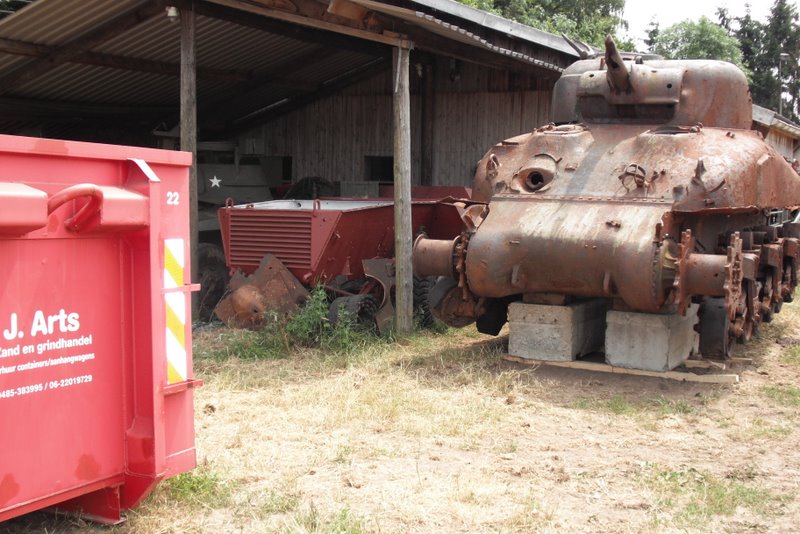
This clean up included the replacement of the containers that had to be moved for providing passage to the crane and trailer. This is done by firm J. Arts in Sint Anthonis.
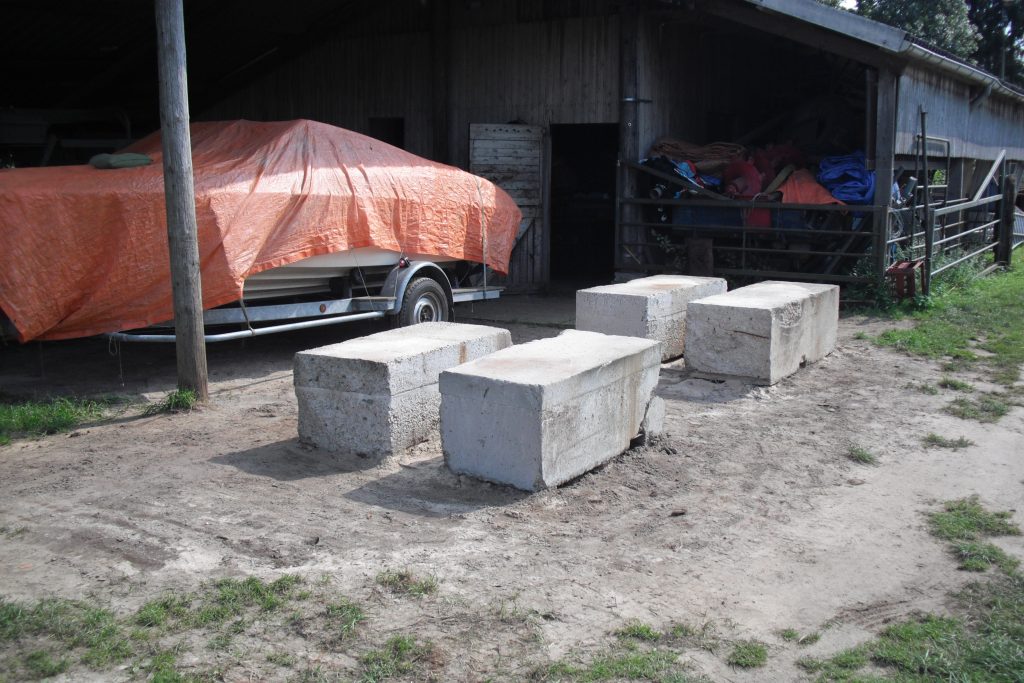
We transported the eight concrete blocks, on which the hull and turret had been standing for one year, to the crusher. For this we could use the telehandler of Mr. Hofmans in Overloon of bungalow park Hof van Overloon (www.hofvanoverloon.nl).
In October the ceremonial transfer to the municipality of Boxmeer / inauguration of the tank will take place and then this unique project is completed.
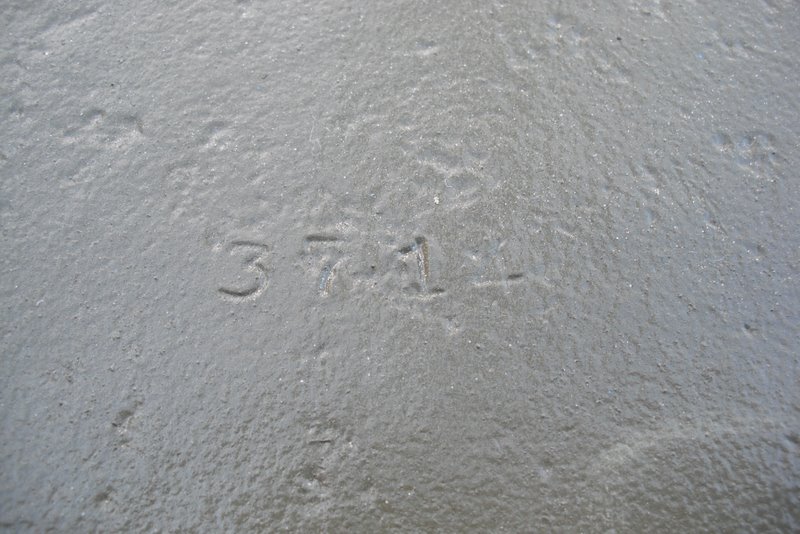
Meanwhile, there are studies on the manufacturer and serial number of the tank. Through some special features, including the construction of the rear guards and the curved edge around the .30 bowgun where a dustcover can be attached, it is proven that the tank was built by the firm Pacific Car and Foundry Company. We have found the serial number in two places. One stamped on the front of the hull and one stamped inside the wall to the left of the driver’s seat.
It is number 3714. The tank was built in July 1943 by this Pacific Car and Foundry Company.
In July 1943 the company produced 77 M4A1 Sherman Tanks of the type (75 mm).
This firm produced this type of tank during a period of one and a half years. They produced 926 units. Currently worldwide there are only a few survivors known that came from this plant.
The E9 specifications (including the spacers we have removed) are probably made/mounted in the spring of 1945 by the firm Evansville Chrysler. Thanks to Joe de Marco and Pierre-Olivier Buan for the research.
October 2011 schedule:
– Ceremonial inauguration and official transfer.